
Observation skills Plants and Animals Worksheets for Ages 4-8
3 filtered results
Difficulty Level
Grade
Age
-
From - To
Subject
Activity
Standards
Enhance your child's observation skills with our engaging Plants and Animals Worksheets, specifically designed for ages 4-8! These printable resources provide young learners with fun activities that encourage them to closely examine the natural world around them. Through colorful illustrations and interactive exercises, children will develop critical observation skills by identifying features of plants and animals. Each worksheet aims to spark curiosity and foster a deeper understanding of nature, making learning both enjoyable and educational. Perfect for classroom use or at-home activities, our worksheets help nurture future scientists by making the observing process exciting! Give your child the tools to explore and discover today!
Favorites
With answer key
Interactive
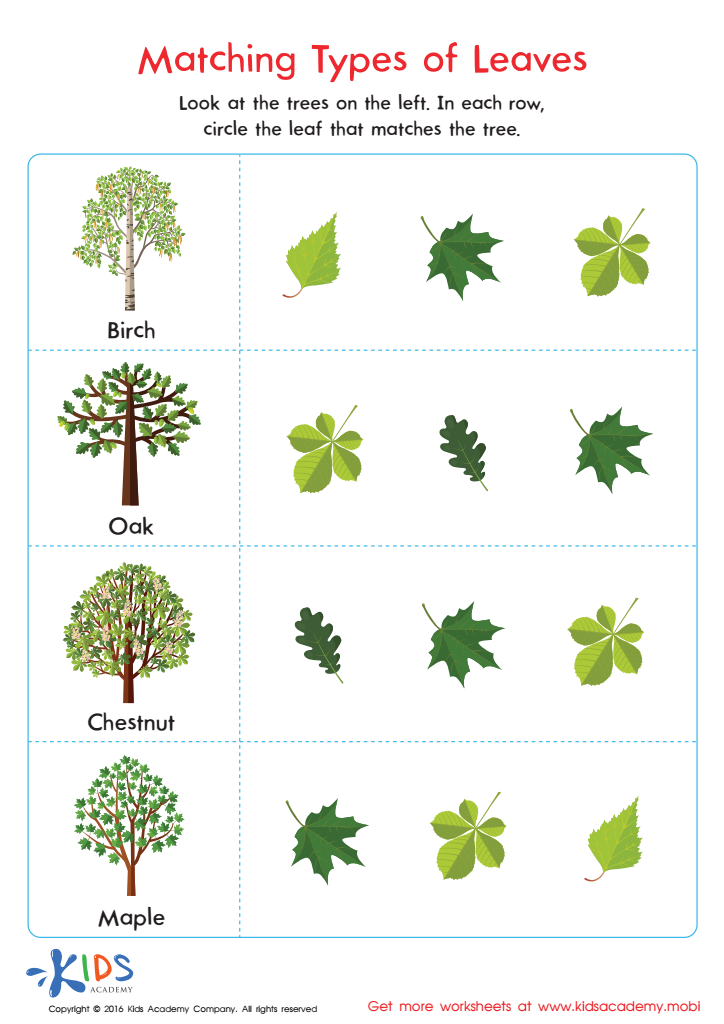
Matching Types of Leaves Printable
Trees are beautiful and essential to life. Show your child the joy of learning about them with this leaf worksheet. It teaches tree identification and encourages observing nature. Expand the learning with additional activities about trees!
 Assign to My Students
Matching Types of Leaves Printable
Worksheet











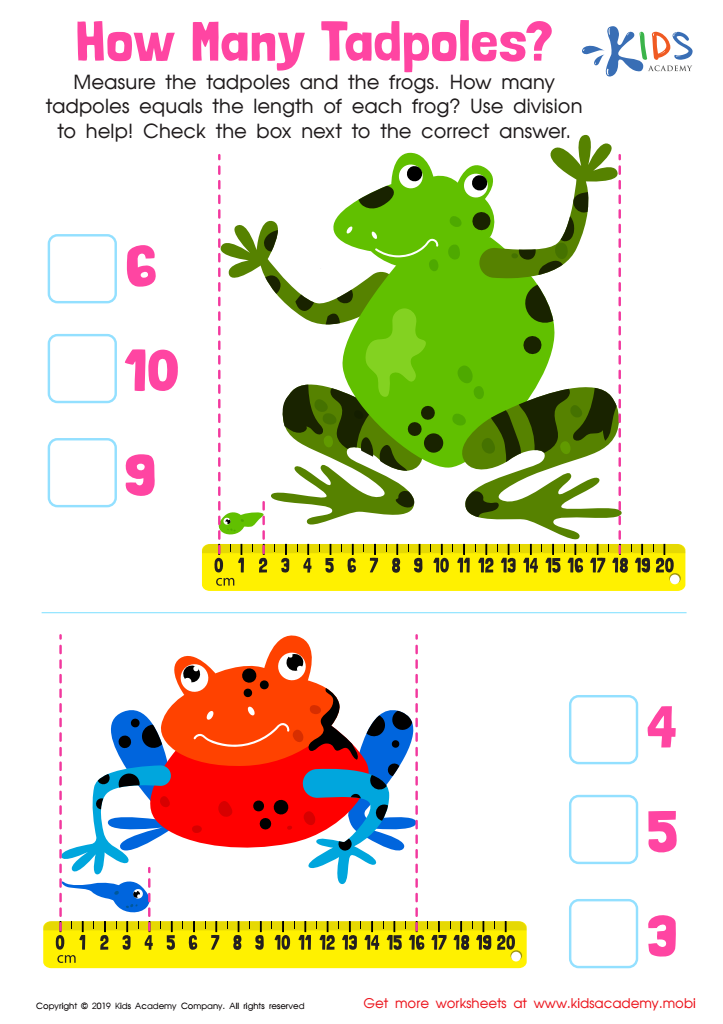
How Many Tadpoles Worksheet
Kids love tadpoles! They'll have fun using them to work out the measurements of their frog friends. By dividing the length of the frogs by the length of the tadpoles, children can deduce how many tadpoles it takes to equal a frog. With the use of 'how many' and 'each' they'll solve math problems without realizing it!
How Many Tadpoles Worksheet
Worksheet
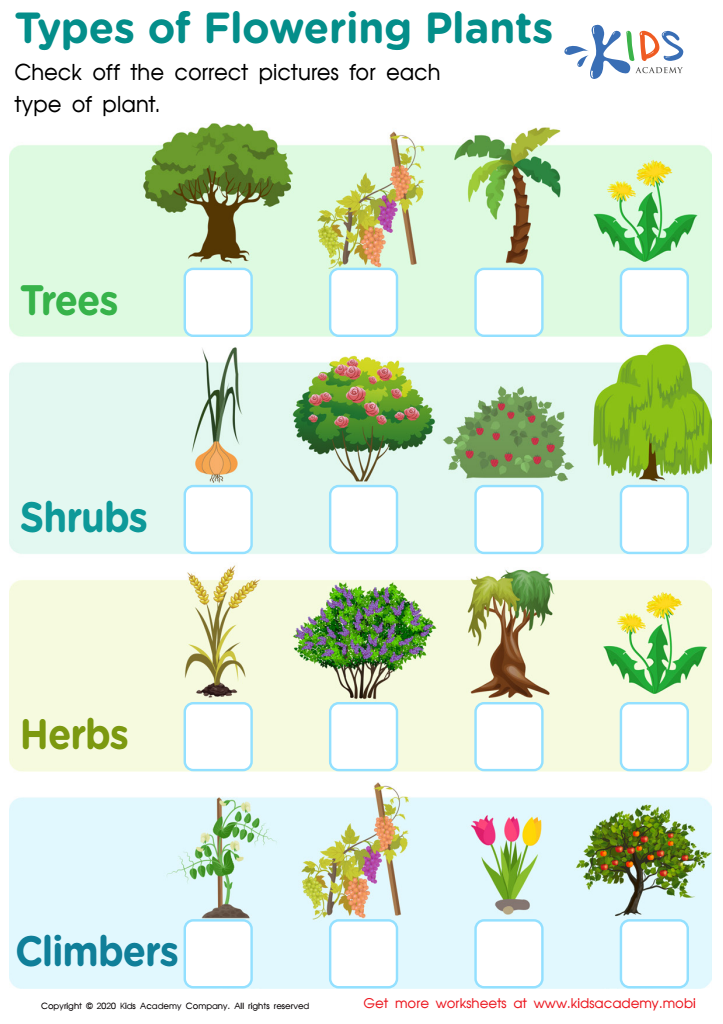
Types of Flowering Plants Worksheet
Help kids explore the variety of plants around them! Have them discover trees, shrubs, herbs, and vines with this fun science worksheet. Print it and let them match the plant pictures to their correct names. It's an exciting learning experience that'll let them check off the right images and explore the botanical world.
Types of Flowering Plants Worksheet
Worksheet
Join Kids Academy for Free
Who is primarily going to use this learning content?


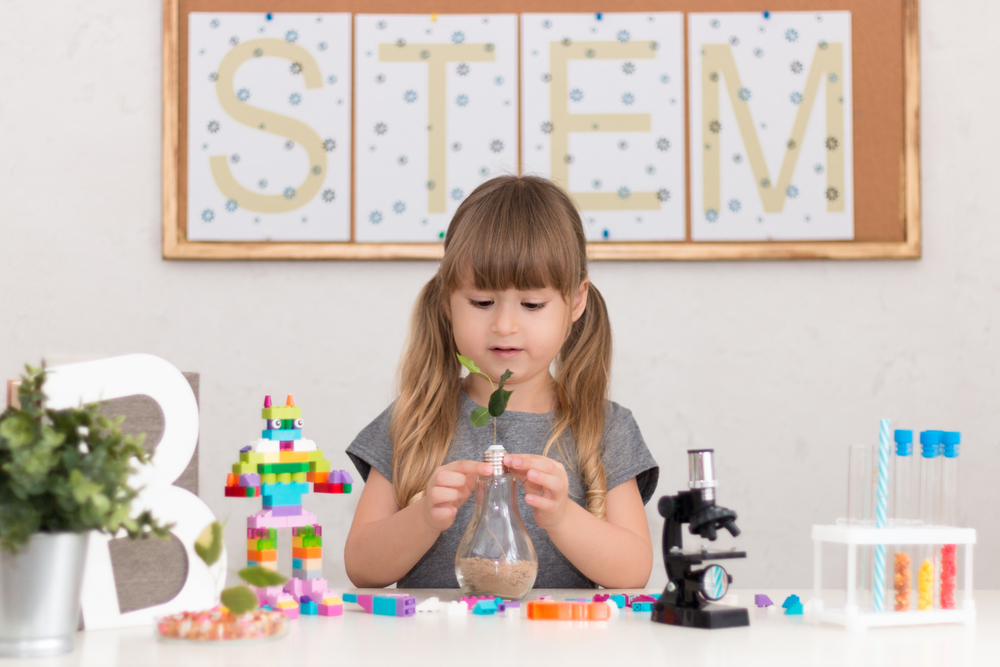
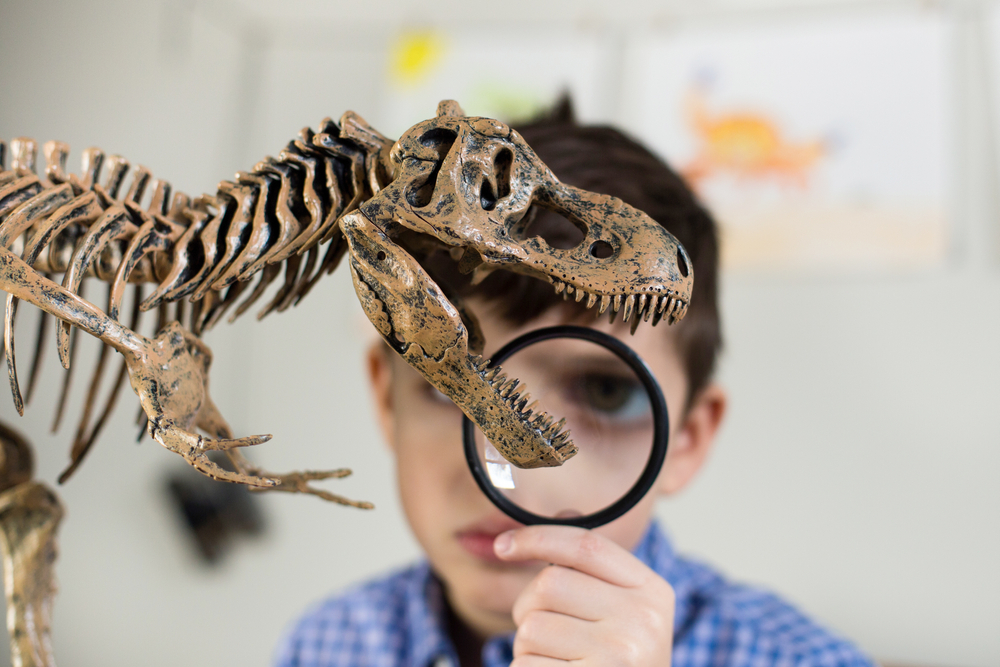




Observation skills are crucial for children aged 4-8, particularly when exploring plants and animals, because they form the foundation for critical thinking and scientific inquiry. By engaging with the natural world, children learn to notice details, identify differences and similarities, and ask questions about the environment around them. This process enhances their ability to focus, enhances their language skills, and encourages curiosity and imagination.
For parents and teachers, nurturing these observation skills is vital in supporting children's cognitive development. When children observe plants—like noting leaf shapes, colors, or growth patterns—they practice careful attention and analytical thinking. Similarly, watching animals fosters empathy, as kids learn to respect living creatures and understand their behaviors and habitats.
This hands-on learning approach also promotes teamwork and social skills, especially when activities involve group observations in nature. Moreover, discussing their findings cultivates communication abilities as they articulate their thoughts and share insights. Ultimately, fostering observation skills in children not only lays the groundwork for future scientific learning but also instills a lifelong appreciation for the natural world, making learning both meaningful and enjoyable.








