
Cultural awareness History Worksheets for Ages 4-8
6 filtered results
Difficulty Level
Grade
Age
-
From - To
Subject
Activity
Standards
Introduce your young learners to the diverse world around them with our Cultural Awareness History Worksheets for Ages 4-8. These engaging, educational printables are designed to broaden children's horizons by exploring different cultures, traditions, and historical events. Through fun and interactive activities, kids will develop a deeper understanding of global diversity and the importance of cultural respect. Perfect for classrooms or home learning, our worksheets help to nurture curiosity and foster open-mindedness, paving the way for a more inclusive future. Start your child's journey towards cultural literacy today! Explore our collection now and inspire a love for history and diverse cultures.
Favorites
With answer key
Interactive
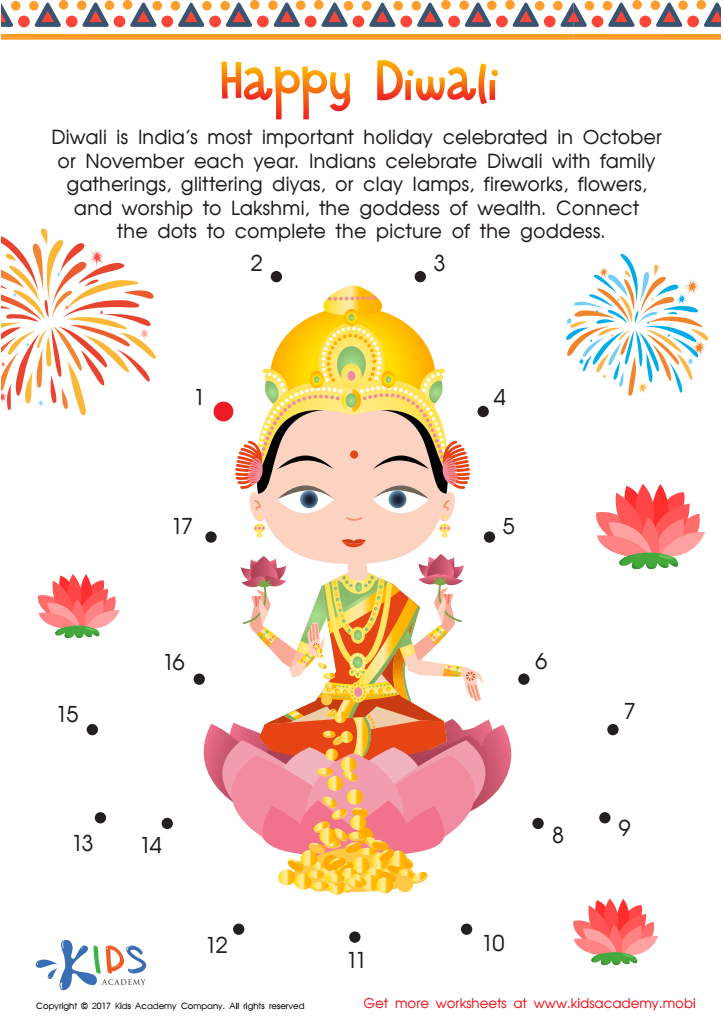
Happy Diwali Printable
Explore India this Diwali! Learn about India's most significant holiday, Diwali, with this fun-filled printable activity for kids. Your child can gain an appreciation for Indian culture with this Diwali dot to dot worksheet.
 Assign to My Students
Happy Diwali Printable
Worksheet
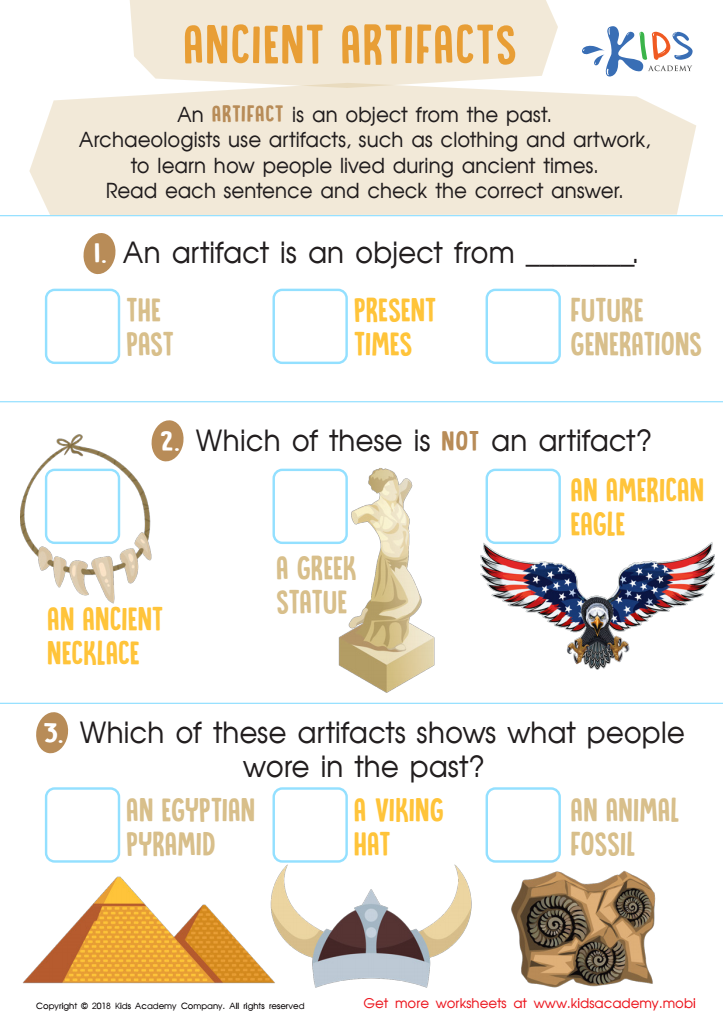
Ancient Artifacts Worksheet
This free worksheet helps kids understand ancient artifacts, from statues to necklaces to fossils. They'll read comprehension questions and select answers from multiple choice options, with pictures to help them grasp the concept. It's a great way for children to learn about artifacts and what they may look like.
Ancient Artifacts Worksheet
Worksheet
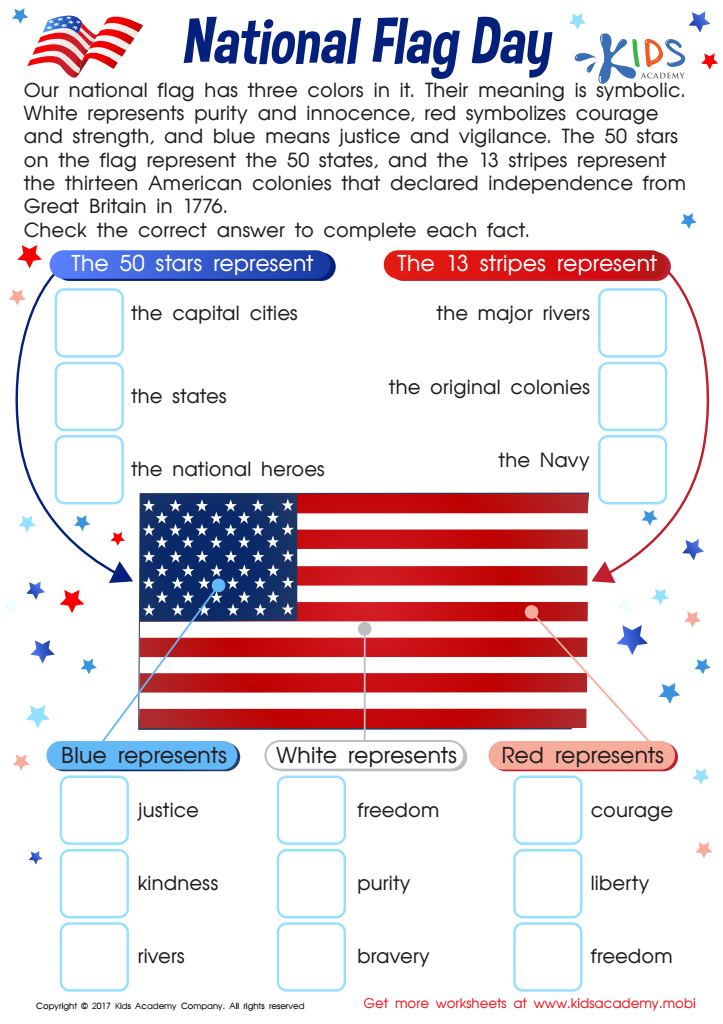
US National Flag Day Worksheet
Flag Day commemorates our nation's most iconic symbol: the American flag! This worksheet explains all the details, from the stars to the stripes, and helps kids understand the symbolism and importance of the flag. Even though it's not a federal holiday, it's still worth celebrating!
US National Flag Day Worksheet
Worksheet
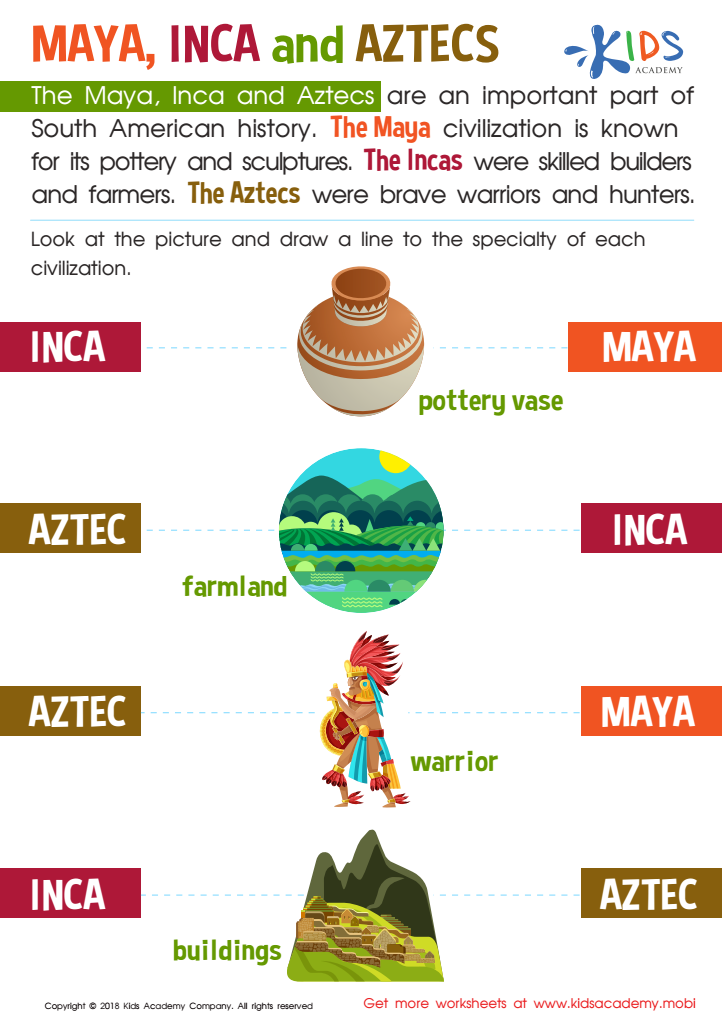
Maya, Inca and Aztecs Worksheet
This worksheet introduces your child to the thrilling histories of the Mayan, Incan and Aztec cultures, teaching them about their warriors, sculptors and farmers. With traceable lines and colorful imagery, they'll connect each culture with its correct associated picture - great for cementing concepts!
Maya, Inca and Aztecs Worksheet
Worksheet
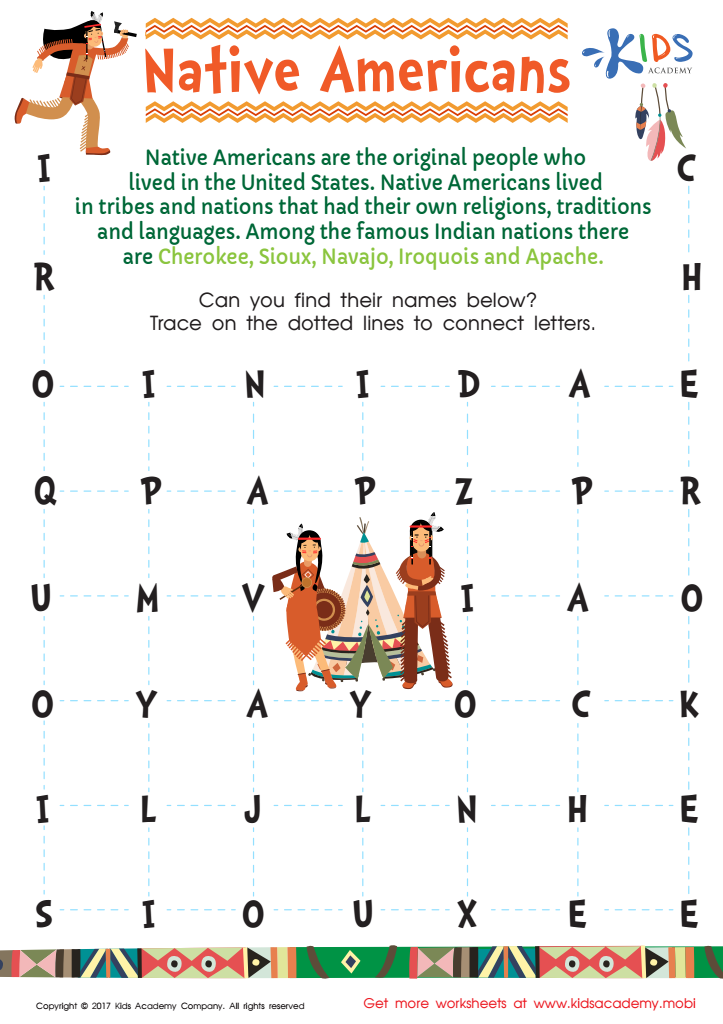
Native American Word Search Printable
This Native American word search PDF helps kids review important vocabulary and concepts about this important part of our county's history. It includes the names of famous and prominent Native American tribes. Solving the puzzle is fun and educative!
Native American Word Search Printable
Worksheet
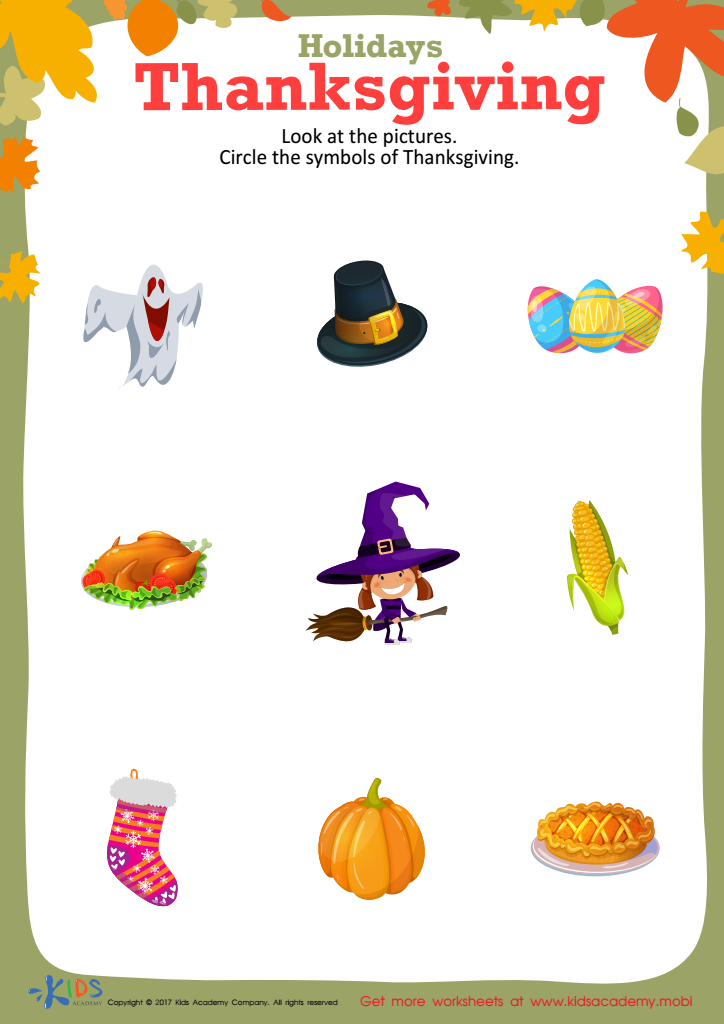
Thanksgiving Holiday Printable
Thanksgiving is here! Celebrate by showing appreciation and giving thanks. Teach your kids about the iconic symbols of the holiday with this free printable worksheet. Enjoy America's most famous feast!
Thanksgiving Holiday Printable
Worksheet
Join Kids Academy for Free
Who is primarily going to use this learning content?


.jpg)


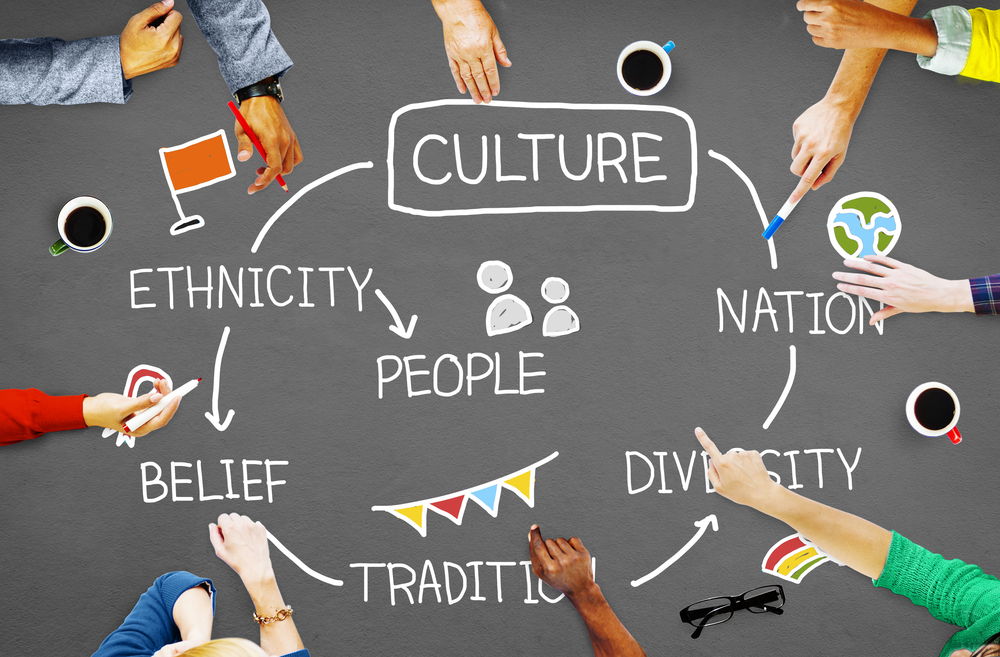


Caring about cultural awareness and history for children ages 4-8 is crucial because these formative years shape their worldview and interpersonal skills. At a young age, children begin forming opinions, stereotypes, and biases based on their immediate environment, which includes their home, school, and media. When parents and teachers actively teach cultural awareness and history, it fosters inclusivity, empathy, and respect for differences.
Understanding various cultures and historical contexts helps children appreciate diversity and see common humanity beneath apparent differences. For example, learning about holidays, traditions, and histories from cultures other than their own can widen their perspective. It lays a foundation for critical thinking, enabling them to approach life with curiosity rather than prejudice.
Additionally, cultural awareness is linked to essential social skills. Children who are aware of and respect different cultures tend to be better communicators and team players. This early grounding can reduce incidents of bullying and create a more harmonious classroom environment.
Parents and teachers should embed these lessons naturally into daily routines through stories, celebrations, and discussions. A culturally aware child tends to be more open-minded and adaptable, qualities that are invaluable as they grow into global citizens in an increasingly interconnected world. Fostering cultural awareness early on equips children for a more empathetic and nuanced understanding of the diverse world they live in.








