Color recognition Social Studies Worksheets for Ages 4-8
6 filtered results
-
From - To
Discover our engaging Color Recognition Social Studies Worksheets designed for children aged 4-8! These fun and interactive resources help young learners identify and understand colors while exploring concepts related to their environment and community. Our worksheets integrate vibrant visuals and relatable scenarios, making learning both enjoyable and effective. Perfect for both classroom settings and home learning, these activities foster critical thinking and encourage creativity. With a variety of exercises, including coloring, matching, and identifying colors in social contexts, children will develop essential skills while building a foundation for future learning. Download our worksheets today and watch your child's confidence grow!

Happy Diwali Printable
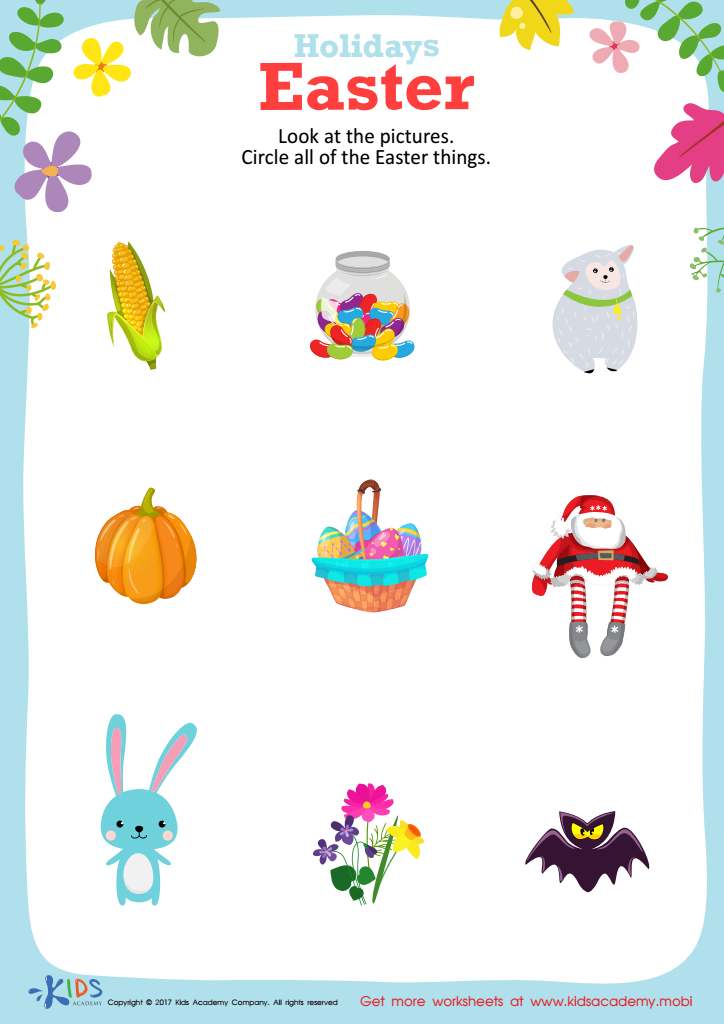
Easter Holiday Printable

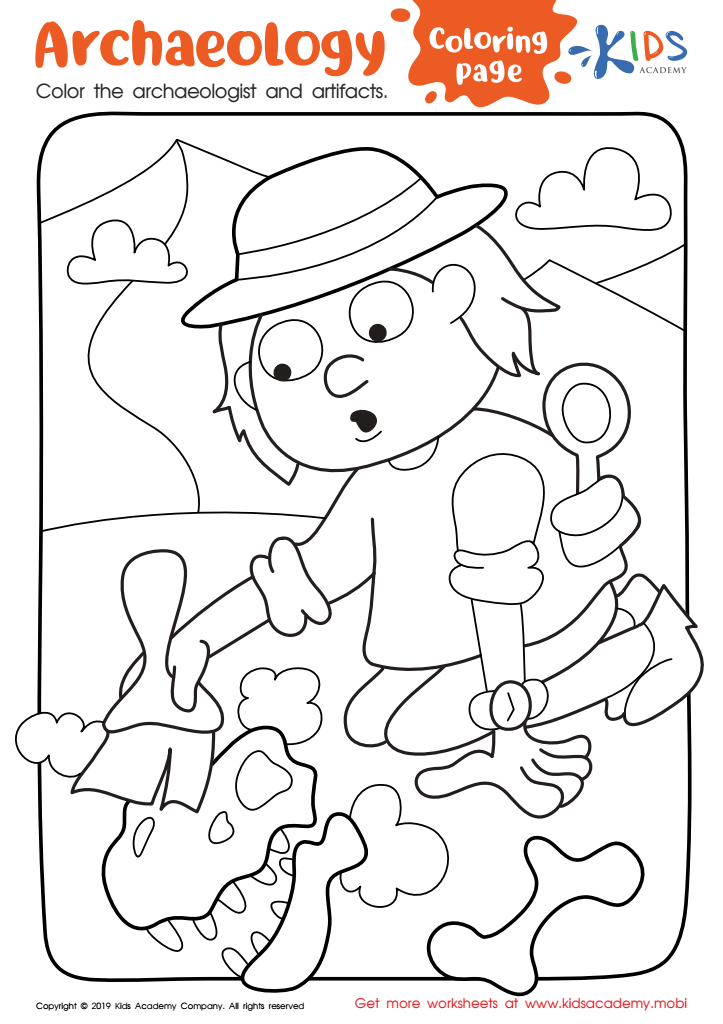
Archaelogy Coloring Page Worksheet
 Assign to My Students
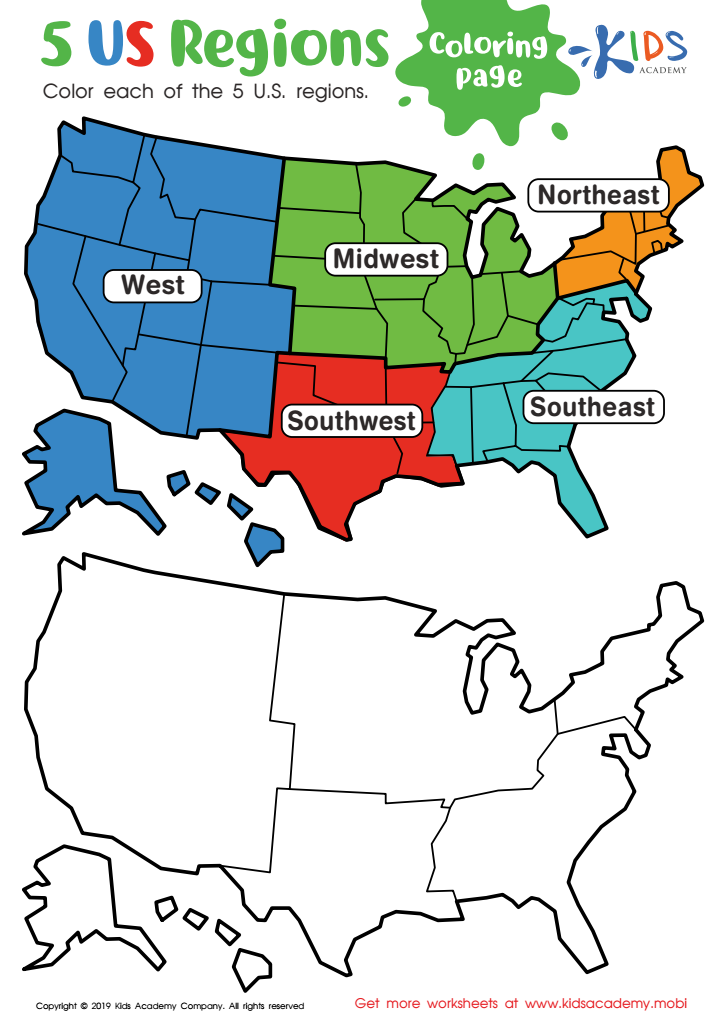
US Regions Coloring Page Worksheet
Assign to My Students

Globe Coloring Page Worksheet
Assign to My Students







Color recognition in early childhood is an essential skill that goes beyond simply identifying hues. For ages 4-8, this fundamental learning can significantly influence various aspects of social studies and general development. Parents and teachers should care about color recognition because it lays the foundation for cognitive growth and helps children make sense of the world around them.
Firstly, color recognition aids in enhancing visual and perceptual skills. Children begin to associate colors with emotions, concepts, and different cultures, fostering an early appreciation for diversity. For example, understanding colors in flags or national symbols can introduce children to global geography and social contexts, ensuring a sense of belonging and awareness of different communities.
Furthermore, discussions surrounding color can promote critical thinking and vocabulary development. Engaging in conversations about colors encourages children to express their thoughts and opinions, enhancing their communication skills.
Lastly, recognizing colors enhances creativity through art and expression. Children often use colors to express their feelings and ideas, nurturing emotional intelligence. For these reasons, color recognition in social studies serves as a vital tool for holistic development, helping children connect and thrive in an increasingly colorful world.








