Filters

6 filtered results

Clear all filters
Favorites
With answer key
Interactive

6 filtered results

Difficulty Level

Grade


Explore our engaging Counting Skills Social Studies Worksheets designed specifically for children ages 4-8. These worksheets combine foundational counting skills with essential social studies concepts, providing a fun and interactive way to learn. Kids will develop their numerical abilities while exploring themes such as community, geography, and culture. With colorful illustrations and age-appropriate activities, these worksheets encourage critical thinking and reinforce early learning. Perfect for both classroom and home use, our worksheets empower young learners to make connections between numbers and their world. Download today to spark your child's curiosity and enhance their counting skills through social studies!

Check out this FREE Trial Lesson on Social Studies for age 4-8!

My Family

Favorites
With answer key
Interactive
  • 4-8
  • Counting skills
  • Social Studies
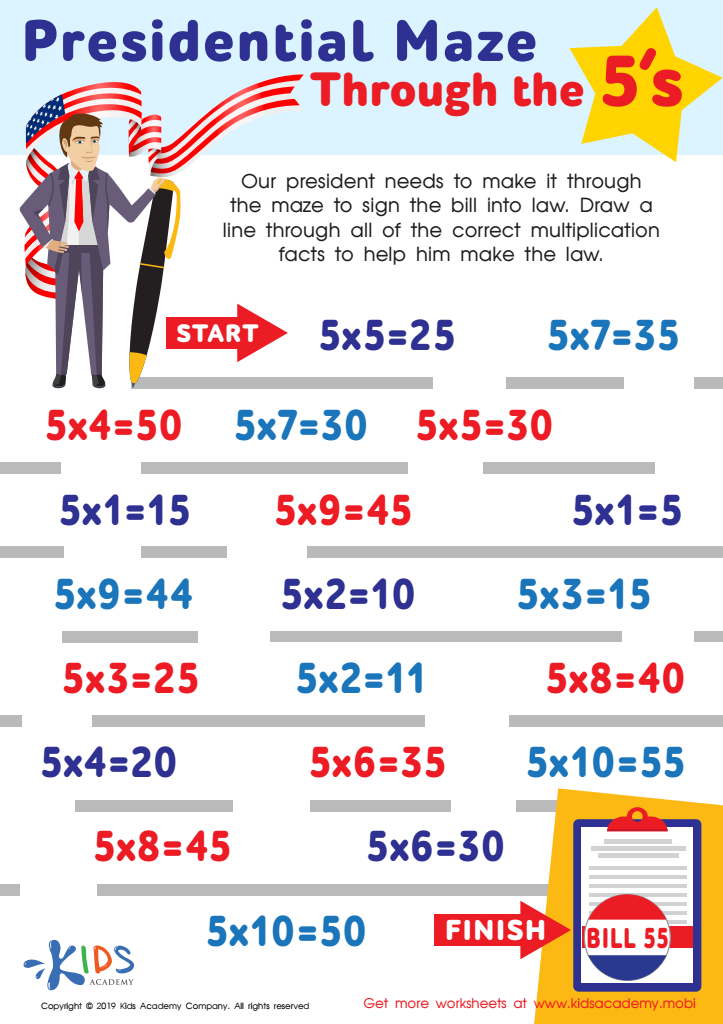
Presidential Maze Through the 5’s Worksheet

Presidential Maze Through the 5’s Worksheet

Help your kids draw a line through the right multiplication facts to guide the state's President to sign the bill into law. This is a big responsibility - the President has been elected to make decisions on behalf of the people and has the power to make laws and sign them.
Presidential Maze Through the 5’s Worksheet
Worksheet
Let's Look! Assessment Worksheet

Let's Look! Assessment Worksheet

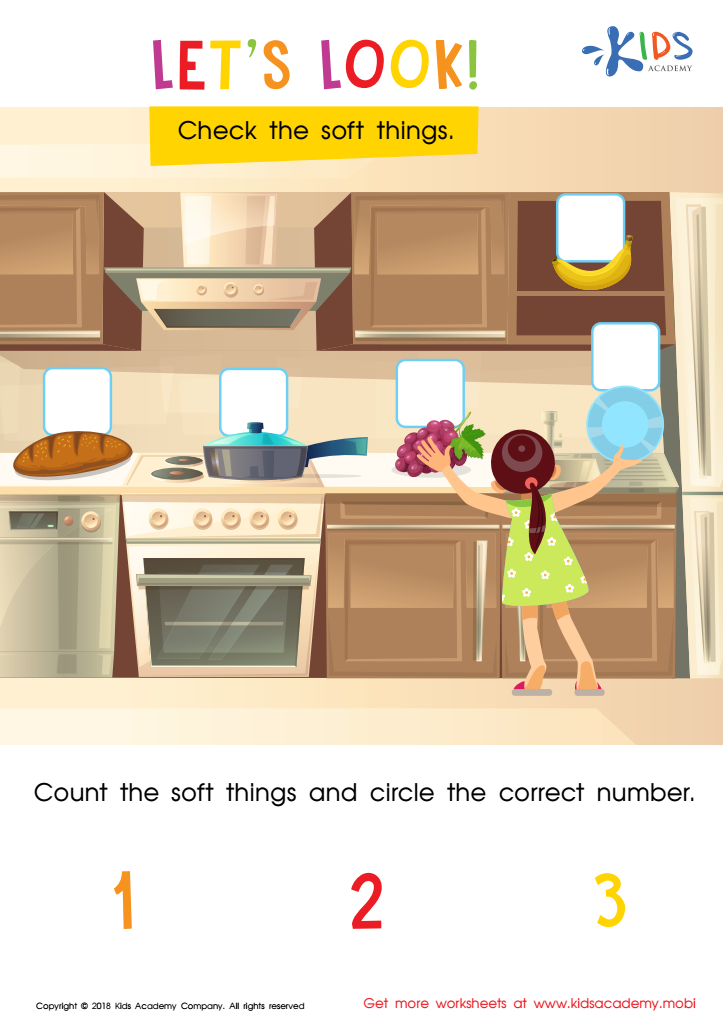
Have your child look at the picture in the printout and name the objects. Ask which ones are soft and hard and have them count the soft objects and circle the number. This worksheet will engage your child's thinking and teach them about texture.
Let's Look! Assessment Worksheet
Worksheet
Let's Check! Assessment Worksheet

Let's Check! Assessment Worksheet

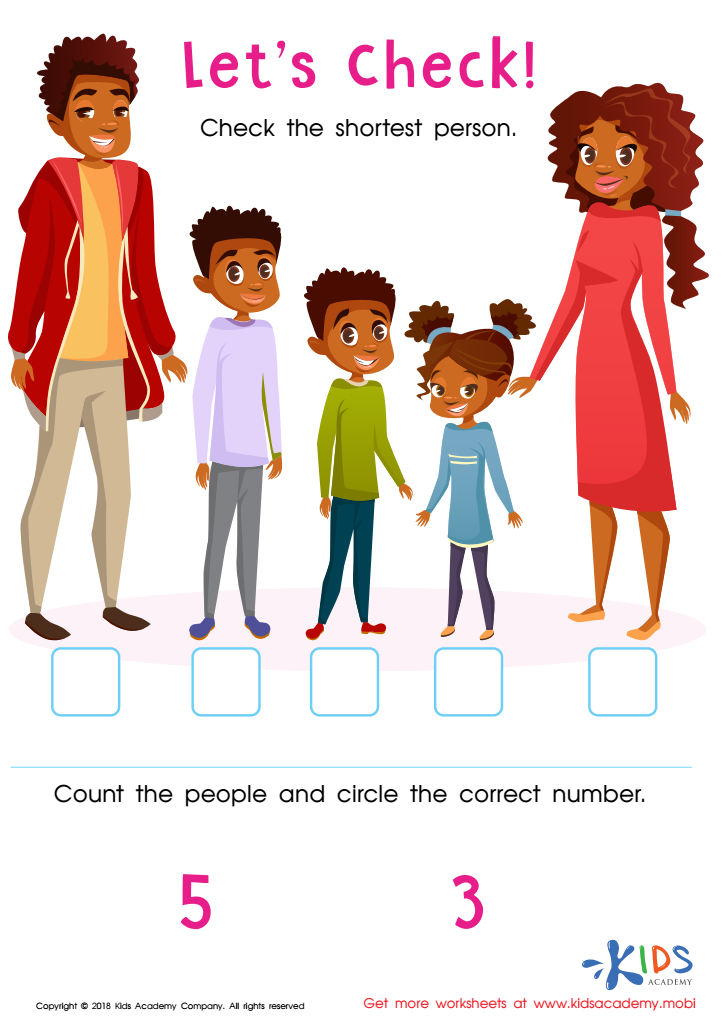
Check your child's understanding of height with this worksheet. Ask them to sort the objects in order of size and identify the tallest and shortest member of the family in the picture. See if they can correctly arrange the items from tallest to shortest.
Let's Check! Assessment Worksheet
Worksheet
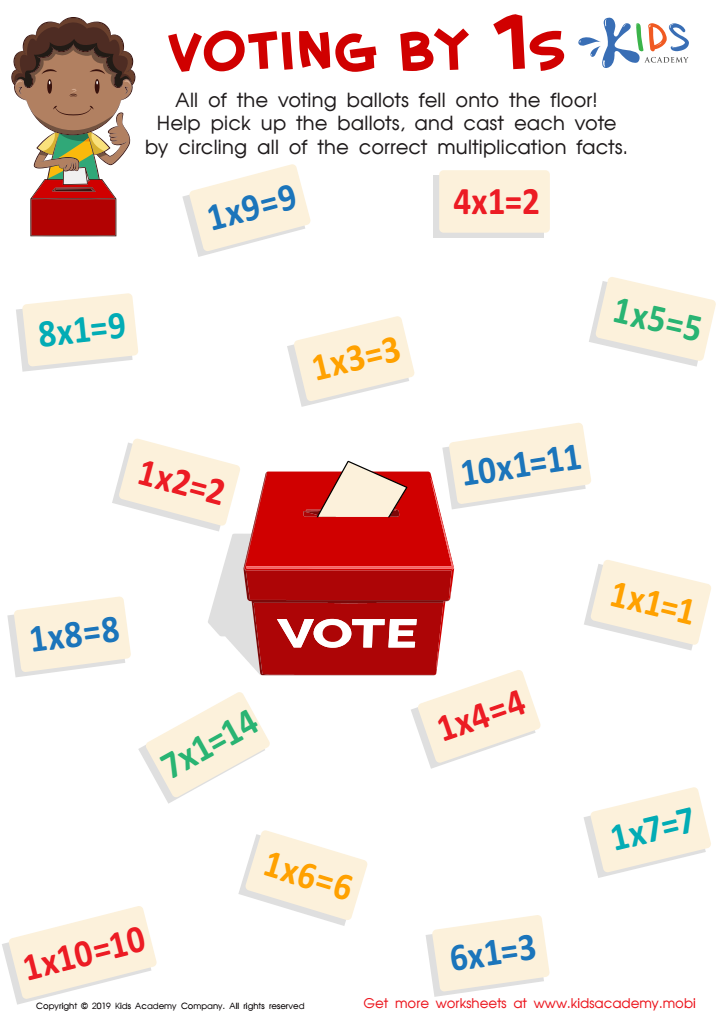
Voting by 1s Worksheet

Voting by 1s Worksheet

Ask your child if they can list duties of a good citizen. These include voting, to elect right leaders. With this worksheet, the voting ballots have fallen to the floor! Help your kids pick them up and cast each vote by circling the correct multiplication facts.
Voting by 1s Worksheet
Worksheet
Earth's Systems: Assessment 2

Earth's Systems: Assessment 2

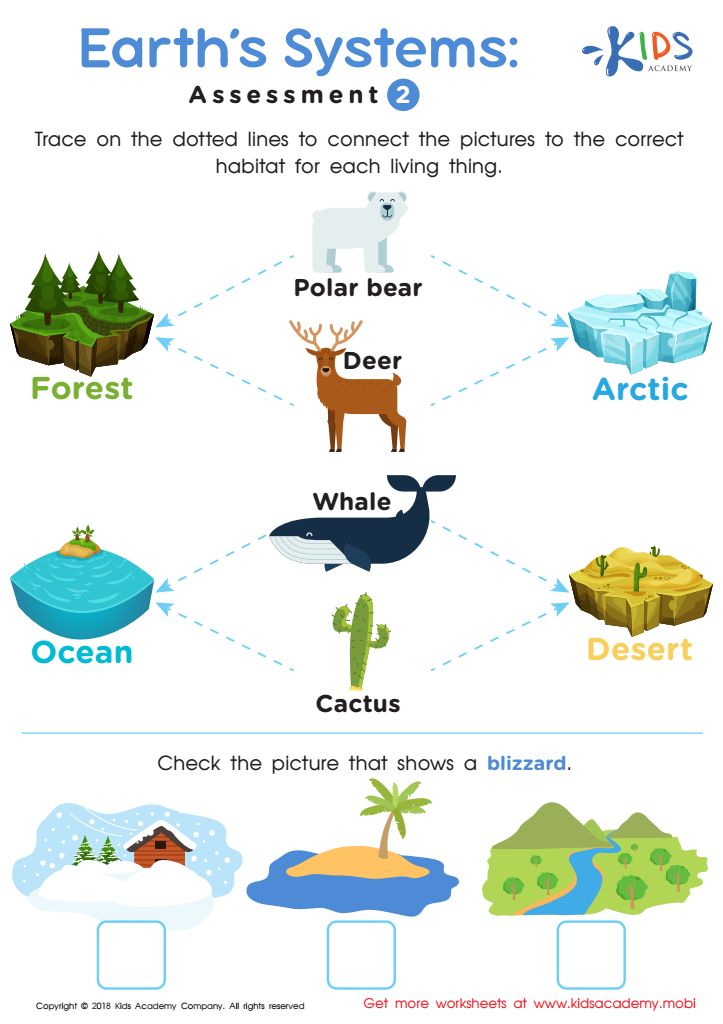
Kids will love this free printable worksheet to assess their knowledge of habitats and the living creatures found in them. They'll trace the dotted lines to connect the pictures of plants and animals to their respective habitat and identify the type of weather depicted. No, polar bears don't live in the ocean, but they do like to swim in icy waters! With this fun activity, your little learner will master earth science basics.
Earth's Systems: Assessment 2
Worksheet
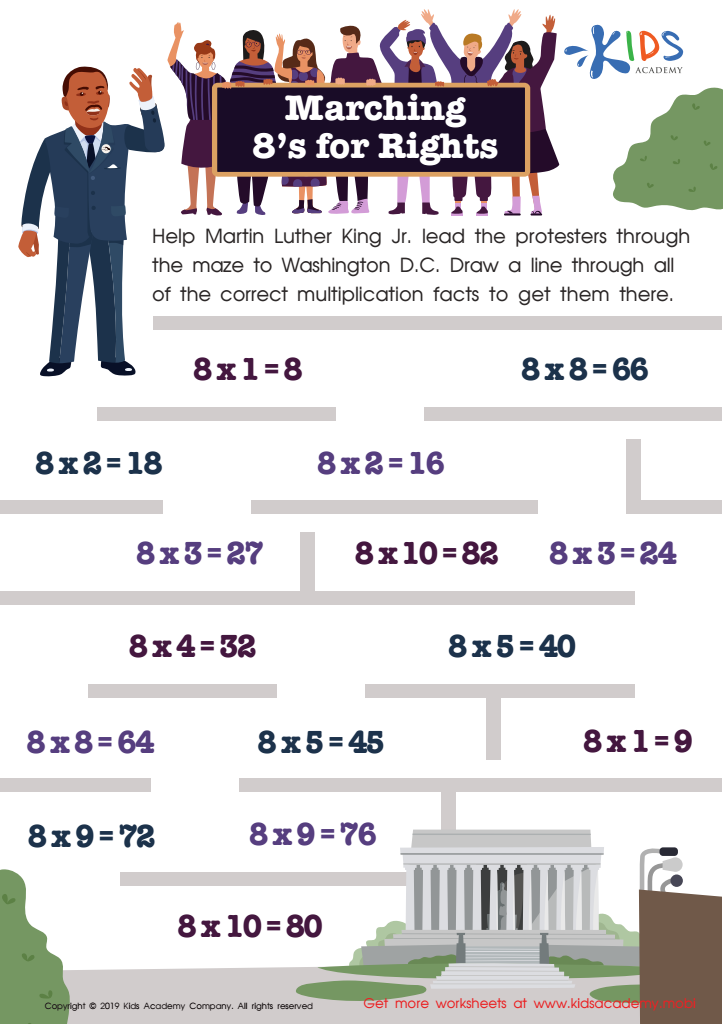
Marching 8’s for Rights Worksheet


Marching 8’s for Rights Worksheet

Encourage your students to explore MLK's history! This worksheet provides the perfect opportunity. Help them understand his contributions by having them "march" MLK from the starting point to Washington D.C. Have them draw a line through the correct multiplication facts to get there. It's an enjoyable way for kindergartners to learn about a key part of history.
Marching 8’s for Rights Worksheet

Worksheet


Counting skills are fundamental not only for mathematics but also play a surprising role in social studies for children ages 4-8. As children learn to count, they develop critical cognitive skills that enhance their understanding of the world around them. Counting activities help children grasp concepts such as community, patterns, and categorization, which are vital in social studies.

When children engage in counting, they often relate numbers to real-life objects and experiences. For example, they might count family members, community helpers, or items in their environment, fostering awareness of social structures and relationships. These interactions build their social-emotional skills as they learn to collaborate and communicate with peers while engaging in counting games or activities.

Furthermore, counting encourages curiosity about cultural practices and traditions. By counting items related to holidays or festivals, children can explore diversity and develop respect for different cultures. Real-world connections enhance problem-solving skills, guiding young learners to recognize patterns in human behavior and societal organization.

In summary, fostering counting skills not only lays the foundation for mathematical proficiency but also enriches children's understanding of their community and the world, ultimately making social studies a more engaging and impactful experience.