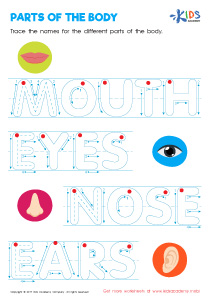
Fine Motor Skills World Around Us Worksheets for Ages 4-8
9 filtered results
Difficulty Level
Grade
Age
-
From - To
Subject
Activity
Standards
Discover "Fine Motor Skills World Around Us Worksheets for Ages 4-8" designed by expert educators! Enhance your child's fine motor skills with engaging activities that intertwine learning and fun. These age-appropriate worksheets cover tracing, cutting, and coloring exercises, fostering hand-eye coordination and precise muscle movement. As children explore themes from the world around them, they build essential skills for writing, buttoning, and more. Perfect for preschoolers and early elementary students, these worksheets support classroom learning, fine motor development, and creativity. Download today and watch your child thrive through interactive, hands-on education!
Favorites
With answer key
Interactive
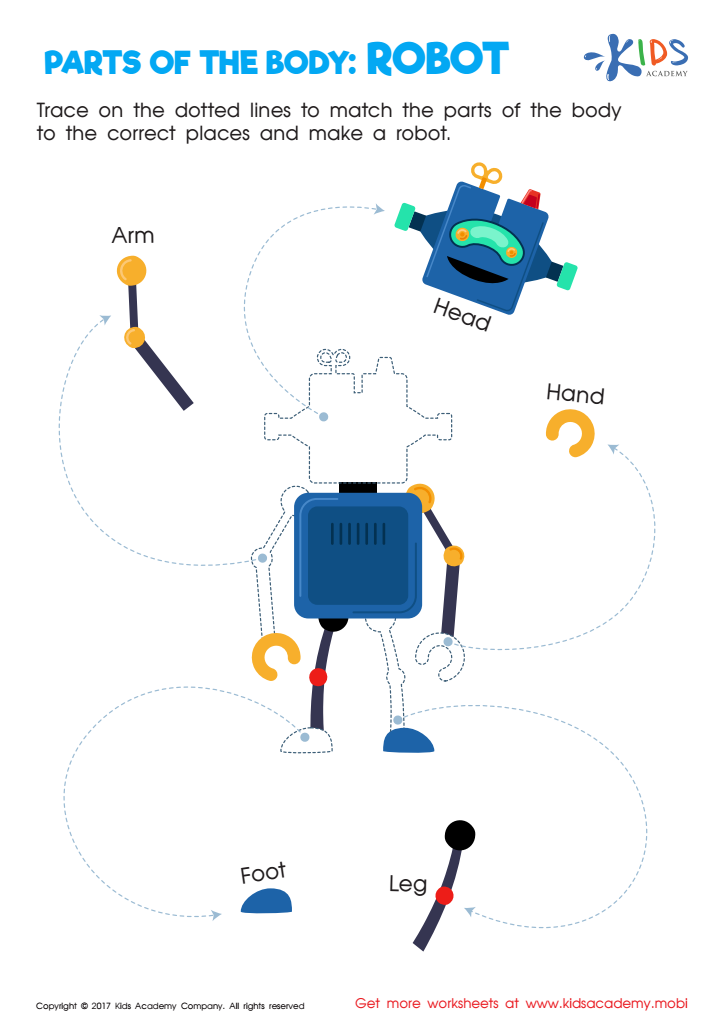
Robot Printable
Introduce your child to a fun robot and help her hone her matching skills with this parts of the body worksheet! Your child will trace dotted lines to match the robot's body parts to the right place, helping her focus, use abstract thinking and reason better. This worksheet is sure to get your child excited and help her build essential skills for future success!
 Assign to My Students
Robot Printable
Worksheet
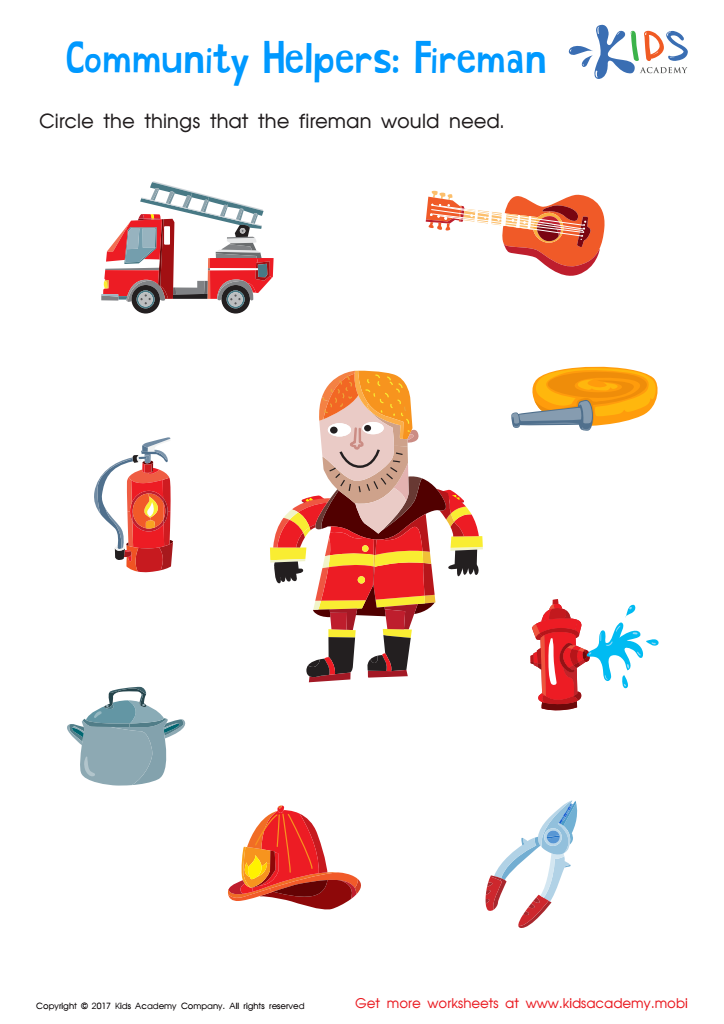
Fireman Worksheet
Kids love firemen and their big fire engines! Inspire your child to learn about their duties with this fun fireman worksheet. It'll help your child understand the role of firemen, as well as develop matching and problem solving skills. Get your kid started on understanding a key role in society and have fun too!
Fireman Worksheet
Worksheet
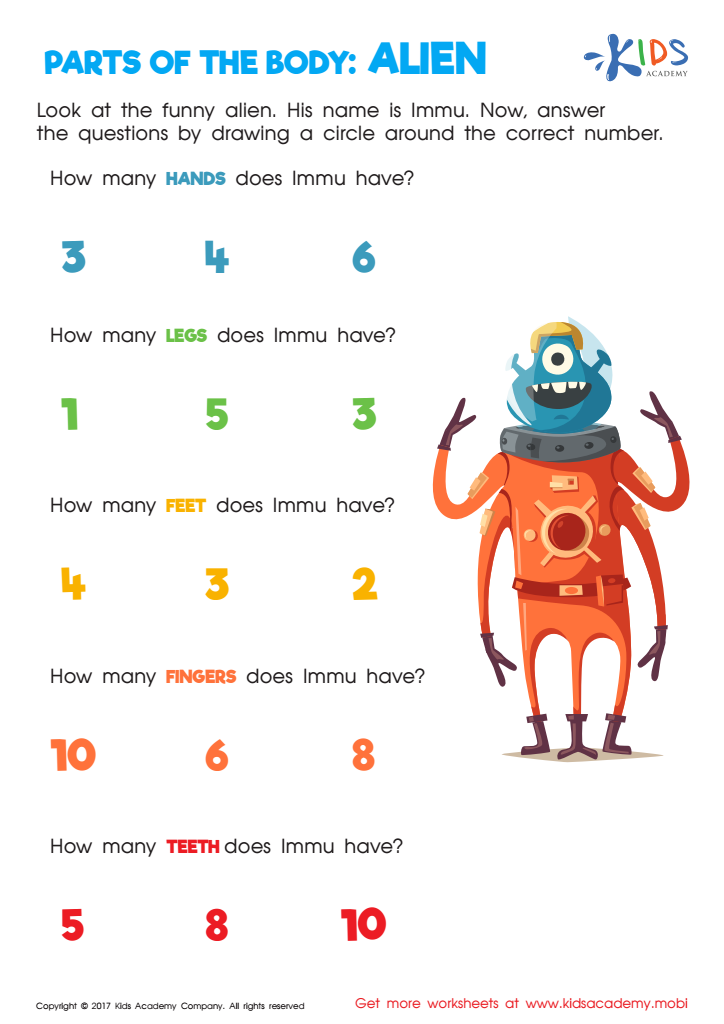
Alien Worksheet
Take your child on an out-of-this-world learning adventure with Immu, our friendly alien! This worksheet helps your child practice counting, recognize body parts and sharpen problem solving skills. Get started with this fun, educational activity today and watch as they learn and grow. Print it now and blast off to outer space!
Alien Worksheet
Worksheet
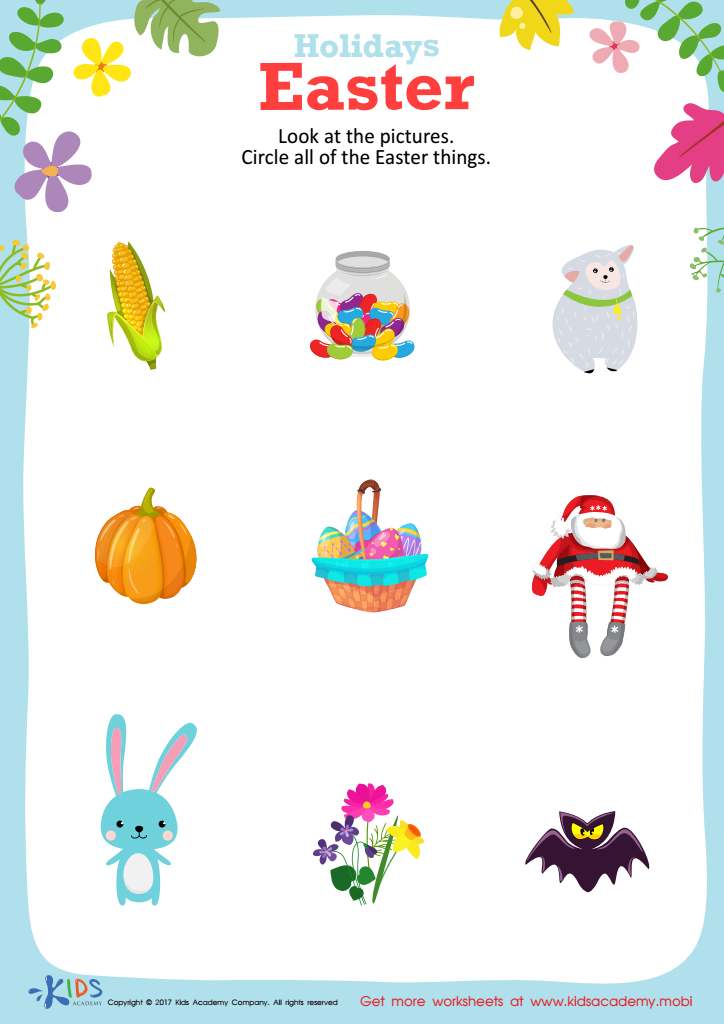
Easter Holiday Printable
This printable Easter worksheet helps your child identify symbols associated with the holiday. Pick out the pictures that usually signify Easter and your little one will gain an understanding of the holiday's meaning. With this free activity, springtime just got more exciting!
Easter Holiday Printable
Worksheet

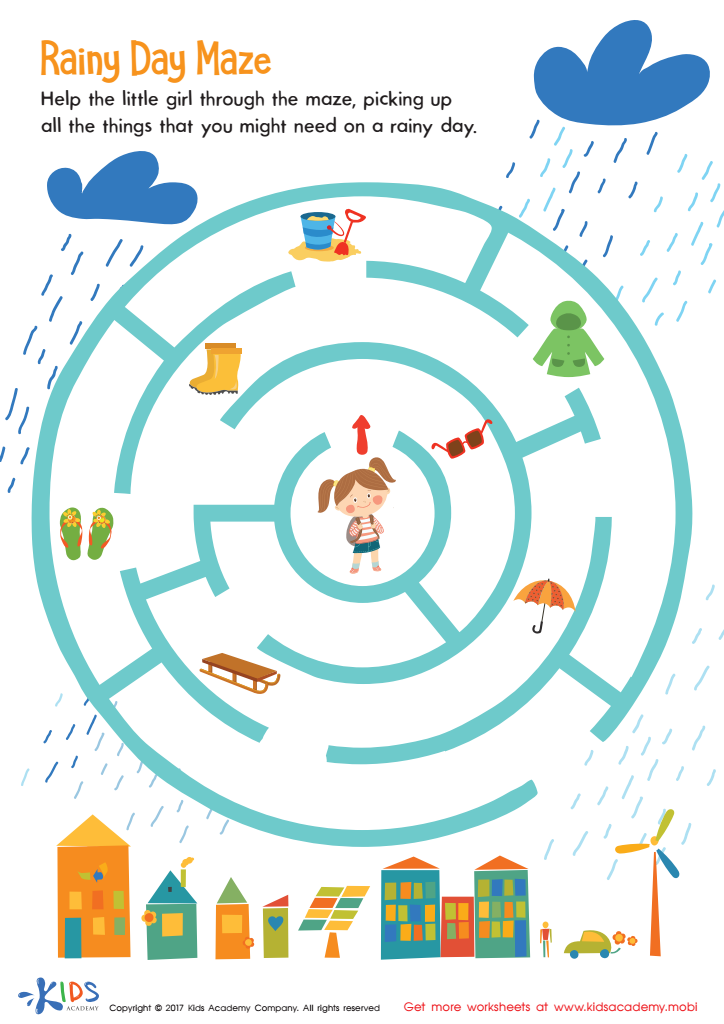
Rainy Day Maze Worksheet
Help your child use critical and problem solving skills to choose the right items! With this fun rainy day worksheet, they'll have a blast helping the character in the maze while learning about weather. Let’s get started!
Rainy Day Maze Worksheet
Worksheet

Playground Worksheet
Head to the park with this playground worksheet! It strengthens sorting and cognitive skills while encouraging problem solving. Plus, it's fun-filled and engaging! When finished, head out to the park to see what items your child finds in the playground!
Playground Worksheet
Worksheet
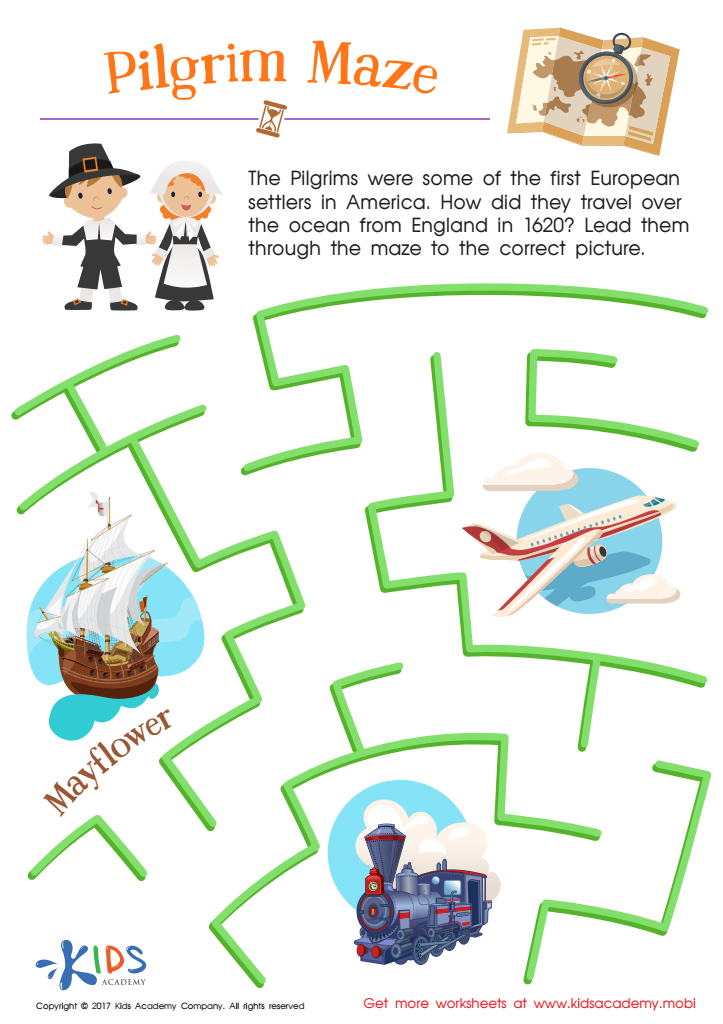
Pilgrim Maze Worksheet
This worksheet is perfect for teaching kids about an important moment in American History! Your child will have a blast solving the maze to recall that the Mayflower brought the pilgrims to the New World in 1620. It reinforces American history facts and develops visual motor and problem solving skills. It also uses modern pictures to make kids think about the right answer. Get this challenging pilgrim printable maze or a full collection of history worksheets for your little learner!
Pilgrim Maze Worksheet
Worksheet
Join Kids Academy for Free
Who is primarily going to use this learning content?








Parents and teachers should care deeply about the development of fine motor skills, especially for children aged 4-8, as these skills are crucial for their overall growth and success. Fine motor skills involve the coordination of small muscles in movements—typically in the hands and fingers—in tandem with the eyes. These are essential for everyday tasks such as writing, buttoning clothes, and using scissors.
During the ages of 4-8, children experience rapid growth in their cognitive and physical abilities. Developing fine motor skills supports their capacity to perform not only academic tasks but also fosters independence in daily activities. Skills like drawing shapes, forming letters, and even tapping on keys are foundational to their educational progression. Improved fine motor skills boost a child's confidence and ability to engage with the educational material provided in the classroom.
Moreover, proficiency in fine motor skills contributes to better handwriting, which is a necessary skill as children advance in their academic journey. Struggles with fine motor tasks can lead to frustration and hinder academic achievement, so early development and consistent practice are vital.
Lastly, engaging in fine motor skill activities can enhance a child’s problem-solving abilities, perseverance, and concentration. These activities encourage orthographic mapping, which contributes to reading skills. By focusing on tasks that build fine motor skills, parents and teachers help children create a strong foundation for future learning and everyday competence.