Community Worksheets for Ages 4-8 - Page 2
31 filtered results
-
From - To
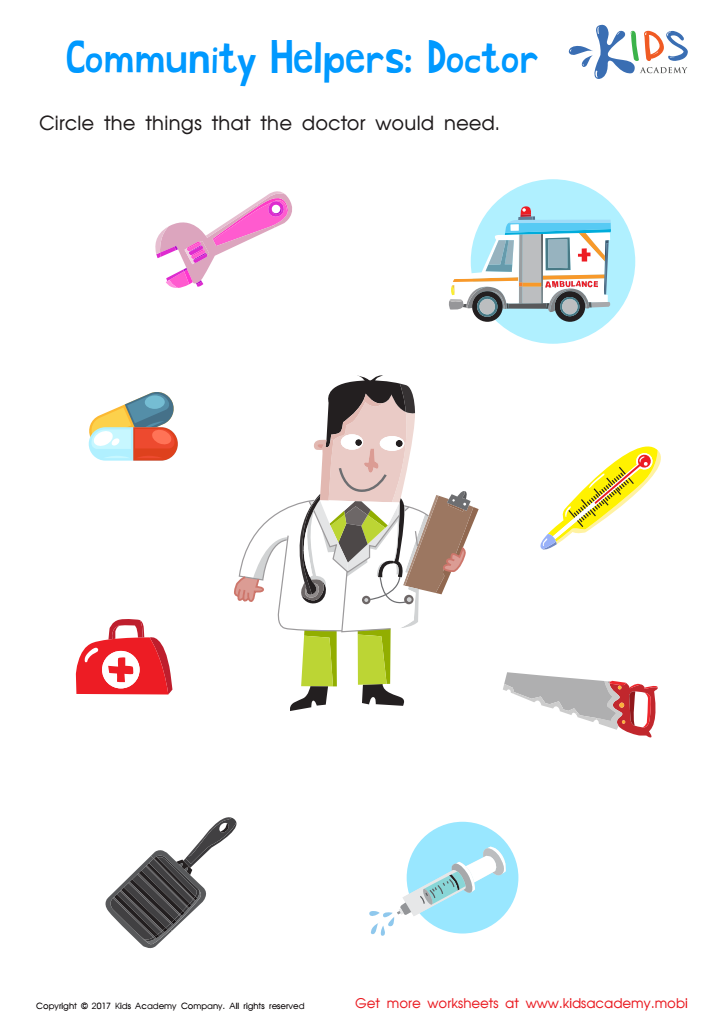
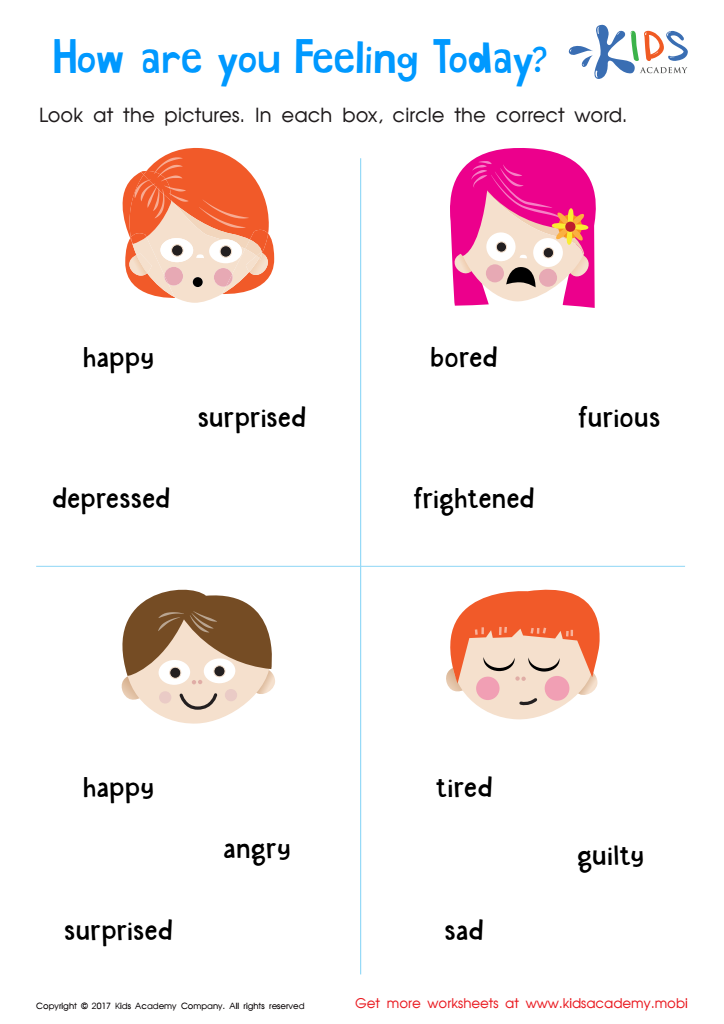
Understanding Feelings Worksheet
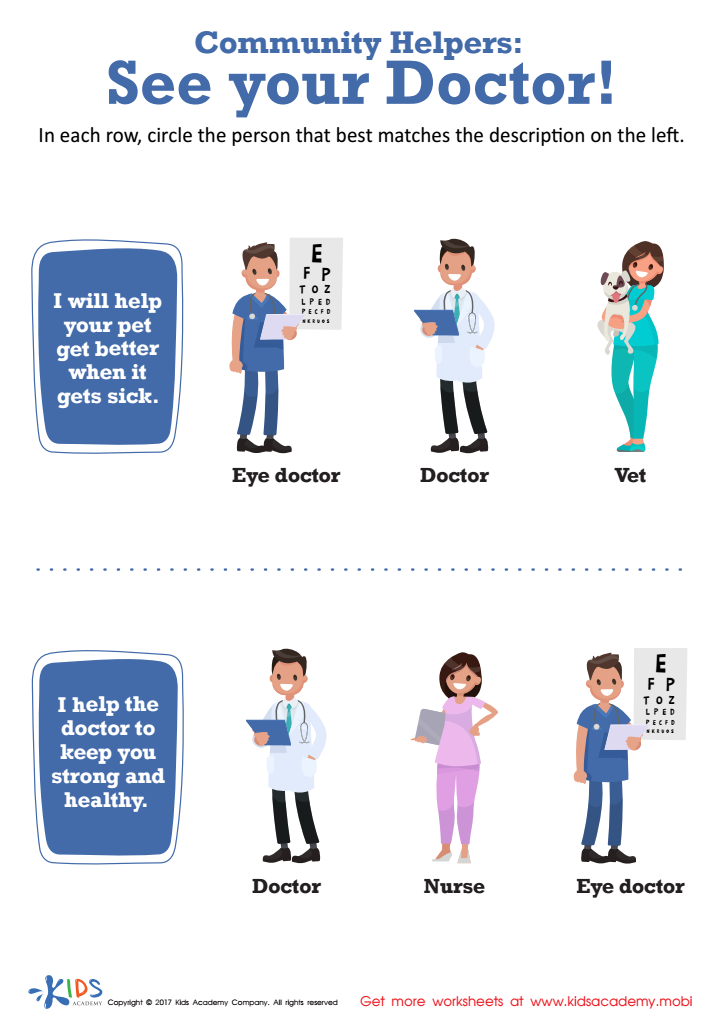
See Your Doctor (Part 2) Printable

Family Coloring Page
 Assign to My Students
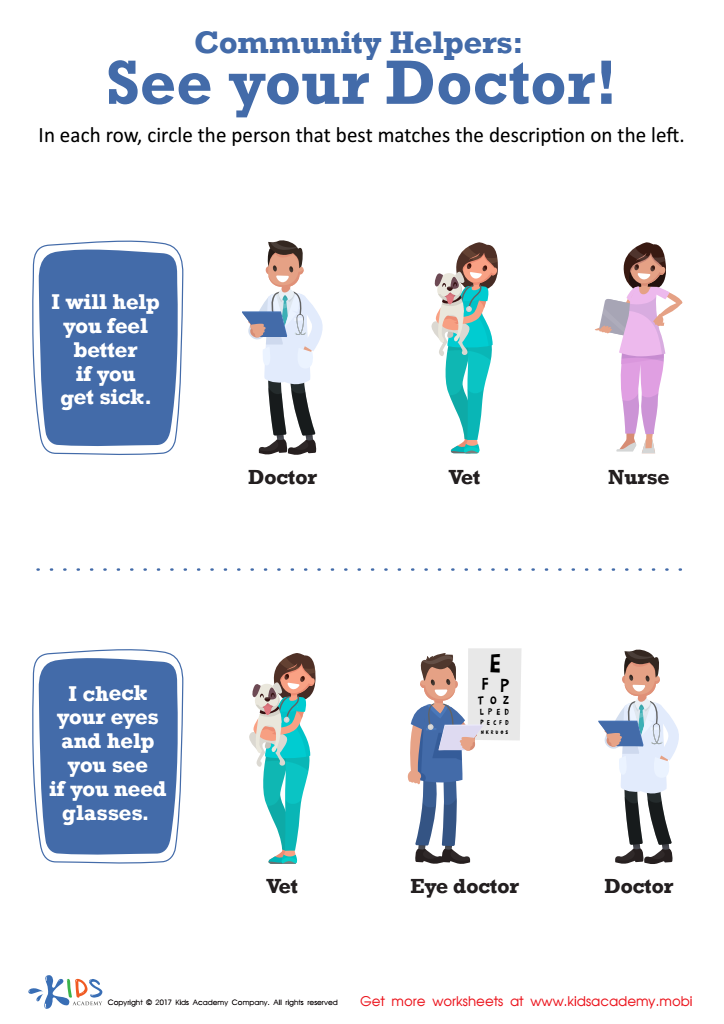
See Your Doctor (Part 1) Printable
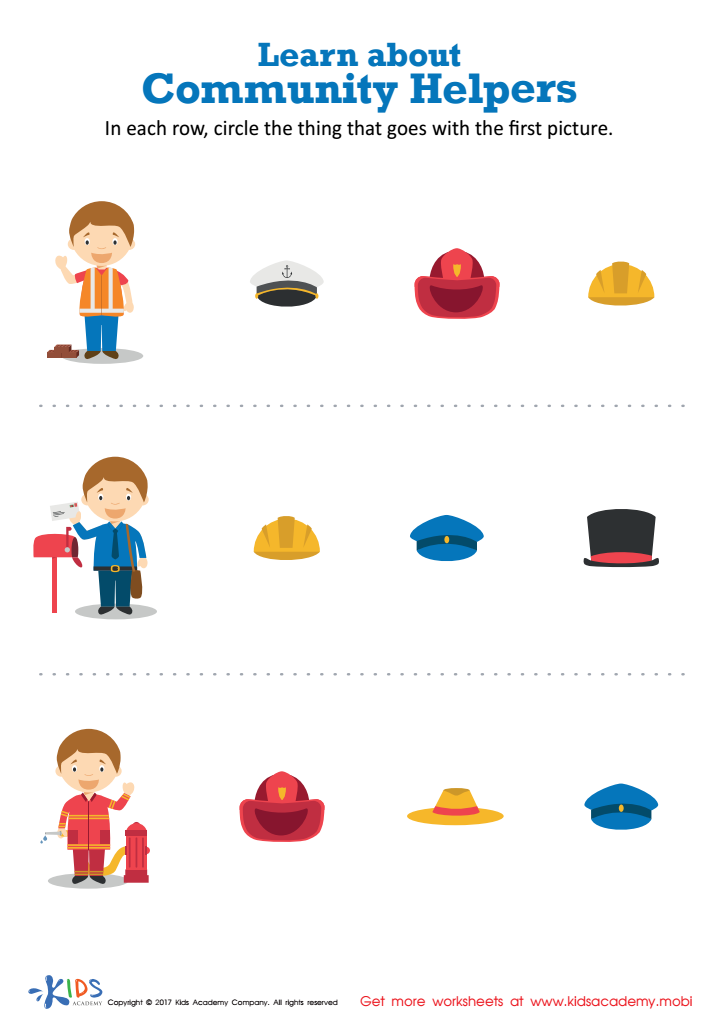
Learn about Community Helpers Printable
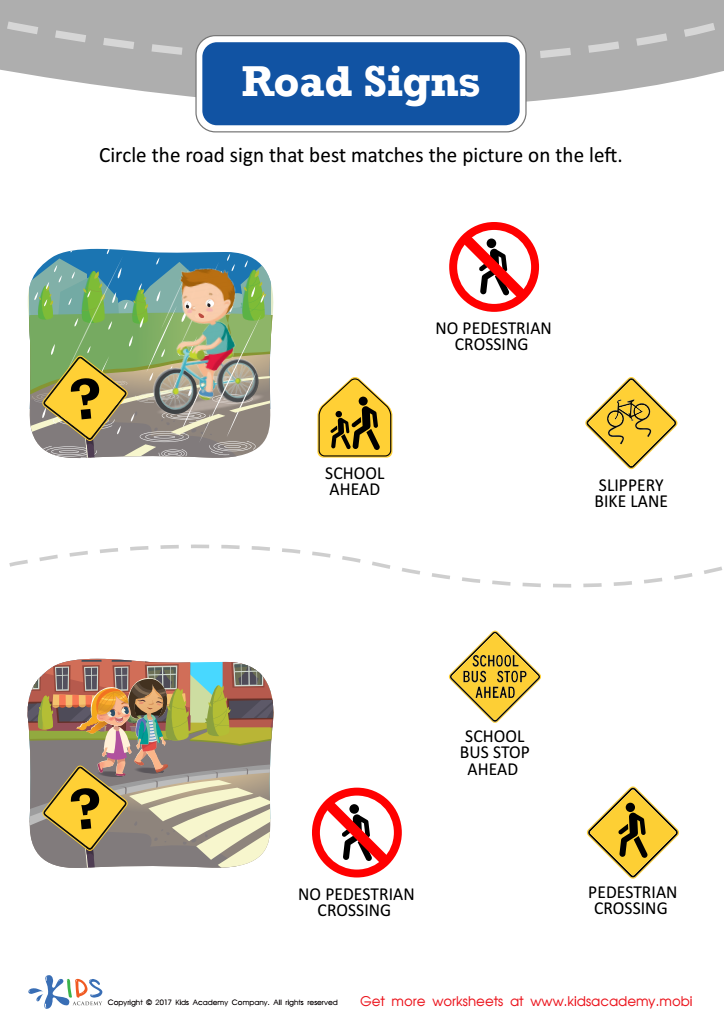
Road Signs (Part 2) Printable








Fostering a sense of community for children aged 4-8 is essential for their emotional, social, and intellectual development. During these formative years, children are forming their identities and learning to navigate relationships with others. A supportive community provides a safe and nurturing environment where children can express themselves, collaborate with peers, and learn the value of empathy, sharing, and cooperation.
Parents and teachers play a crucial role in cultivating this community. When they actively engage with each other and with children in shared activities, they model positive social interactions and relationships. This collaboration enhances consistency in values and expectations, helping children feel secure and understood. Involving children in community activities, such as group projects or local events, can promote teamwork, build confidence, and inspire a sense of belonging.
Moreover, a strong community can support learning and development by connecting families and educators. Sharing resources, experiences, and knowledge strengthens the network around the child, contributing to better educational outcomes and resilience. Ultimately, when parents and teachers prioritize building community, they help foster a generation of socially aware, emotionally balanced individuals ready to contribute positively to the world around them. Investing in community is investing in the future.