Letter recognition Writing Worksheets for Ages 4-8
5 filtered results
-
From - To
Boost children’s letter recognition and writing skills with our engaging worksheets, designed specifically for ages 4-8. These fun, interactive activities help young learners identify, trace, and write letters, laying a strong foundation for early literacy. Perfect for preschool, kindergarten, and early elementary students, our printables feature colorful illustrations and a variety of exercises that make learning enjoyable. Give your child the tools they need to master the alphabet and improve their handwriting with our expertly crafted worksheets. Visit Kids Academy for a comprehensive collection of resources to support your child's educational journey.
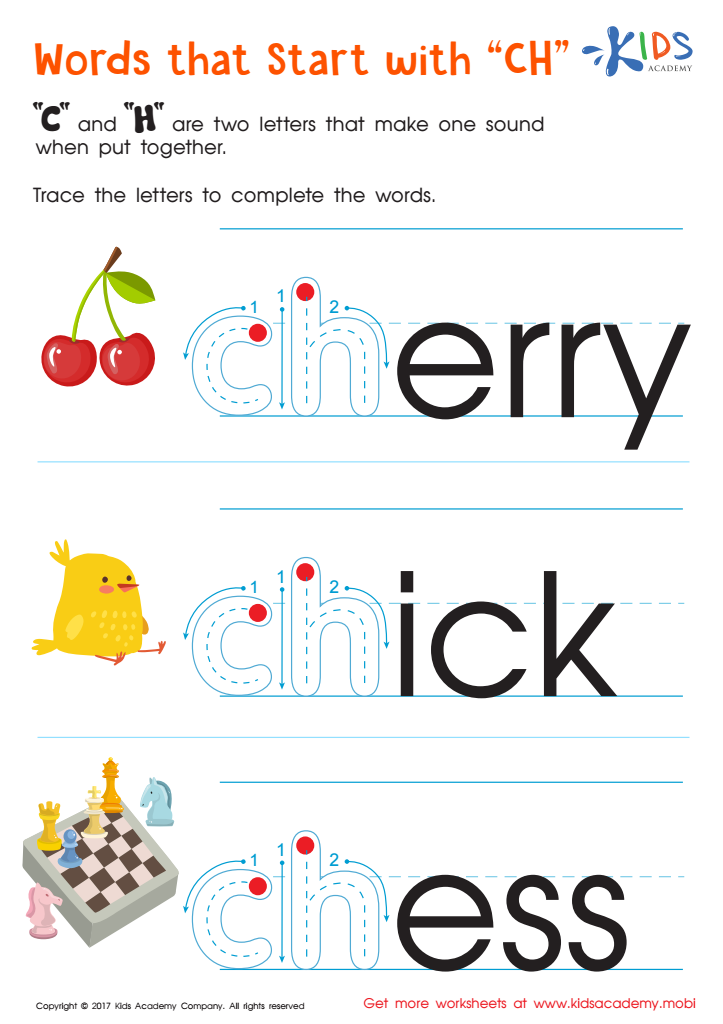
Words That Start with "ch" Spelling Worksheet
 Assign to My Students
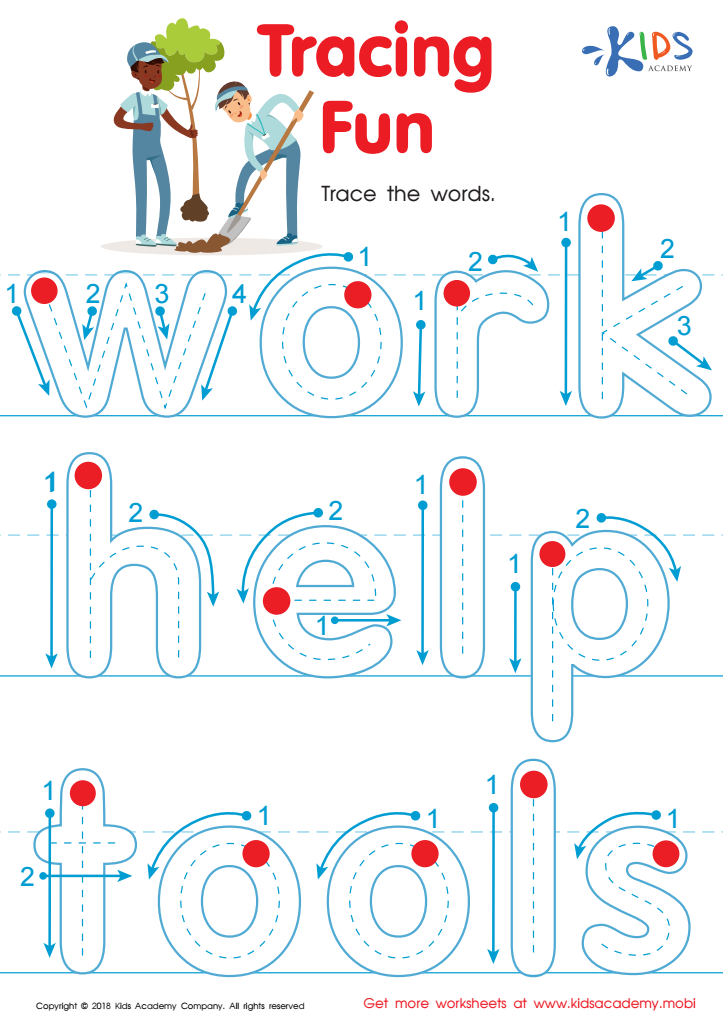
Tracing Fun Worksheet
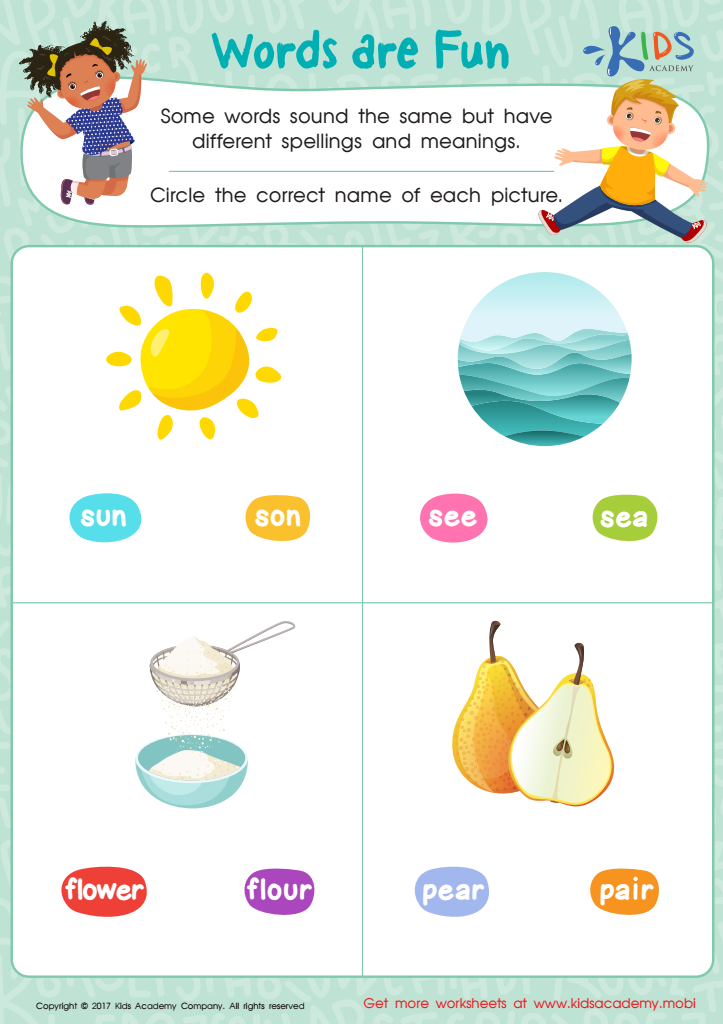
Words Are Fun Worksheet
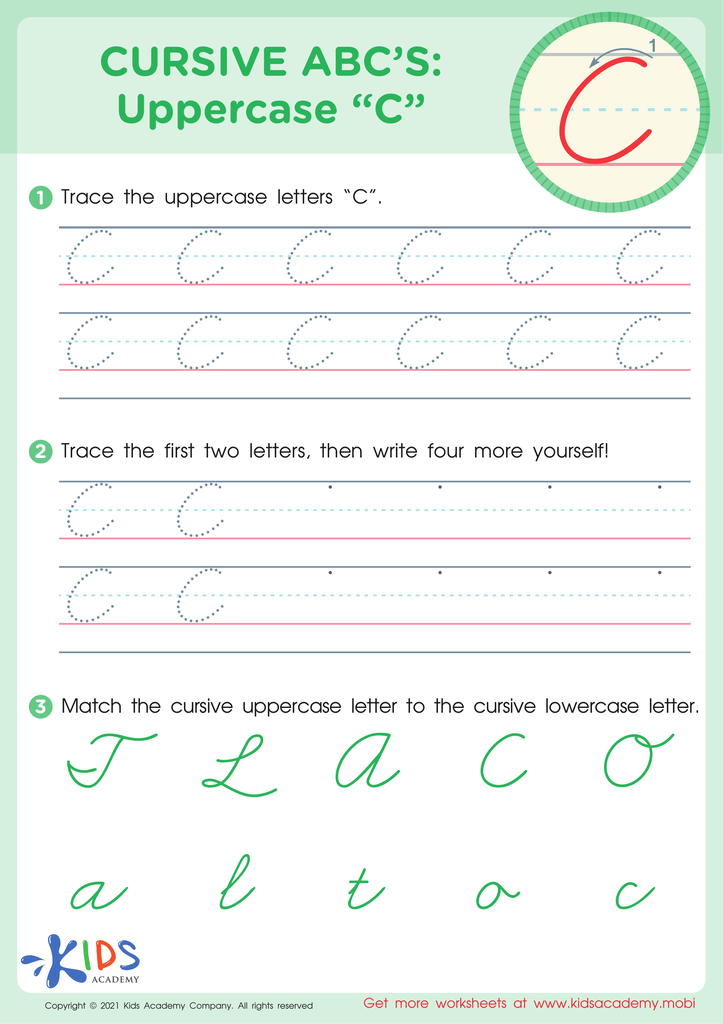
Cursive ABCs: Uppercase C
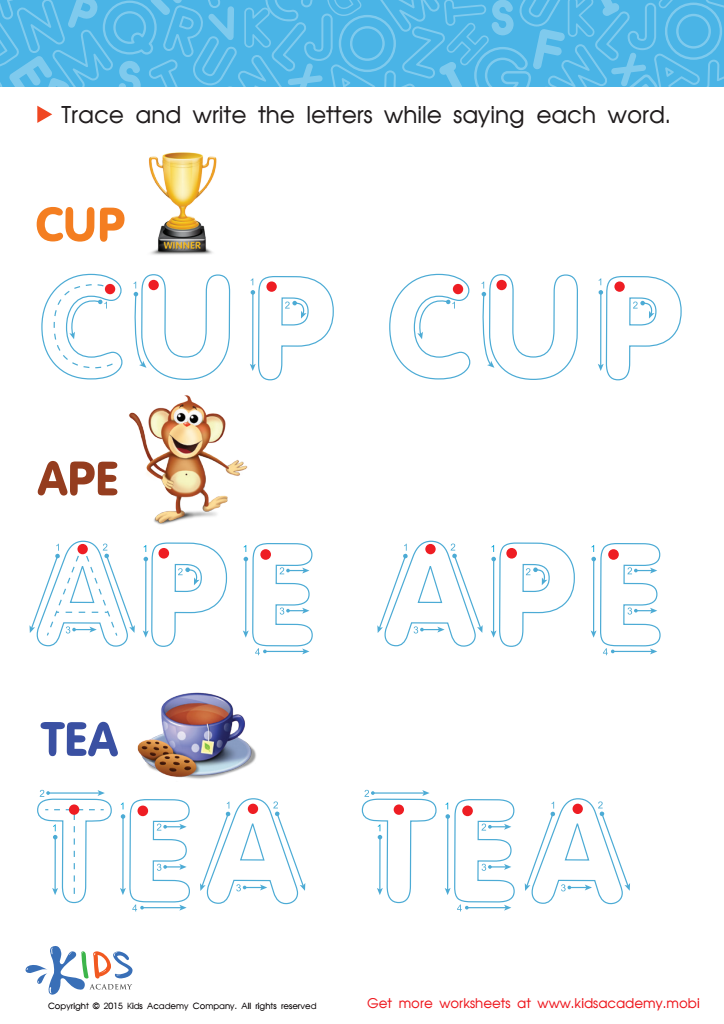
A Cup, an Ape and Tea Spelling Worksheet






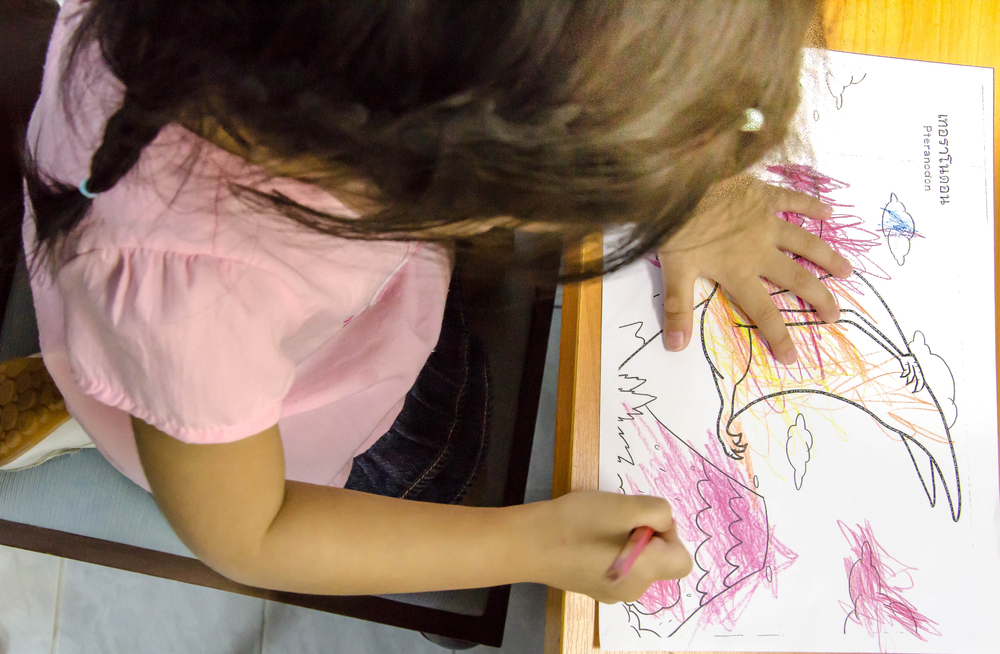

Letter recognition and writing are foundational skills for children aged 4-8, playing a crucial role in their overall literacy development. When parents and teachers prioritize these skills, they lay down the groundwork for future academic success and cognitive growth.
Letter recognition helps young learners differentiate between various letters and understand the relationship between letters and sounds, a key component of phonics. This understanding enables children to decode words, facilitating smoother and more confident reading experiences. For instance, recognizing the letter "B" and associating it with the /b/ sound allows a child to start reading simple words like "bat" or "ball."
Writing, on the other hand, reinforces letter recognition by giving children hands-on practice with letter shapes and forms. As they learn to write, children develop fine motor skills and hand-eye coordination, contributing to improved dexterity and better overall academic readiness. Writing letters also enhances memory retention, as the kinesthetic action of forming each letter imprints its shape and sound more firmly in a child's mind.
Moreover, early proficiency in these skills boosts self-esteem and fosters a positive attitude towards learning. Children who can readily recognize and write letters feel more confident participating in reading and writing activities, promoting an enduring love of literacy that will support lifelong learning. Therefore, parents and teachers should actively support letter recognition and writing practices to ensure a strong educational foundation.








