Alphabet Recognition Alphabet Worksheets for Ages 4-9 - Page 2
71 filtered results
-
From - To
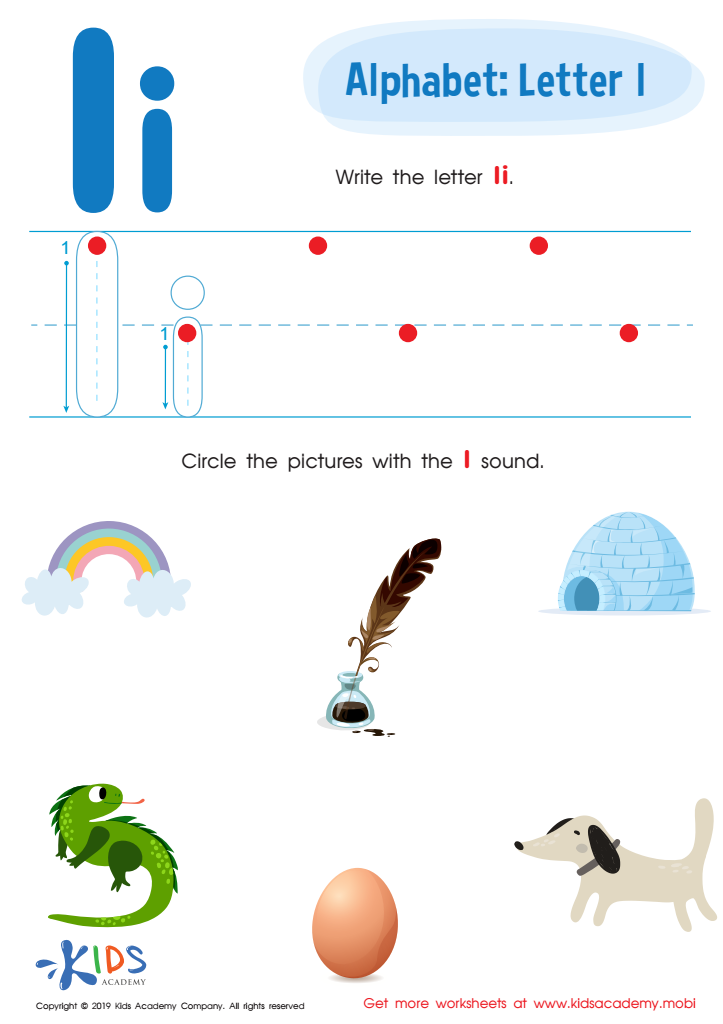
Letter I Tracing Worksheet
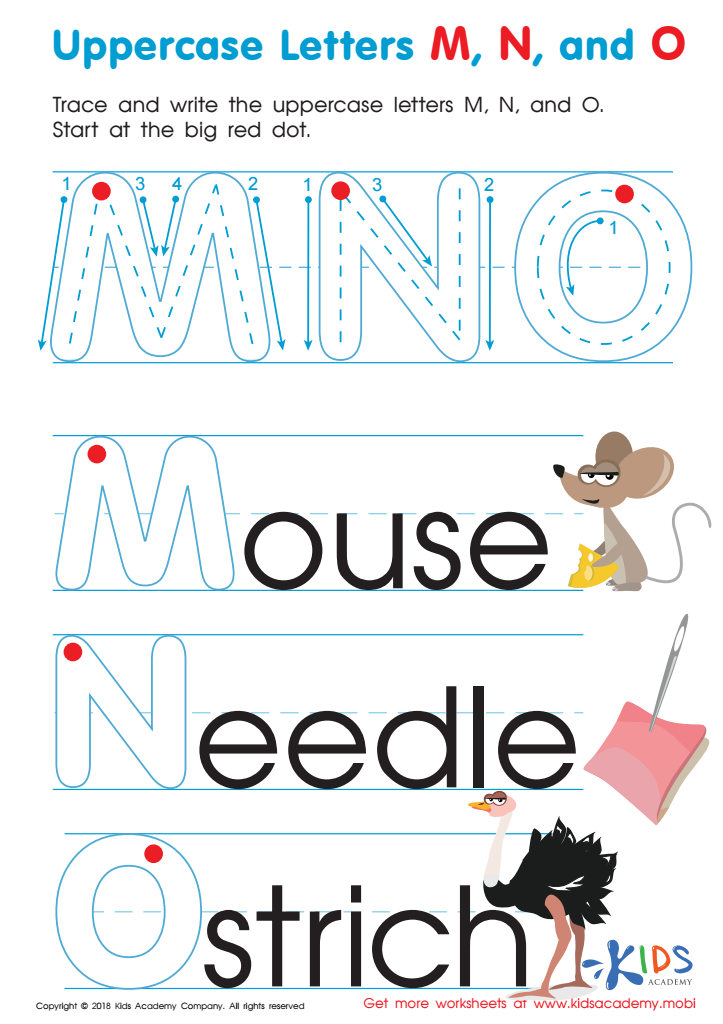
Uppercase Letters M, N, and O Worksheet
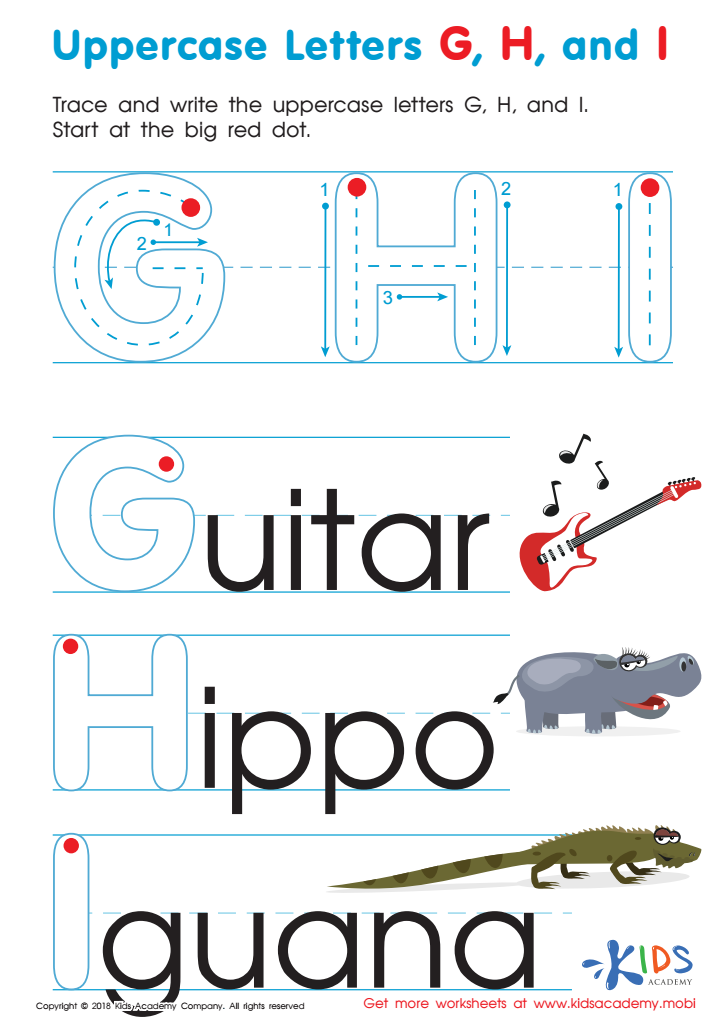
Uppercase Letters G, H, and I Worksheet
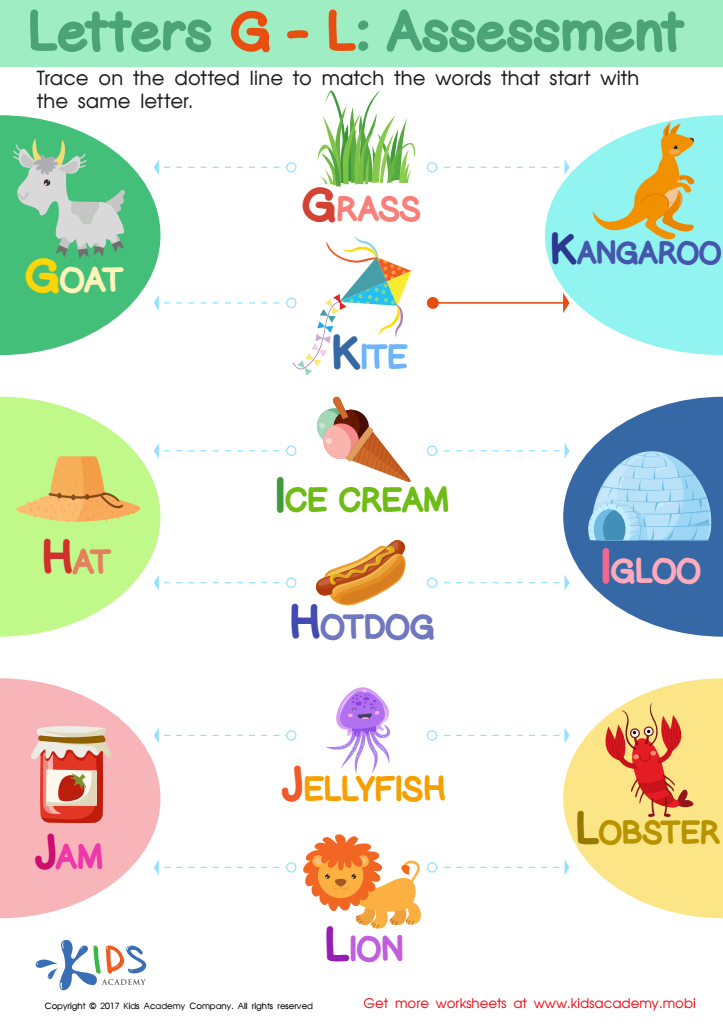
Letters G-L Worksheet
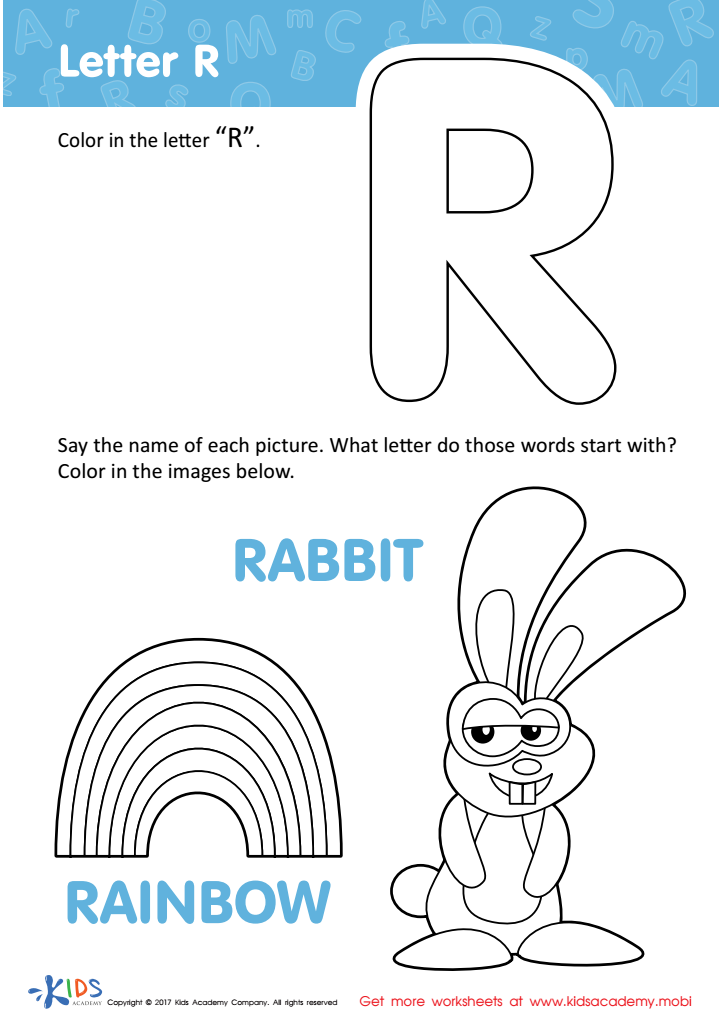
Letter R Coloring Sheet
 Assign to My Students
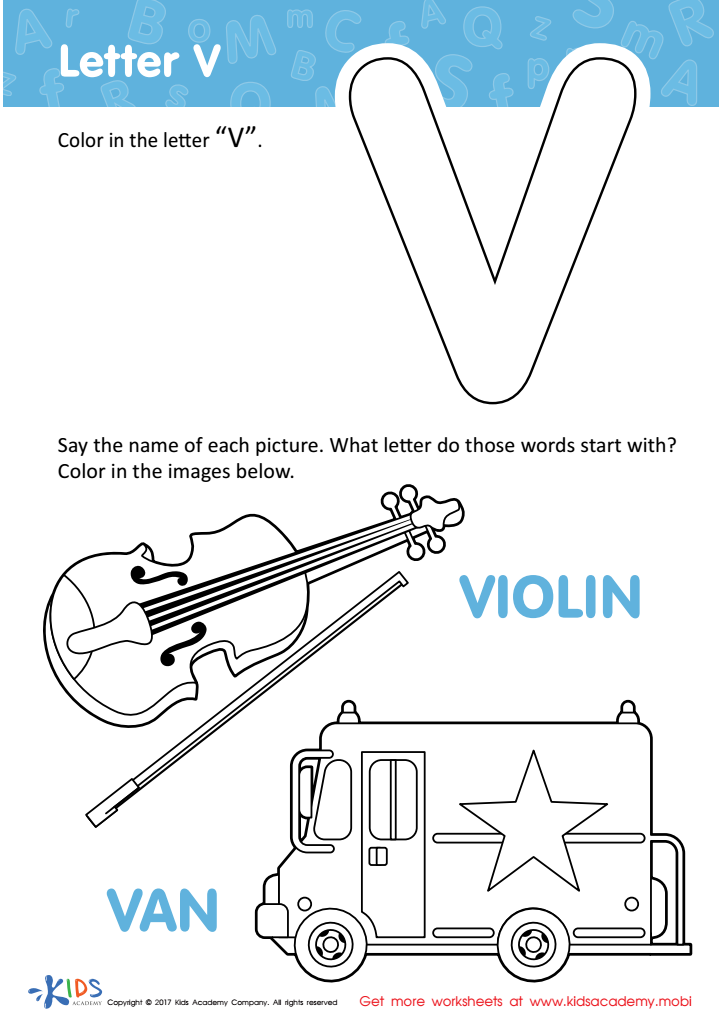
Letter V Coloring Sheet
Assign to My Students
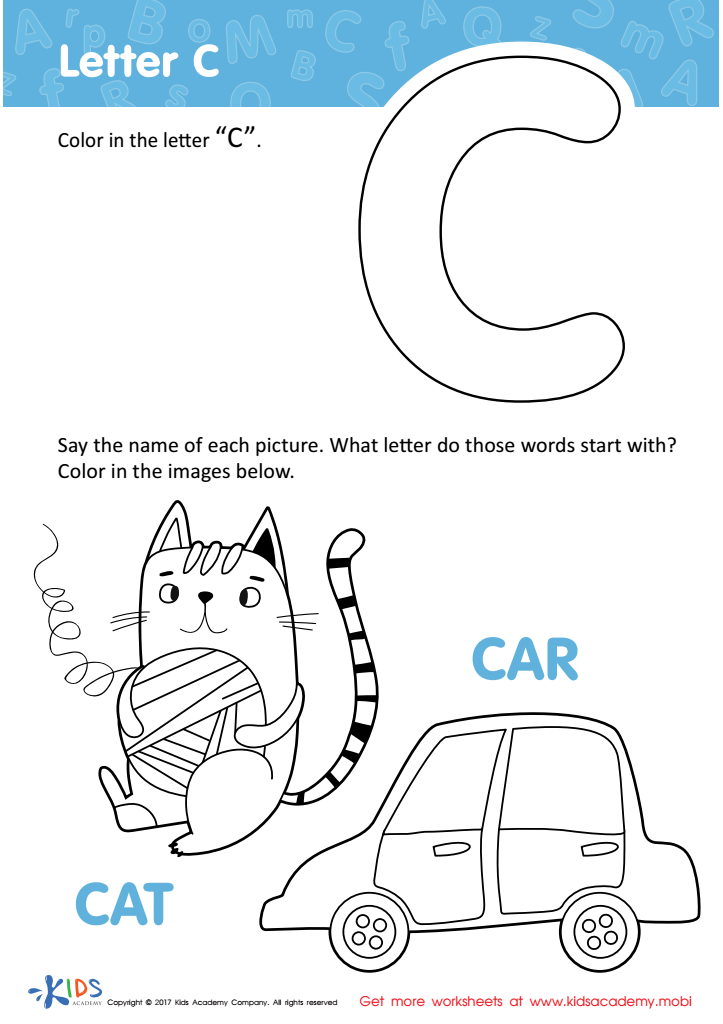
Letter C Coloring Sheet
Assign to My Students
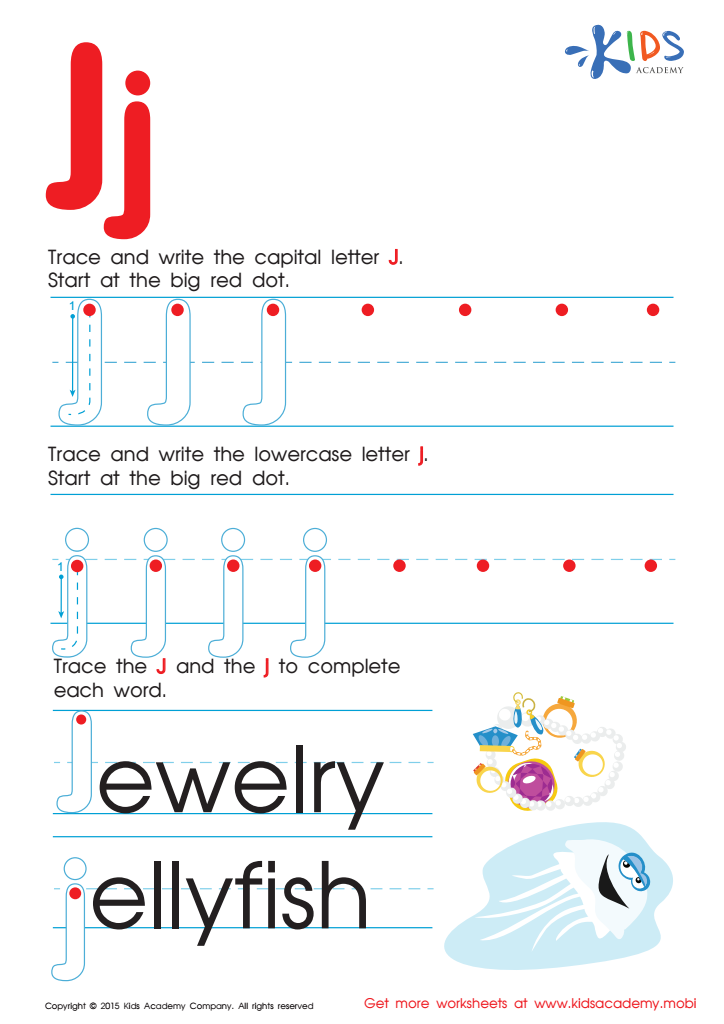
Letter J Tracing Page
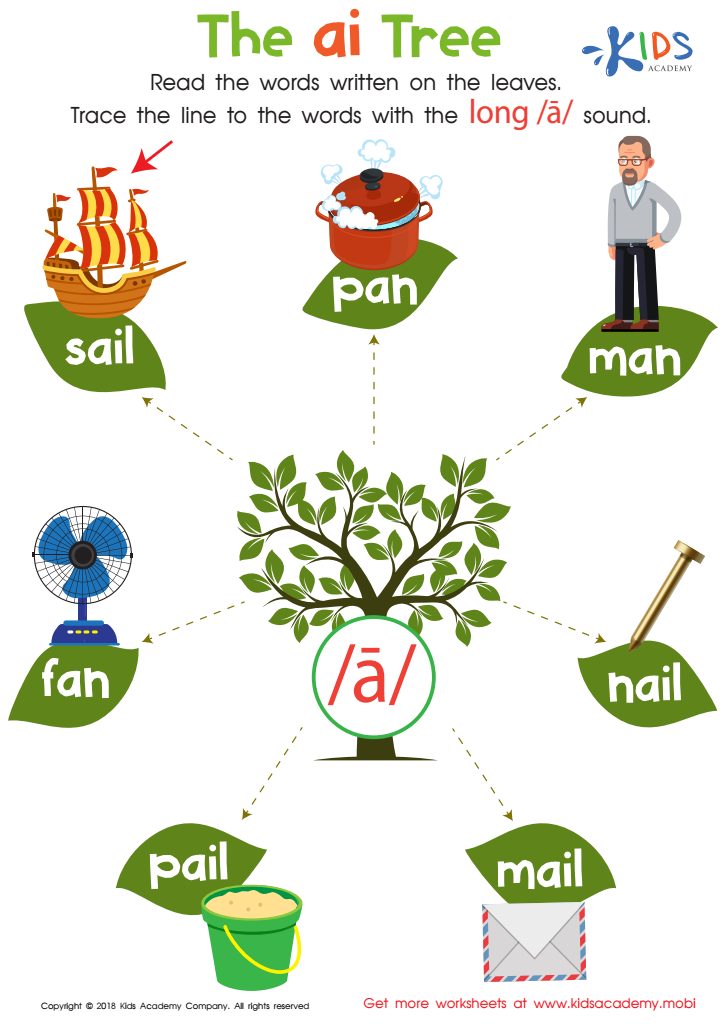
The AI Tree Worksheet
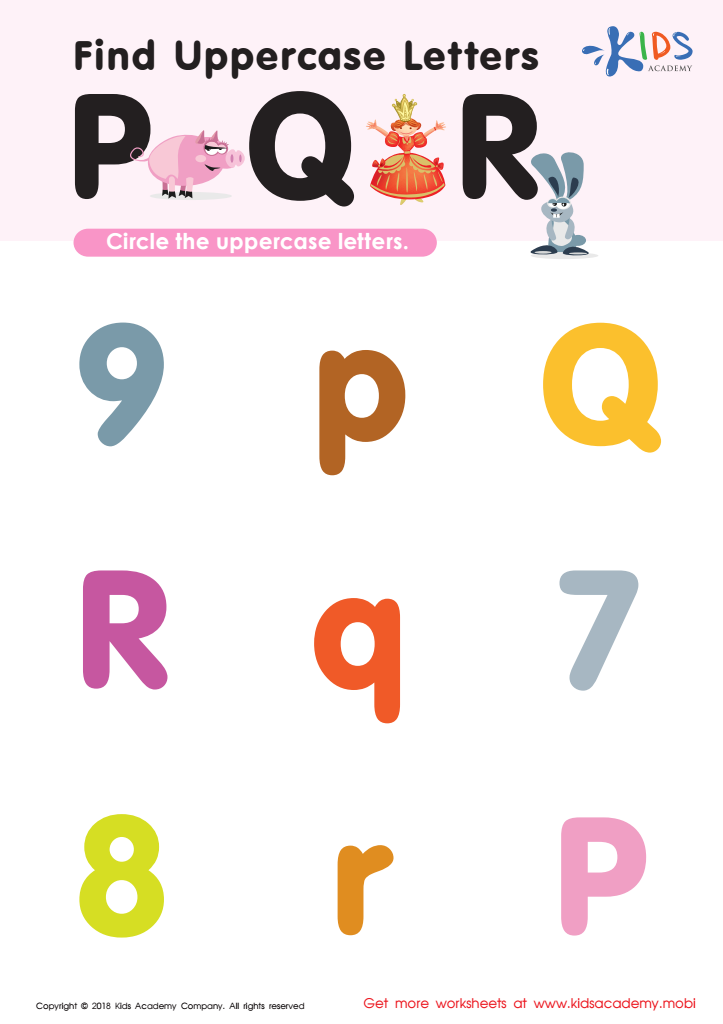
Find Uppercase Letters P, Q, and R Worksheet
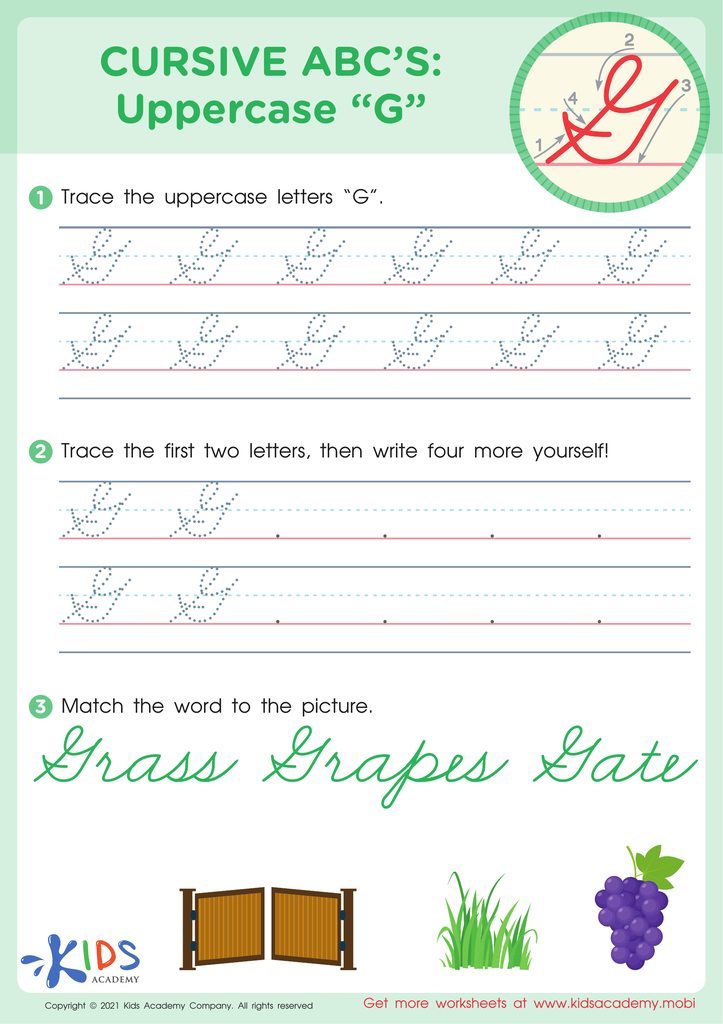
Cursive ABCs: Uppercase G
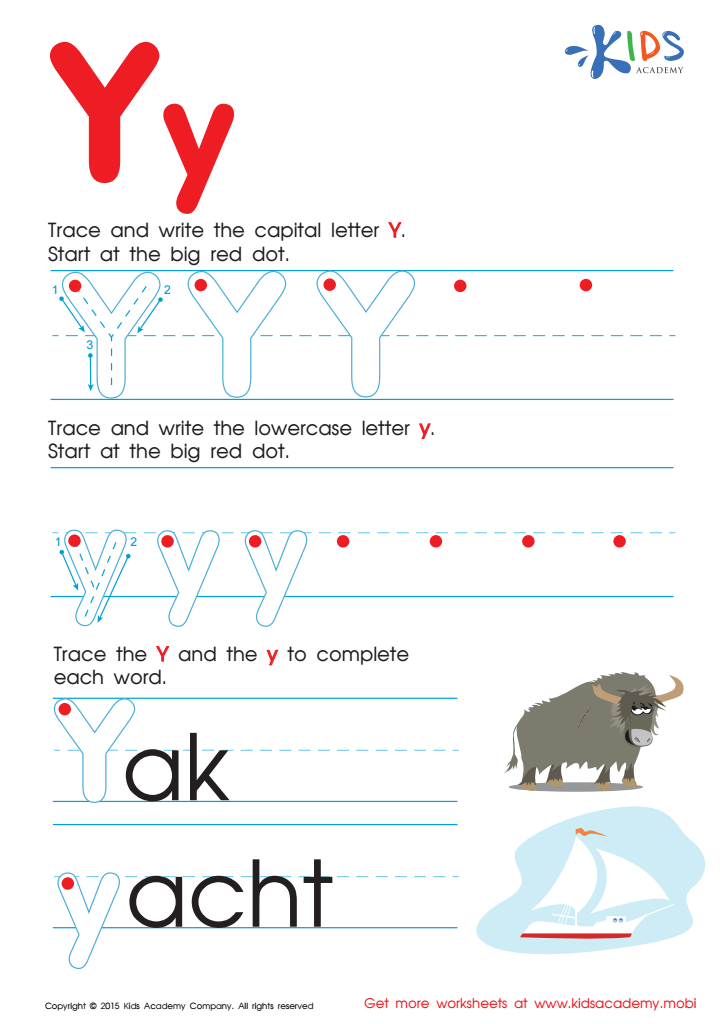
Letter Y Tracing Page
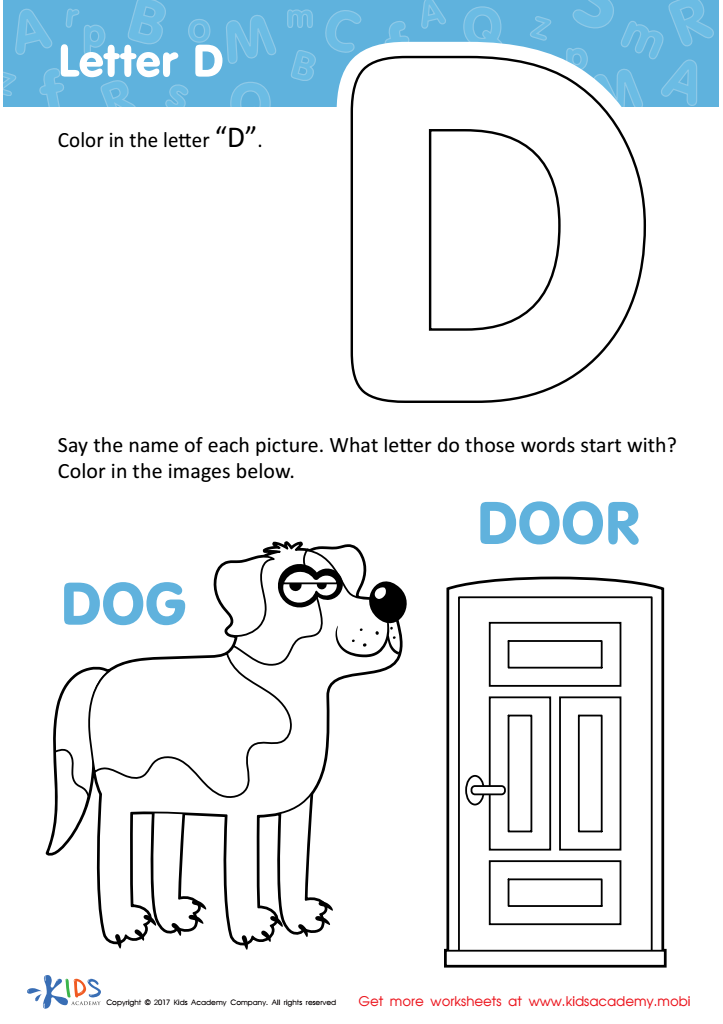
Letter D Coloring Sheet
Assign to My Students
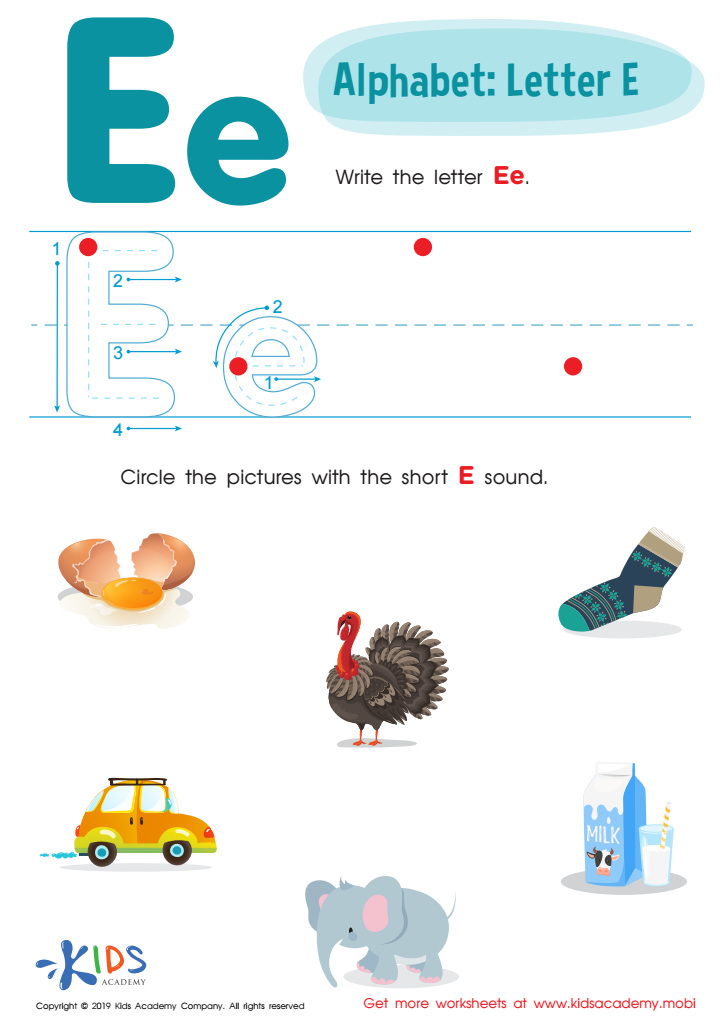
Letter E Tracing Worksheet
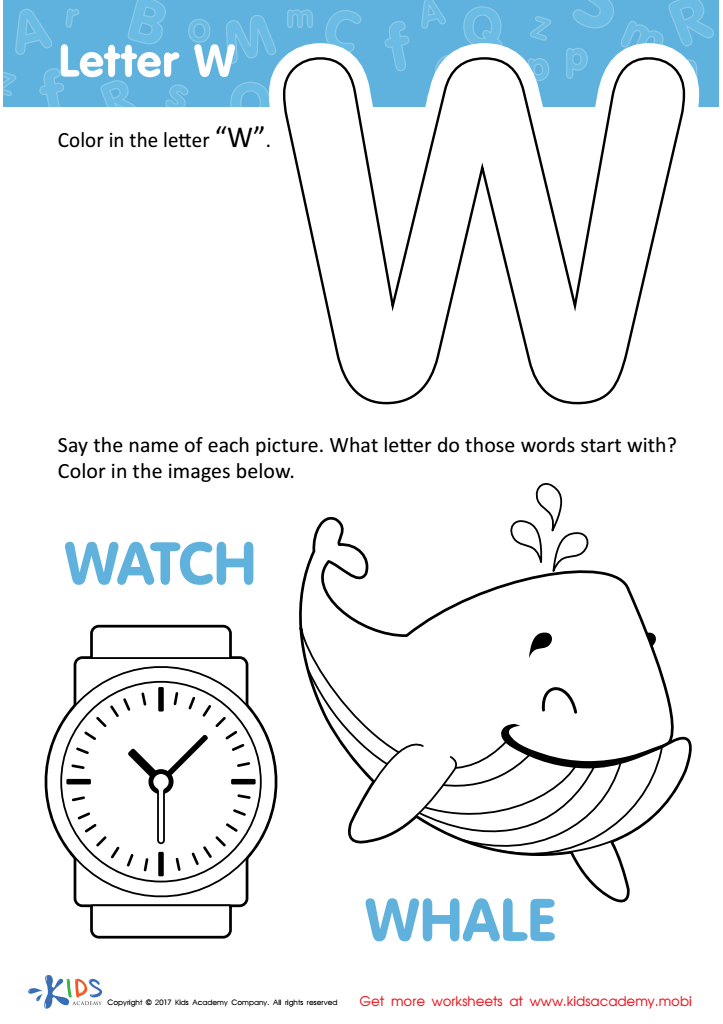
Letter W Coloring Sheet
Assign to My Students
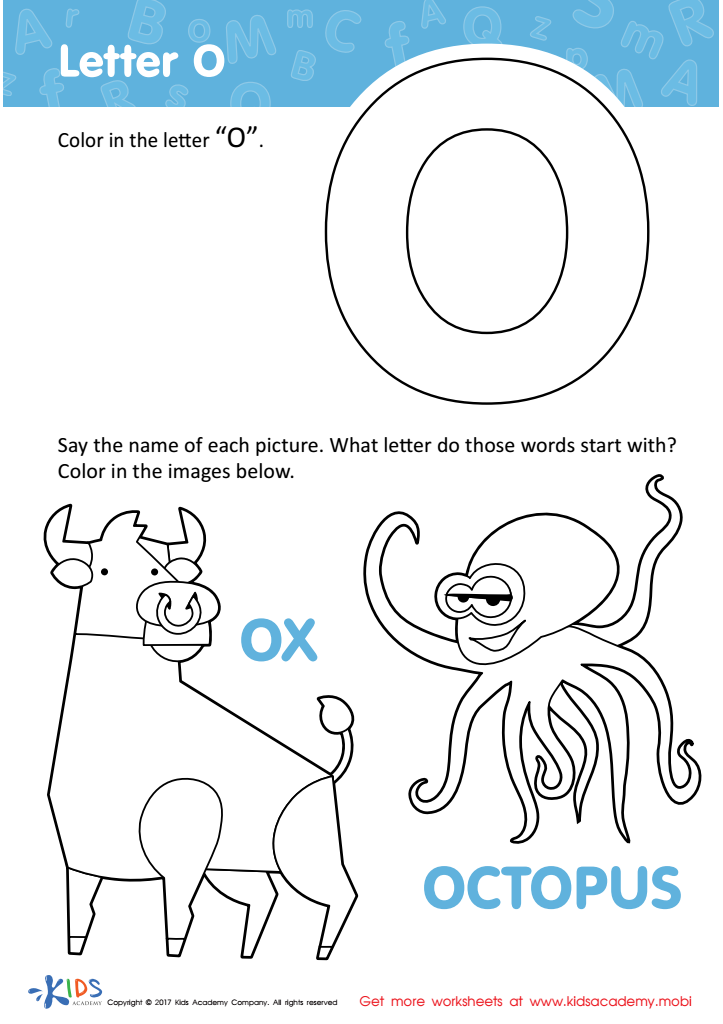
Letter O Coloring Sheet
Assign to My Students
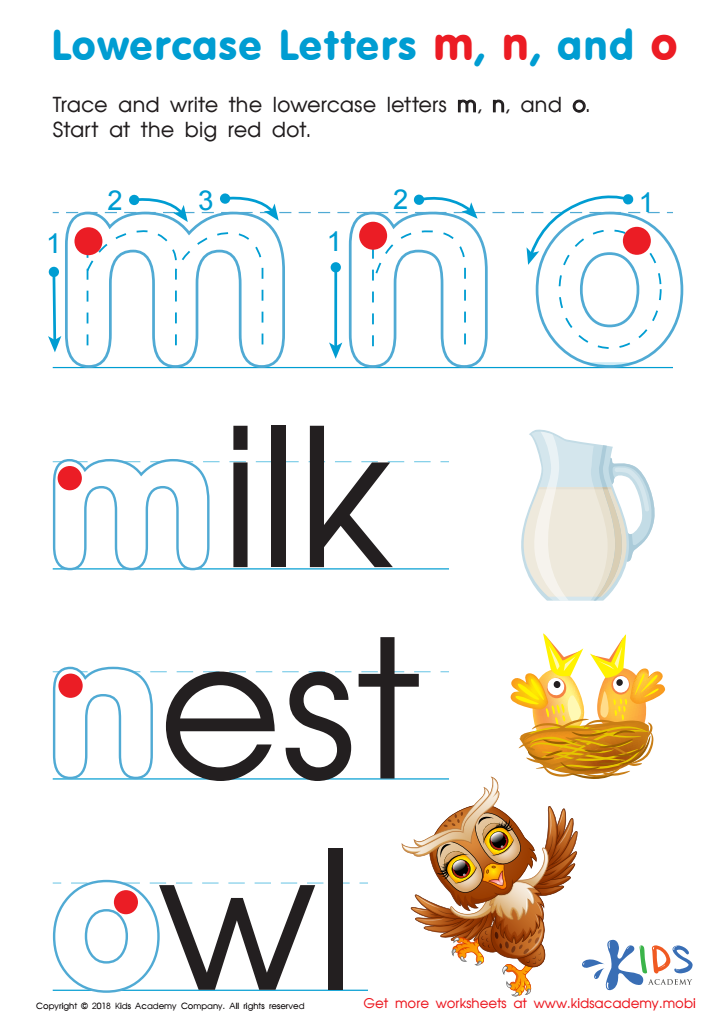
Lowercase Letters m n o Worksheet
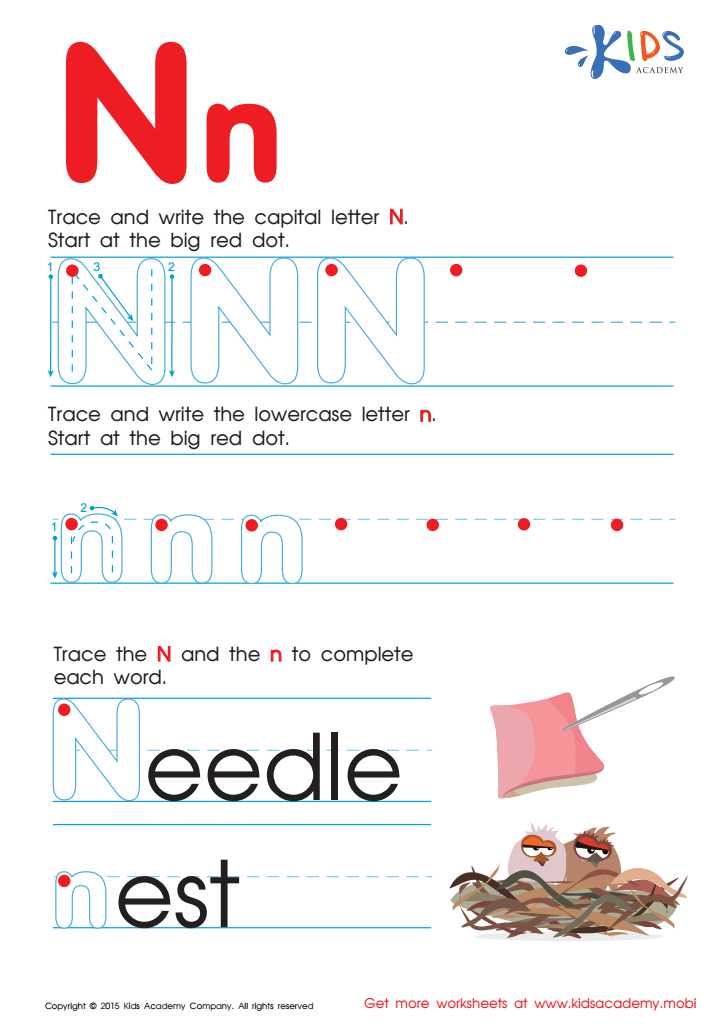
Letter N Tracing Page

Letter B Tracing Page
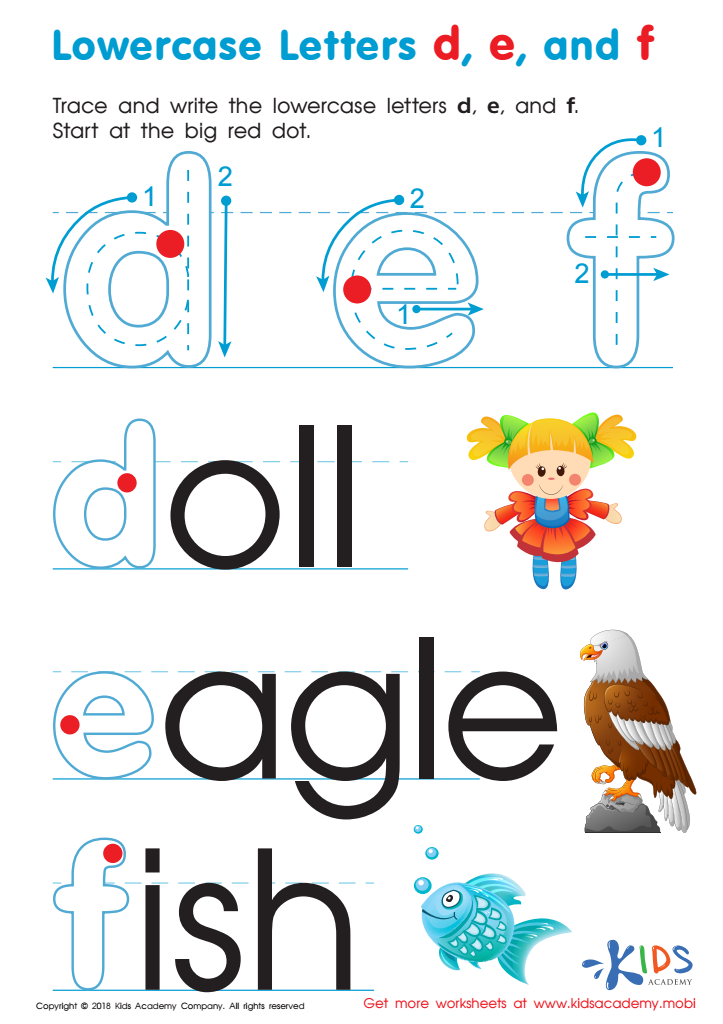
Lowercase Letters d e f Worksheet
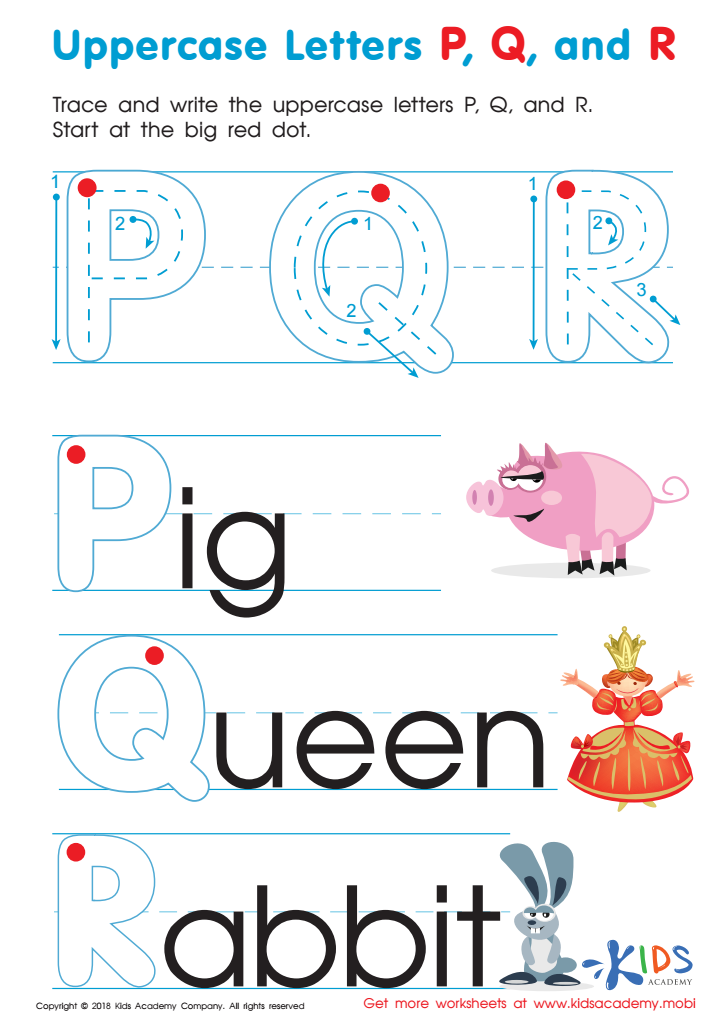
Uppercase Letters P, Q, and R Worksheet
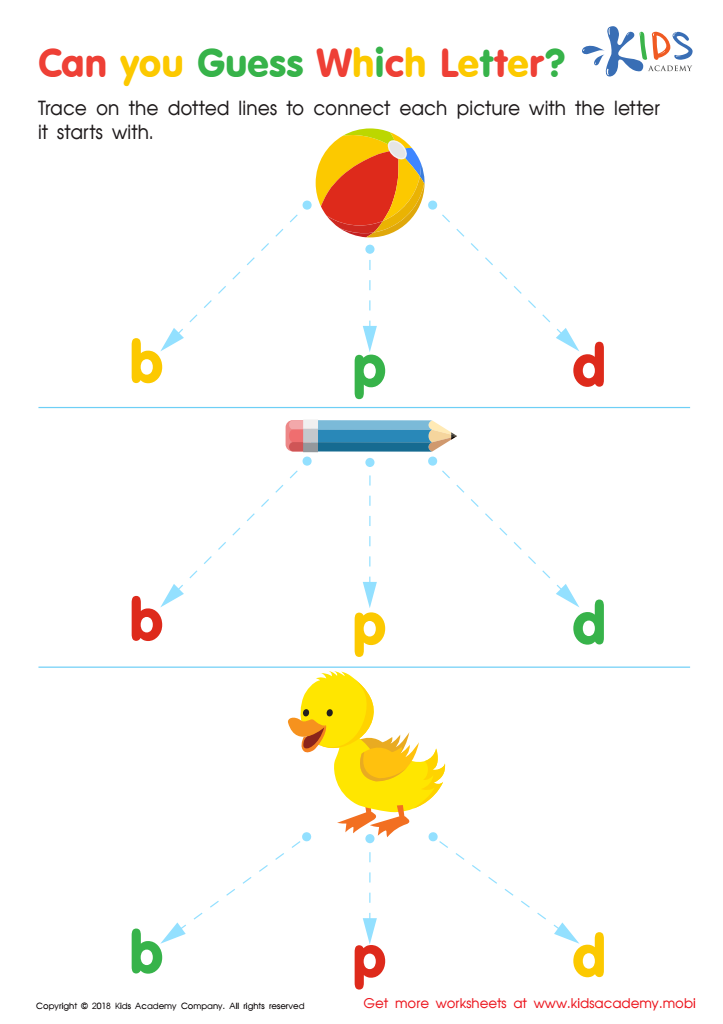
Can you Guess Which Letter? Worksheet
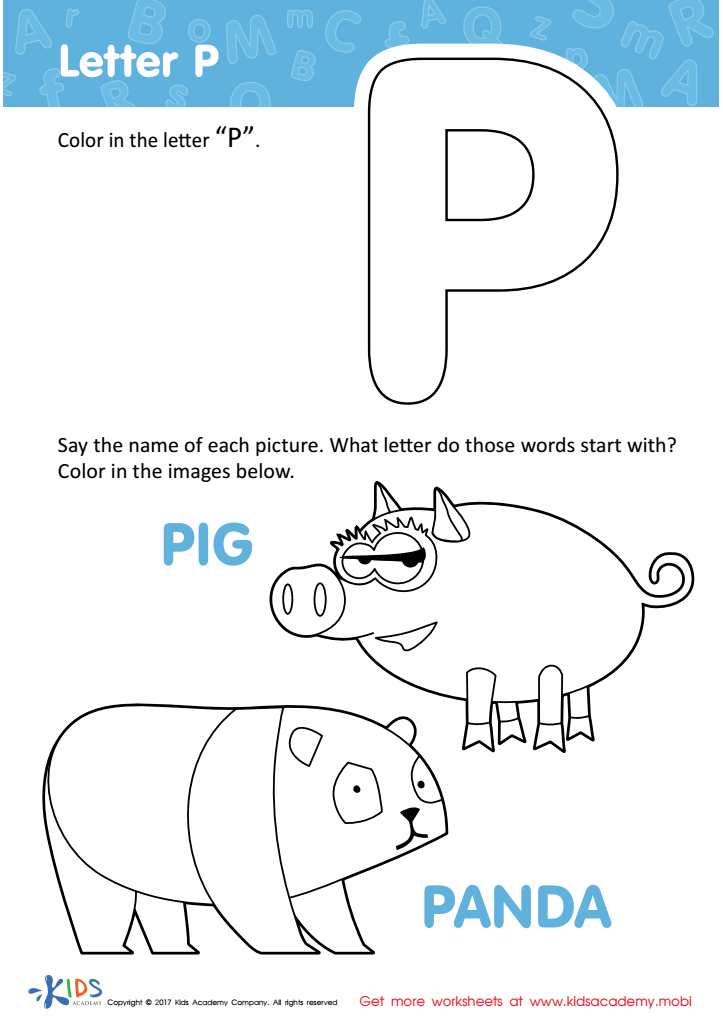
Letter P Coloring Sheet
Assign to My Students

Letter E Tracing Page






Alphabet recognition is a foundational skill critical for early literacy development in children ages 4-9. Parents and teachers should prioritize this skill because it serves as the building block for reading, writing, and overall communication abilities. When children can identify and understand letters, they are better equipped to decode words, a crucial step in developing strong reading skills. Early mastery of the alphabet also boosts a child's confidence, making them more enthusiastic about learning and participating in classroom activities.
Moreover, alphabet recognition is closely linked to phonemic awareness, which involves recognizing and manipulating the sounds within words. By knowing the alphabet, children can connect letters to their corresponding sounds, aiding in the development of spelling and vocabulary.
For parents, encouraging alphabet recognition through playful and engaging activities enriches the bonding experience and lays a solid educational foundation. For teachers, focusing on this skill allows for targeted instruction that meets curriculum standards and prepares students for more advanced literacy tasks. Ultimately, investing time and effort in alphabet recognition during the critical ages of 4-9 can significantly impact a child's academic trajectory and love for learning. This foundational skill not only supports literacy but opens doors to lifelong opportunities.







