Fine Motor Skills Alphabet Worksheets for Ages 4-9 - Page 4
85 filtered results
-
From - To
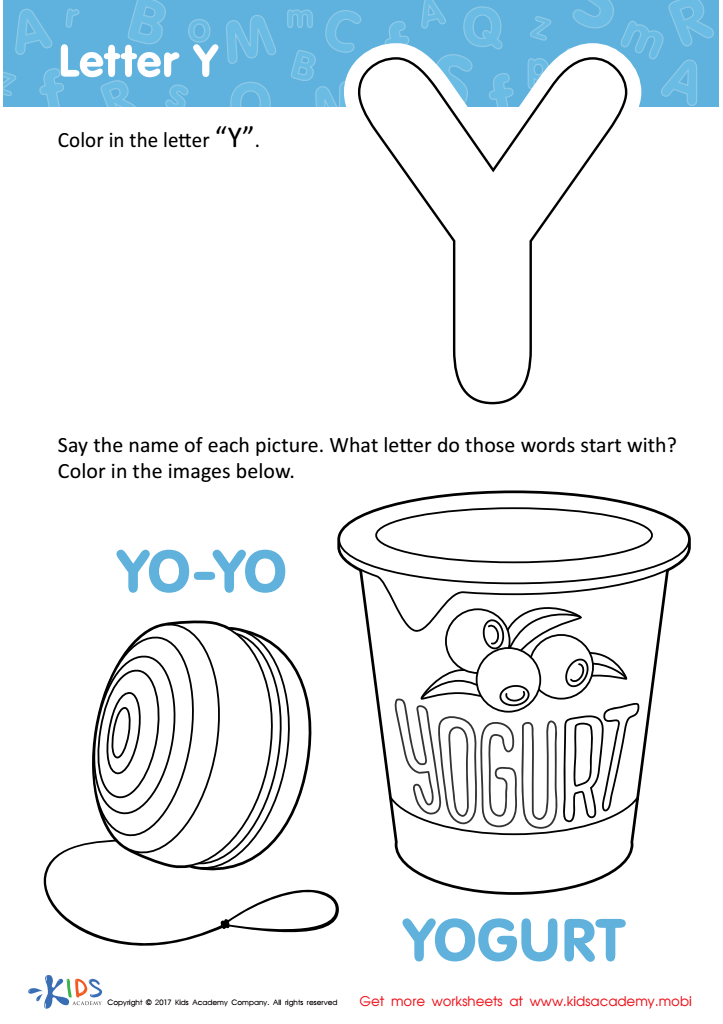
Letter Y Coloring Sheet
 Assign to My Students
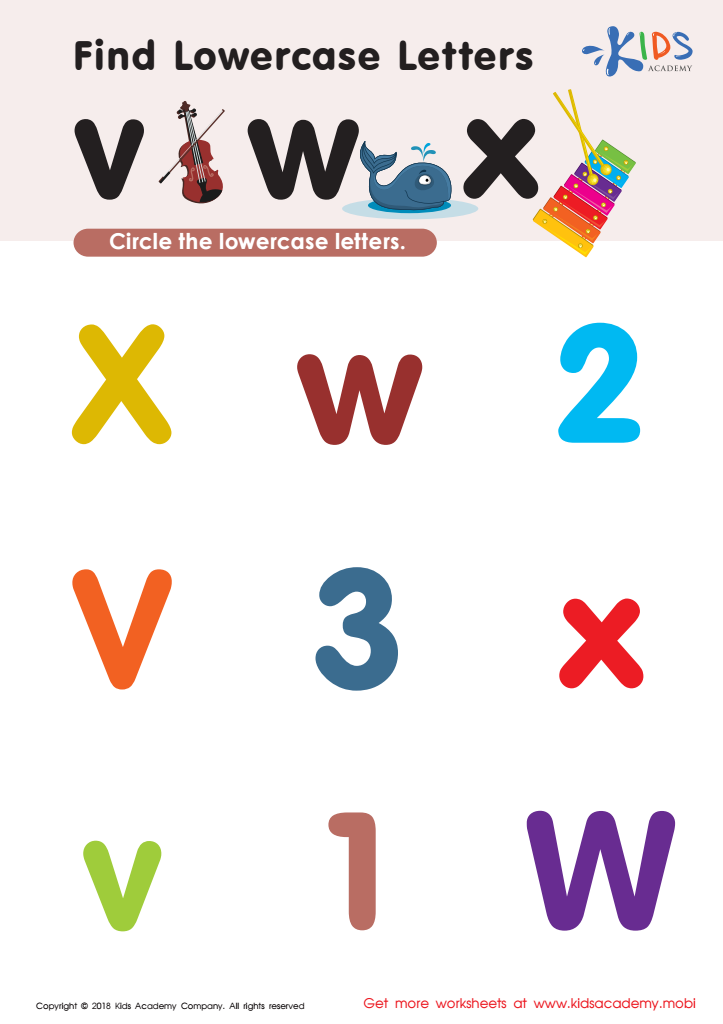
Find Lowercase Letters v w x Worksheet

Letter F Tracing Page

Uppercase Letters Y Z Worksheet

Letter F Coloring Sheet
Assign to My Students
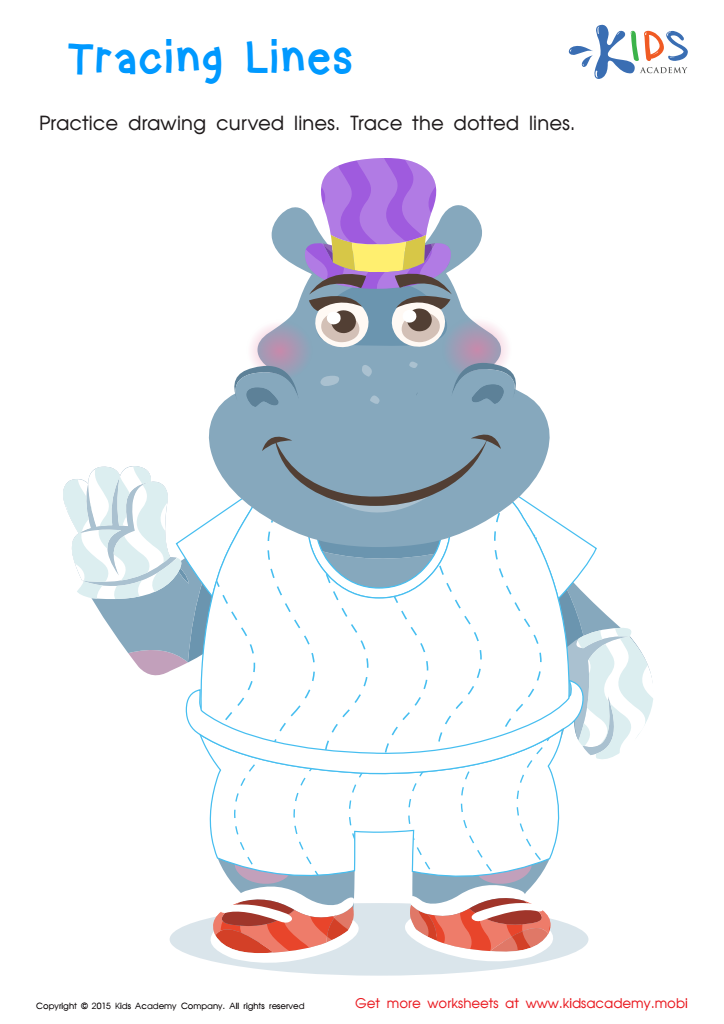
Tracing Lines Worksheet
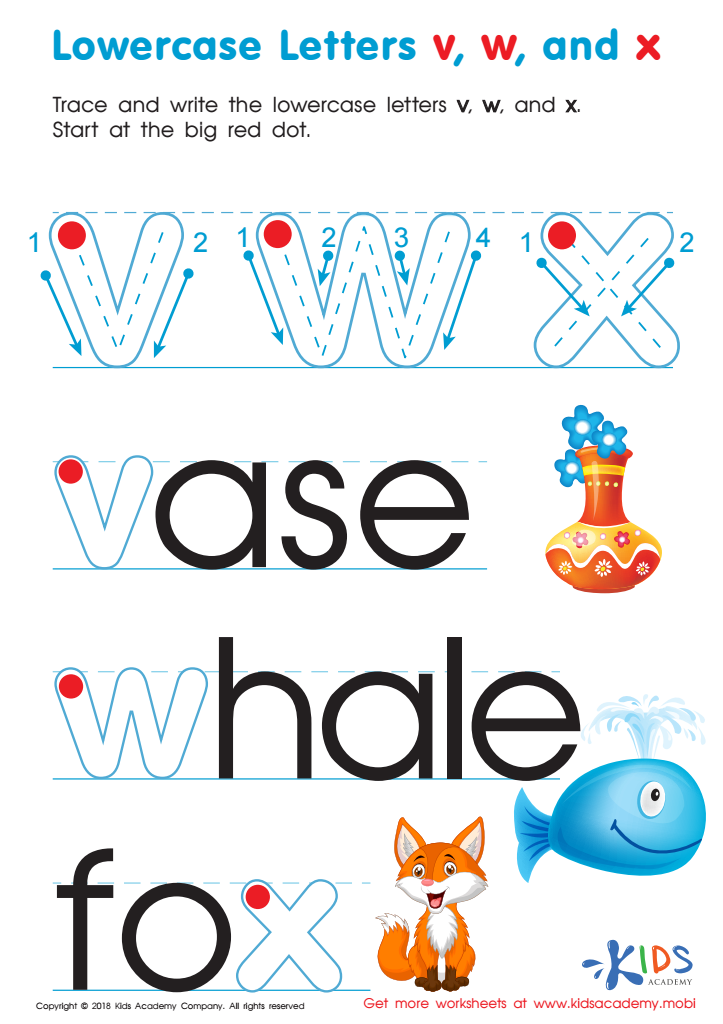
Lowercase Letters v w x Worksheet
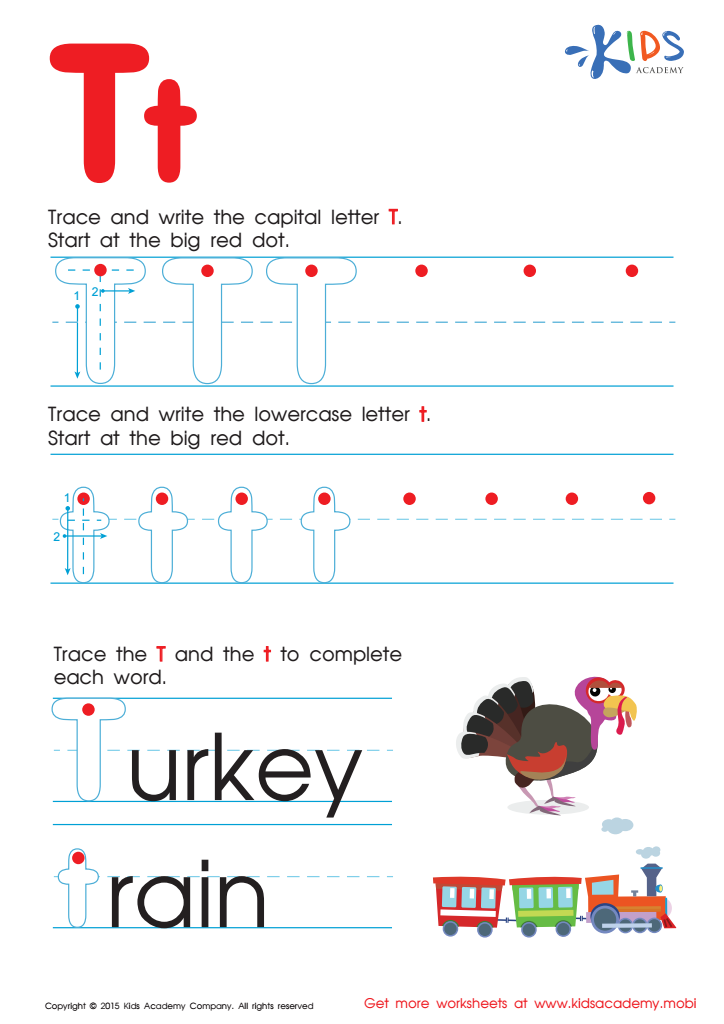
Letter T Tracing Page

Letter N Coloring Sheet
Assign to My Students
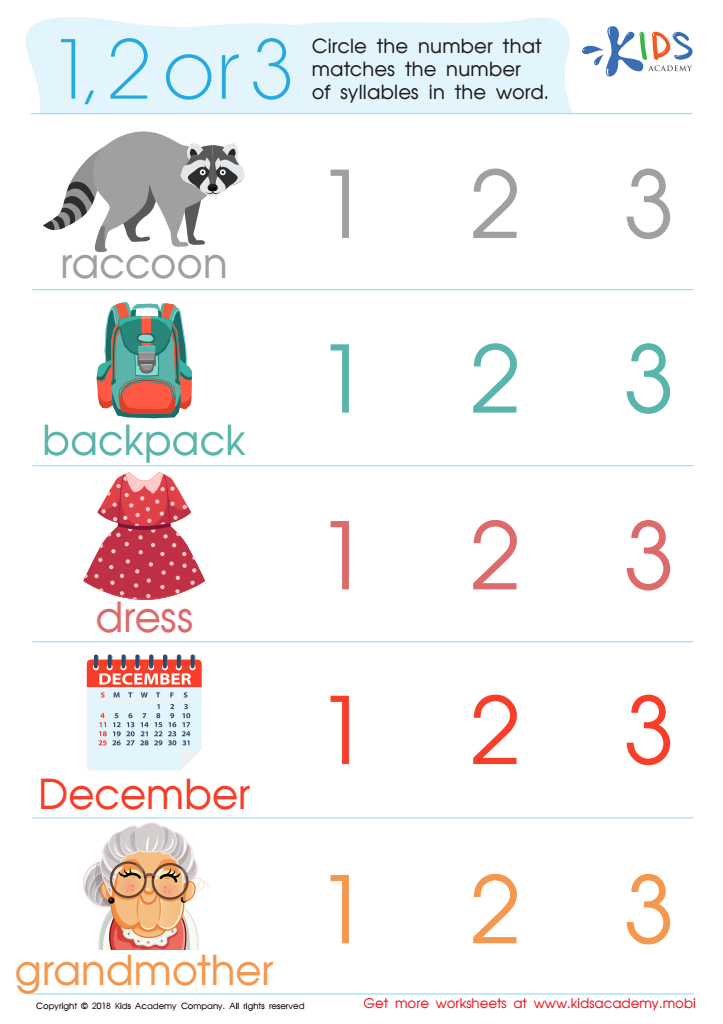
1, 2 or 3? Worksheet

Letter D Tracing Page
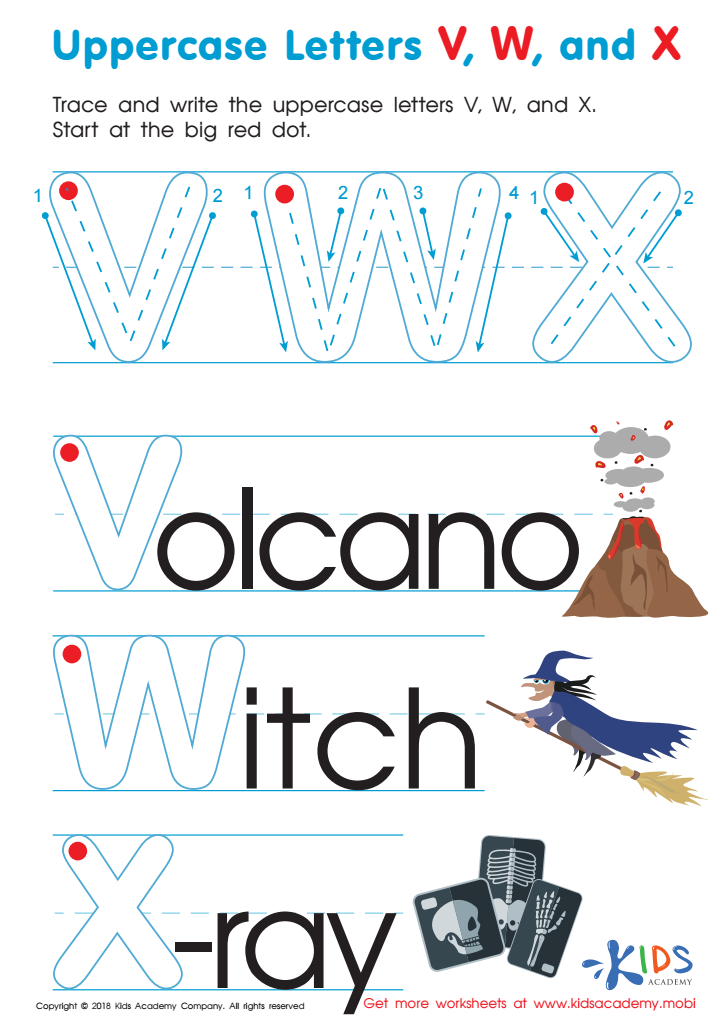
Uppercase Letters V, W, and X Worksheet
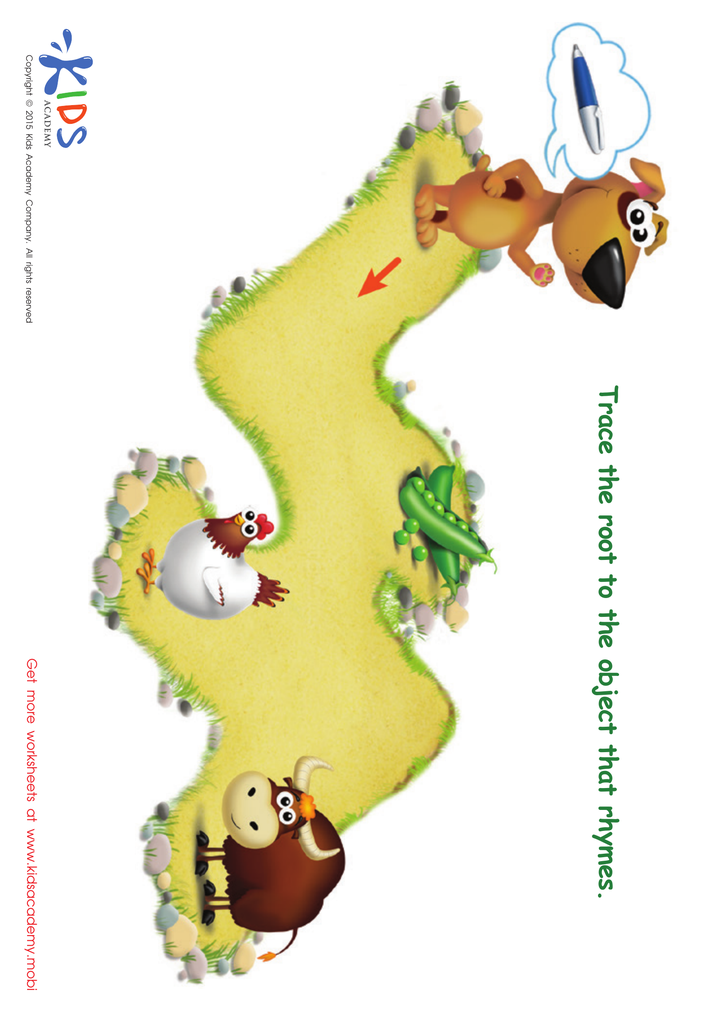
Pen Rhyming Words Worksheet








Fine motor skills are essential for children aged 4-9 as they play a crucial role in their ability to perform everyday tasks, boost academic success, and support overall development. For parents and teachers, recognizing the importance of these skills is vital for fostering independence and confidence in young learners.
The Fine Motor Skills Alphabet focuses on key activities that develop hand-eye coordination, dexterity, and control. By engaging in tasks such as cutting, drawing, and manipulating objects, children enhance their ability to write, use scissors, and complete puzzles—skills that are foundational for school readiness. Mastery of these skills also paves the way for more advanced literacy and numeracy skills as children progress in their education.
Additionally, fine motor skills play a role in socialization and creative expression. Children often communicate their thoughts and ideas through art and collaborative projects, further enriching their learning experience. Supporting the development of fine motor skills can lead to improved academic performance and can help reduce frustration in tasks requiring precision, ultimately contributing to a happier, more successful school experience. Parents and teachers should prioritize these skills to prepare children not only for school but for life beyond the classroom.







