Fine Motor Skills Letter Recognition Worksheets for Ages 4-9 - Page 2
63 filtered results
-
From - To
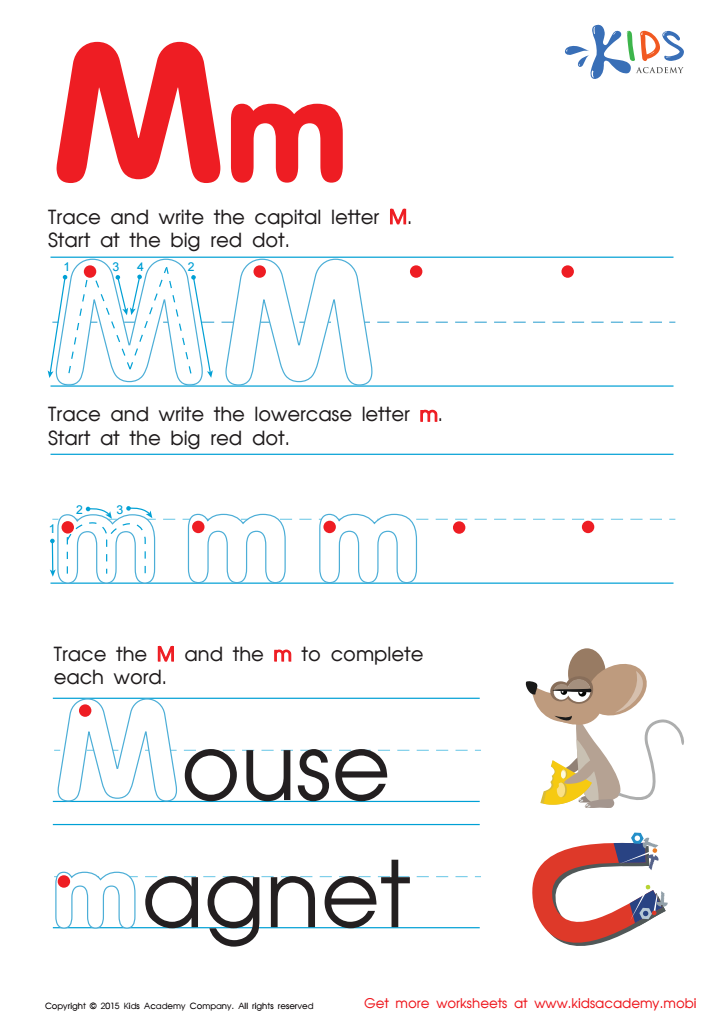
Letter M Tracing Page
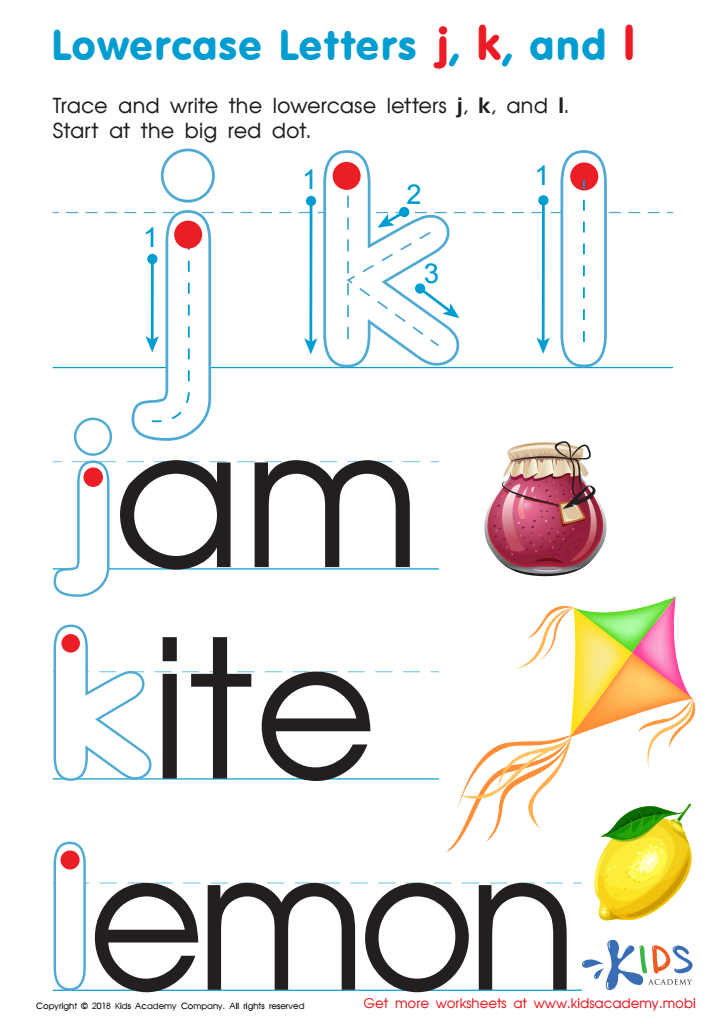
Lowercase Letters j k l Worksheet
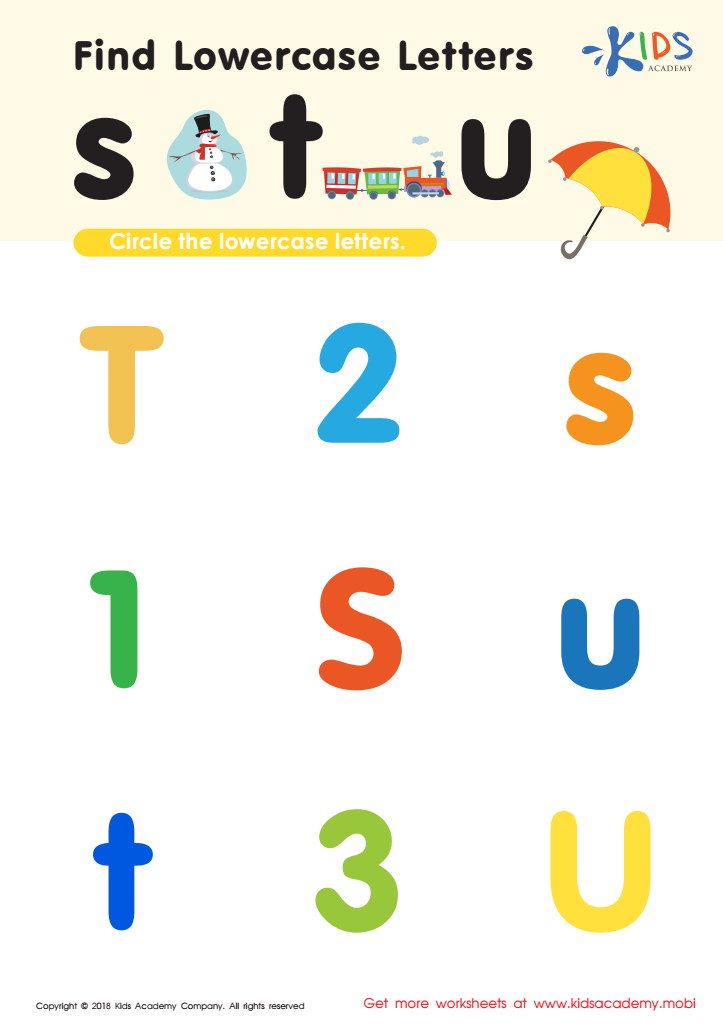
Find lowercase Letters s t u Worksheet
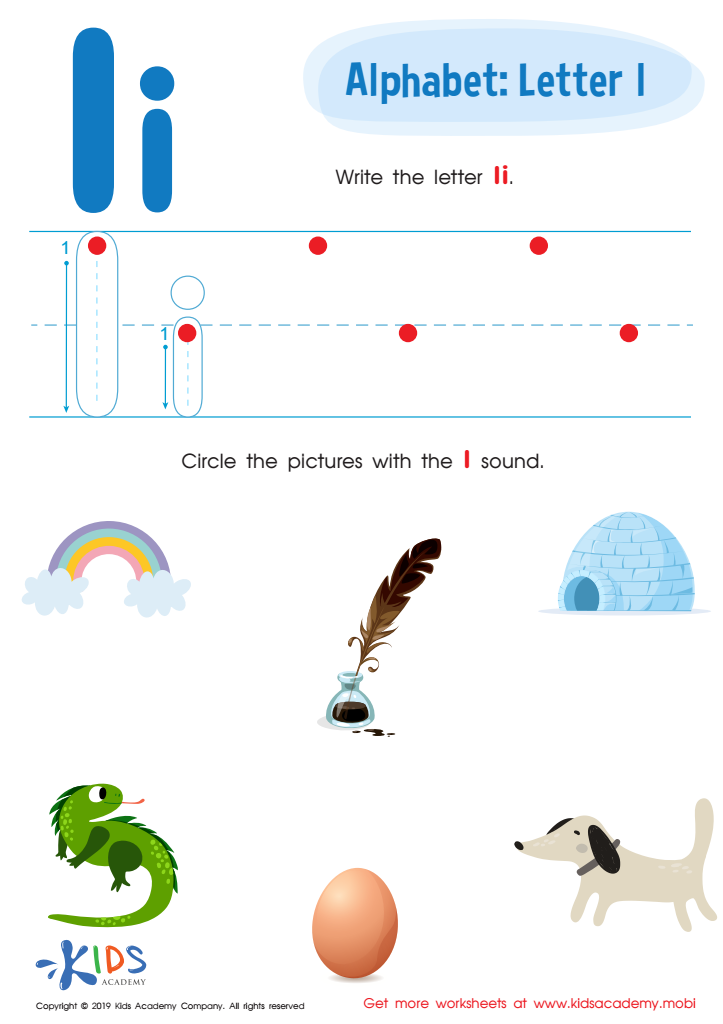
Letter I Tracing Worksheet

Letter G Tracing Page
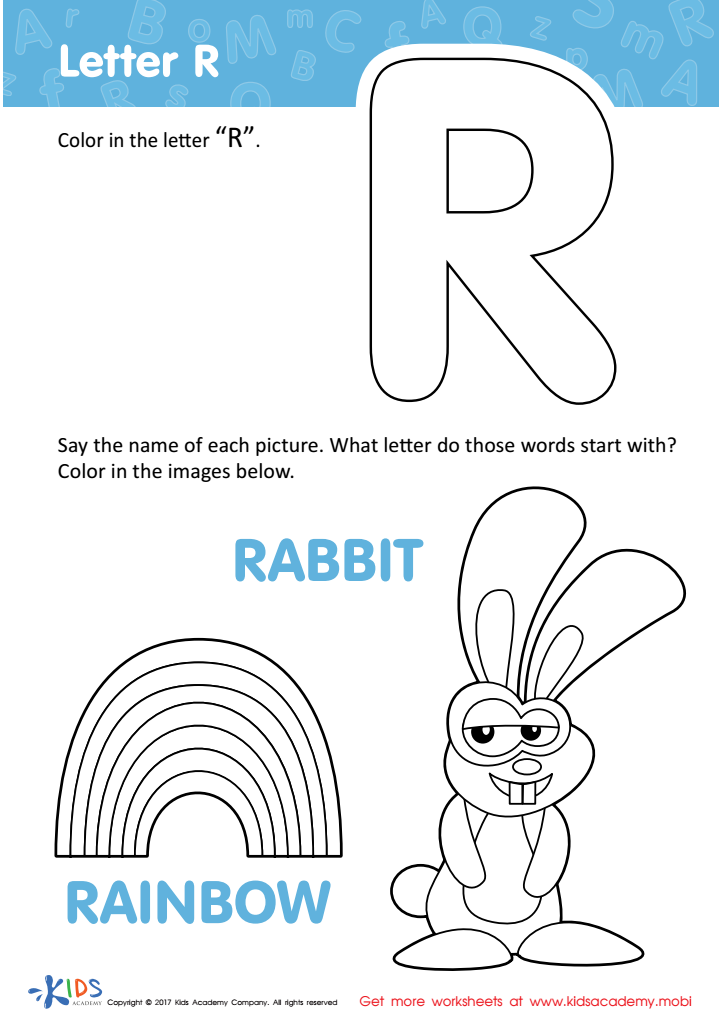
Letter R Coloring Sheet
 Assign to My Students
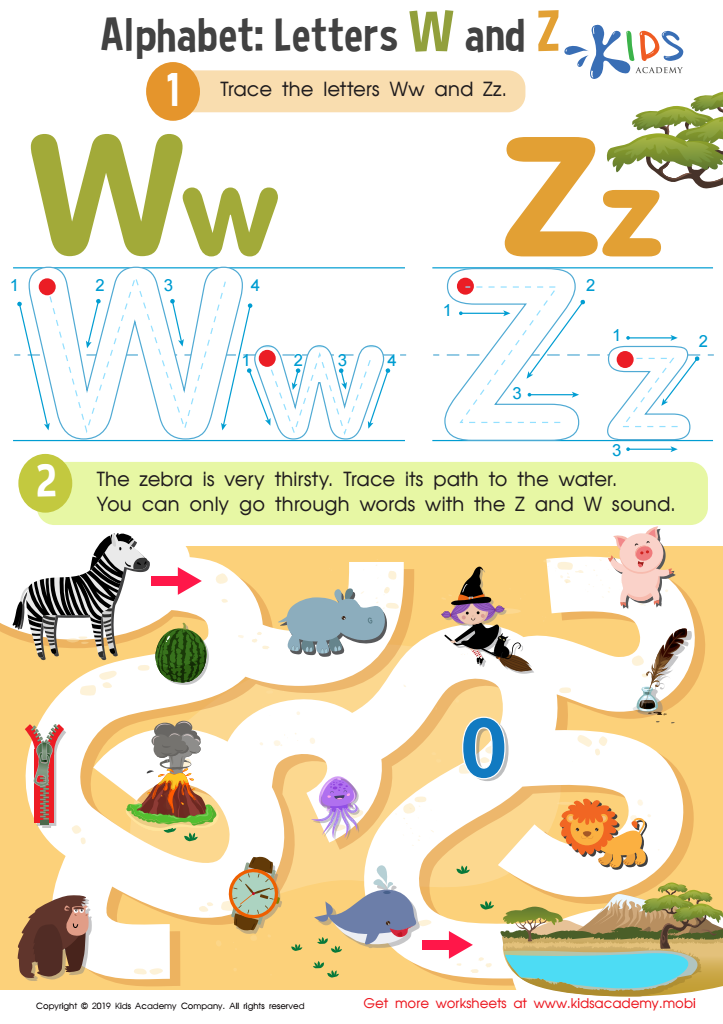
Letters W and Z Tracing Worksheet
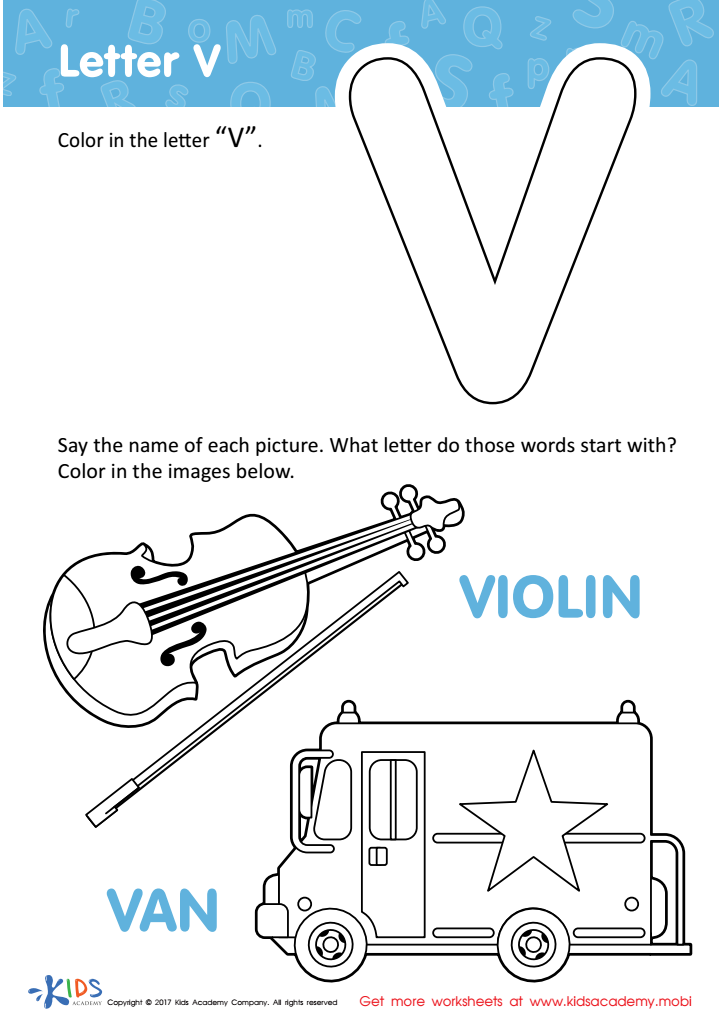
Letter V Coloring Sheet
Assign to My Students
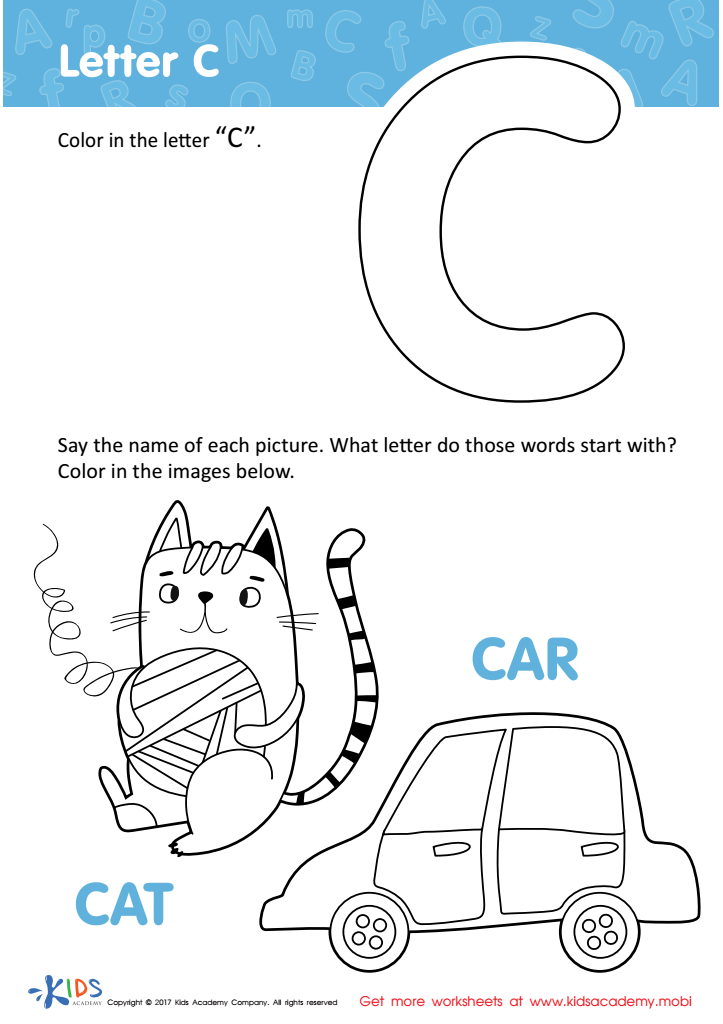
Letter C Coloring Sheet
Assign to My Students
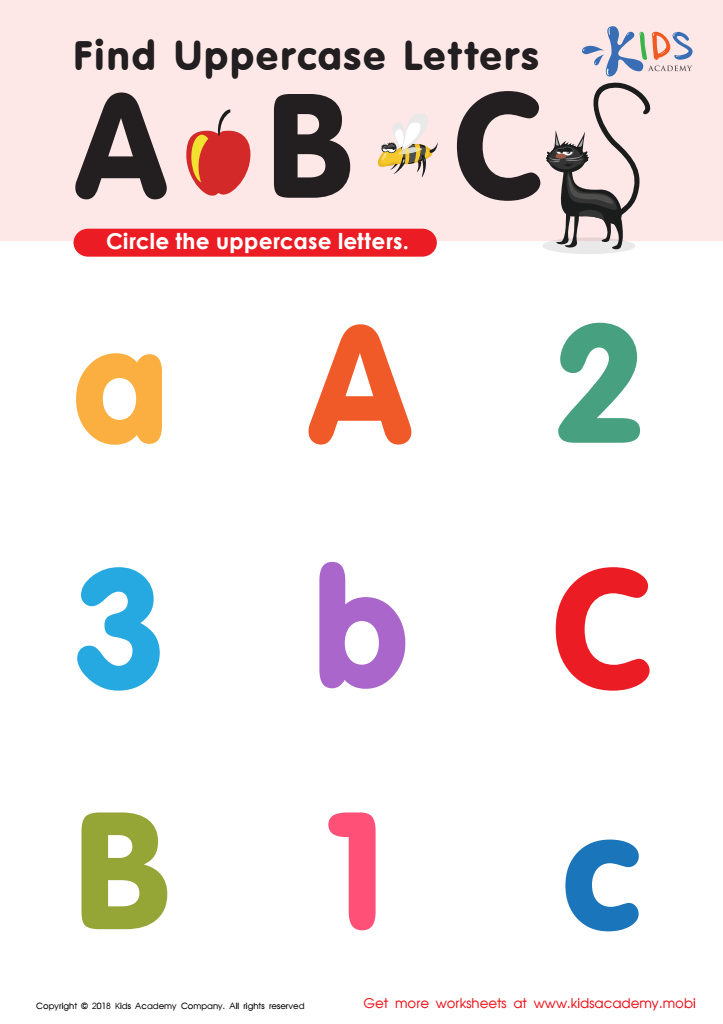
Find Uppercase Letters A, B, and C Worksheet
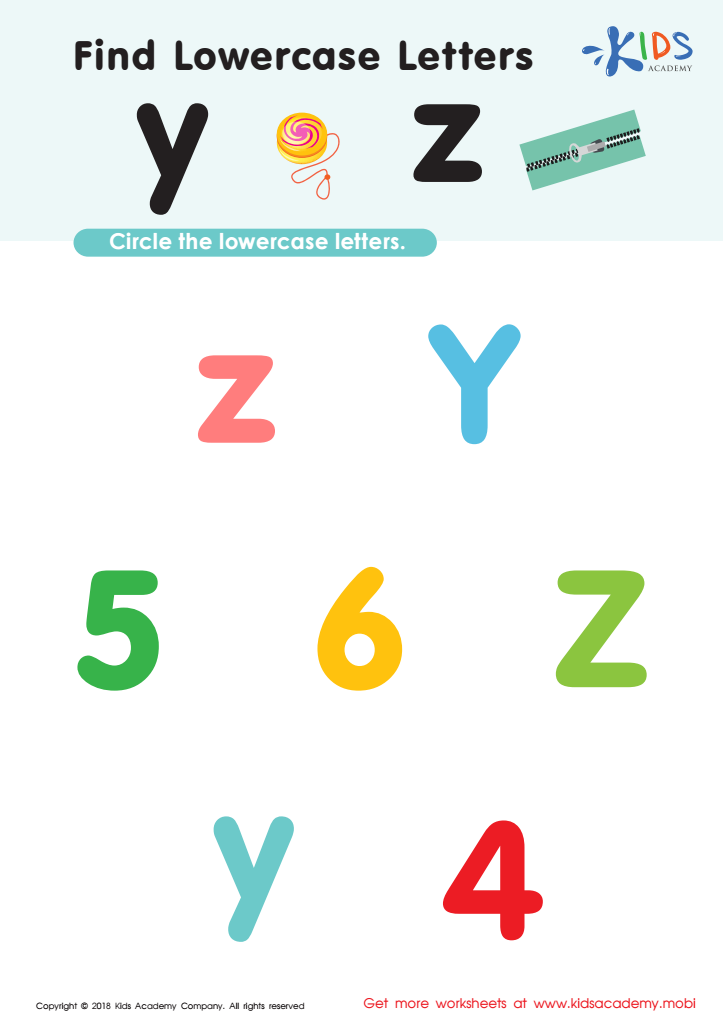
Find Lowercase Letters y z Worksheet
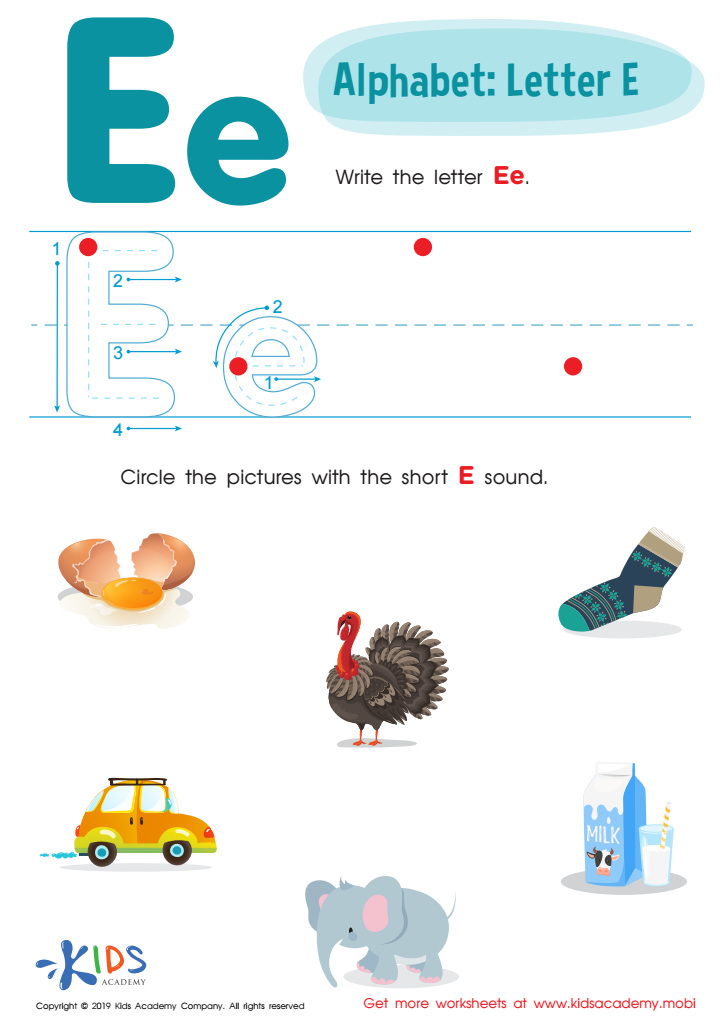
Letter E Tracing Worksheet
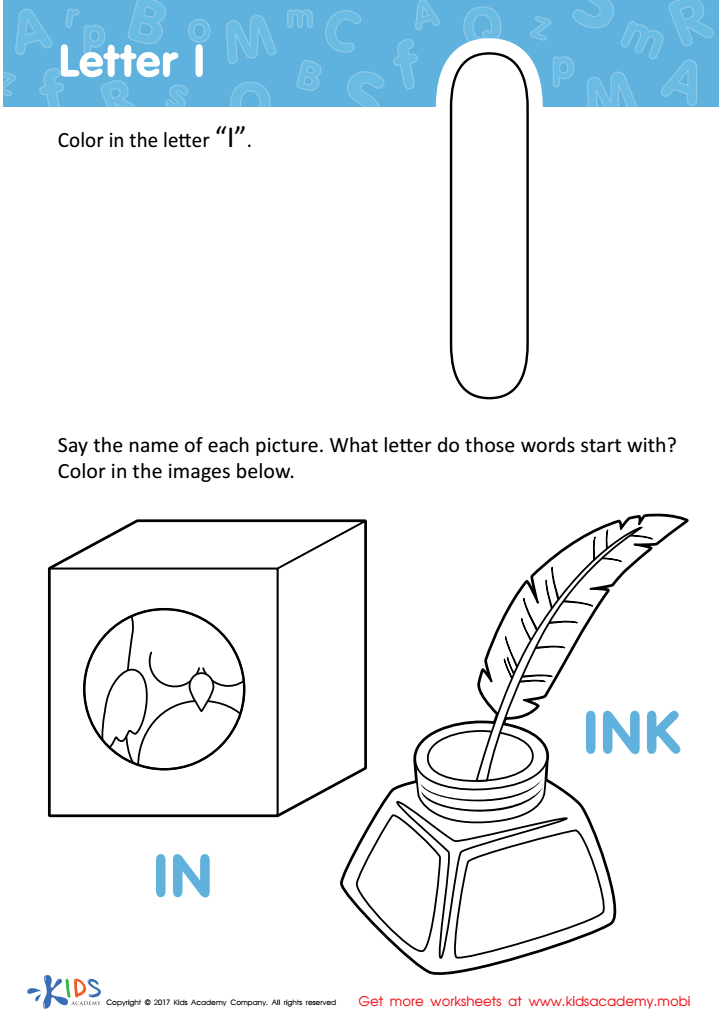
Letter I Coloring Sheet
Assign to My Students
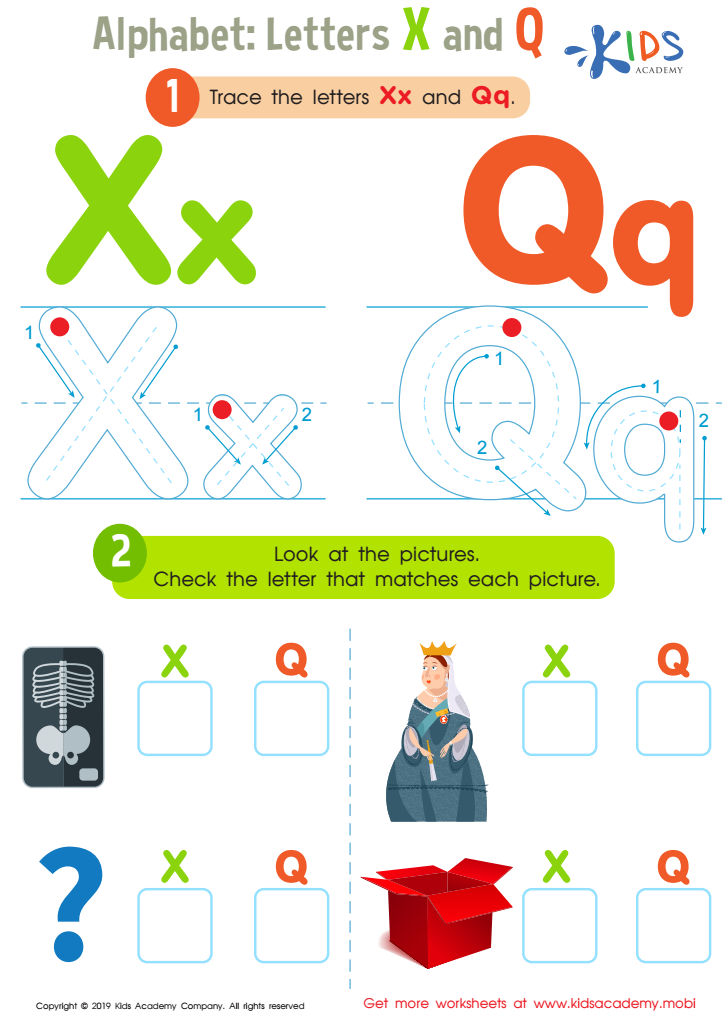
Letters X and Q Tracing Worksheet
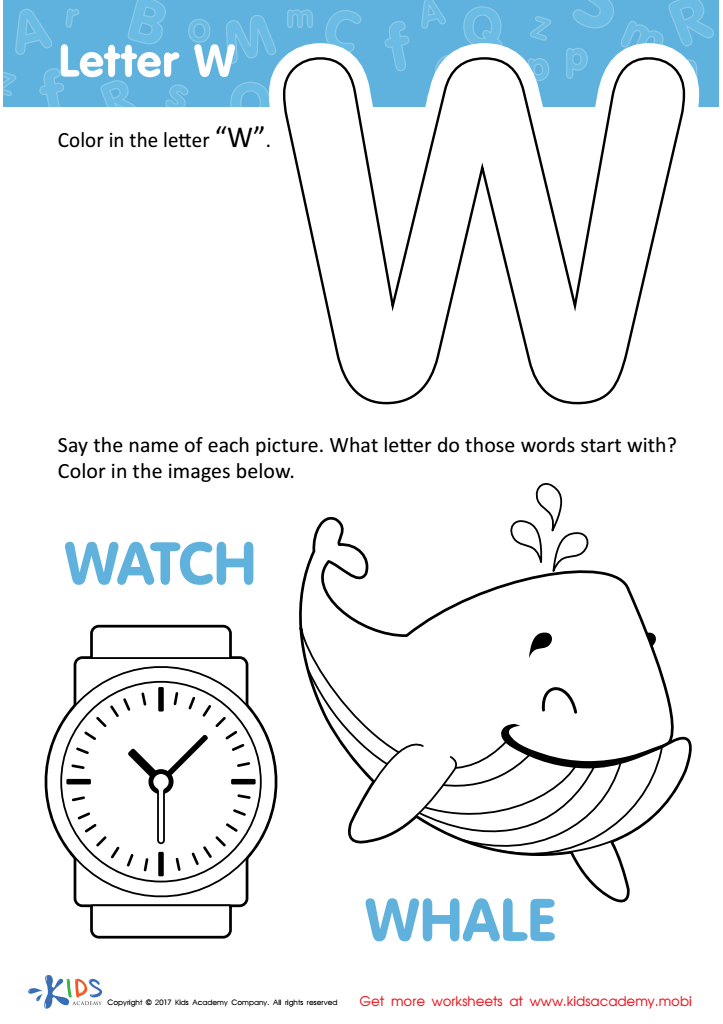
Letter W Coloring Sheet
Assign to My Students
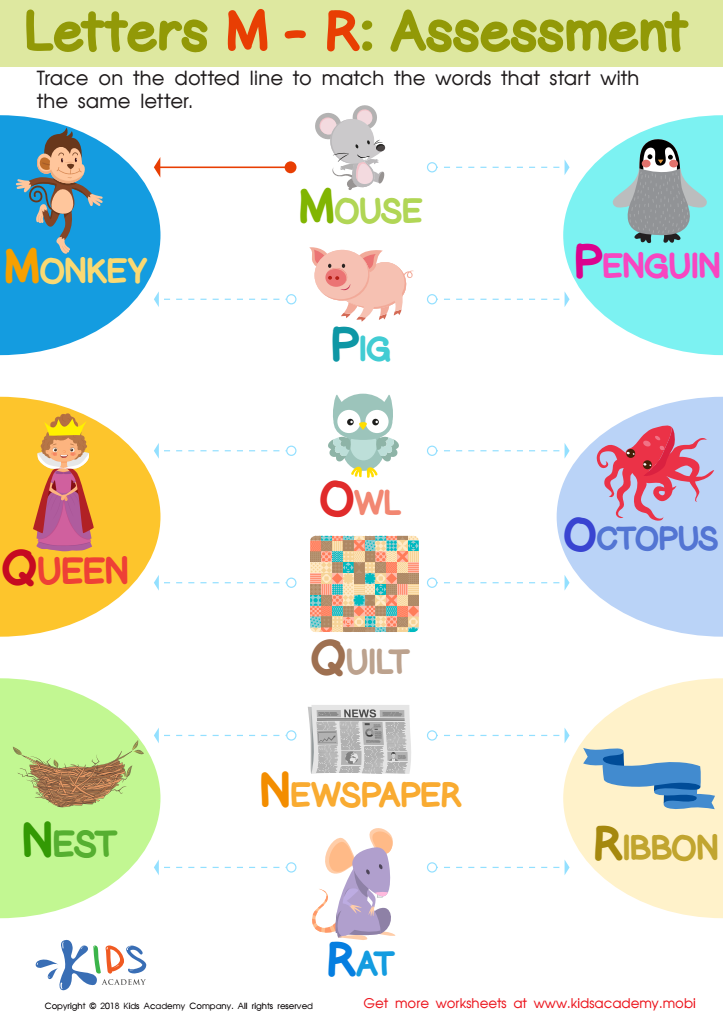
Letters M-R Tracing Worksheet
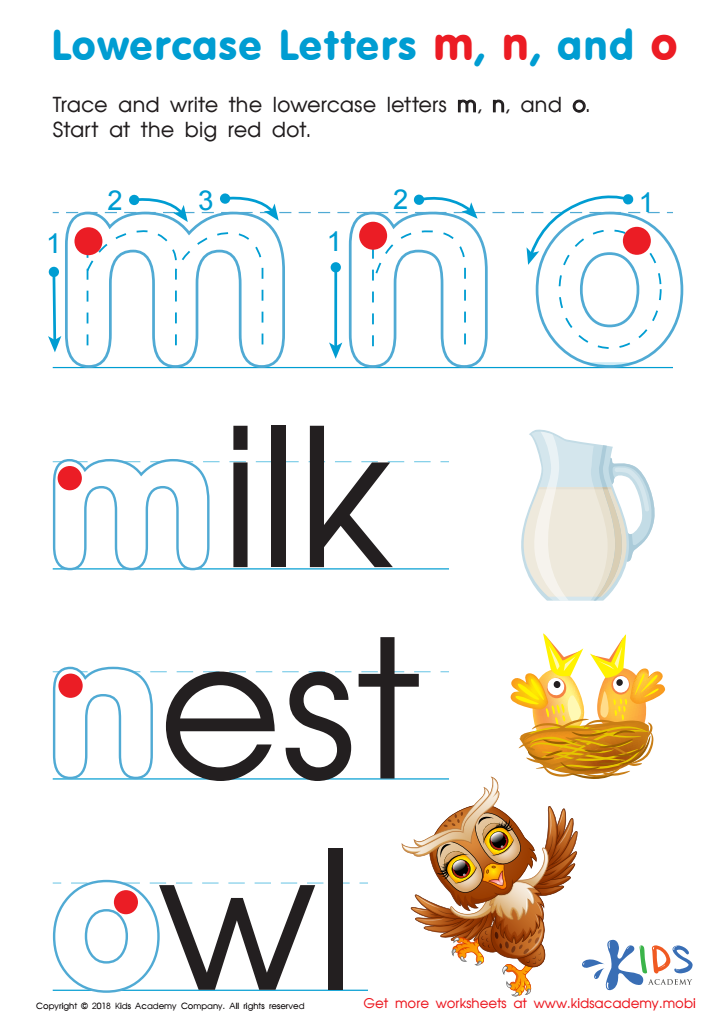
Lowercase Letters m n o Worksheet
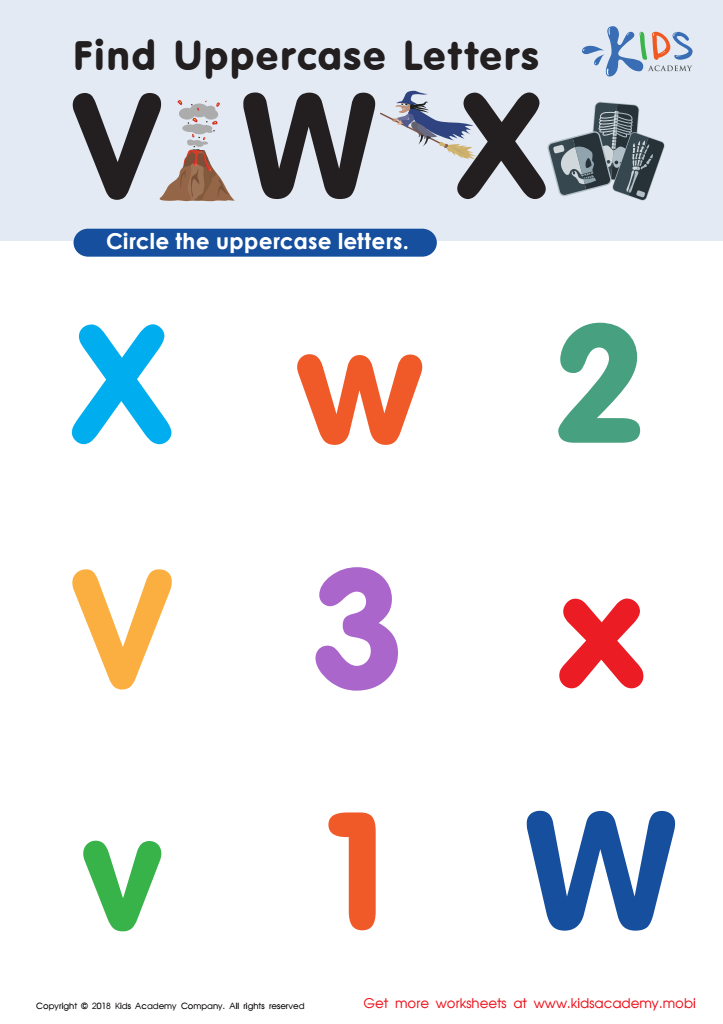
Find Uppercase Letters V, W, X Worksheet
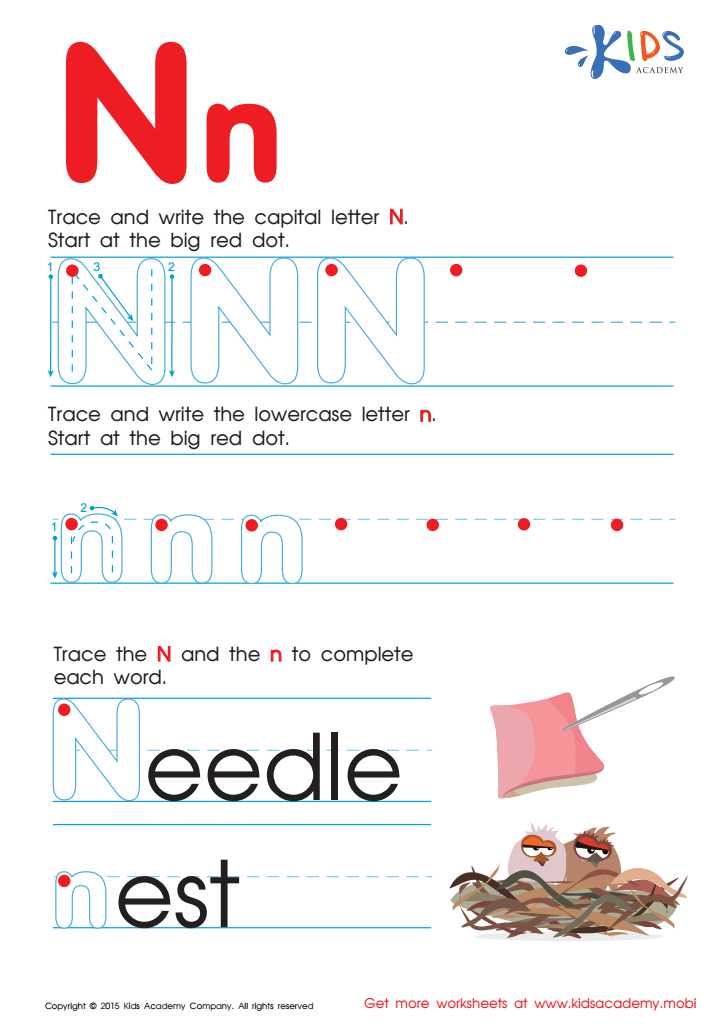
Letter N Tracing Page
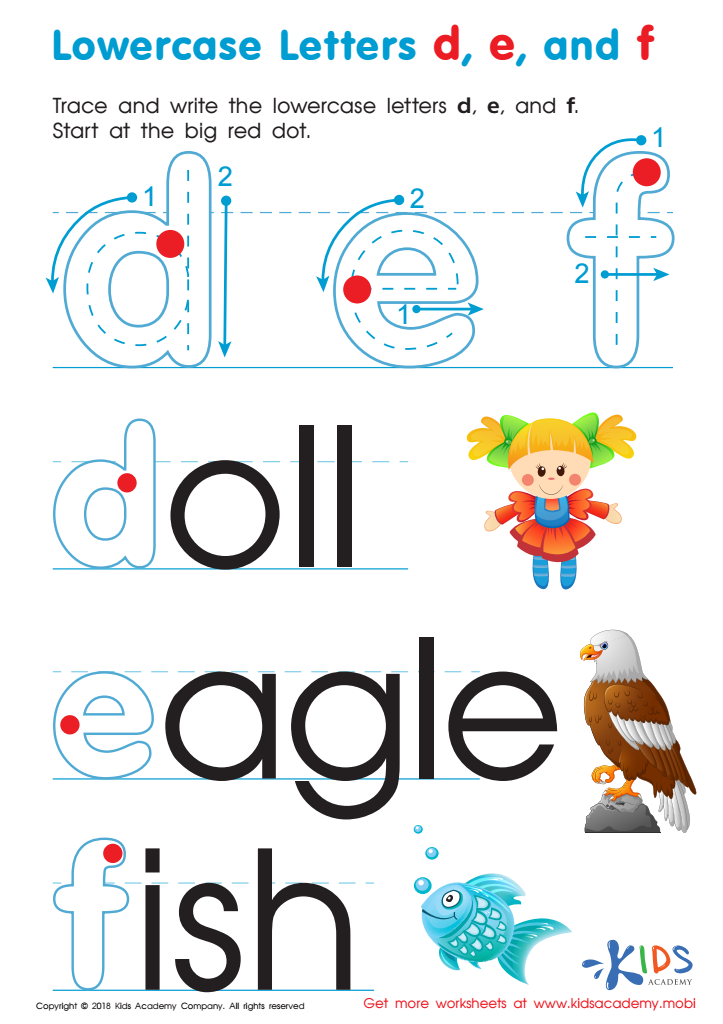
Lowercase Letters d e f Worksheet

Letter V Tracing Page
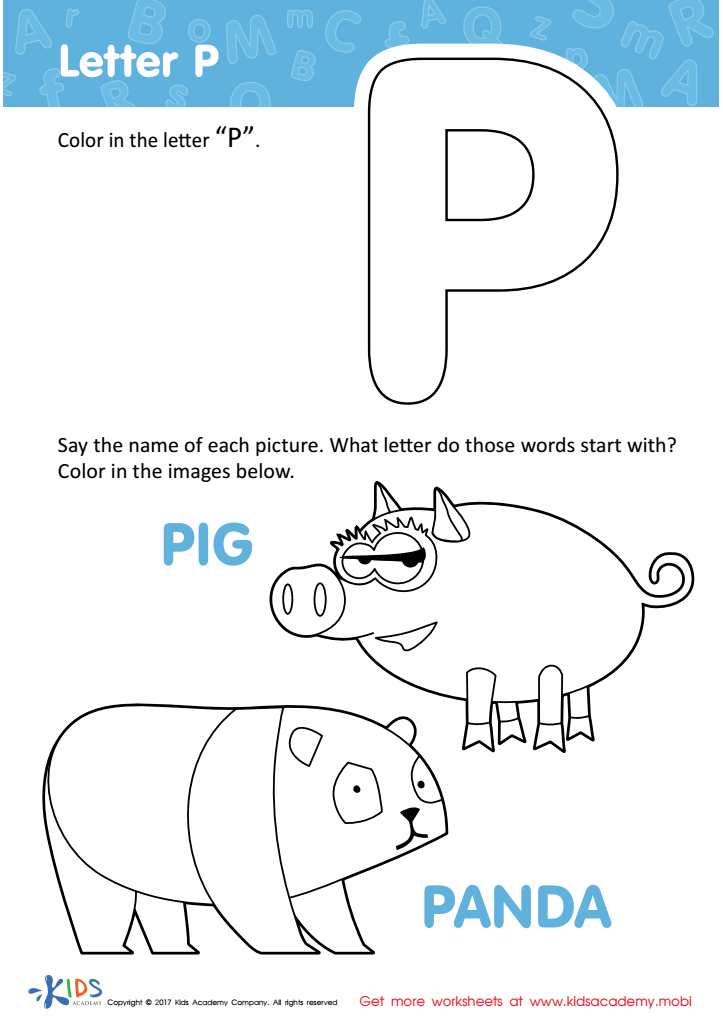
Letter P Coloring Sheet
Assign to My Students
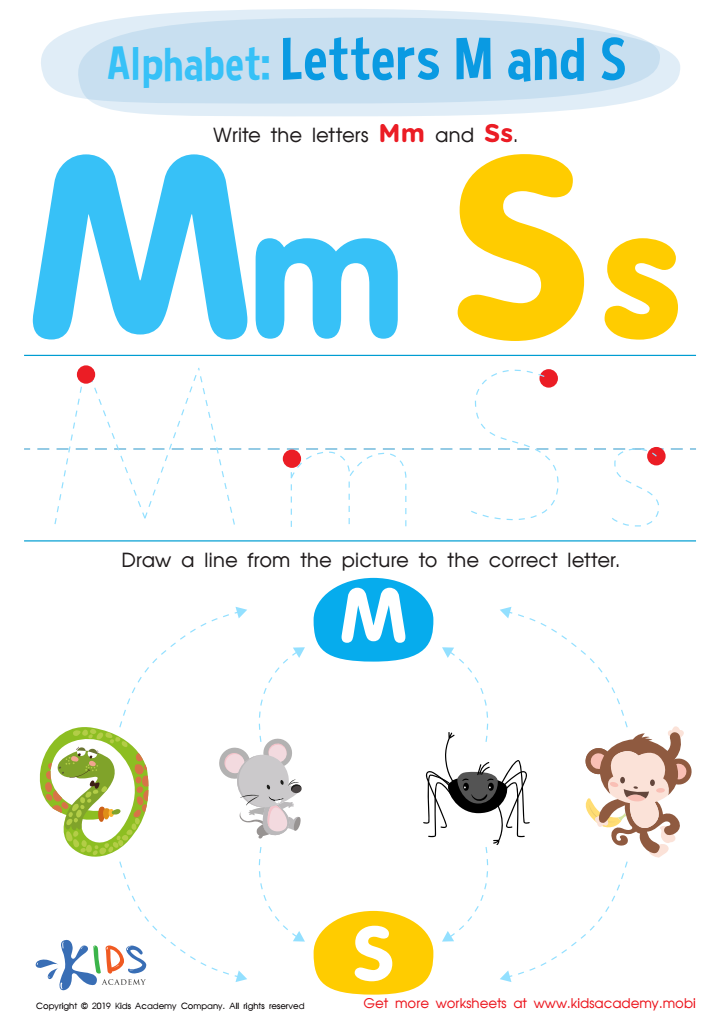
Letters M and S Tracing Worksheet
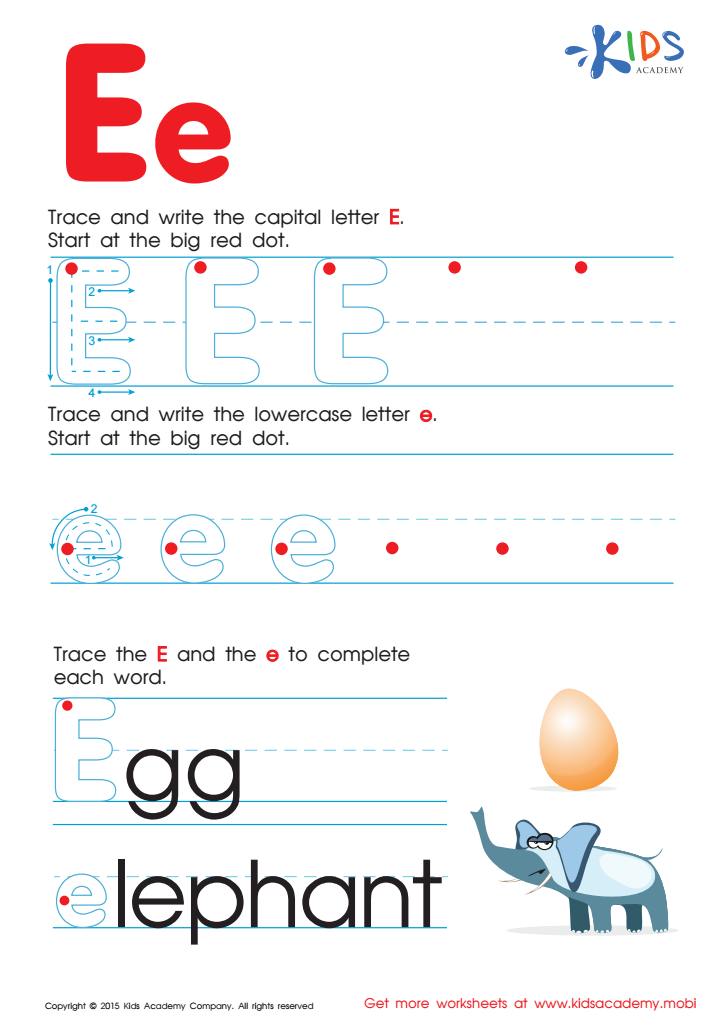
Letter E Tracing Page








Fine motor skills and letter recognition are crucial developmental components for children aged 4-9, making them essential areas of focus for parents and teachers. Fine motor skills involve the ability to use small muscles effectively, and these skills are foundational for daily tasks such as writing, buttoning clothing, and using scissors. Developing these skills helps children gain confidence in their physical abilities and fosters independence.
Letter recognition, on the other hand, forms the basis for literacy. Recognizing letters and understanding their sounds is critical for effective reading and writing. Children who struggle with letter recognition often face difficulties in early literacy and may experience long-term academic challenges. By nurturing both fine motor skills and letter recognition, educators and parents set the stage for successful reading development.
Moreover, the interplay between fine motor skills and letter recognition enhances a child's cognitive, social, and emotional growth. Engaging activities such as playful writing, tracing letters, and hands-on crafts create a fun learning environment that captivates children's interest in letters and words. Therefore, prioritizing the development of fine motor skills and letter recognition equips children with the tools they need to succeed in school and beyond, leading to enhanced academic achievement and greater future opportunities.







