Vowel Diphthongs Worksheets for Ages 4-9 - Page 2
27 filtered results
-
From - To
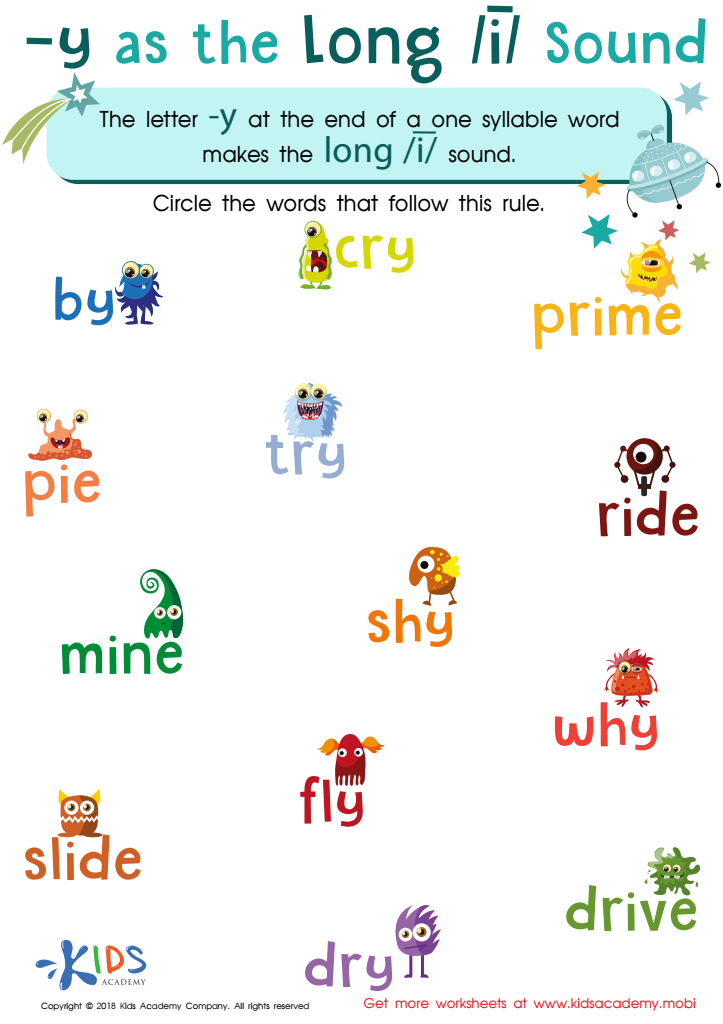
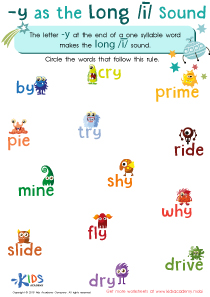
Reading: Y as Long I Worksheet
 Assign to My Students
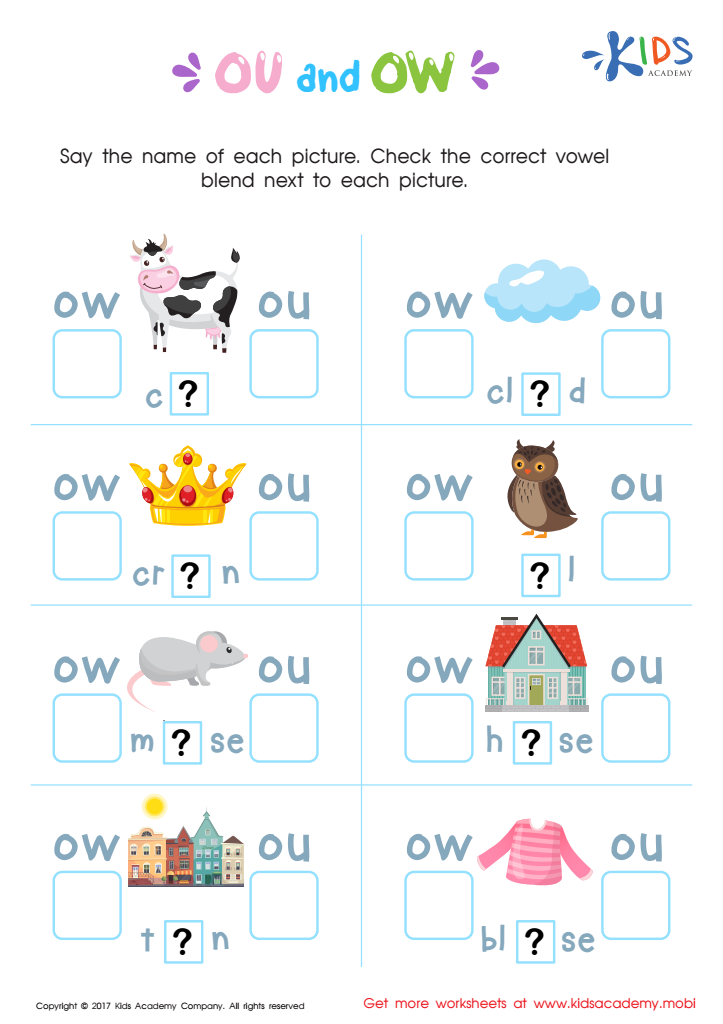
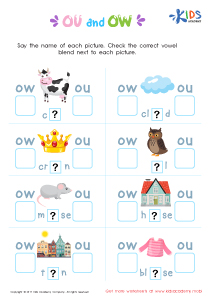
OU and OW Words Worksheet
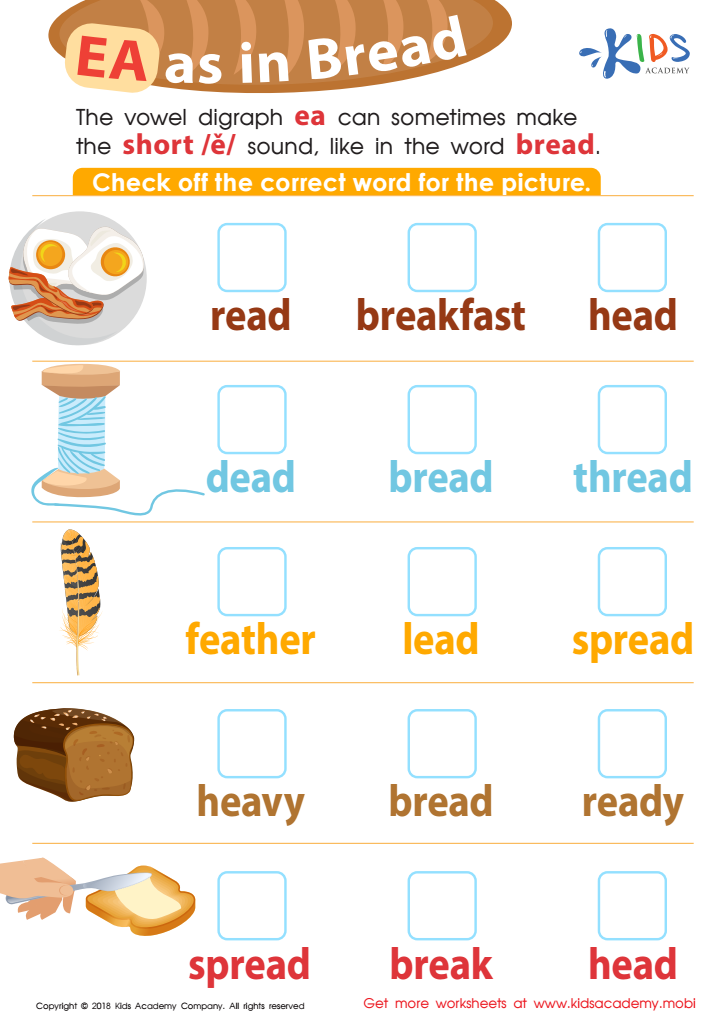
Reading: EA as in Bread Worksheet


Vowel diphthongs are critical in the literacy development of children between the ages of 4-9. Diphthongs are complex vowel sounds, such as "ow" in "cow" or "oy" in "toys", that require a blending of two vowel sounds in a single syllable. Understanding and recognizing diphthongs can greatly enhance a child's reading fluency and pronunciation skills, providing them with a solid foundation for effective communication and comprehension.
For parents and teachers, integrating vowel diphthongs into early reading instruction can be particularly beneficial. Diphthongs occur frequently in the English language, and familiarizing children with these sounds can prevent reading difficulties down the road. Early mastery of diphthongs aids in the development of phonemic awareness — the ability to hear, identify, and manipulate individual sounds in words — which is a critical skill for decoding new words.
Moreover, when children can confidently read and pronounce diphthongs, they tend to grow in their writing abilities as well, crafting better-constructed sentences and making creative spelling choices. Encouraging the mastery of these phonetic components in young learners ultimately leads to greater academic success and fosters a lifelong love for reading and writing. Keyword techniques, multi-sensory activities, and consistent practice with diphthongs can make this component of literacy engaging and effective for young minds.