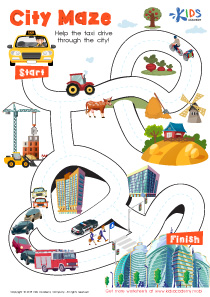
The 5 Senses Worksheets for Ages 4-9
3 filtered results
-
From - To
Introduce young learners to the wonders of their senses with our engaging "The 5 Senses Worksheets for Ages 4-9". These printable worksheets from Kids Academy are designed to captivate children’s curiosity while teaching them about sight, hearing, taste, touch, and smell. Each activity is thoughtfully crafted to enhance observational skills, enrich vocabulary, and encourage hands-on exploration. Perfect for use in classrooms or at home, these fun and educational resources pave the way for a deeper understanding of the world. Download now to make learning about the senses an exciting adventure for your child!
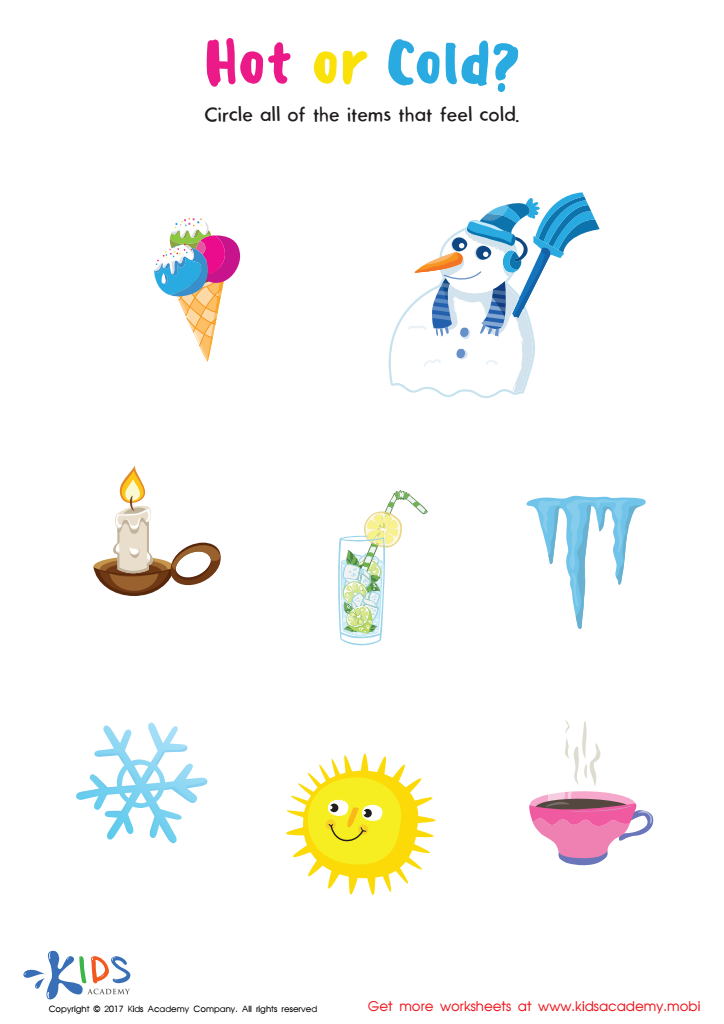
Hot or Cold Printable
 Assign to My Students
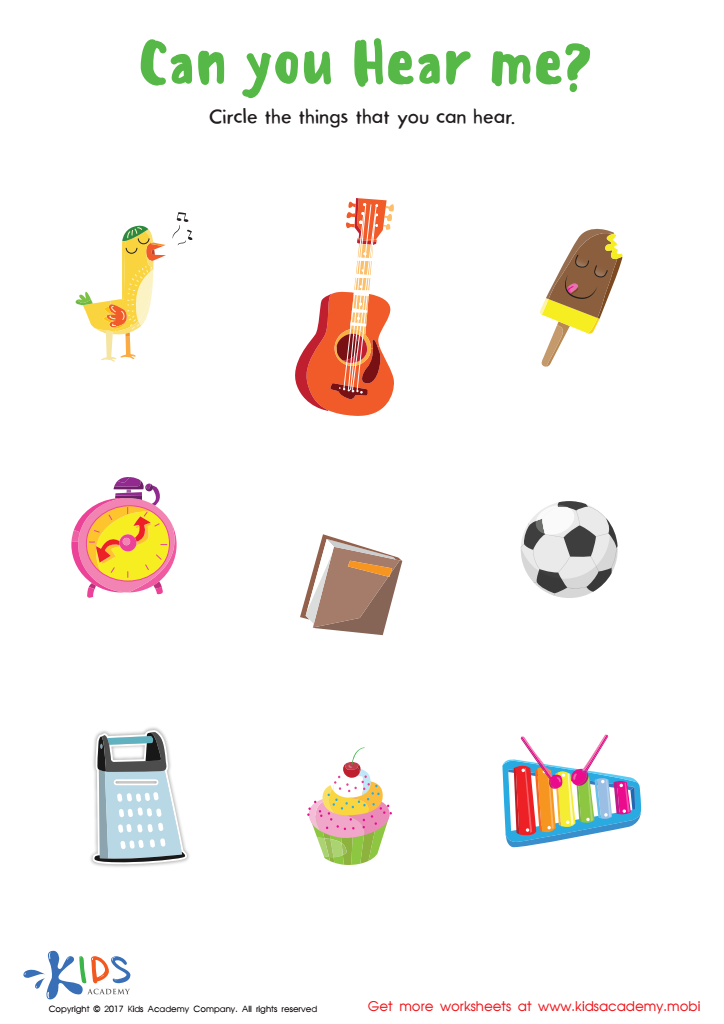
Can You Hear Me Worksheet
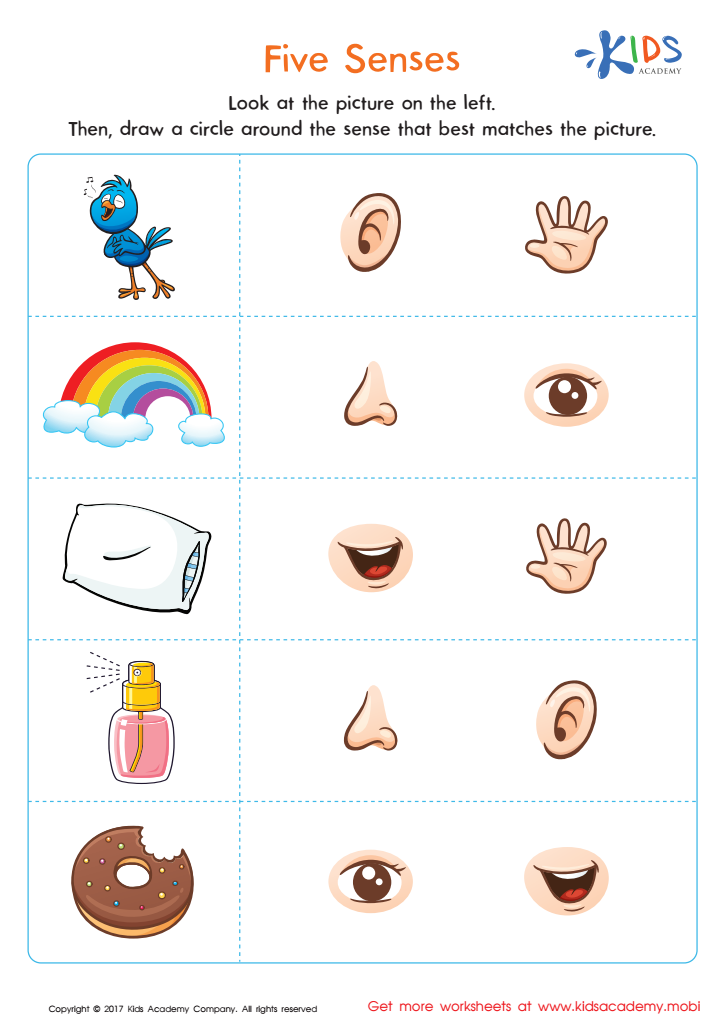
Five Senses Printable




Parents and teachers should prioritize teaching the five senses—sight, hearing, taste, touch, and smell—to children aged 4-9 because they are fundamental to a child's holistic development. At this age, children's brains are particularly receptive to new information, exploring the world primarily through their senses. Understanding and utilizing their senses can significantly enhance their cognitive, emotional, and social growth.
Cognitively, when children learn about their senses, they build critical observation and inquiry skills. Exploring sensory experiences helps children develop language as they describe what they see, hear, taste, touch, and smell, enriching their vocabulary and communication skills.
Emotionally, engaging the senses can foster self-awareness and mindfulness. It helps children understand their own preferences and aversions, promoting self-regulation and emotional intelligence. For instance, calming sensory activities may assist in managing anxiety or energy levels, contributing to better focus and behavior.
Socially, sensory activities often involve collaborative tasks where children share experiences and peer interactions, promoting social skills and teamwork. Sensory play can be particularly beneficial for inclusive classrooms, helping children of different abilities connect and engage with the material.
Incorporating sensory learning fosters an interactive and engaging educational environment, laying a foundation for lifelong curiosity and experiential learning. Thus, nurturing the five senses at this stage is crucial for comprehensive child development.