Vowels and Consonants Worksheets for Ages 4-9 - Page 2
29 filtered results
-
From - To
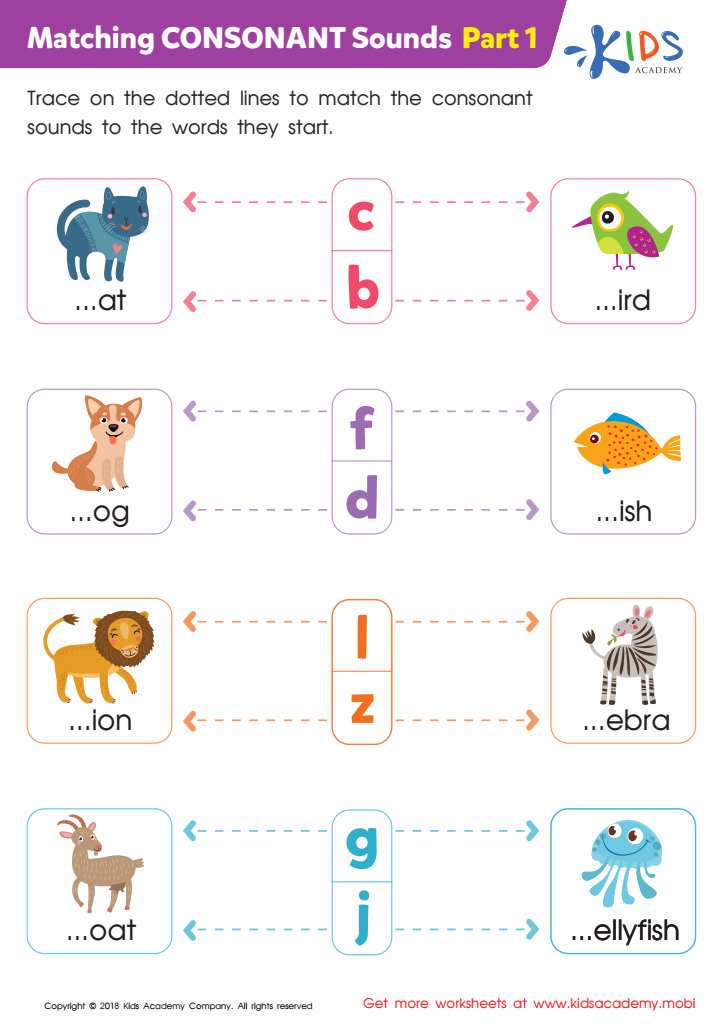
Matching Consonant Sounds: Part 1 Worksheet
 Assign to My Students
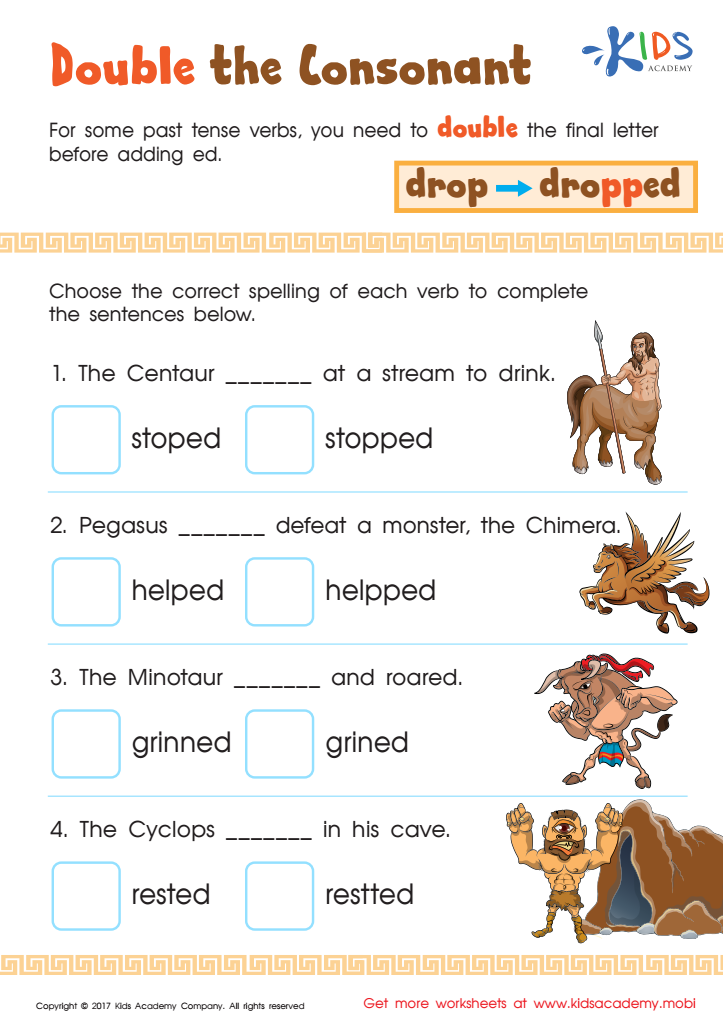
Double Consonant Spelling Worksheet
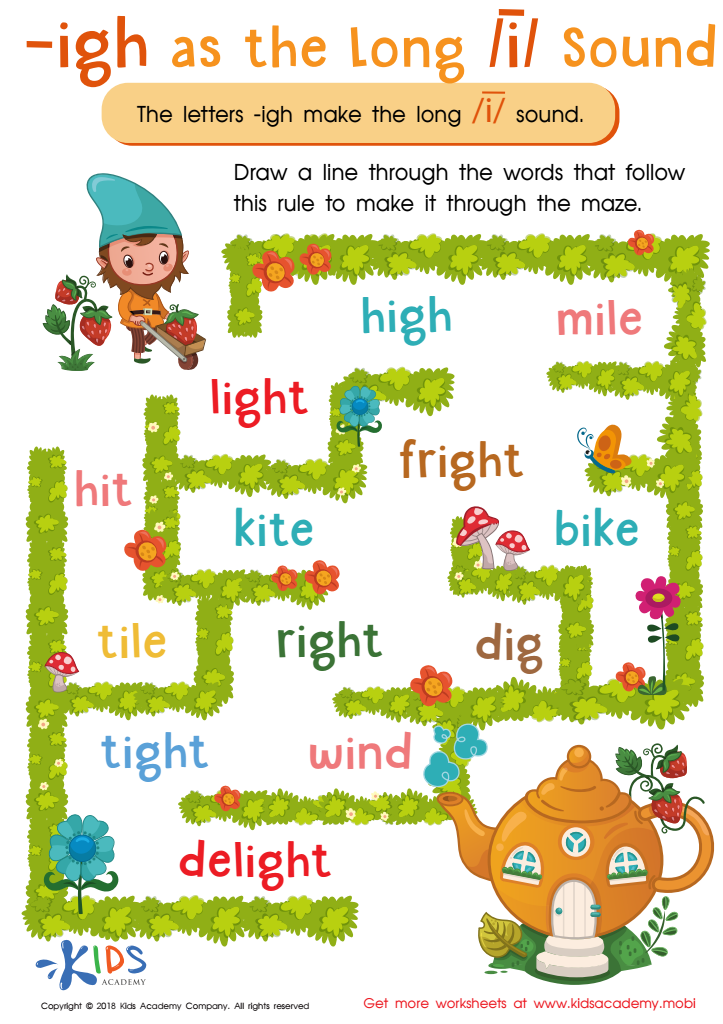
Reading: IGH as Long I Worksheet
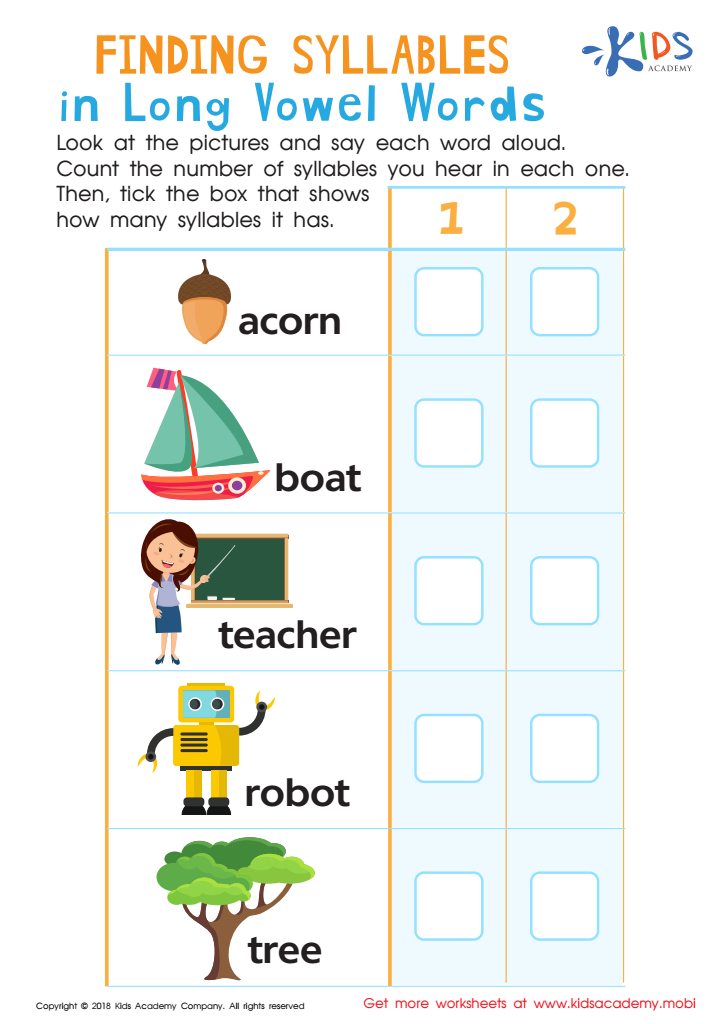
Finding Syllables in Long Vowel Words Worksheet
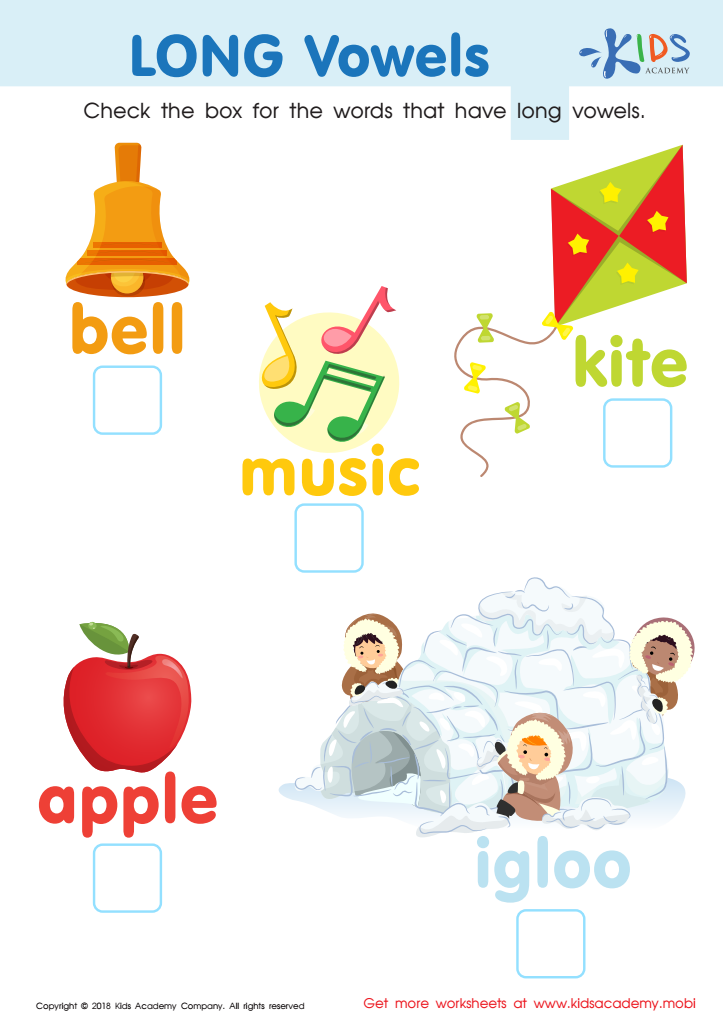
long vowels Worksheet



Understanding vowels and consonants is fundamental for young children aged 4-9 because it forms the foundation of their literacy skills, which are crucial for their academic development and overall confidence. During these formative years, children's brains are highly receptive and ready to acquire language skills. Teaching them the difference between vowels and consonants equips them with essential tools for reading, writing, and spelling.
Vowels (A, E, I, O, U) and consonants (all other letters) work together to create words, and recognizing their distinct sounds aids in phonemic awareness. Phonemic awareness is the ability to hear and manipulate individual sounds in words, which is a critical predictor of successful reading and spelling. For instance, understanding that the word "cat" is composed of the consonants 'c' and 't' and the vowel 'a' helps children decode similar words independently, enhancing their reading skills.
Furthermore, grasping these concepts early on can prevent future learning difficulties. It fosters better pronunciation, a richer vocabulary, and improved grammar skills. Engaging children in playful and interactive activities, such as songs, rhymes, and letter games, makes the learning process enjoyable, which in turn promotes a lasting interest in reading and learning. Investing in this foundational knowledge yields long-term academic benefits, making it essential for parents and teachers to pay attention to vowels and consonants.







