Discover our engaging Comparing Fractions Worksheets designed for children ages 4 to 9! These interactive and colorful worksheets make learning fractions fun and accessible. Tailored to various skill levels, they help young learners understand the relationship between different fractions through practice and visual aids. Our comprehensive resources include comparative exercises, number line activities, and visual fraction models, enhancing mathematical comprehension. Ideal for homeschooling or classroom use, these worksheets promote self-paced learning, ensuring kids build confidence as they master comparing fractions. Start your child's journey to math success today with our expertly designed worksheets that captivate and educate!
Check out this FREE "Comparing Fractions" Trial Lesson for age 4-9!

Exactly the Same, or Not

Favorites
With answer key
Interactive
  • 4-9
  • Comparing Fractions
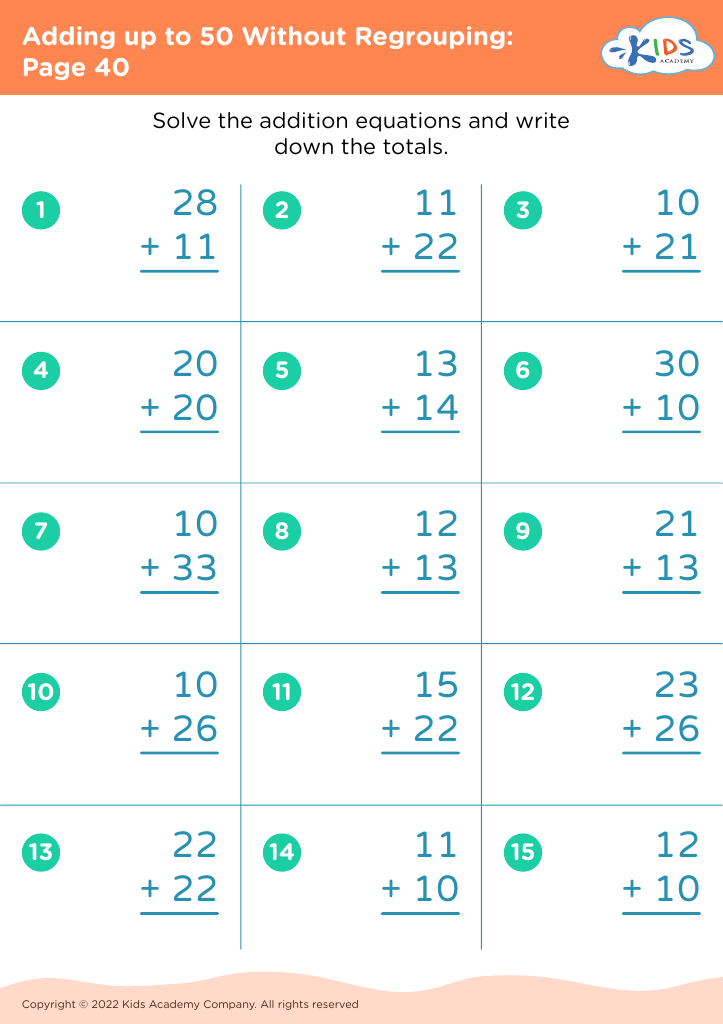
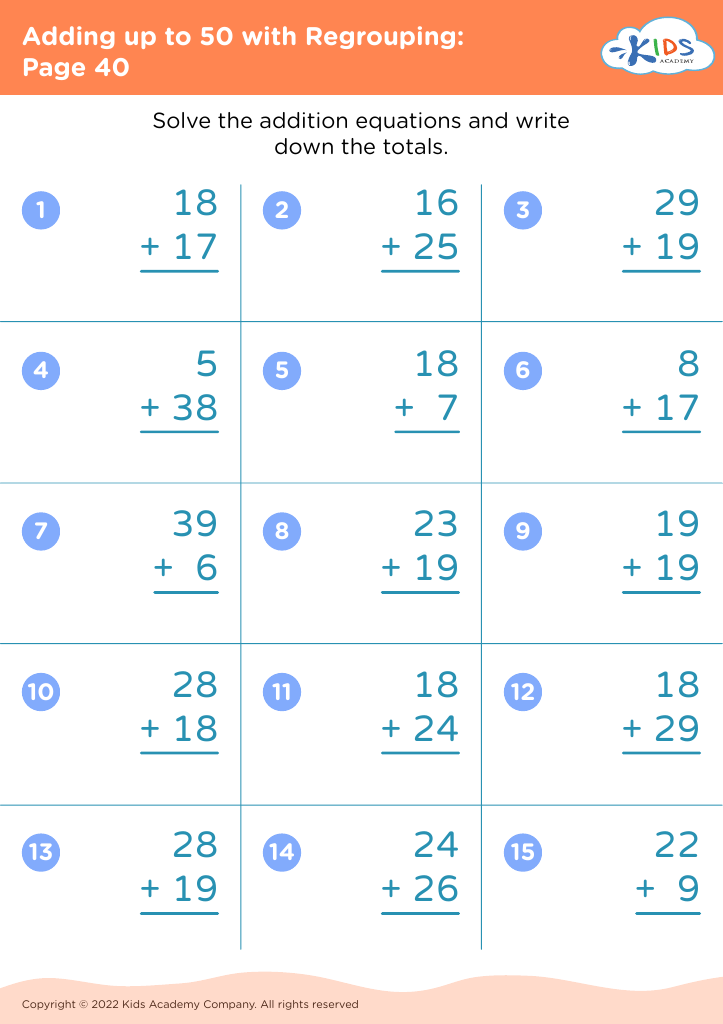
Adding up to 50 with Regrouping: Page 40
Worksheet
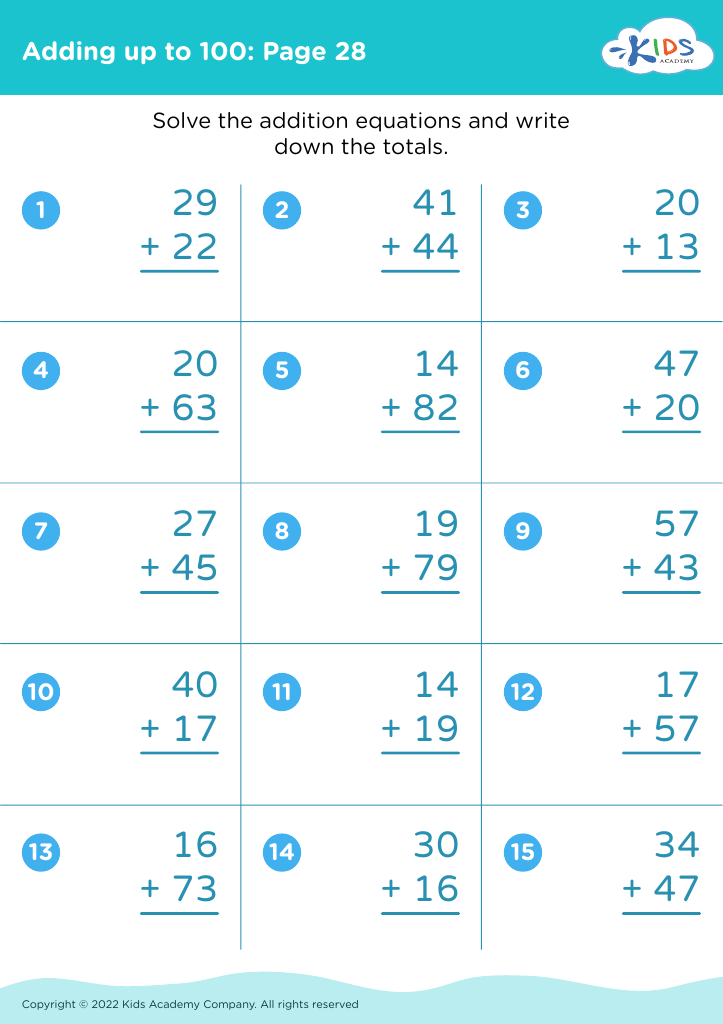
Adding up to 100: Page 28

Adding up to 100: Page 28

Adding up to 100: Page 28
Worksheet
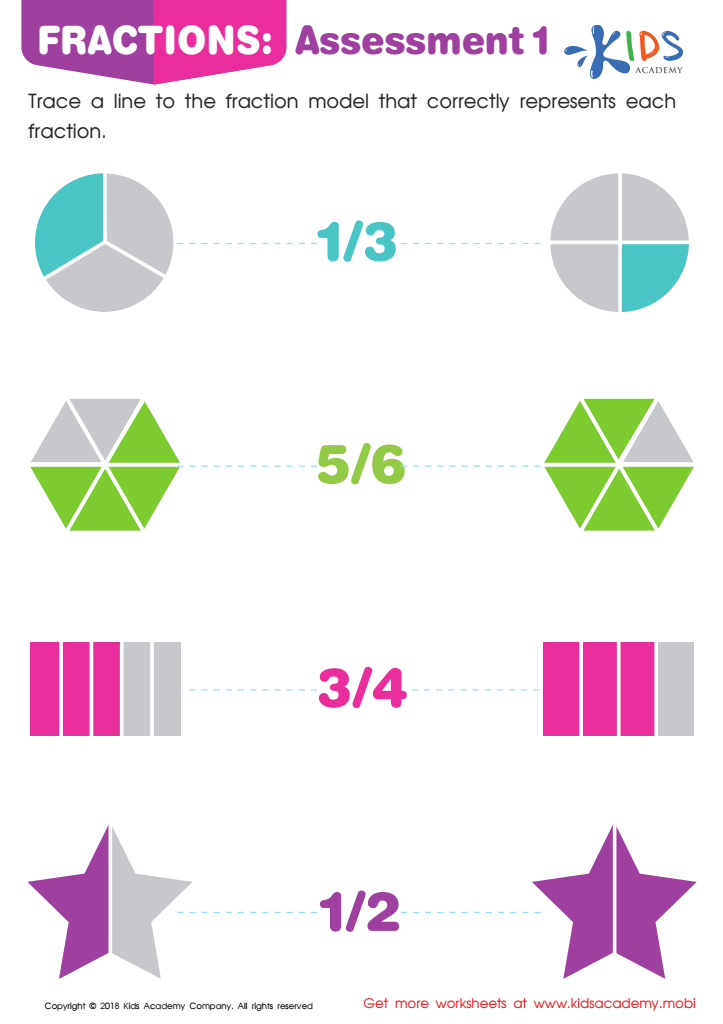
Fractions: Assessment 1 Worksheet

Fractions: Assessment 1 Worksheet

Master fractions easily with this worksheet! It has four sets of fraction models and fraction equations with two models each. Guide your kids to trace a line to the correct fraction model for each equation.
Fractions: Assessment 1 Worksheet
Worksheet
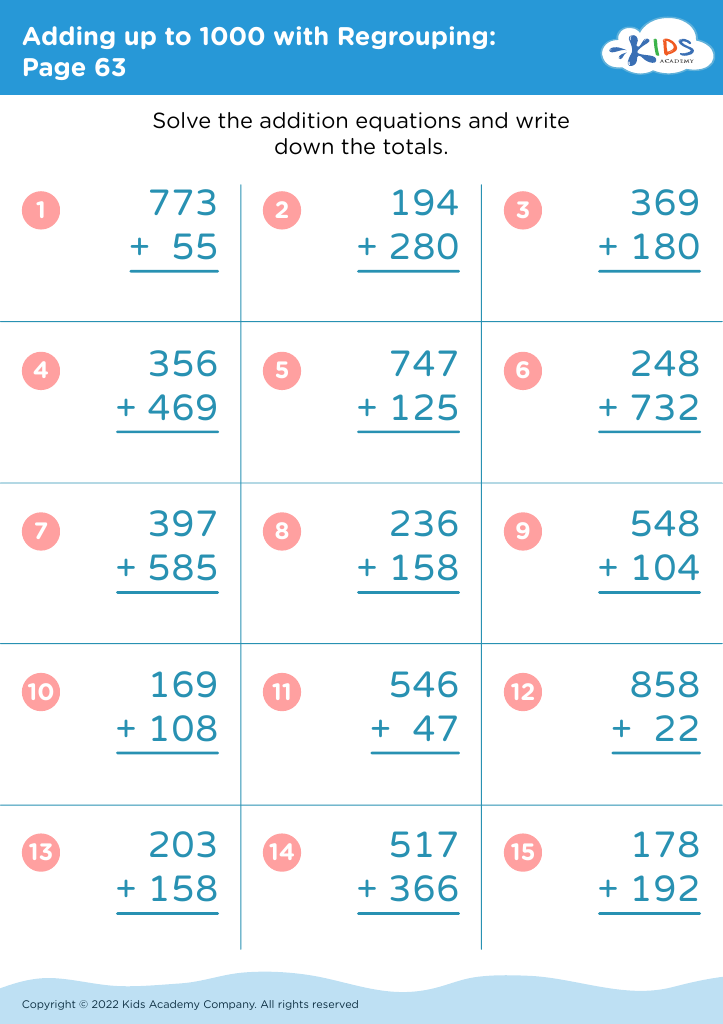
Adding up to 1000 with Regrouping: Page 63
Worksheet
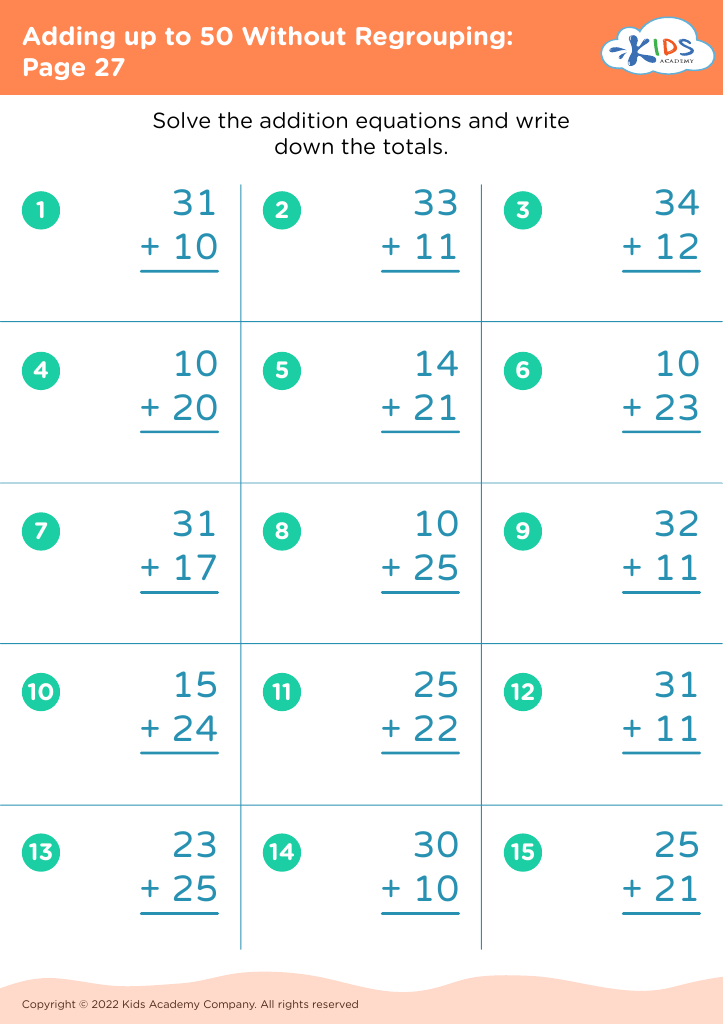
Adding up to 50 Without Regrouping: Page 27
Worksheet
Adding up to 50 Without Regrouping: Page 40
Worksheet
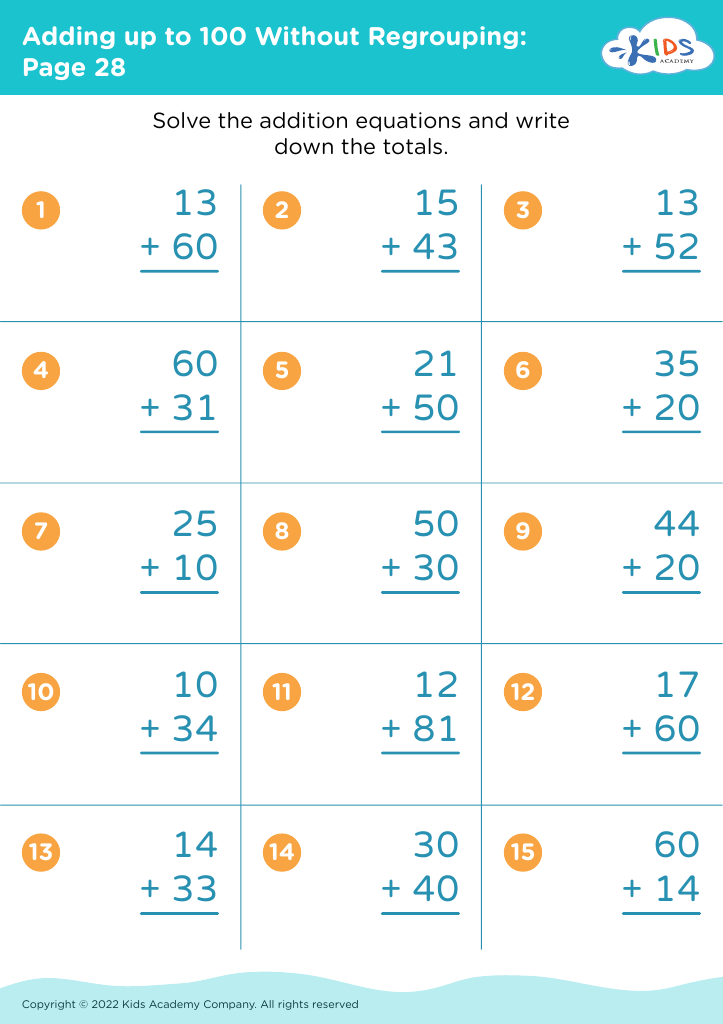
Adding up to 100 Without Regrouping: Page 28
Worksheet
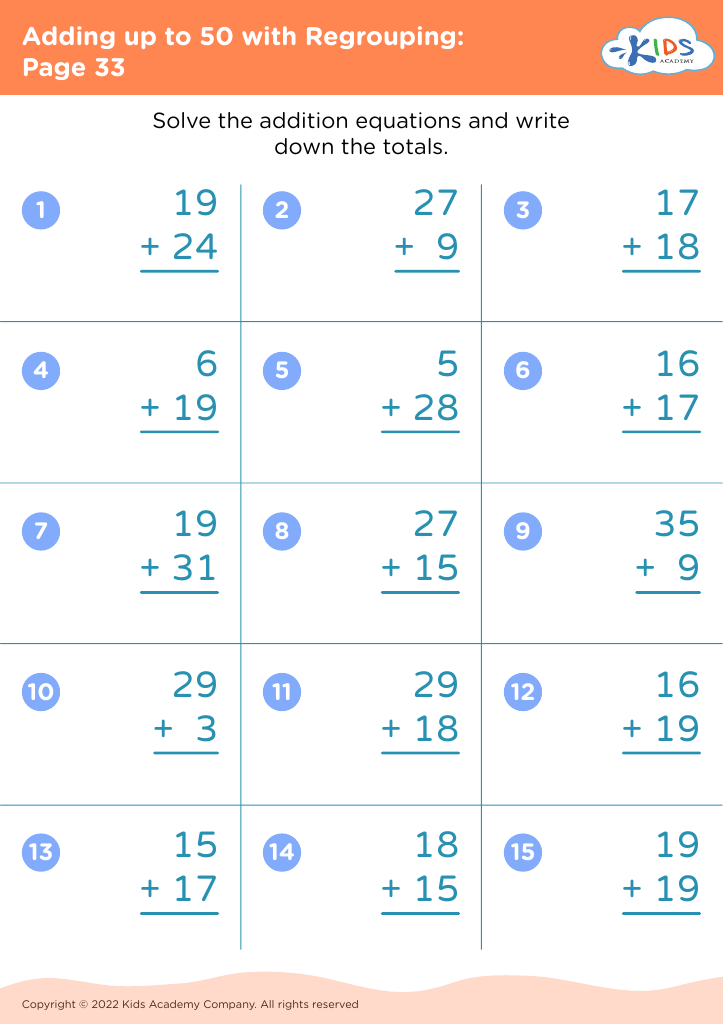
Adding up to 50 with Regrouping: Page 33
Worksheet
Fractions: Assessment 2 Worksheet
Fractions: Assessment 2 Worksheet

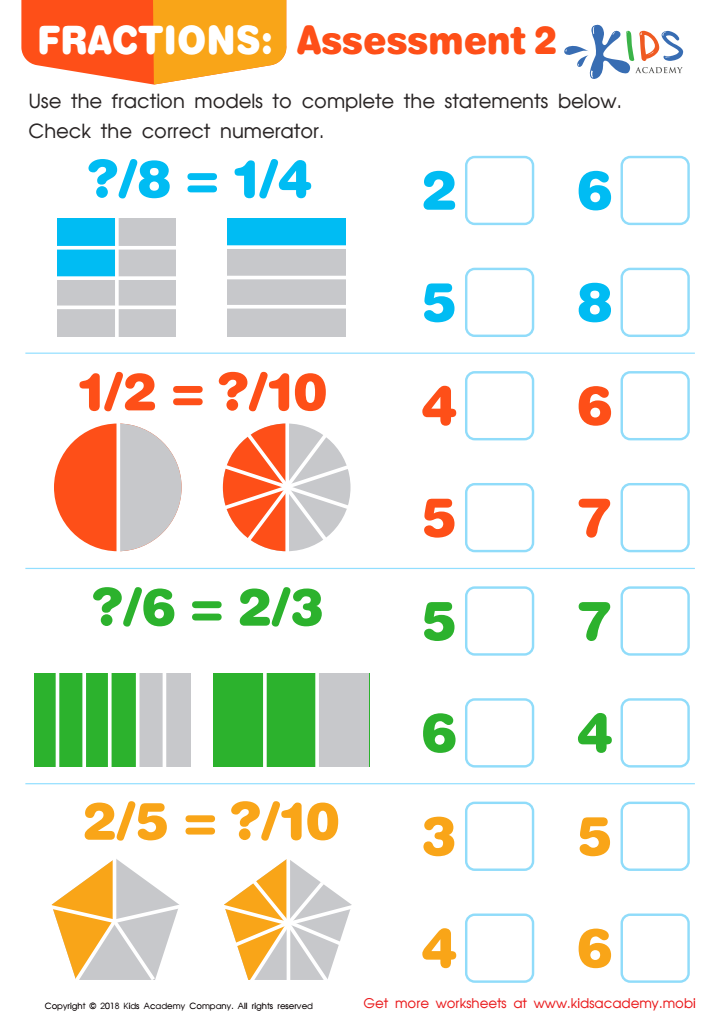
Help your kids understand fractions better with this worksheet. Ask them to complete the fraction statements using the fraction models on the left and then check the correct numerators. This can help clear up any confusion they may have with fractions and fraction models.
Fractions: Assessment 2 Worksheet
Worksheet
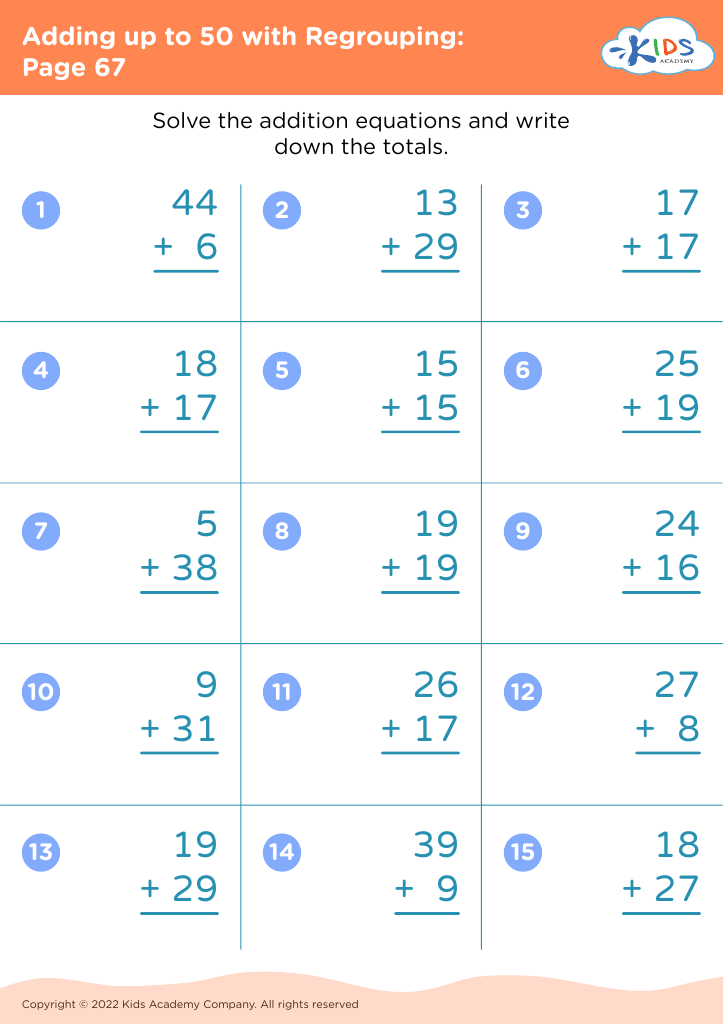
Adding up to 50 with Regrouping: Page 67
Worksheet
Tire Thirds and Fourths Worksheet
Tire Thirds and Fourths Worksheet
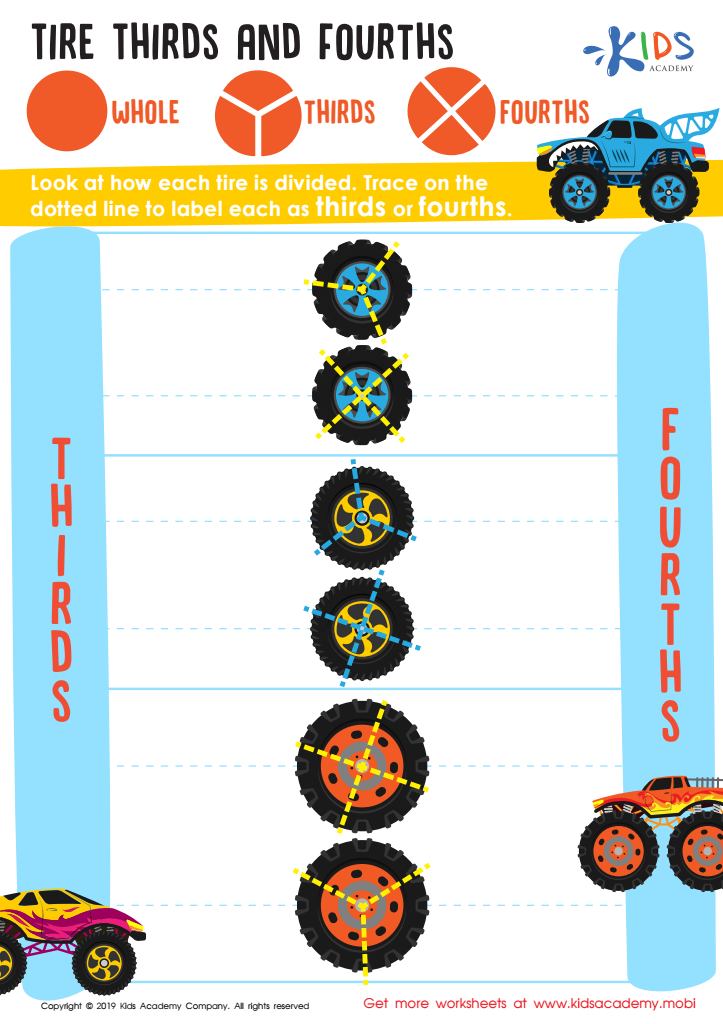
Learning geometry is key in your child's education. Have them identify and name shapes cut into 2, 3 and 4 parts. Test their knowledge with this worksheet - trace the dotted line to label each as third or fourth. Encourage them to keep learning!
Tire Thirds and Fourths Worksheet
Worksheet
Adding up to 1000 with Regrouping: Page 26
Worksheet
Adding 2-digit Numbers: Page 54

Adding 2-digit Numbers: Page 54

Adding 2-digit Numbers: Page 54
Worksheet
Adding up to 50: Page 13

Adding up to 50: Page 13

Adding up to 50: Page 13
Worksheet
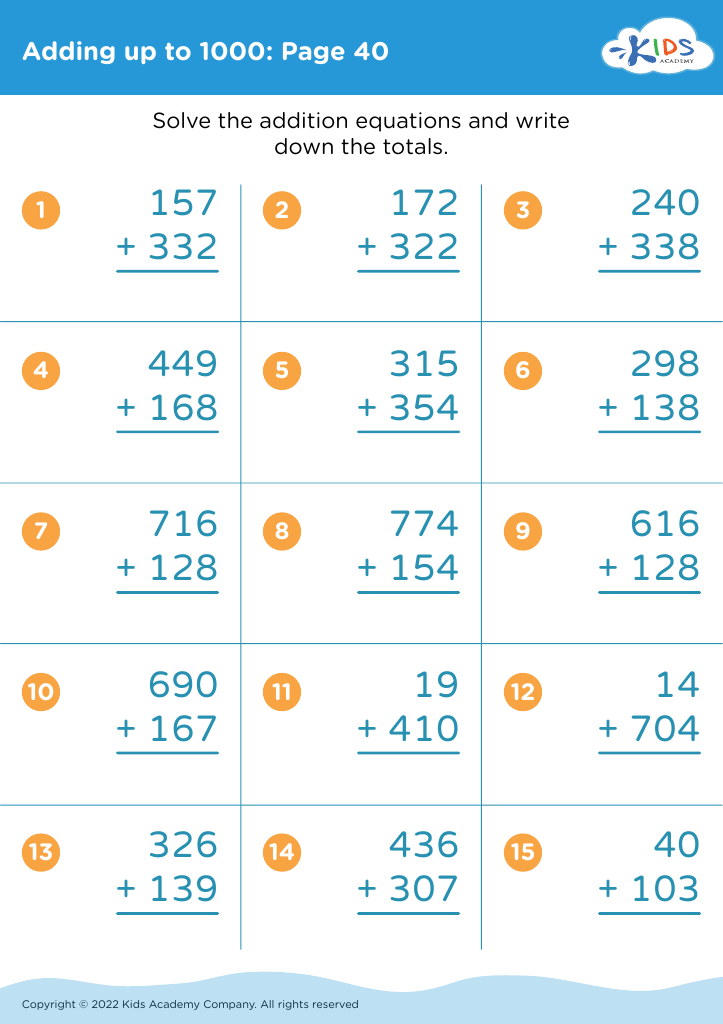
Adding up to 1000: Page 40

Adding up to 1000: Page 40

Adding up to 1000: Page 40
Worksheet
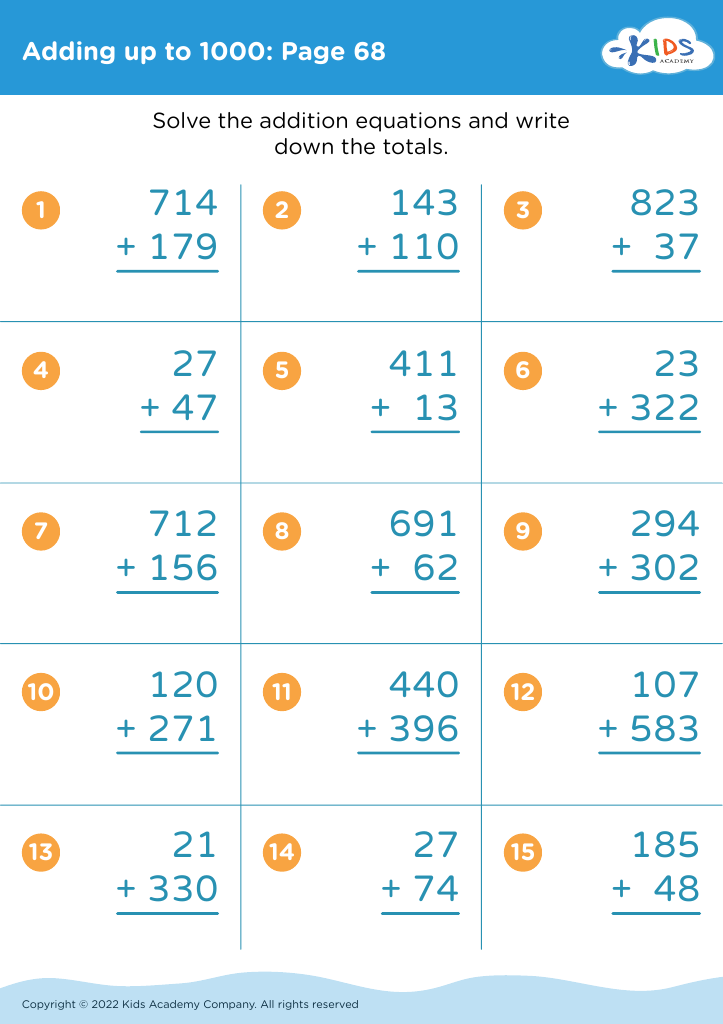
Adding up to 1000: Page 68

Adding up to 1000: Page 68

Adding up to 1000: Page 68
Worksheet
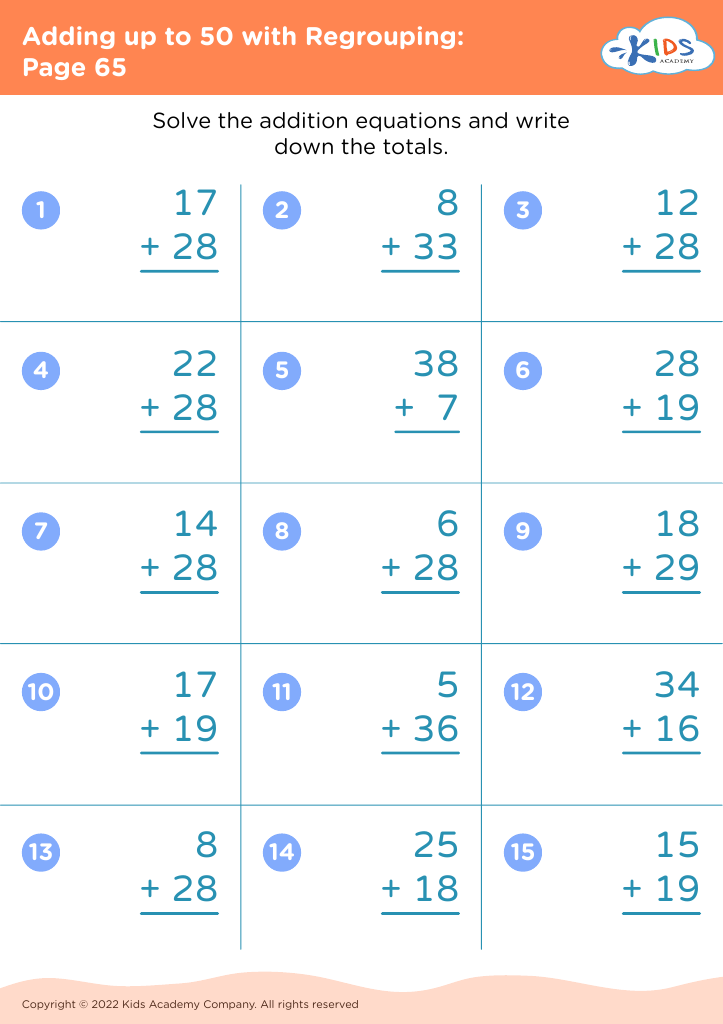
Adding up to 50 with Regrouping: Page 65
Worksheet
Fraction Practice Printable

Fractions: Shapes Worksheet

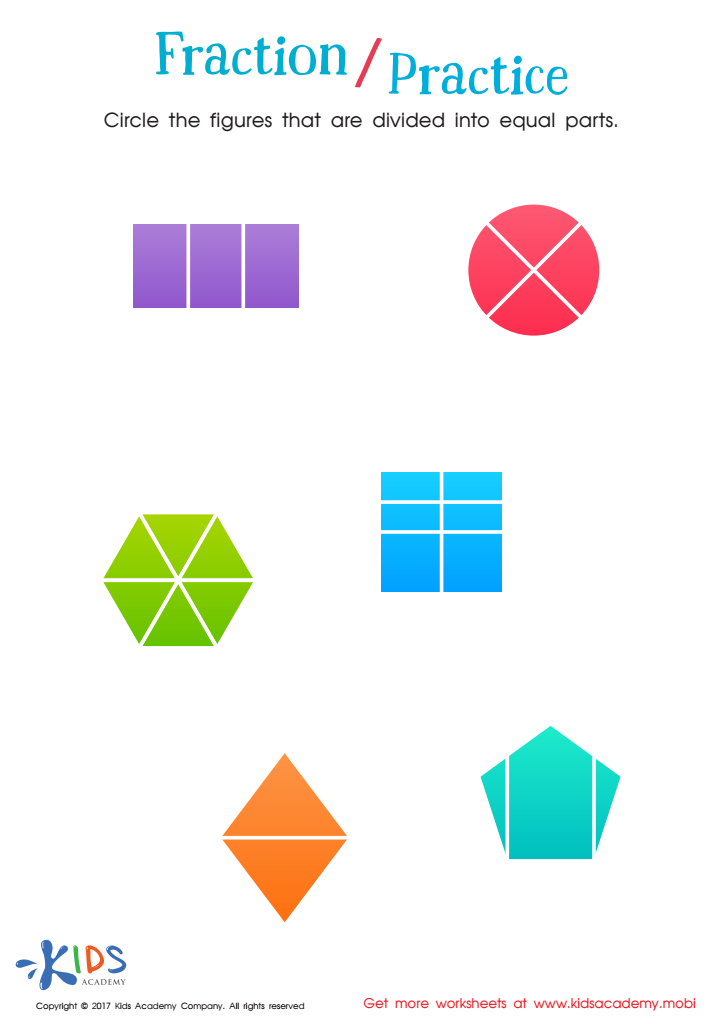
Get your printable now. Kids learn math differently today than you did in school; understanding concepts rather than memorizing facts. Help your child understand fractions with this printable worksheet. It'll help your child recognize parts of a whole, identify equal parts and build a foundation for numeracy. A better understanding sets kids up for math success! Get your printable now.
Fractions: Shapes Worksheet
Worksheet
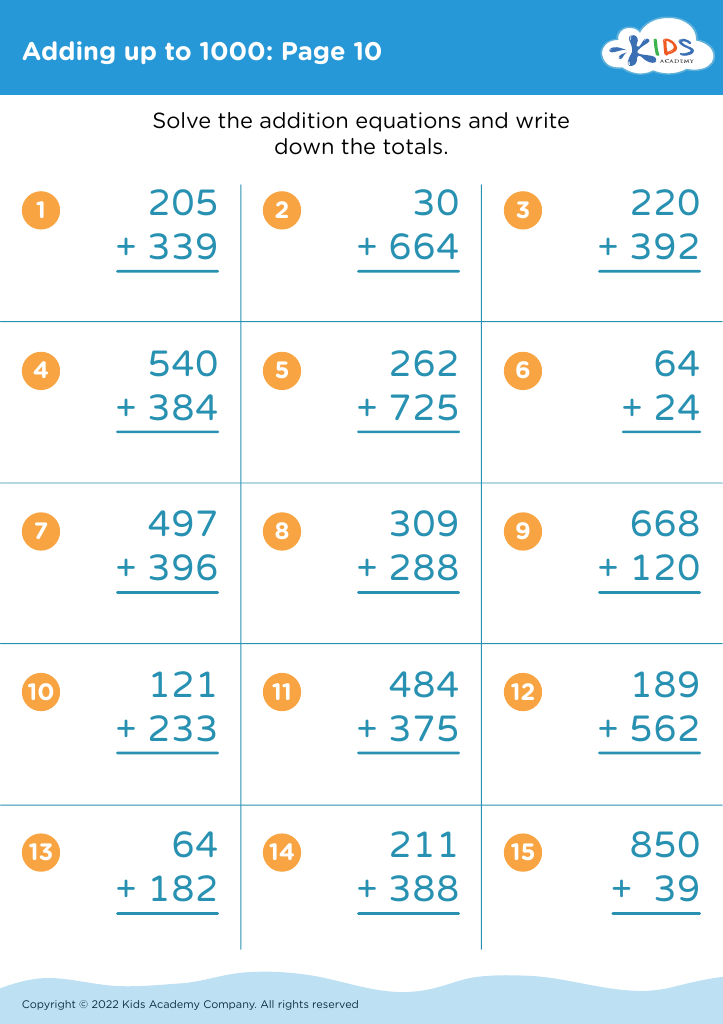
Adding up to 1000: Page 10

Adding up to 1000: Page 10

Adding up to 1000: Page 10
Worksheet
Fractions: Assessment 3 Worksheet
Fractions: Assessment 3 Worksheet
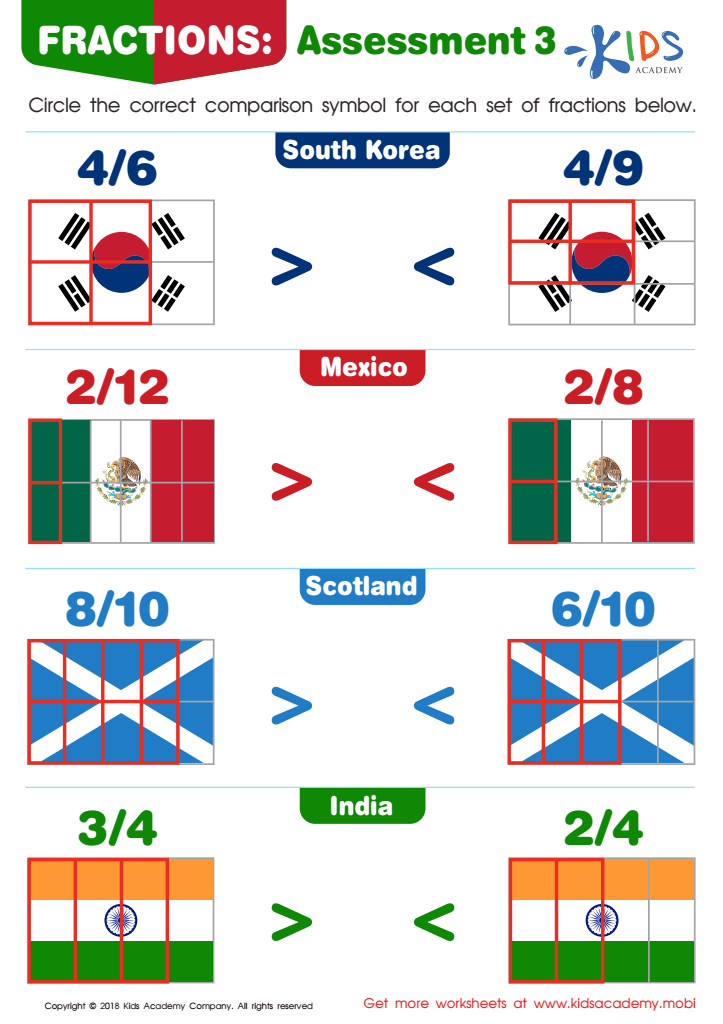
This worksheet helps teach kids about fractions and introduces them to countries and their flags. Have them read the country names and point to the flags. Then help them assess the fractions, and ask them to circle the symbol that shows their values.
Fractions: Assessment 3 Worksheet
Worksheet
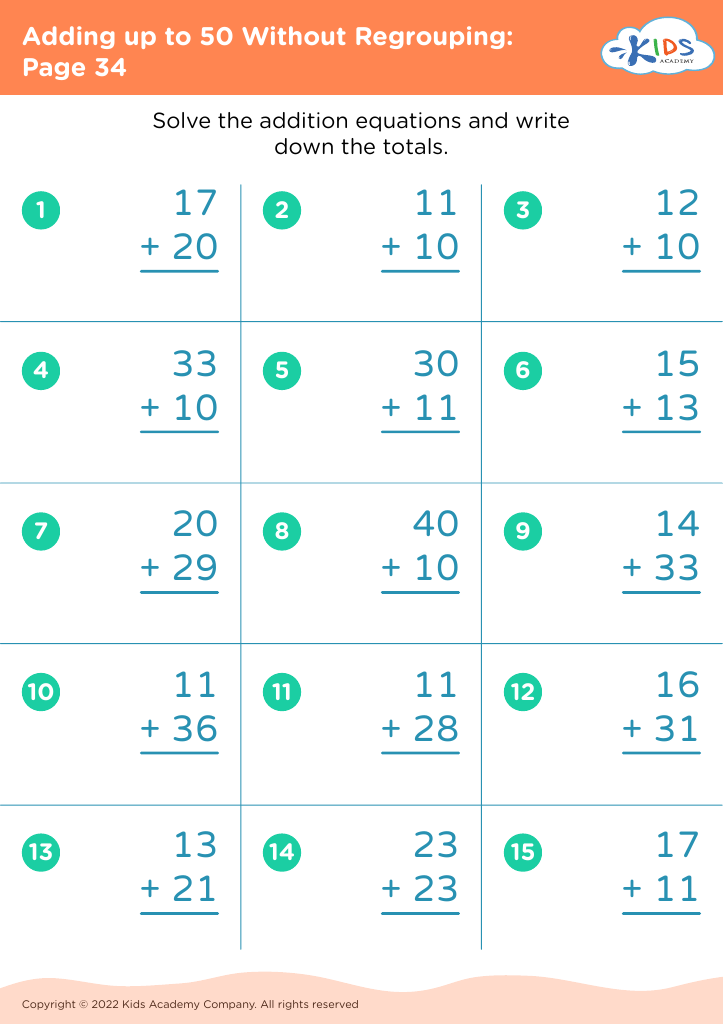
Adding up to 50 Without Regrouping: Page 34
Worksheet
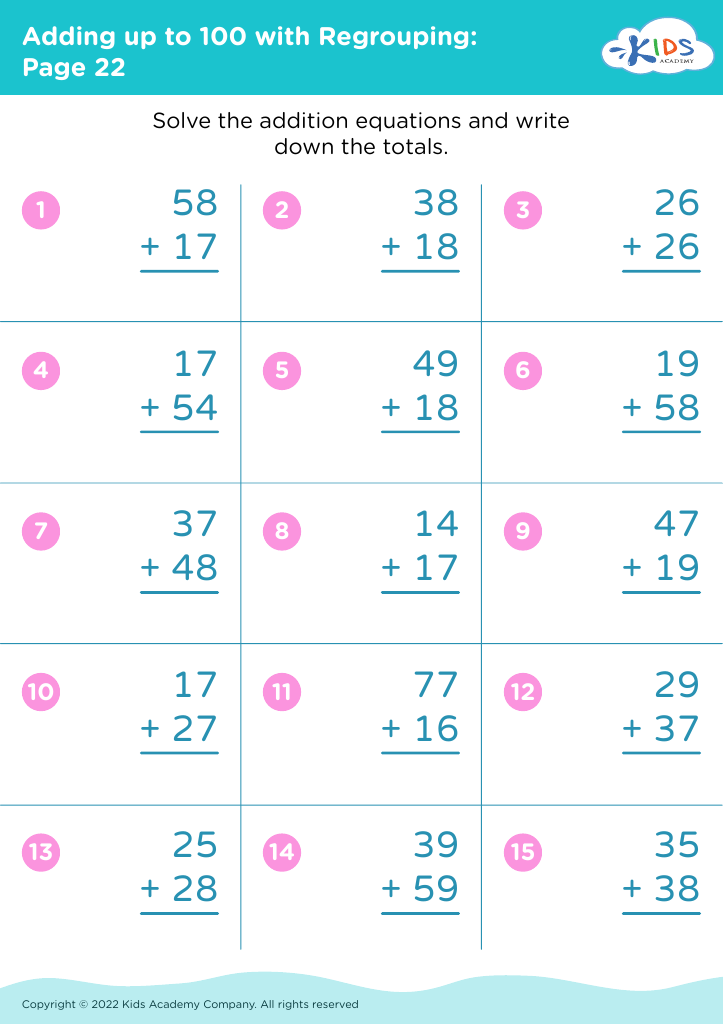
Adding up to 100 with Regrouping: Page 22
Worksheet
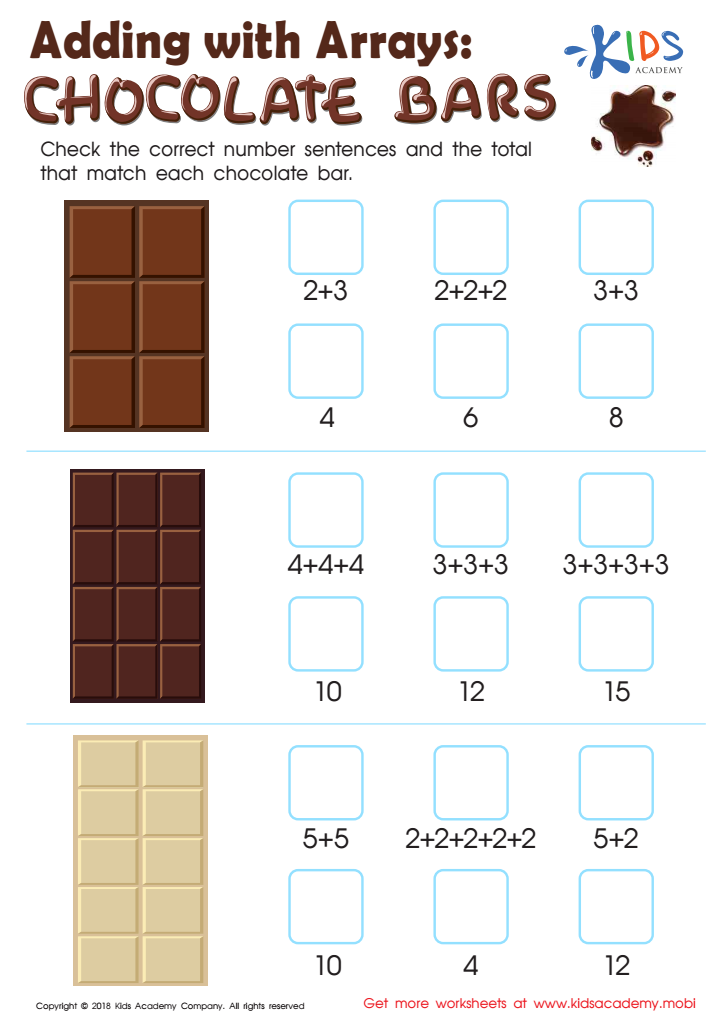
Adding with Arrays: Chocolate Bars Worksheet

Adding with Arrays: Chocolate Bars Worksheet

Kids love chocolates! Gauge how enthused your kids get when you mention them. This worksheet is a fun exercise about chocolates - get your kids to check the correct number sentences and totals for each chocolate bar. Reward their hard work with some chocolates - extra incentive for a job well done!
Adding with Arrays: Chocolate Bars Worksheet

Worksheet
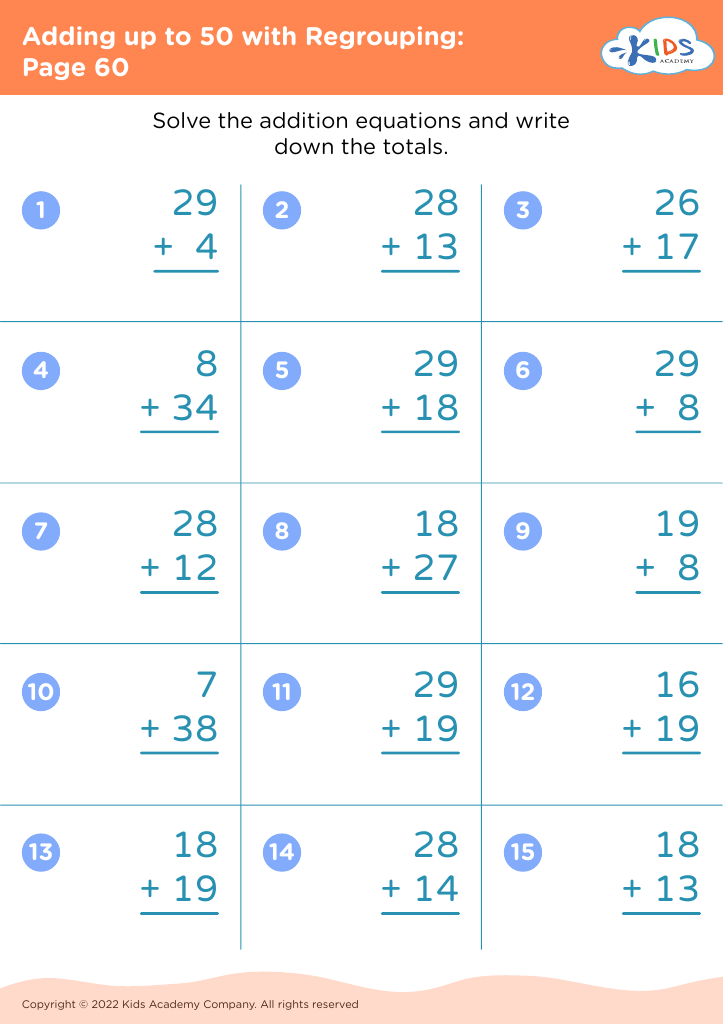
Adding up to 50 with Regrouping: Page 60
Worksheet


Comparing fractions is a fundamental mathematical skill that serves as a building block for more complex concepts later in mathematics. For children aged 4-9, understanding fractions not only deepens their number sense but also fosters critical thinking and problem-solving skills. Parents and teachers should care about this foundational knowledge as it helps children make sense of the world around them, whether they're sharing snacks equally, measuring ingredients for a recipe, or understanding portions in various contexts.

At this age, children are naturally curious and eager to learn. Introducing the concept of comparing fractions in engaging ways—like through visual aids, real-life contexts, and games—can make math enjoyable and relevant. This early exposure diminishes math anxiety they may face in later grades, as confident math learners build positive attitudes toward the subject.

Moreover, a solid grasp of comparing fractions is crucial for progressing in math, where concepts such as addition, subtraction, and even algebraic reasoning rely on foundational fraction knowledge. In short, by prioritizing this skill, parents and teachers can empower children with essential tools for academic success and everyday decision-making, fostering lifelong mathematical understanding and confidence.