Counting skills Worksheets for Ages 4-9 - Page 2
510 filtered results
-
From - To
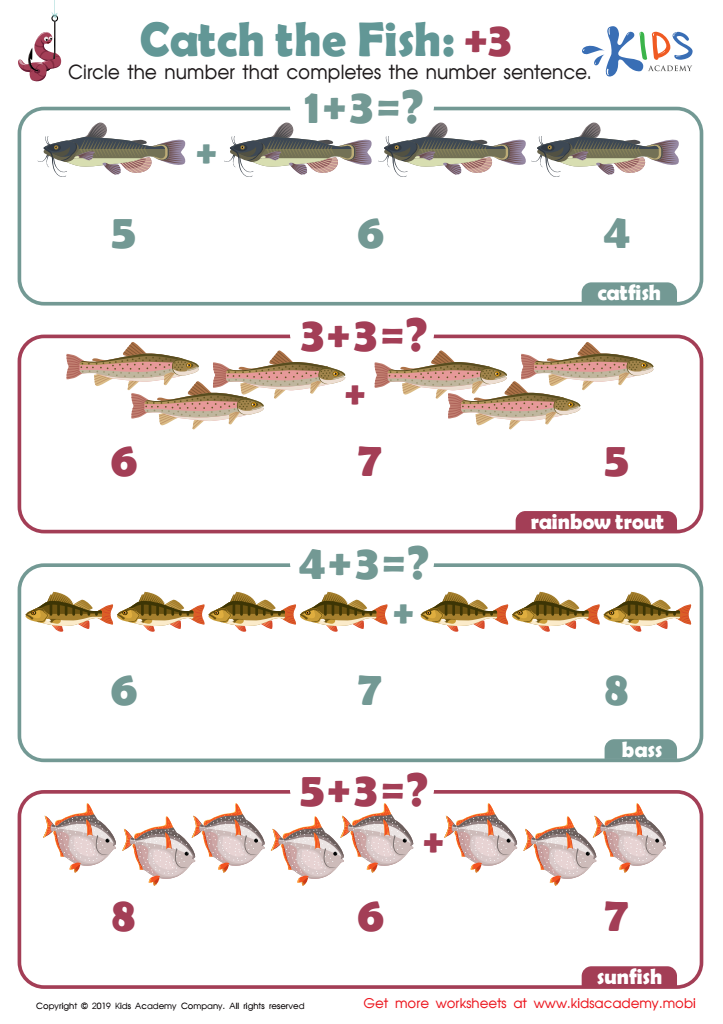
Catch the Fish: +3 Worksheet
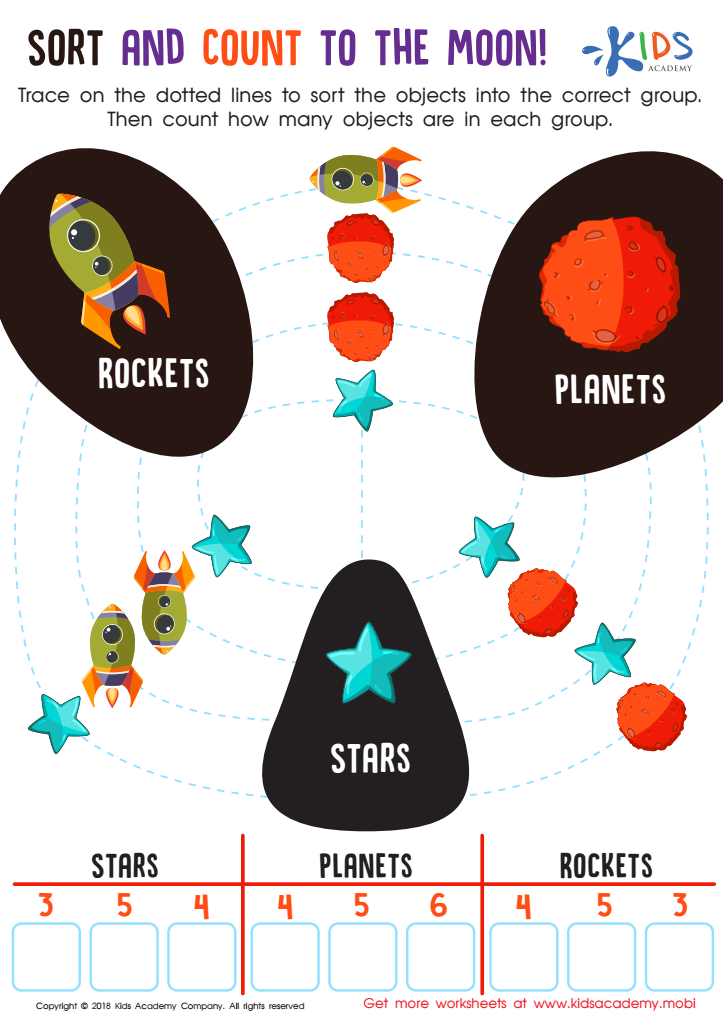
Sort and Count to the Moon Worksheet
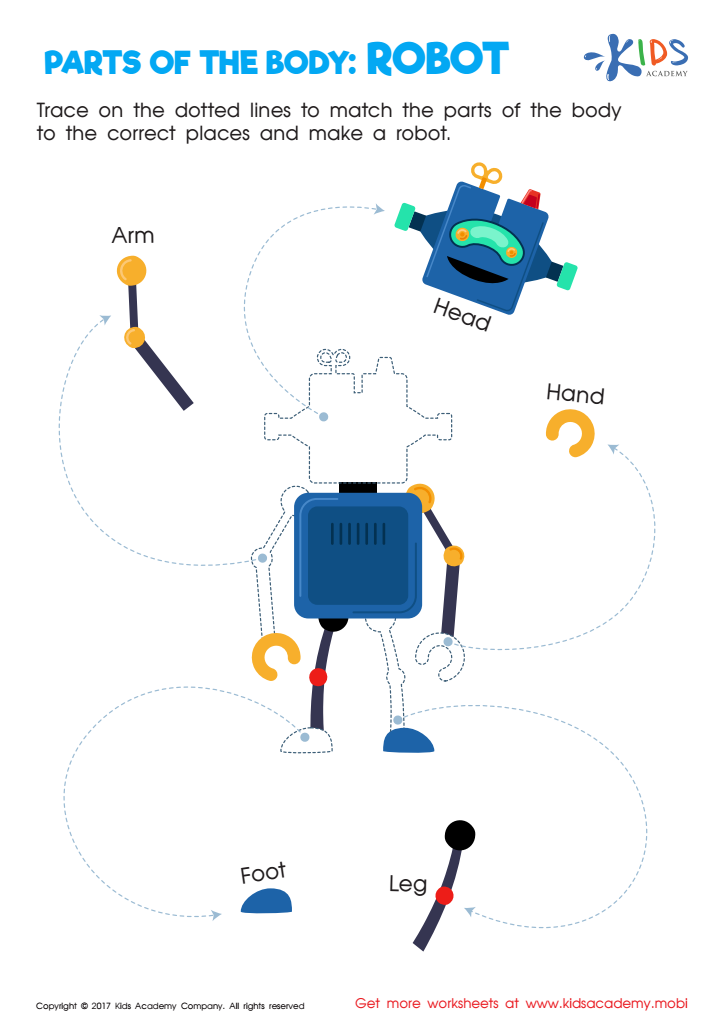
Robot Printable
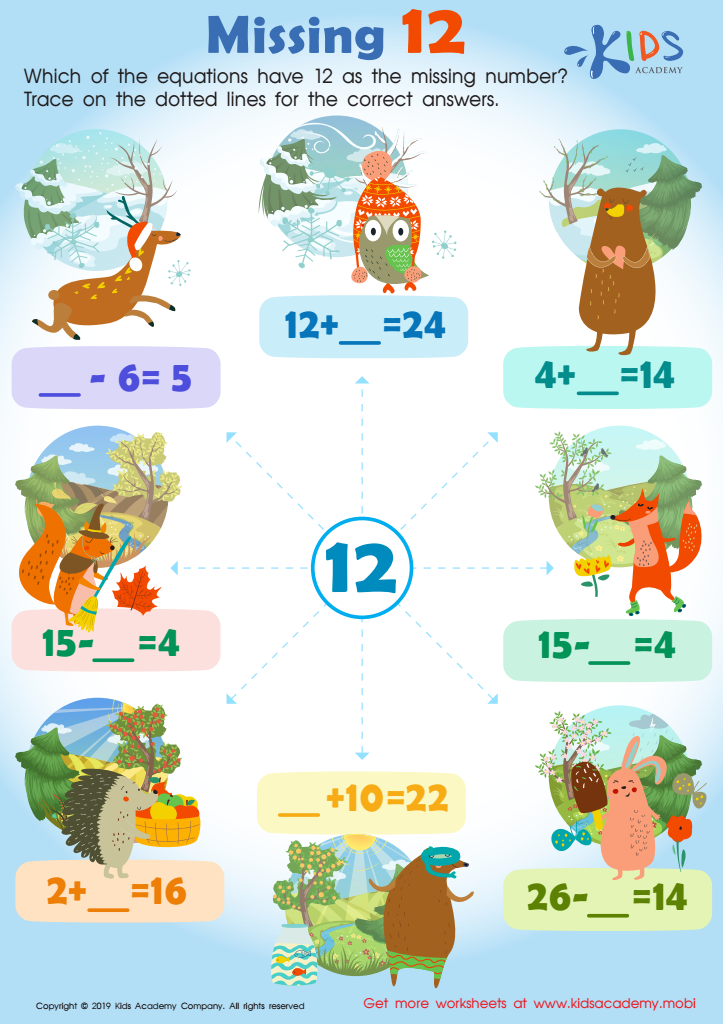
Missing 12 Worksheet
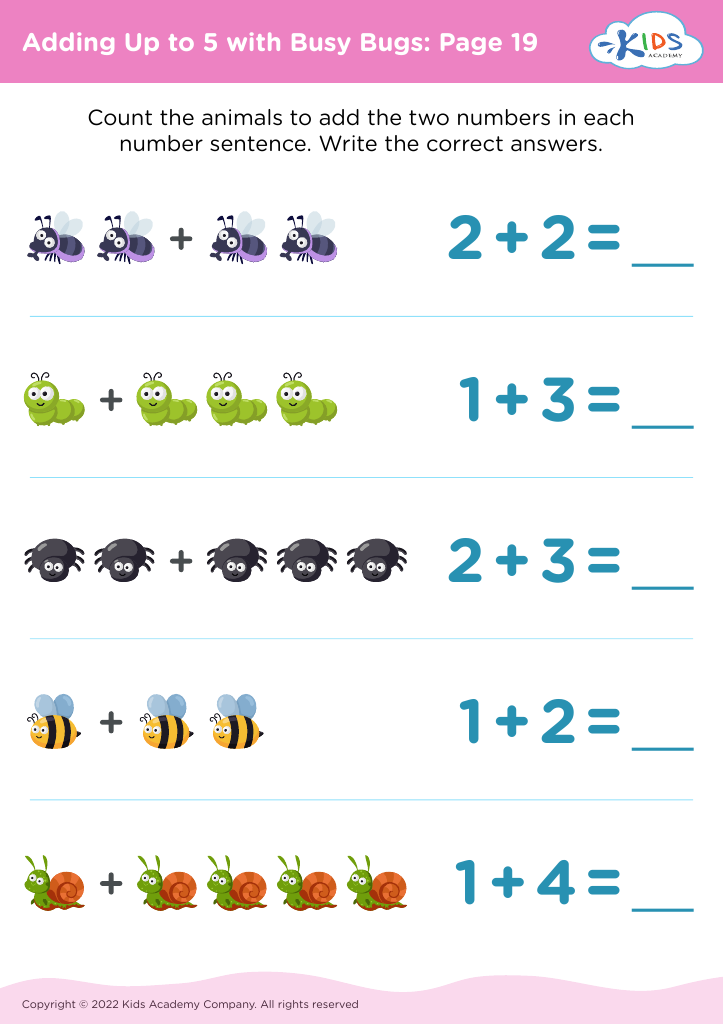
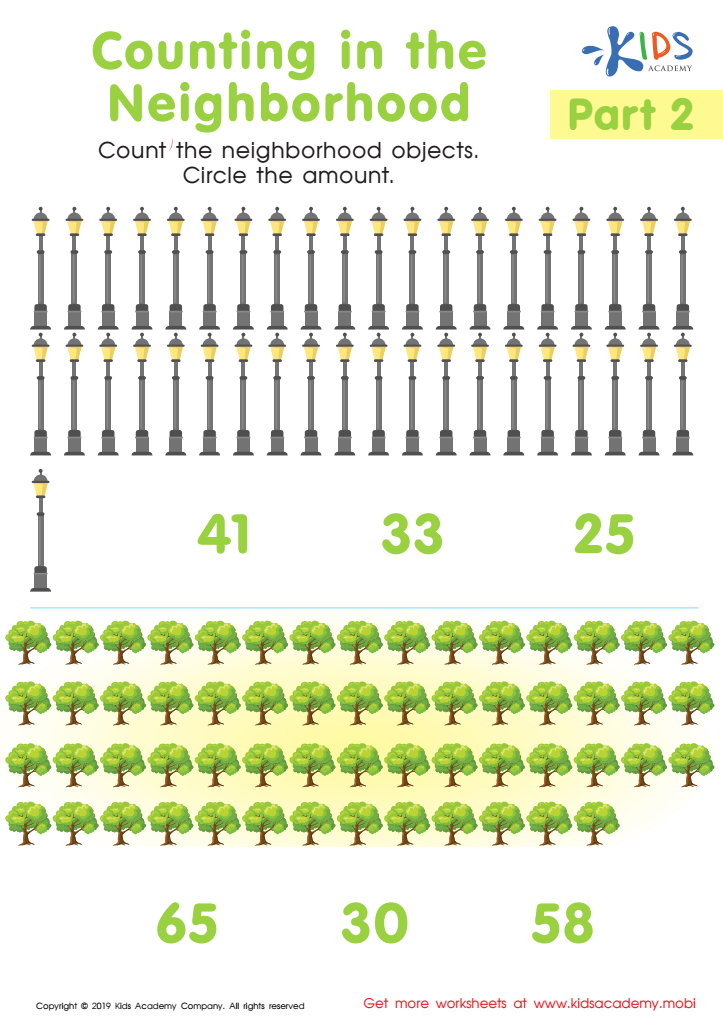
Counting In The Neighborhood Part 2 Worksheet
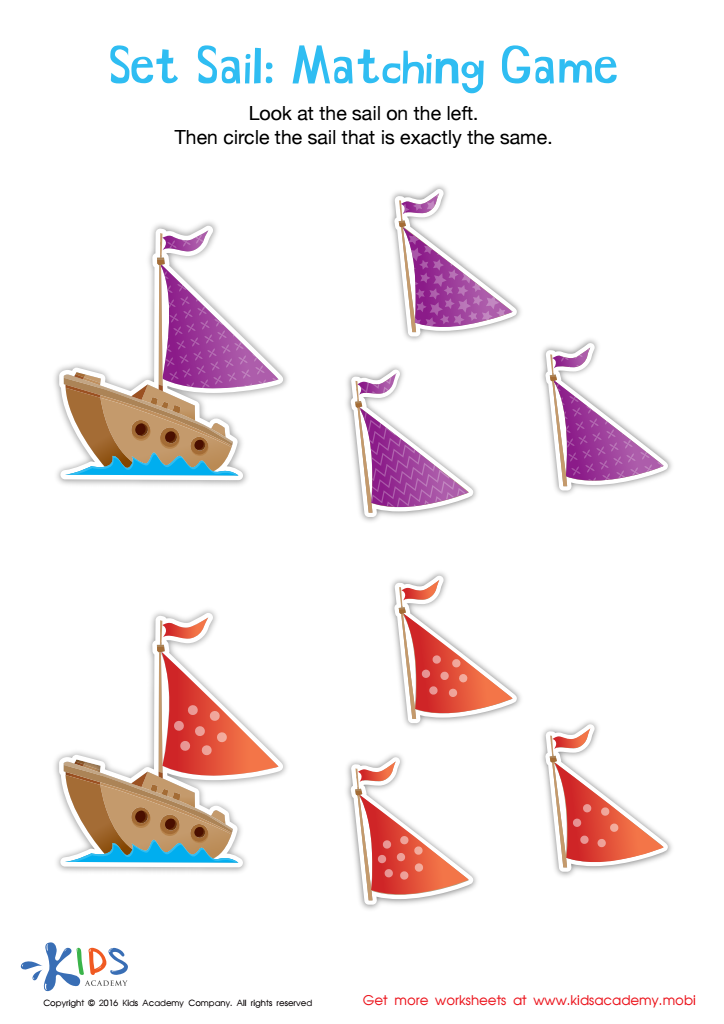
Set Sail Worksheet
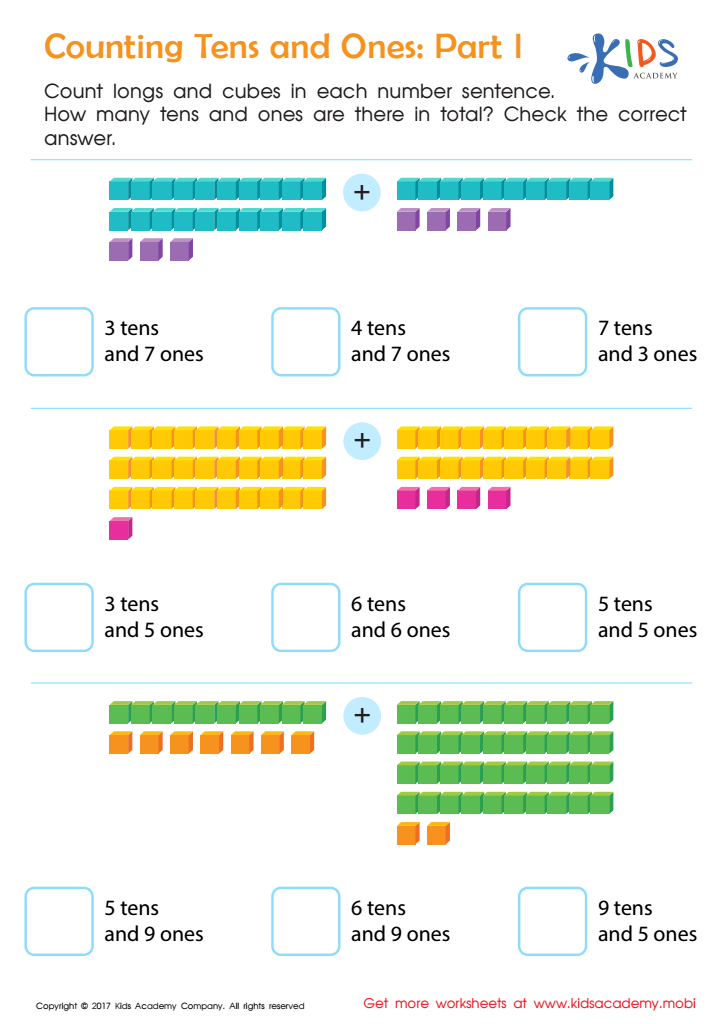
Counting Tens and Ones: Part 1 Worksheet
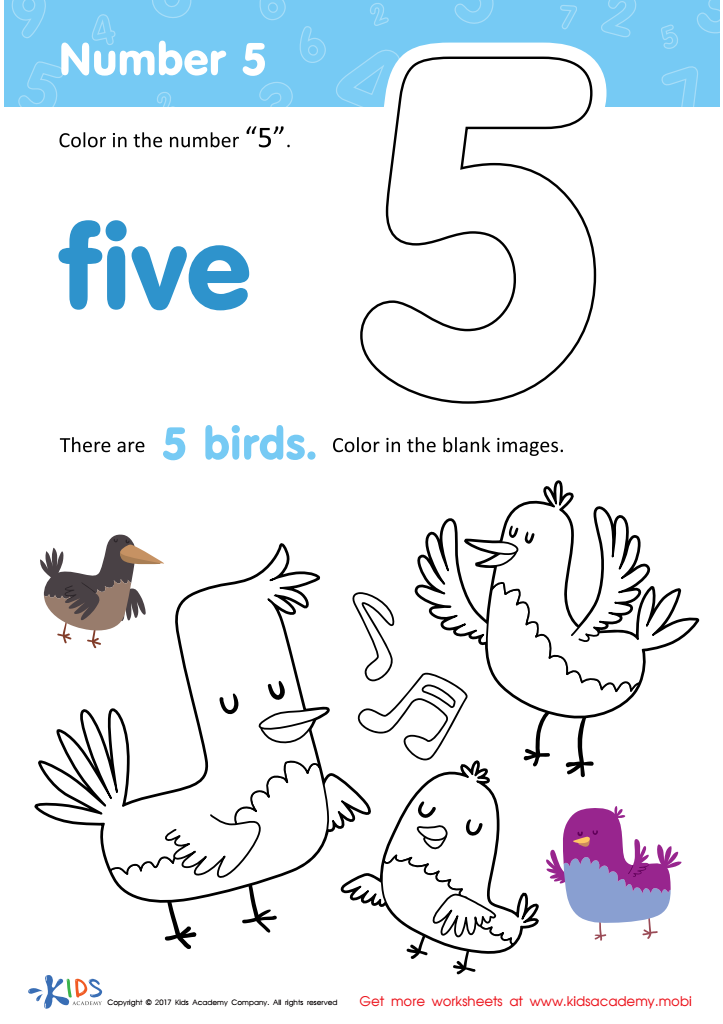
Number 5 Printable
 Assign to My Students
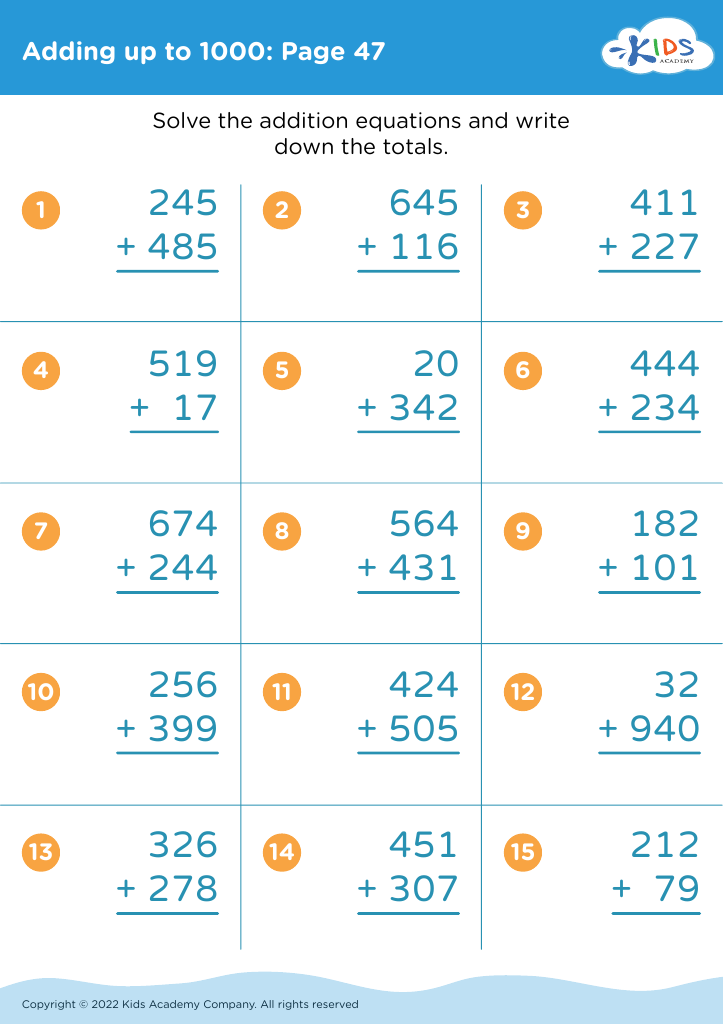
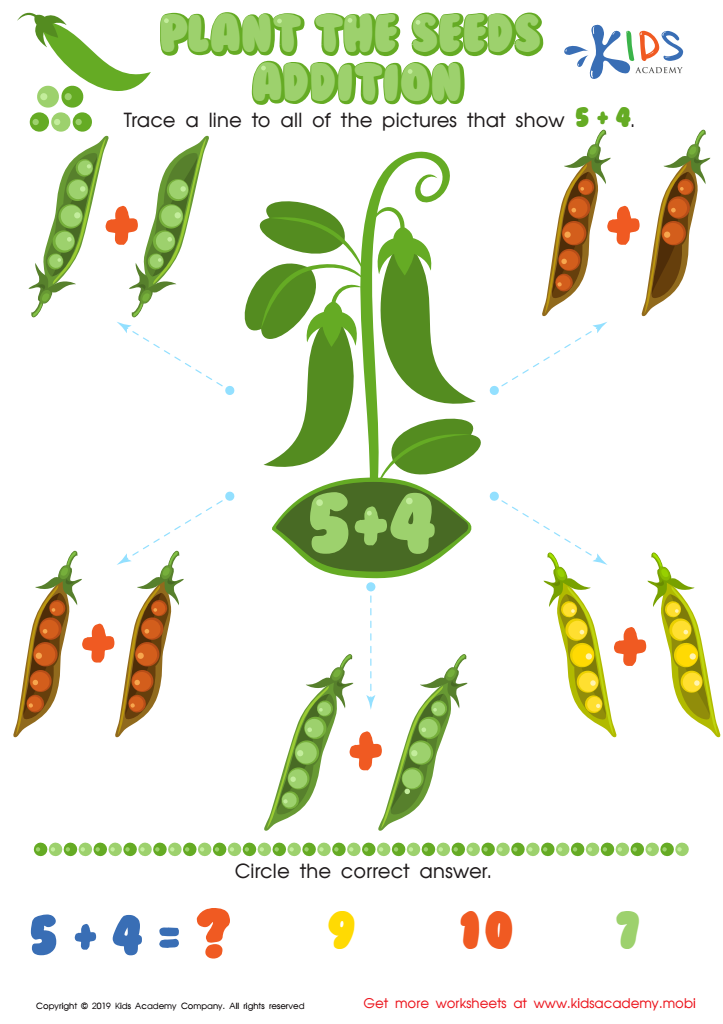
Plant the Seeds Addition Worksheet
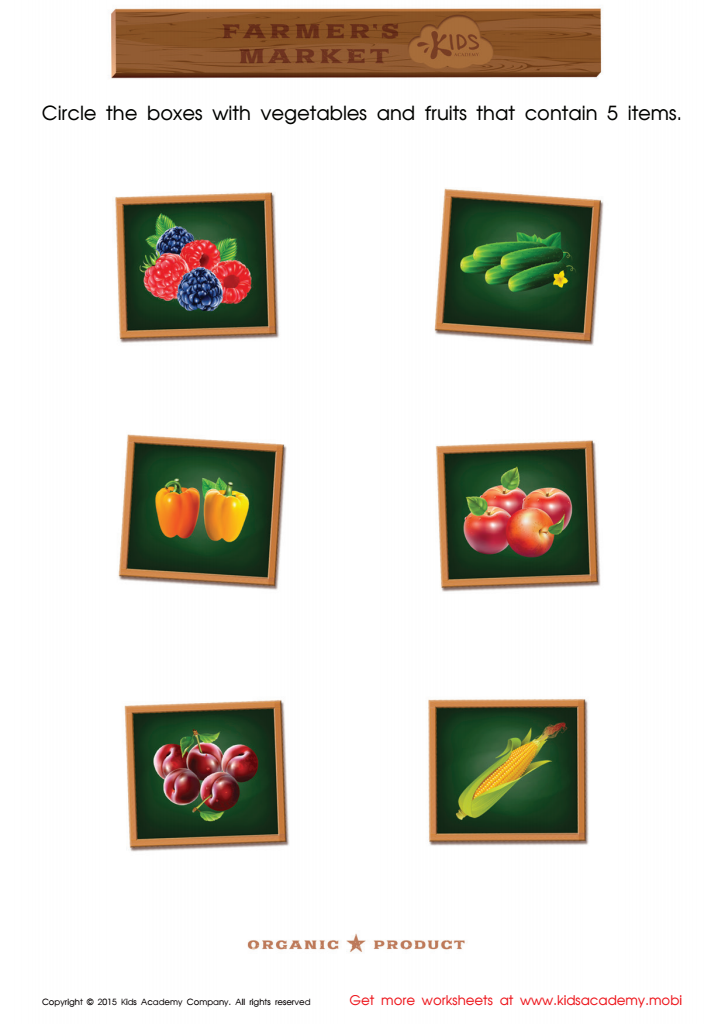
Count and Match Vegetables 1 – 7 Math Worksheet
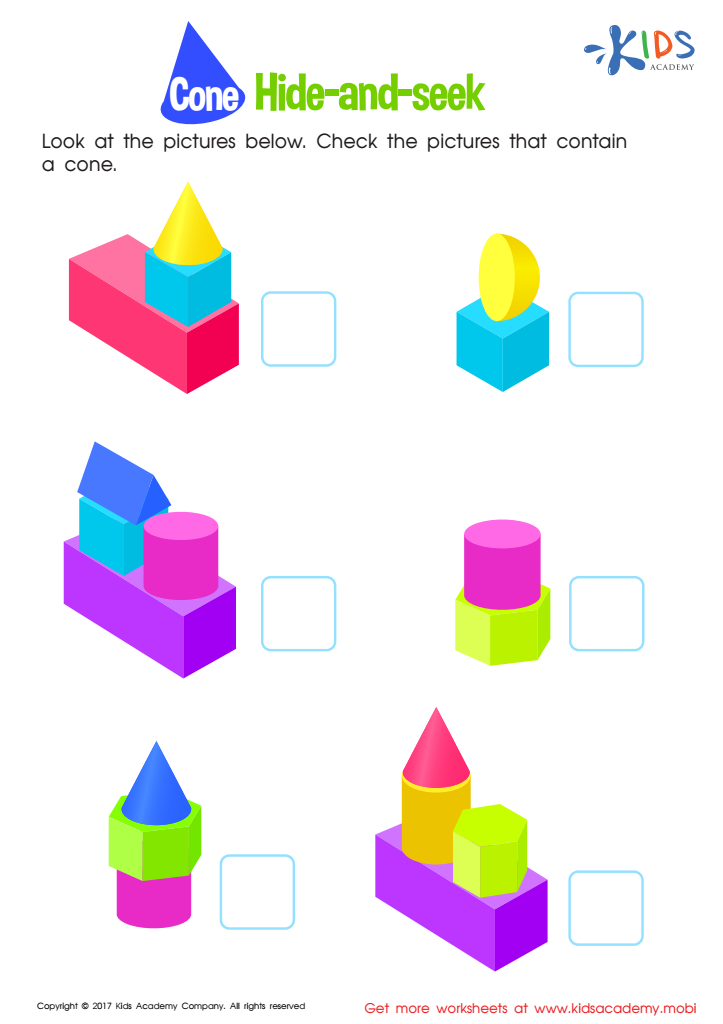
Cone Hide-and-Seek Worksheet
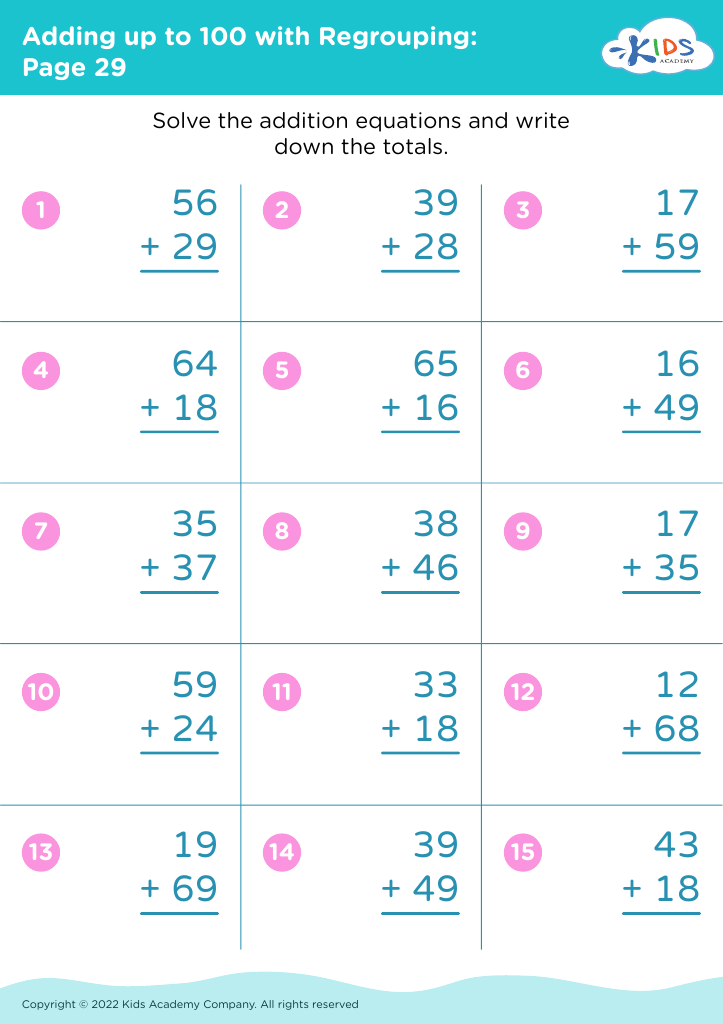
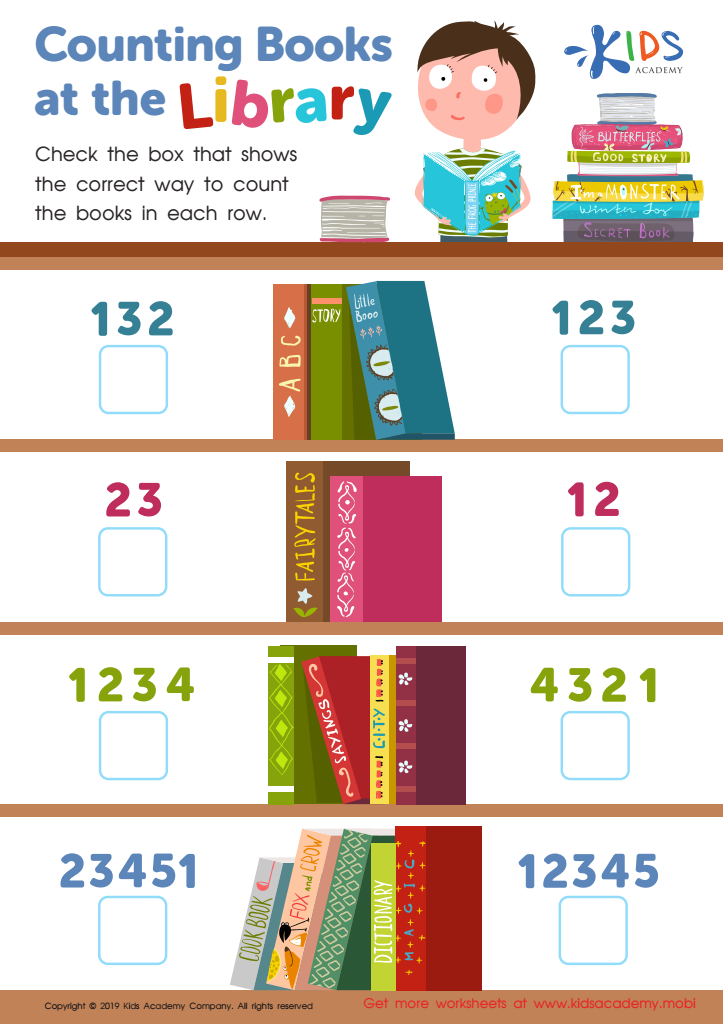
Counting Books at the Library Worksheet
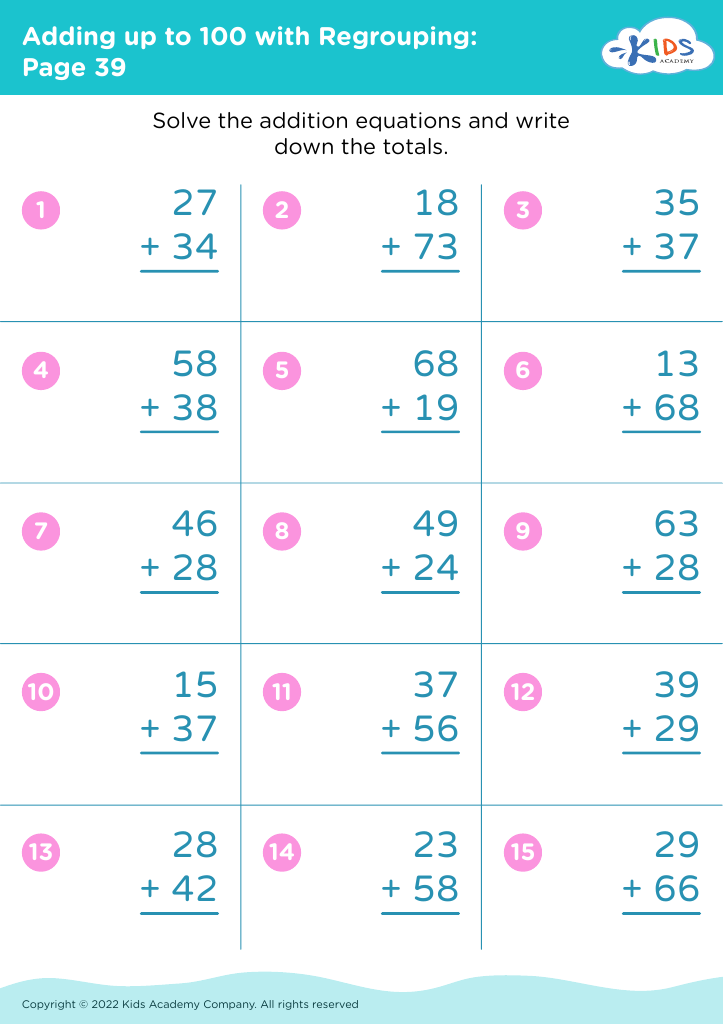
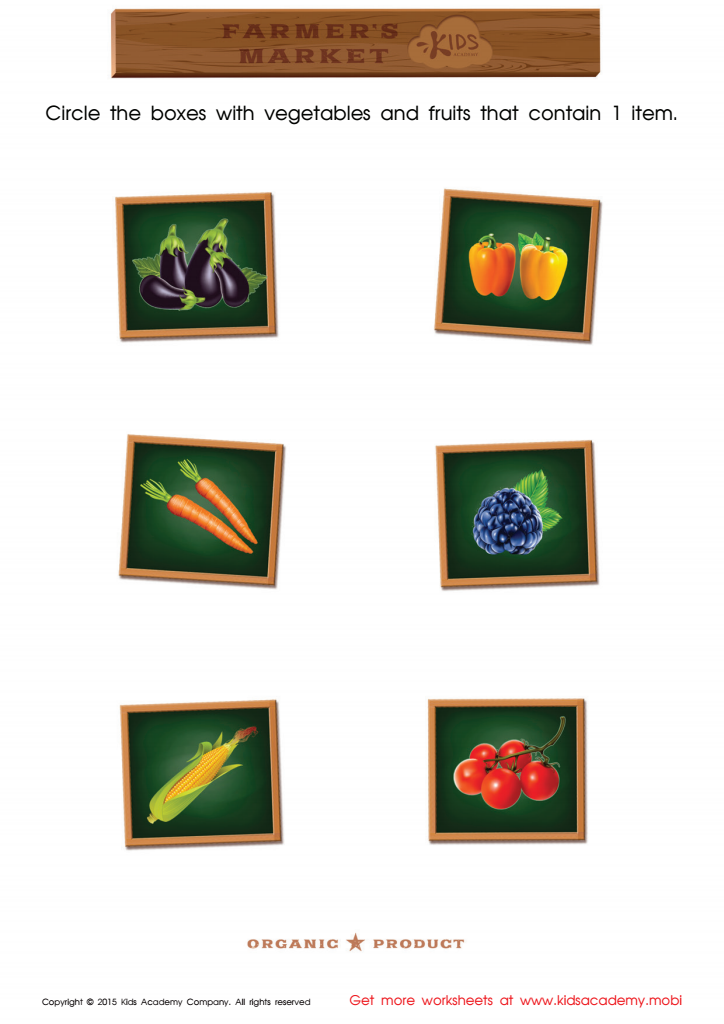
Count and Match Boxes with Vegetables
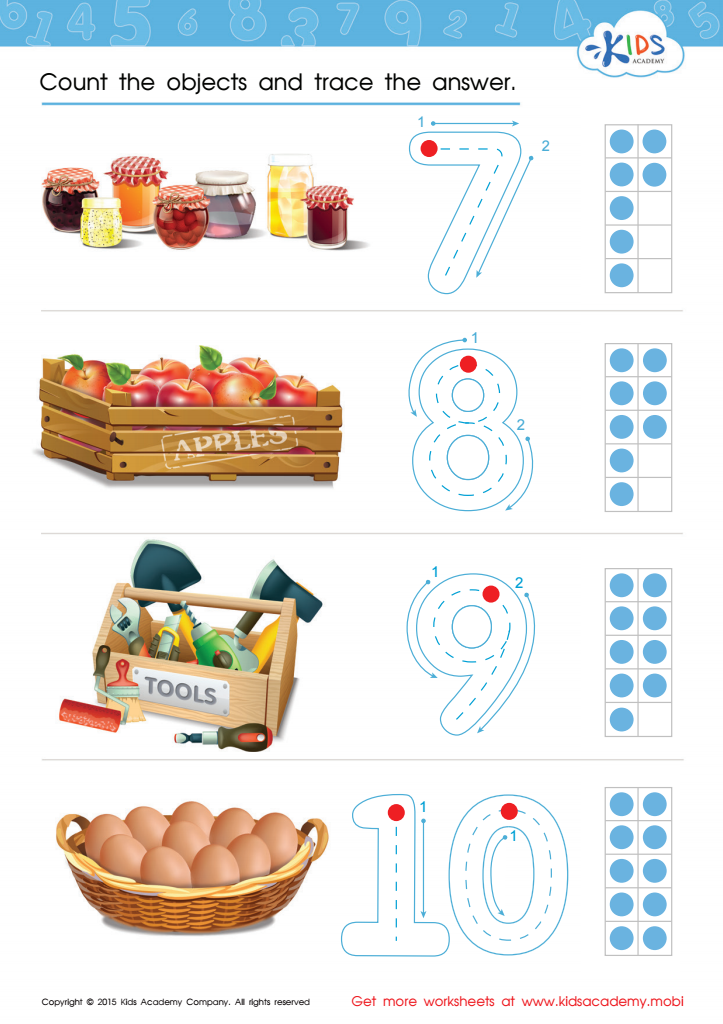
Count and Trace 7 – 10 Worksheet

African Wildlife: Giraffe Worksheet




.jpg)



Counting skills are fundamental building blocks for mathematical understanding, making them crucial for children's development between the ages of 4 and 9. For parents and teachers, ensuring that children master counting is essential because it lays the groundwork for more advanced numerical concepts, such as addition, subtraction, multiplication, and division.
Counting helps children understand the size of numbers, recognize patterns, and develop a sense of sequence and order, which are critical for logical thinking. Early proficiency in counting has been linked to later success in more complex math skills and academic achievement.
Moreover, counting promotes fine motor skills (when manipulating objects), language development (through number words and numerical symbols), and even social skills (such as turn-taking during number games). Recognizing these benefits, parents and educators must prioritize activities and teaching methods that make counting engaging and fun, catering to both the child's curiosity and the curriculum's requirements.
In essence, by concentrating on strong counting skills from an early age, parents and teachers set the stage for lifelong numerical competence and a positive attitude towards mathematics, which is invaluable for educational and everyday life success.








