
Differentiating goods/services Worksheets for Ages 4-9
3 filtered results
Difficulty Level
Grade
Age
-
From - To
Subject
Activity
Standards
Introduce your children to the essential concept of differentiating between goods and services with our engaging worksheets designed for ages 4-9! Created by educational experts, these activities help young learners understand the difference between tangible products and the valuable services provided by people in the community. Easy to use and fun-filled, each worksheet includes practical examples and interactive tasks that enhance comprehension and retention. Perfect for home or classroom settings, these resources support foundational economic understanding and critical thinking skills in an age-appropriate manner. Equip your child with knowledge that builds a brighter future through learning!
Favorites
With answer key
Interactive
 Assign to My Students
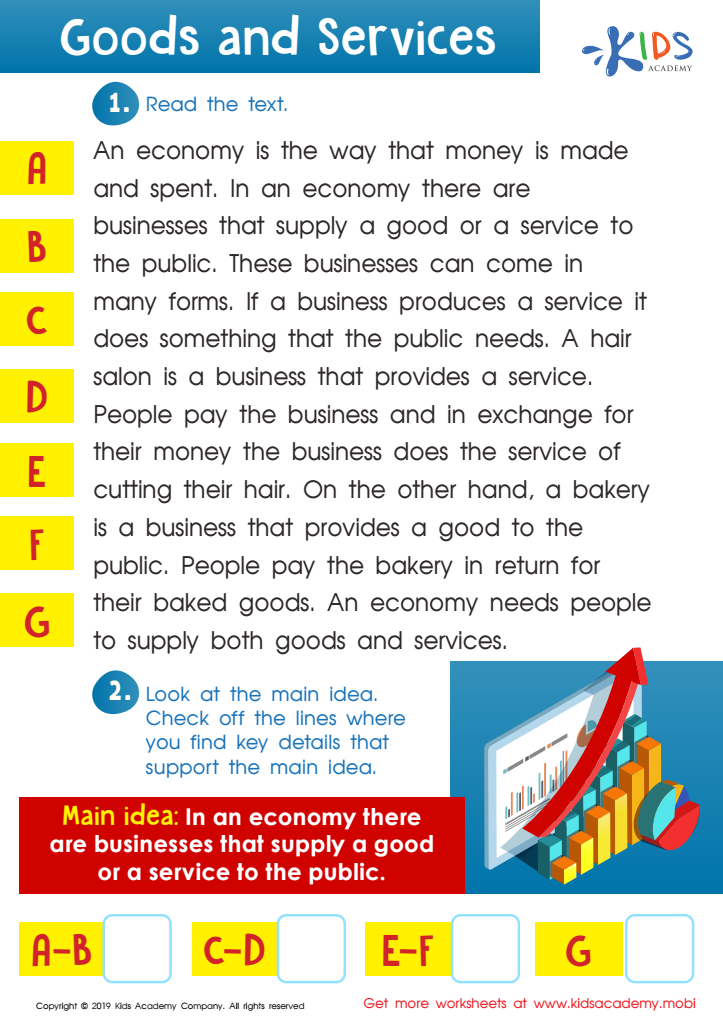
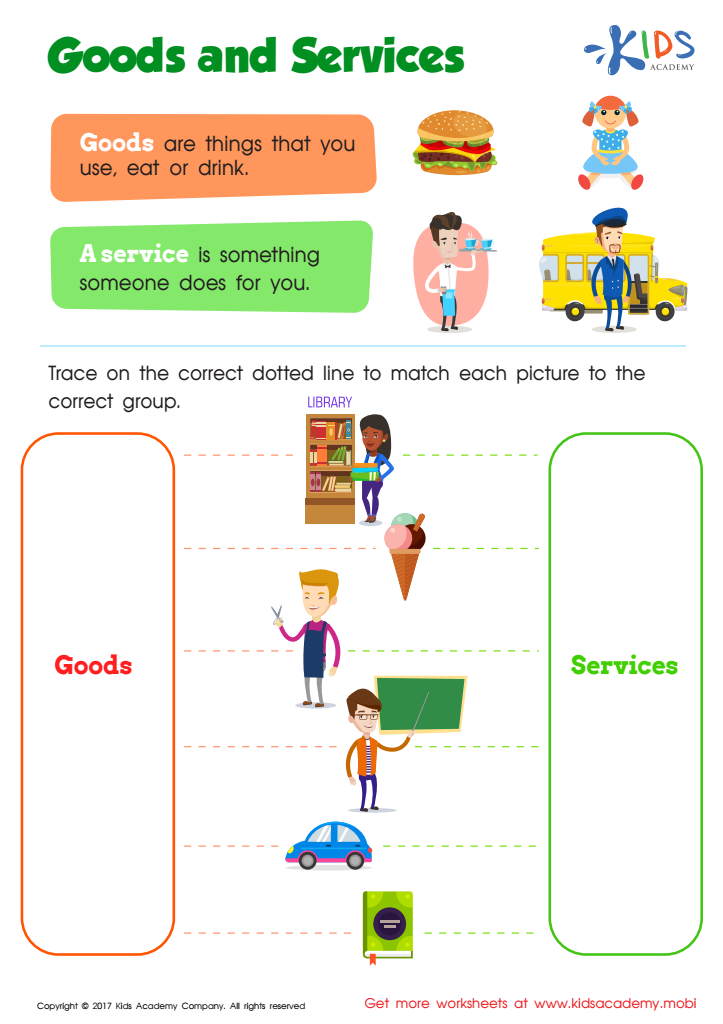
Goods and Services Worksheet
Teach your kids about the economy and businesses with this worksheet. Ask them if they know what goods and services are. After they complete the worksheet, they'll have a better understanding. Read the text to them and guide them step-by-step through the instructions. Help them learn!
Goods and Services Worksheet
Worksheet
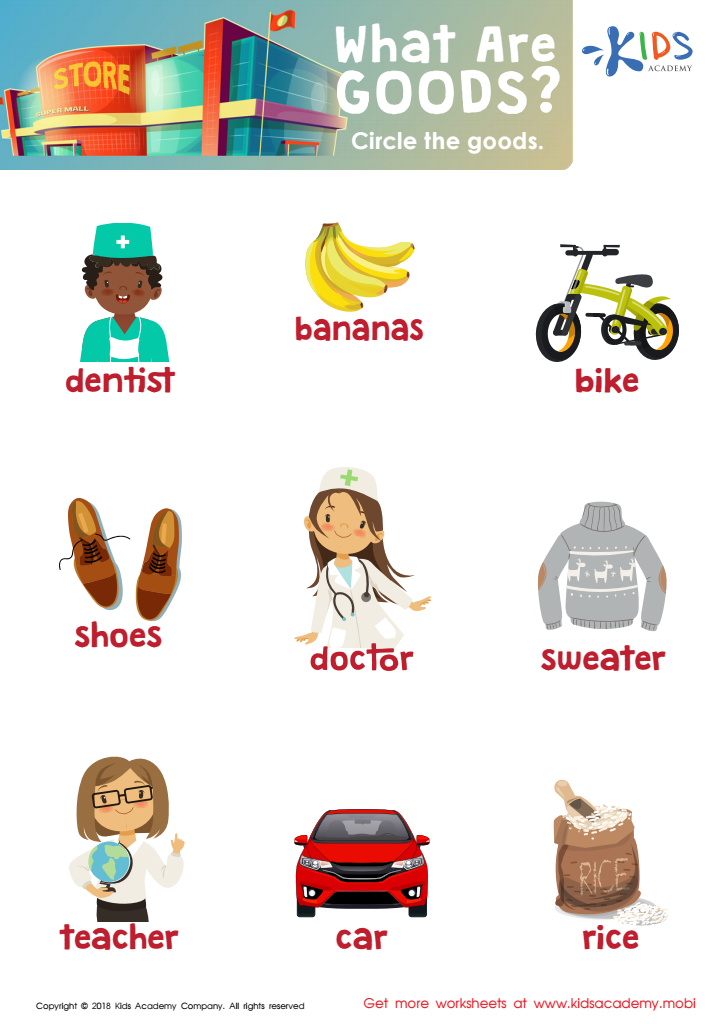
What Are Goods? Worksheet
Introduce your child to economics with this social studies worksheet! It helps kids differentiate between goods and services. Have them look at each picture, discuss what it does, and decide whether it's an object or a service. Encourage them to think carefully and circle the goods. It's a great way to start teaching the basics of economics.
What Are Goods? Worksheet
Worksheet
Join Kids Academy for Free
Who is primarily going to use this learning content?



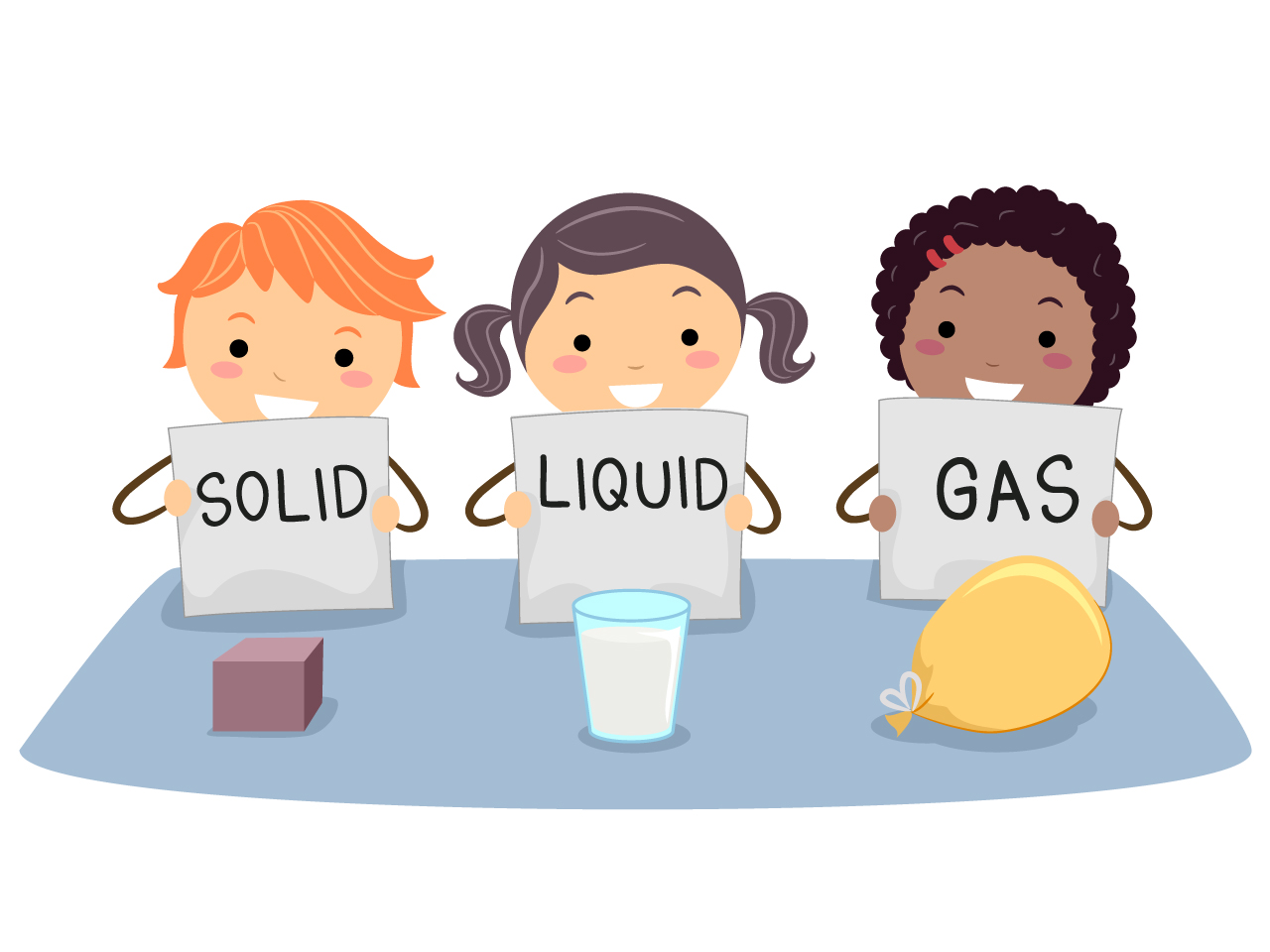



Parents and teachers play a fundamental role in the development of children aged 4-9, a crucial period marked by significant physical, cognitive, and emotional growth. Differentiating goods and services (such as educational materials, toys, and activities) to cater to this age group is essential due to the varying developmental stages and learning needs of each child.
Firstly, kids between 4-9 exhibit a wide range of abilities and interests. Some may excel in reading, while others might show a greater inclination toward physical activities or social interaction. Tailored educational materials and toys can foster engagement and motivate each child to explore and learn at their own pace, encouraging a love for lifelong learning.
Secondly, differentiated goods and services can address the unique developmental milestones of this age range. For example, younger children might benefit from manipulative toys that develop fine motor skills, while older children may require more complex games that challenge their cognitive abilities and problem-solving skills.
Thirdly, inclusivity is crucial; differentiation ensures that children with unique learning needs or disabilities receive the appropriate resources to succeed. By recognizing and responding to the specific developmental needs of children aged 4-9, parents and teachers can provide a more supportive, effective, and enriching environment that promotes overall growth and well-being for every child.








