Identification skills Worksheets for Ages 4-9
11 filtered results
-
From - To
Discover our specially designed Identification Skills Worksheets for children aged 4-9! These engaging activities foster critical thinking and observational skills by helping young learners identify shapes, patterns, numbers, letters, and more. Ideal for early grade students, our worksheets are filled with vibrant illustrations and interactive exercises tailored to develop foundational abilities in a fun, educational way. Perfect for both classroom and at-home practice, these resources align with key learning objectives, ensuring your child builds confidence while progressing through essential developmental milestones. Explore our collection today and watch your child's identification skills flourish!
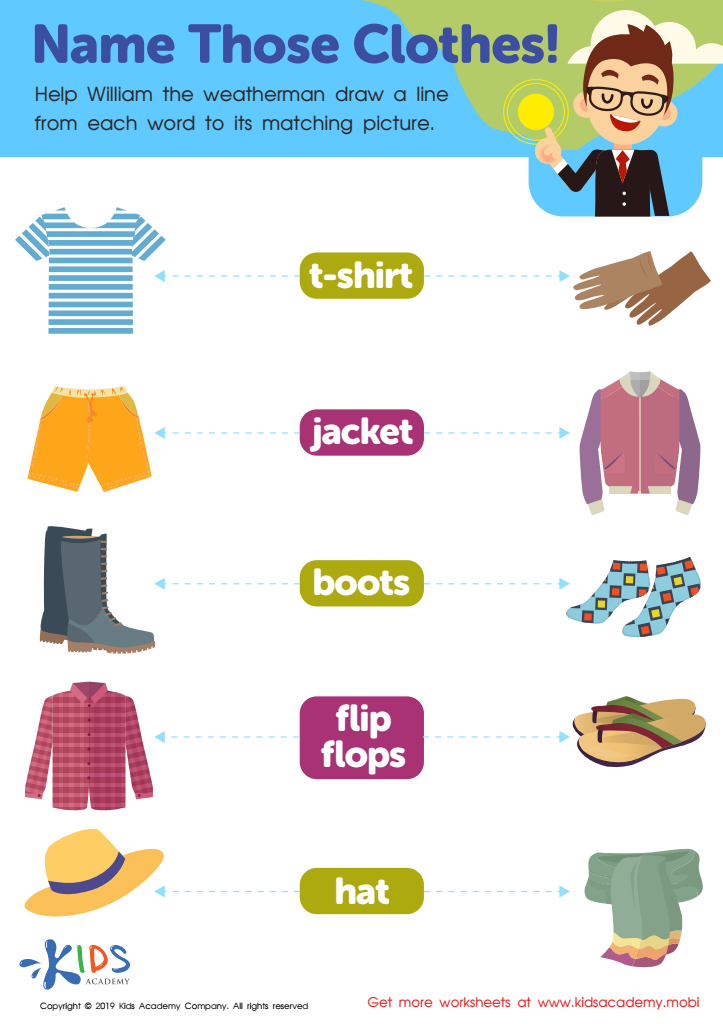
Name Those Clothes Worksheet
 Assign to My Students
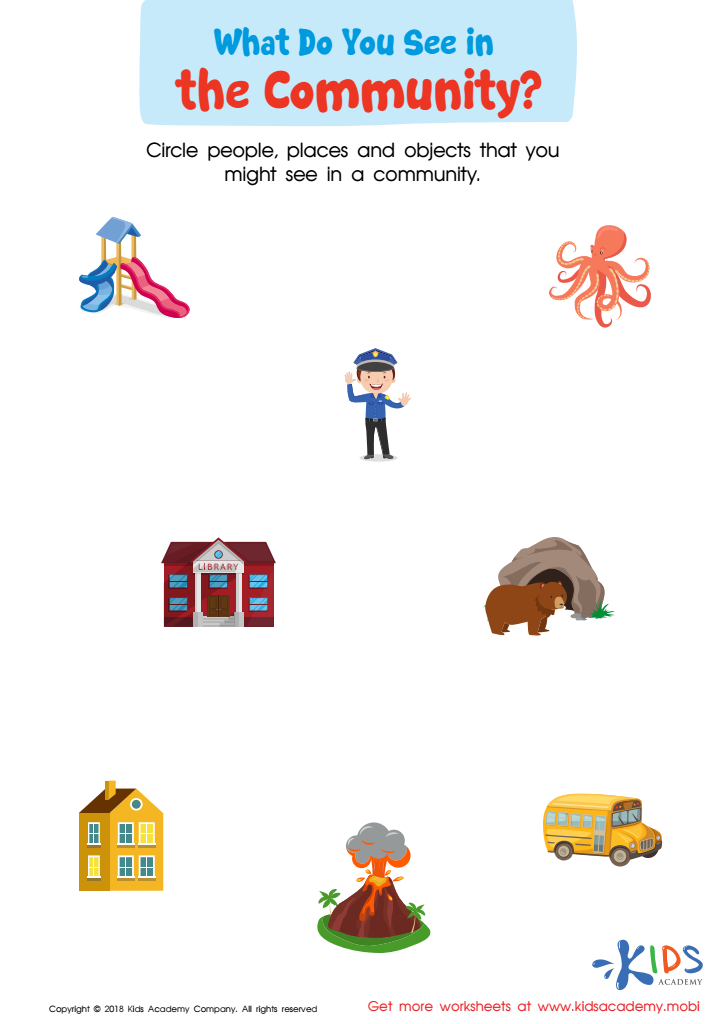
What Do You See in the Community Worksheet
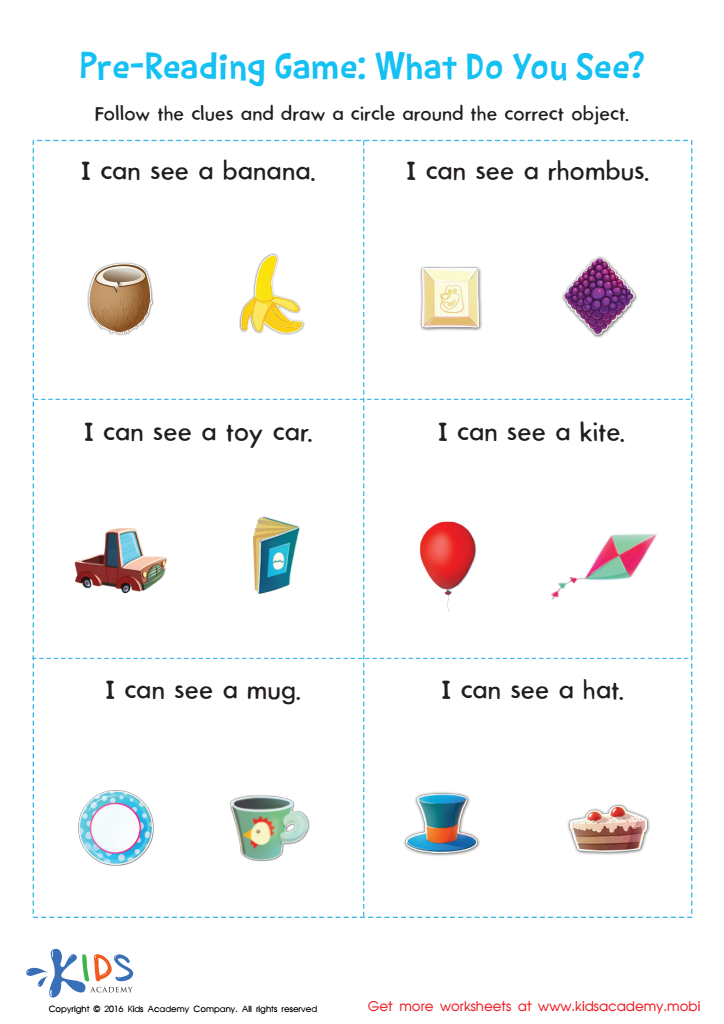
Pre–reading Worksheet: What Do You See?
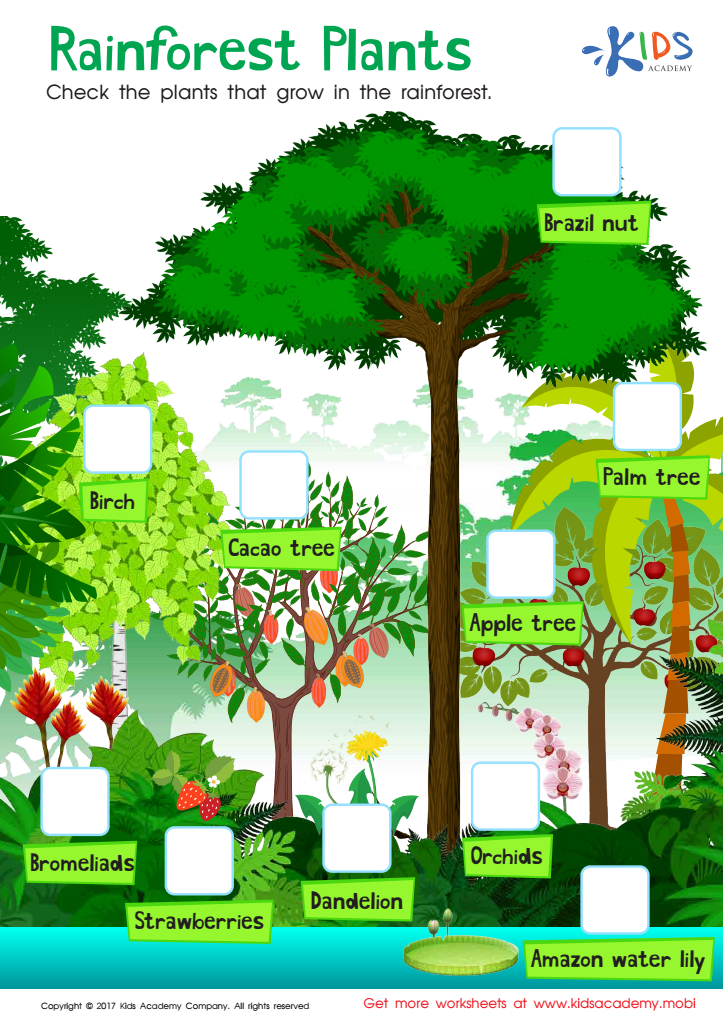
Rainforest Plants Worksheet
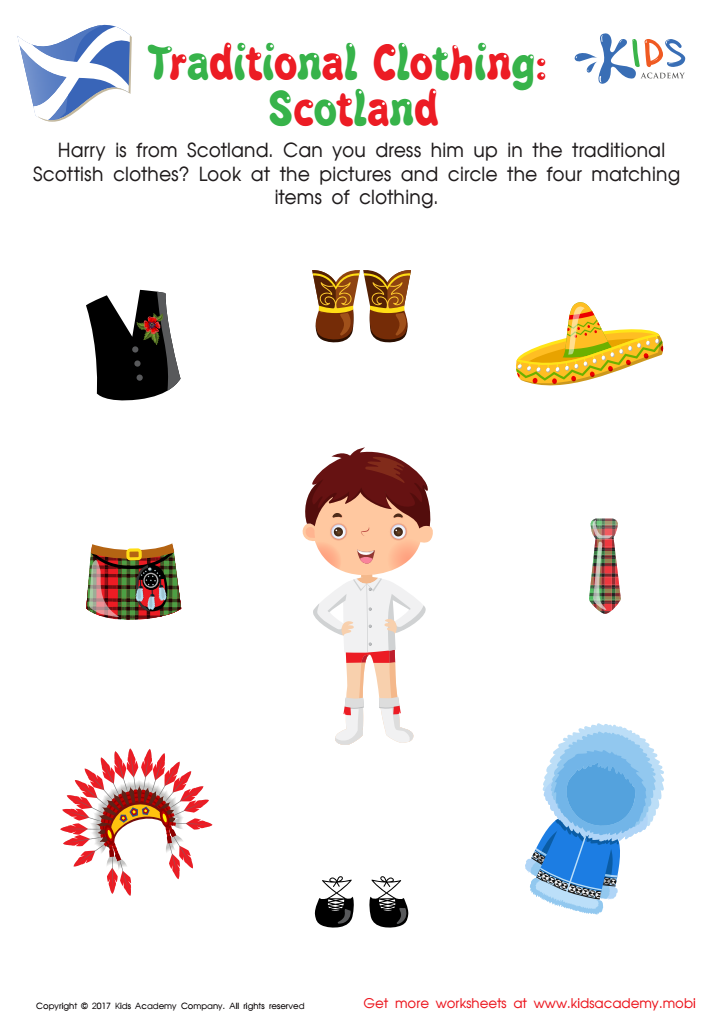
Traditional Clothing in Scotland Worksheet
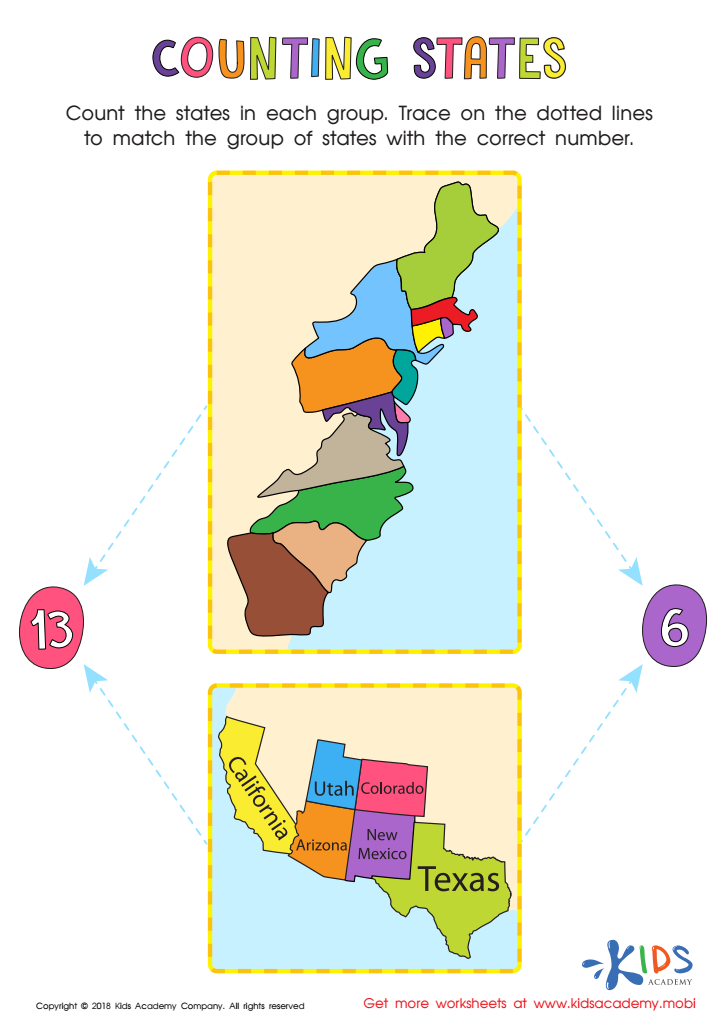
Counting States Worksheet
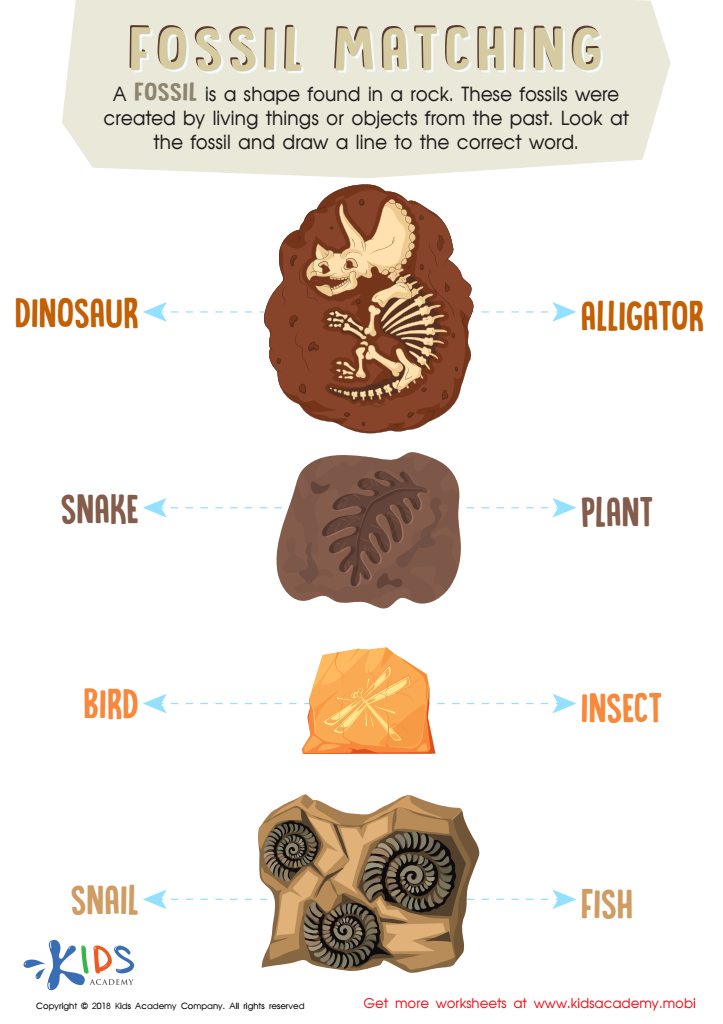
Fossil Matching Worksheet
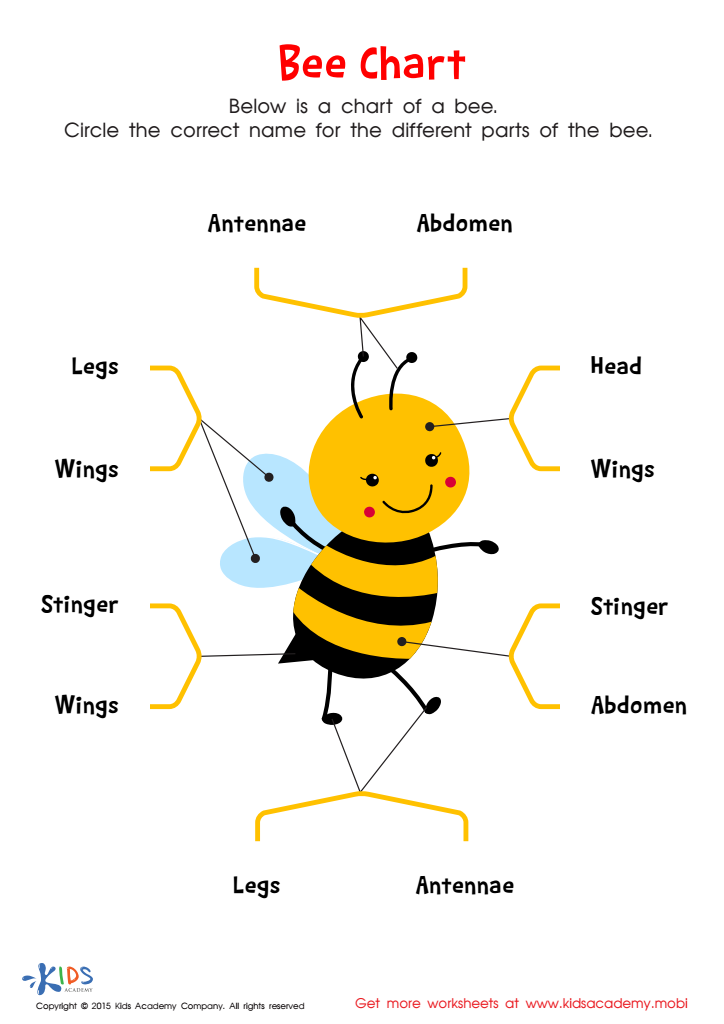
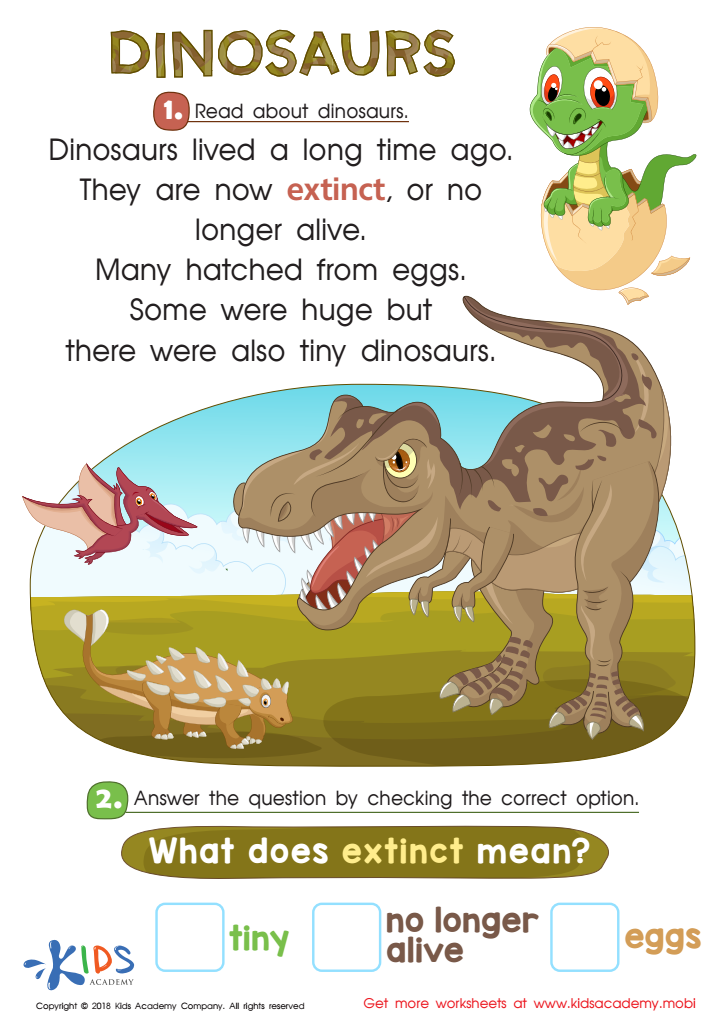
Dinosaurs Worksheet
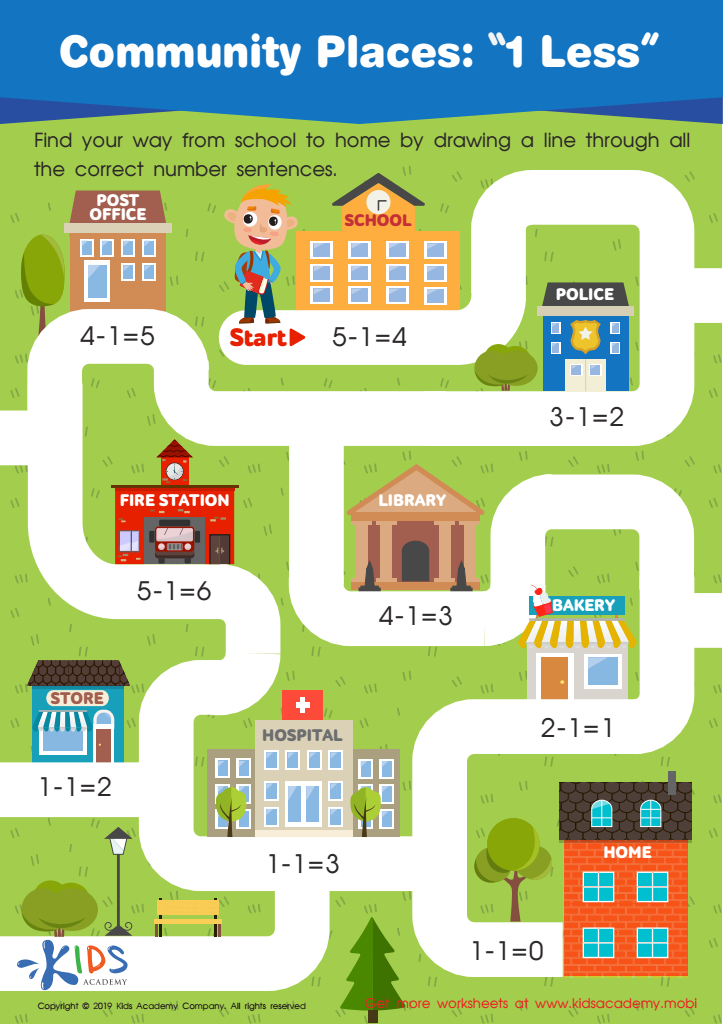
Community Places: 1 Less Worksheet
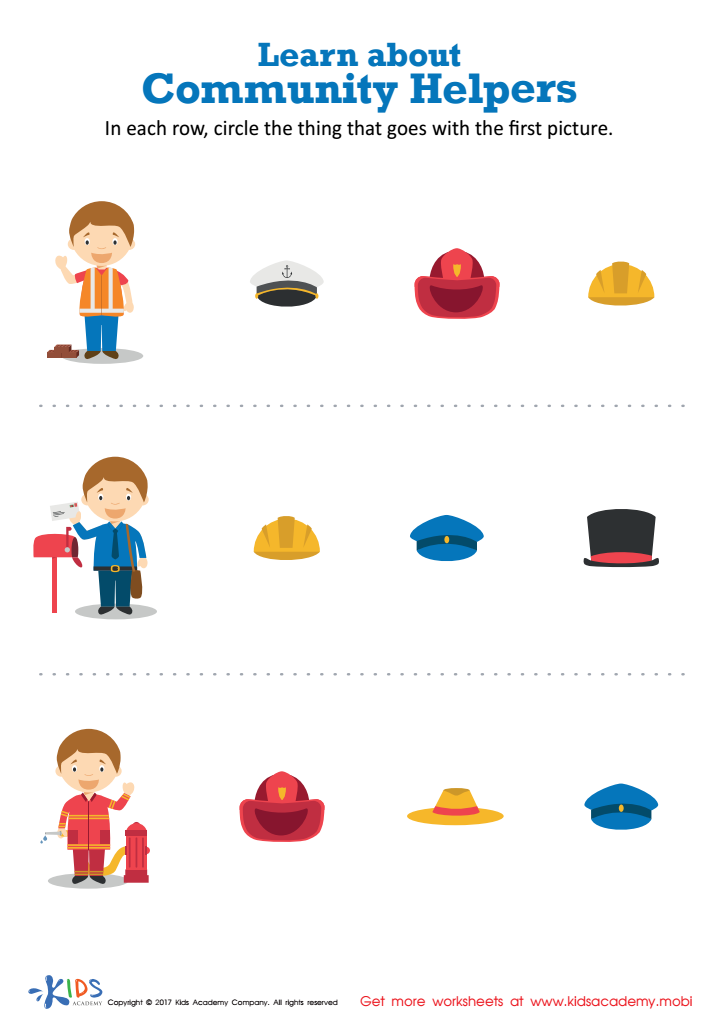
Learn about Community Helpers Printable








Identification skills are crucial for young children aged 4-9 as these skills form the foundation for their cognitive and academic development. For parents and teachers, fostering identification skills ensures that children can recognize and correctly name objects, letters, numbers, shapes, and colors. This recognition is a stepping stone to more complex skills like reading, writing, and math.
When children can identify letters and their sounds, they are better prepared to learn to read and write. Similarly, recognizing numbers helps in understanding and developing basic mathematical concepts. Identification skills also aid in general knowledge, enabling children to better understand the world around them, thereby enhancing their curiosity and observational skills.
Teachers and parents play a pivotal role in developing these skills by providing a learning-rich environment. Interactive activities like flashcards, puzzles, and reading sessions contribute to sharper identification skills. Fostering these abilities also builds children’s confidence and independence, allowing them to solve problems and complete tasks effectively.
Furthermore, early mastery of identification skills can lead to long-term academic success, reducing potential struggles in later years. Thus, by prioritizing these foundational skills, caregivers ensure that children are well-equipped for future learning, enabling their overall growth and development.








