Logical thinking Worksheets for Ages 4-9 - Page 2
39 filtered results
-
From - To
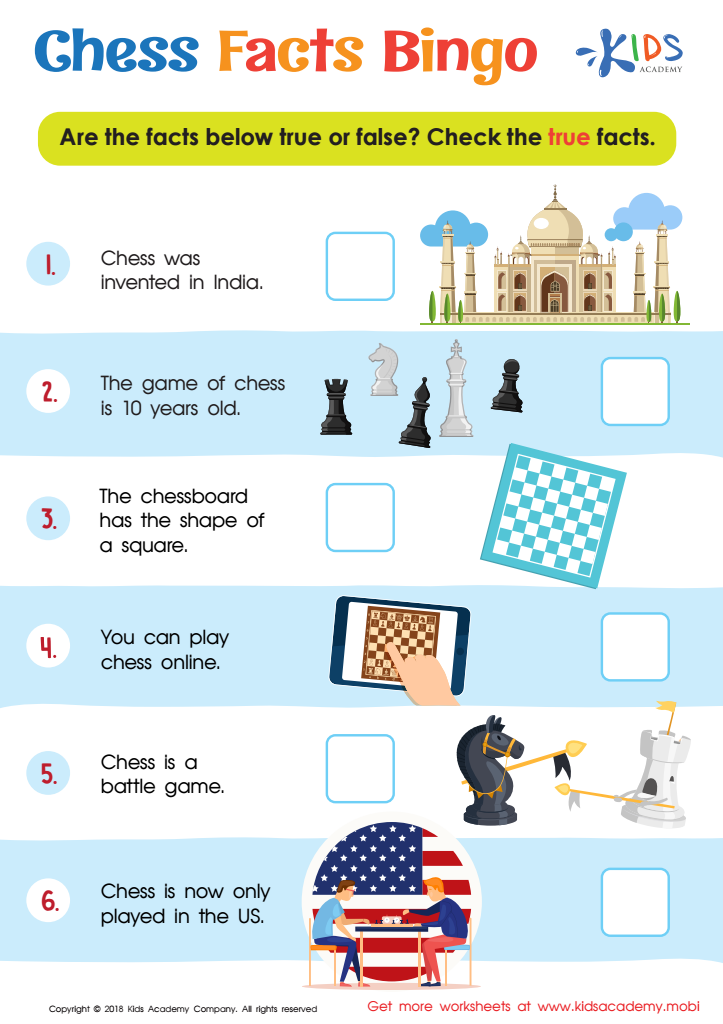
Chess Facts Bingo Worksheet
 Assign to My Students
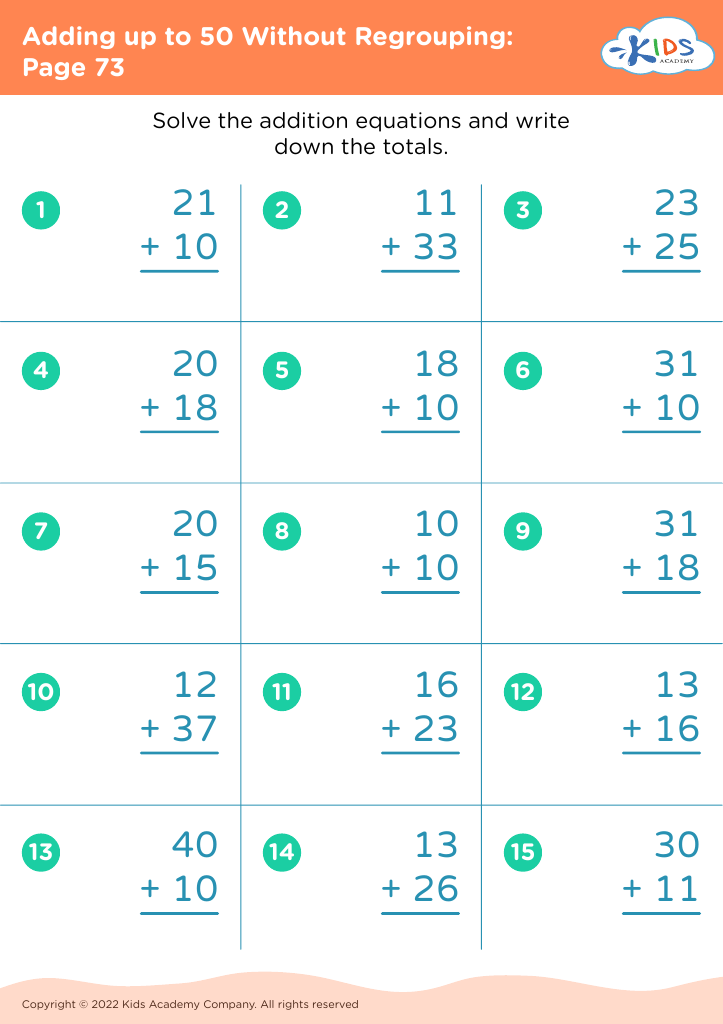
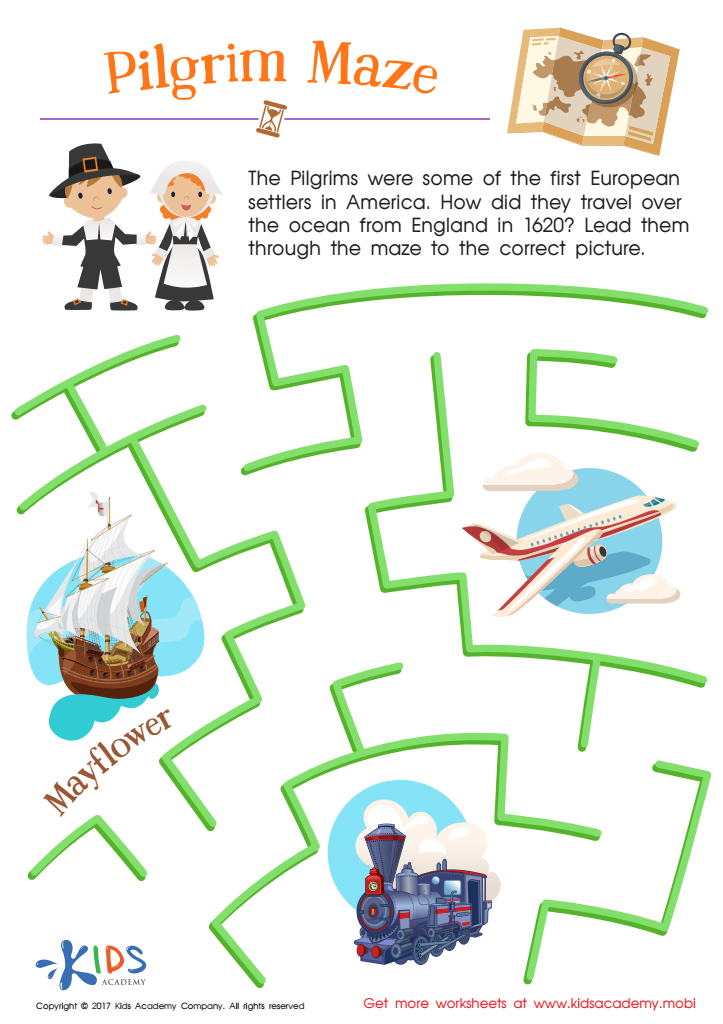
Pilgrim Maze Worksheet
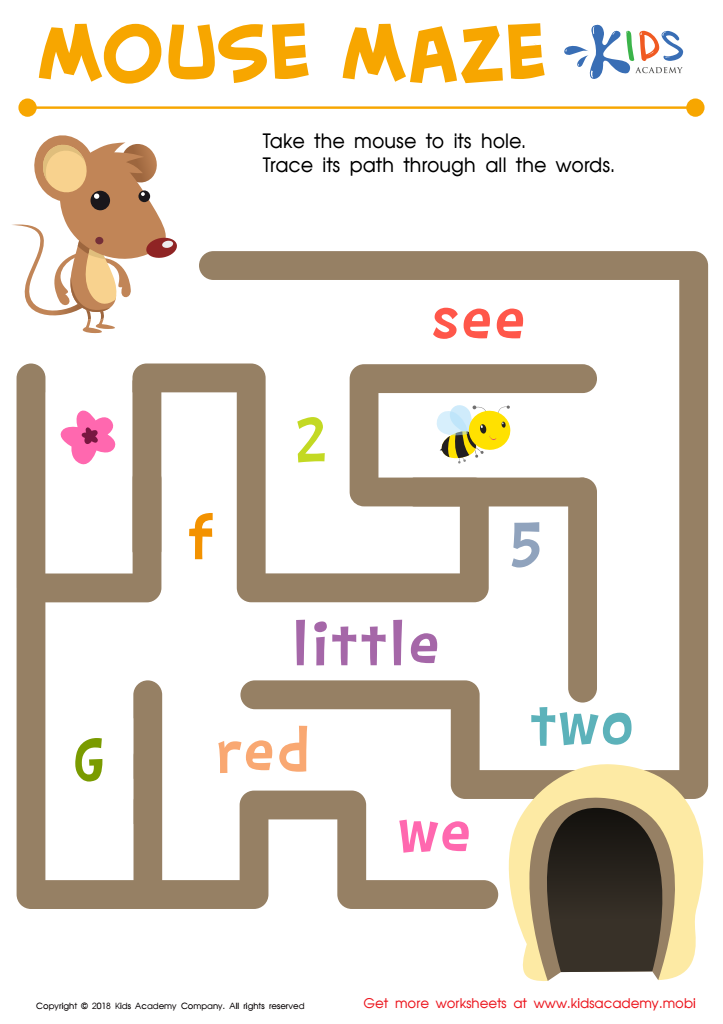
Find Words Mouse Maze Worksheet
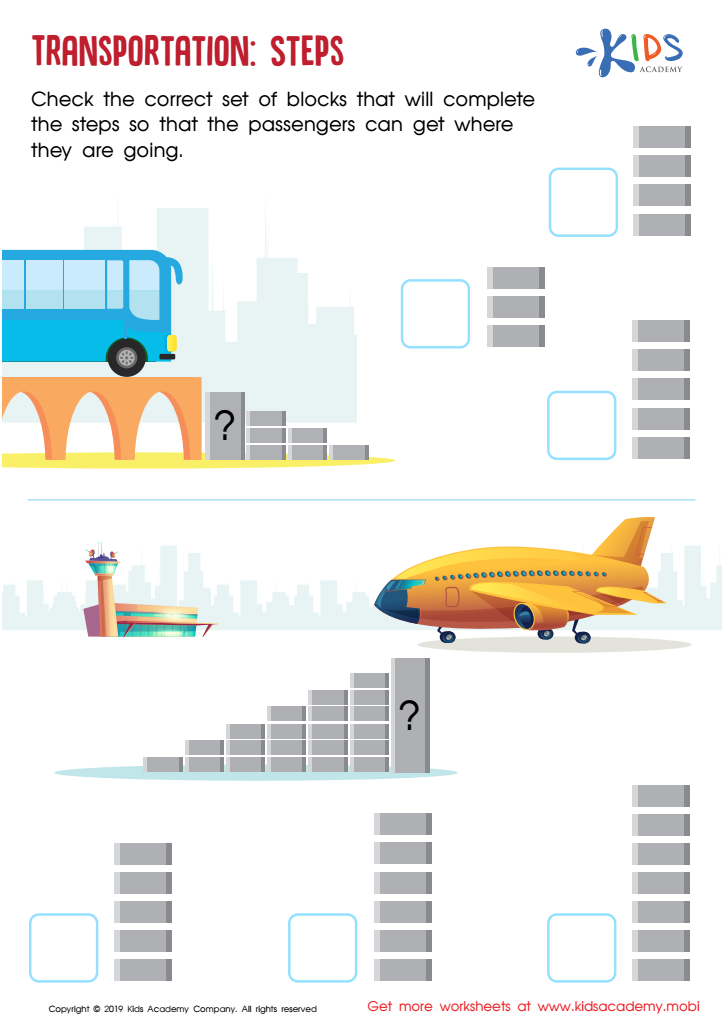
Transportation: Steps Worksheet
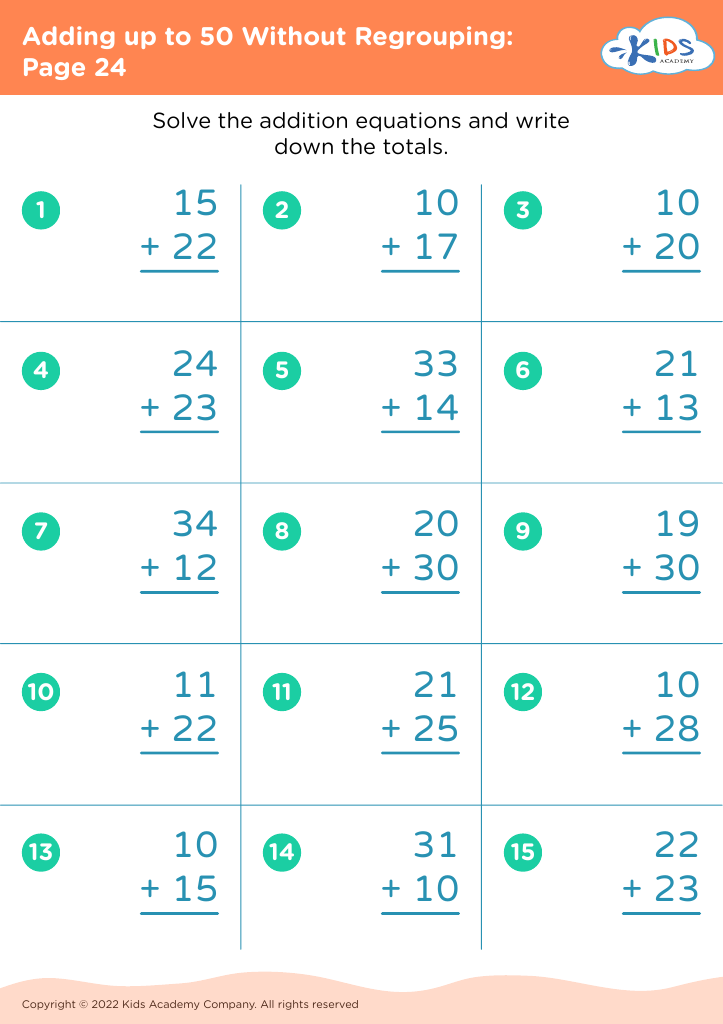
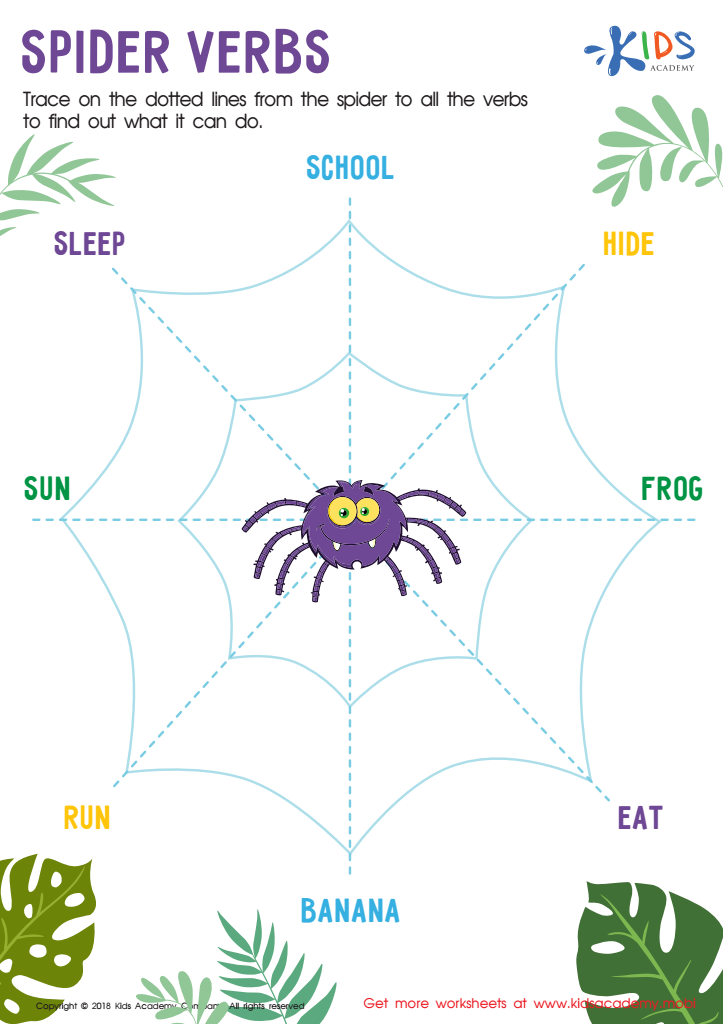
Spider Verbs Worksheet
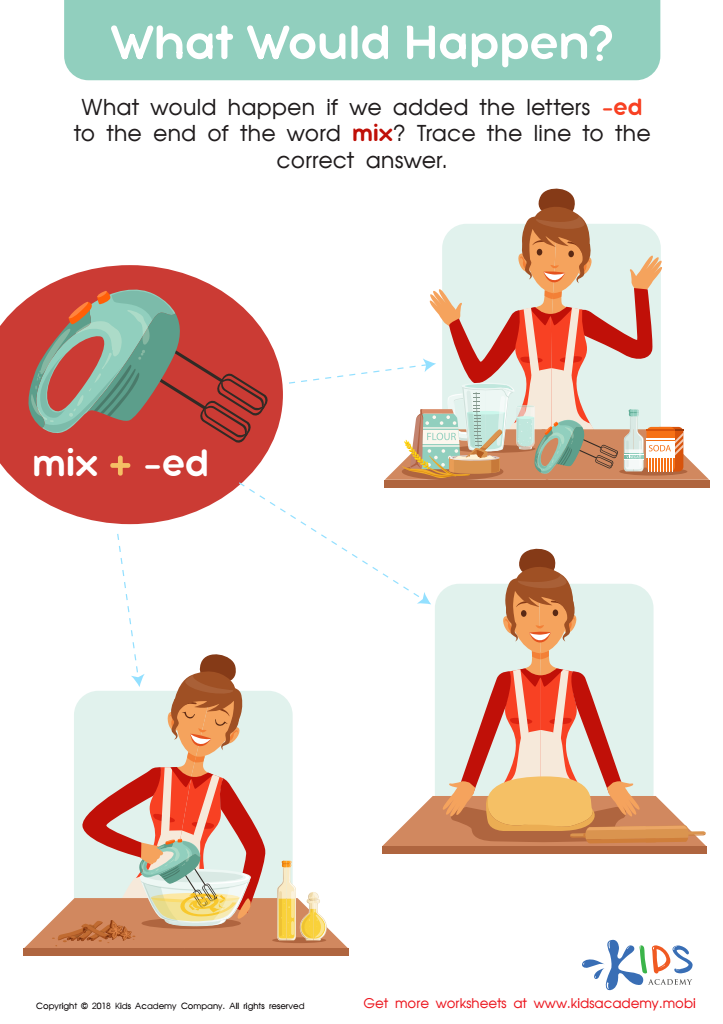
What Would Happen? Worksheet
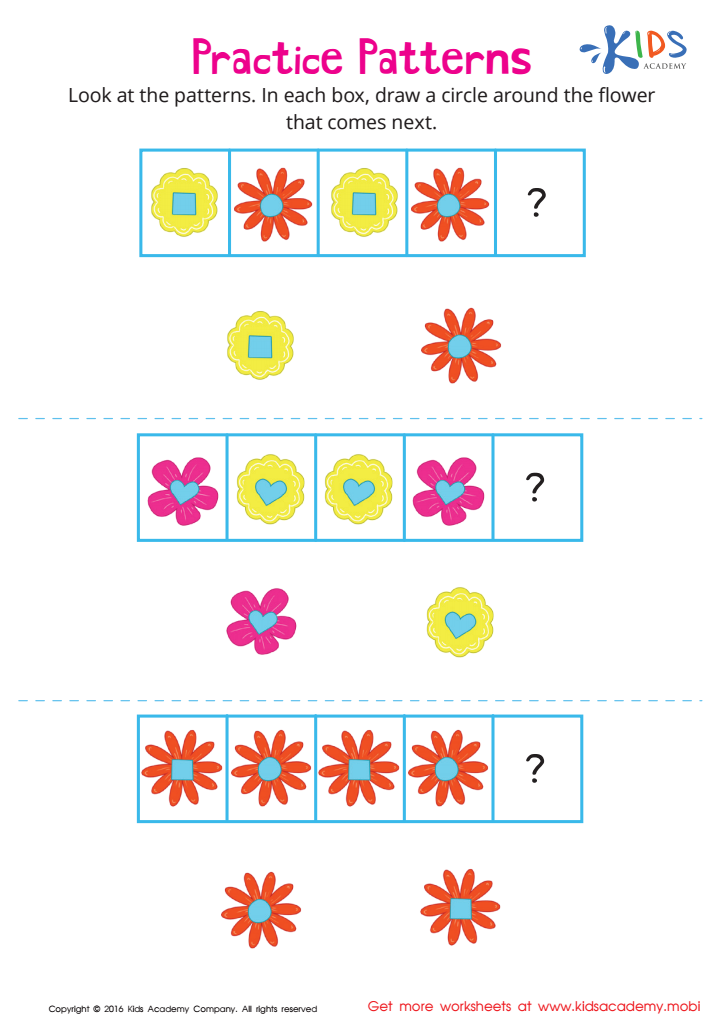
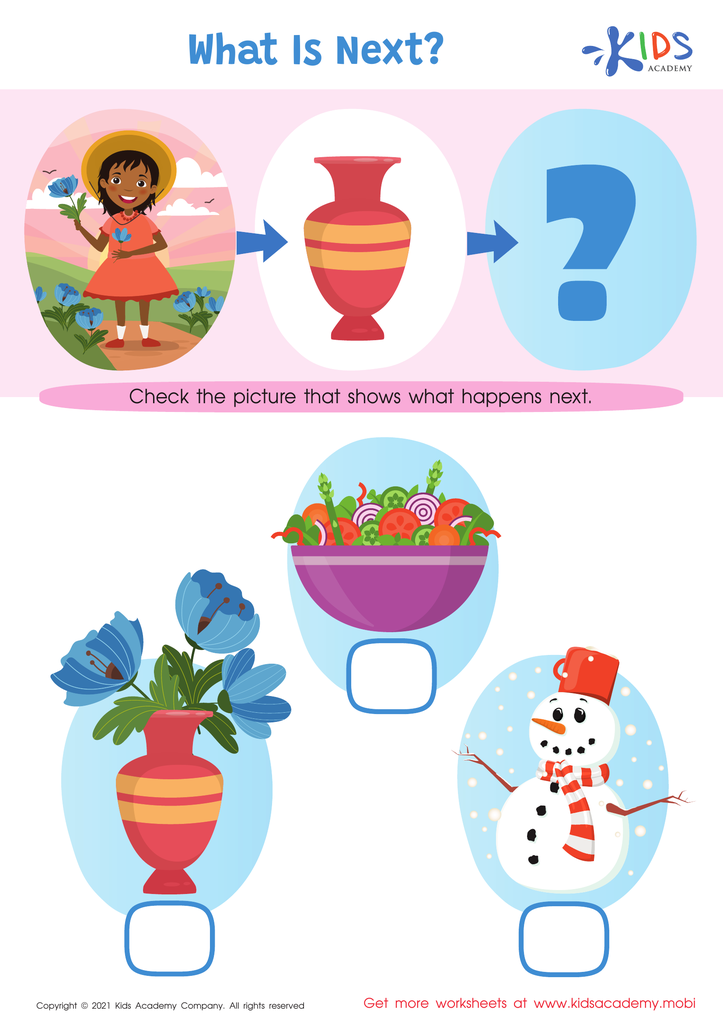
What is Next? Worksheet
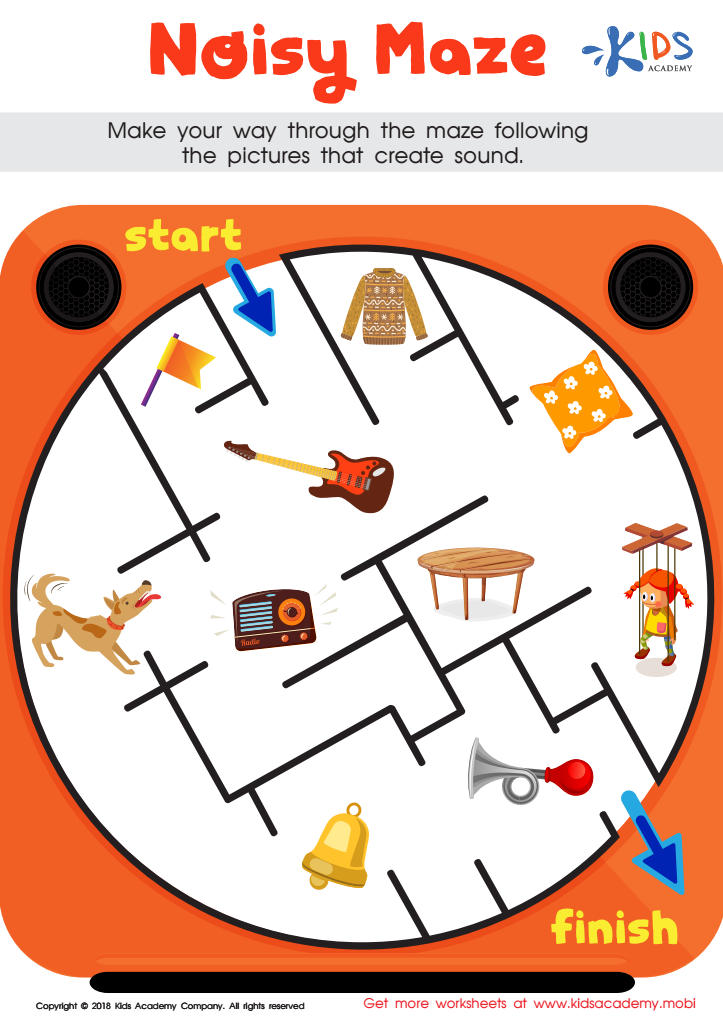
Noisy Maze Worksheet







Logical thinking is a cornerstone for children's development, impacting their academic success and everyday problem-solving abilities. Between ages 4-9, children's brains are highly receptive and neuroplastic, meaning this is an optimal period for building foundational skills.
Firstly, logical thinking fosters critical thinking—a vital skill necessary for subjects like mathematics, science, and reading comprehension. When children understand cause and effect, sequences, and patterns, they can more easily grasp complex academic concepts in later years.
Moreover, logical thinking enhances decision-making skills. Kids learn to evaluate consequences, make predictions, and solve problems methodically, preparing them for real-life scenarios from organizing their morning routine to sharing toys fairly with peers. These skills reduce frustration and dependency, fostering independence and self-confidence.
Another key point is social interaction. Logical thinking aids in understanding perspectives and negotiating conflicts, thus improving communication and relationships with others. Logical children can better understand rules and follow them, making both home and school settings more harmonious.
Finally, nurturing logical abilities early on prepares children for advanced cognitive tasks and lifelong learning. It opens doors to STEM (Science, Technology, Engineering, Mathematics) pathways and helps them adapt to a rapidly changing world.
In essence, emphasizing logical thinking for young children enriches their present experiences and paves the way for future academic, social, and personal success.








