Practical math application Worksheets for Ages 4-9
10 filtered results
-
From - To
Discover our engaging Practical Math Application Worksheets designed for children ages 4-9! These resources support young learners in developing essential math skills through real-life scenarios. Each worksheet encourages hands-on problem-solving, helping kids understand concepts like counting, addition, subtraction, and measuring within familiar contexts. Our practical approach teaches the application of math, making learning fun and relevant. Perfect for home or classroom use, these worksheets promote critical thinking and bolster confidence in young mathematicians. Enhance your child's learning experience with our easy-to-use, printable worksheets that inspire exploration and a love for math! Unlock their potential—equip your child with practical skills today.
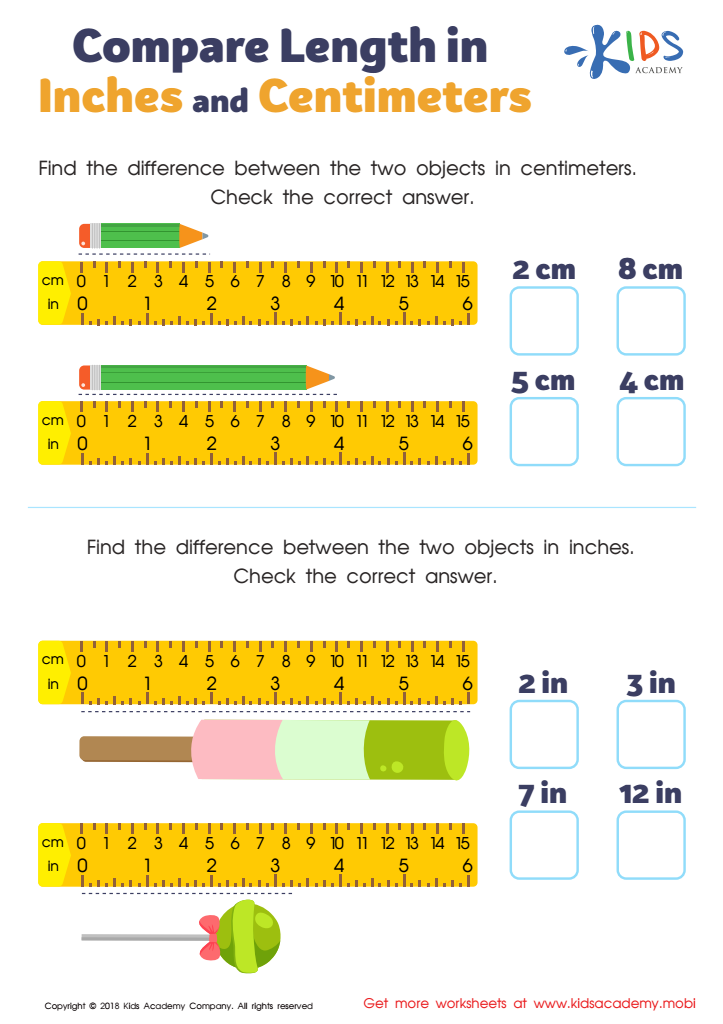
Compare Length in Inches and Centimeters Worksheet
 Assign to My Students
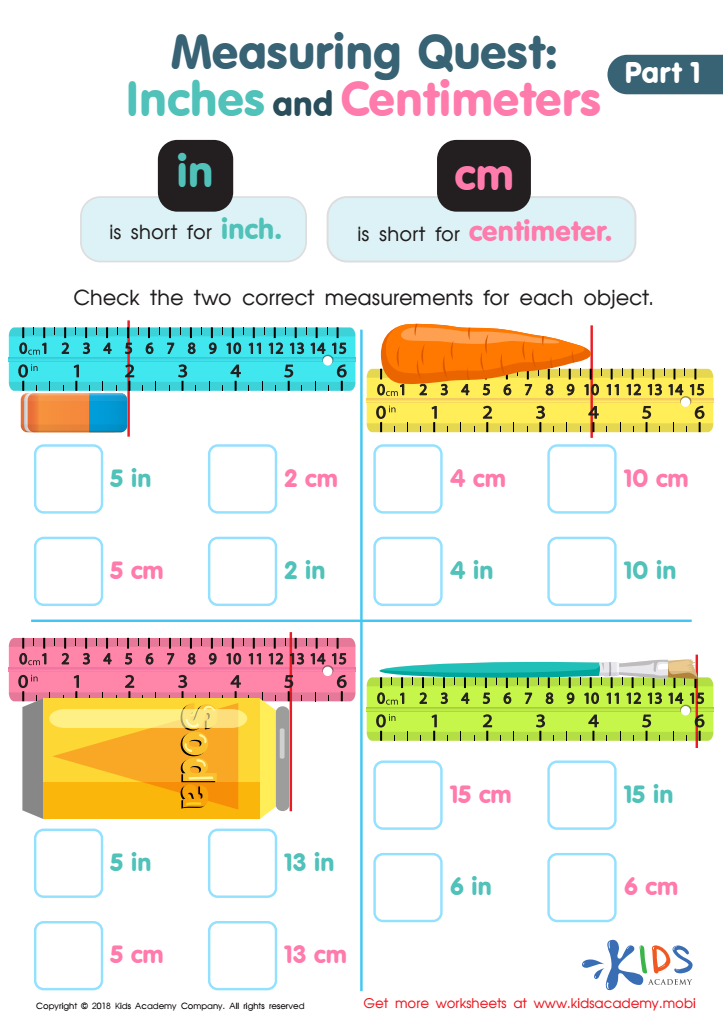
Measuring Quest: Inches and Centimeters Worksheet
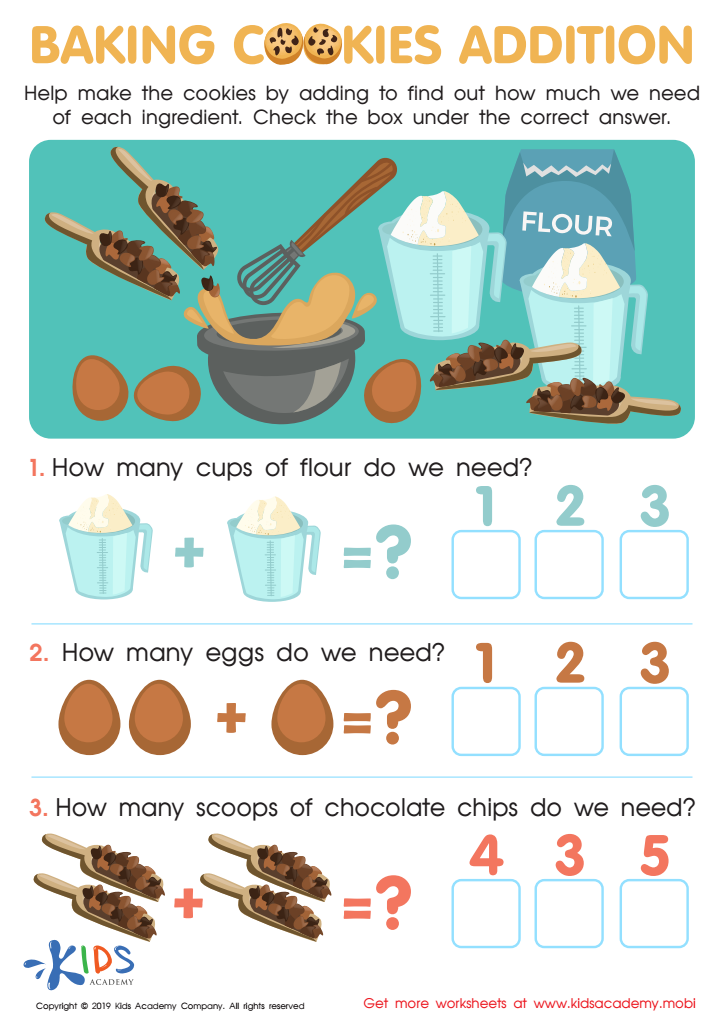
Baking Cookies Addition Worksheet
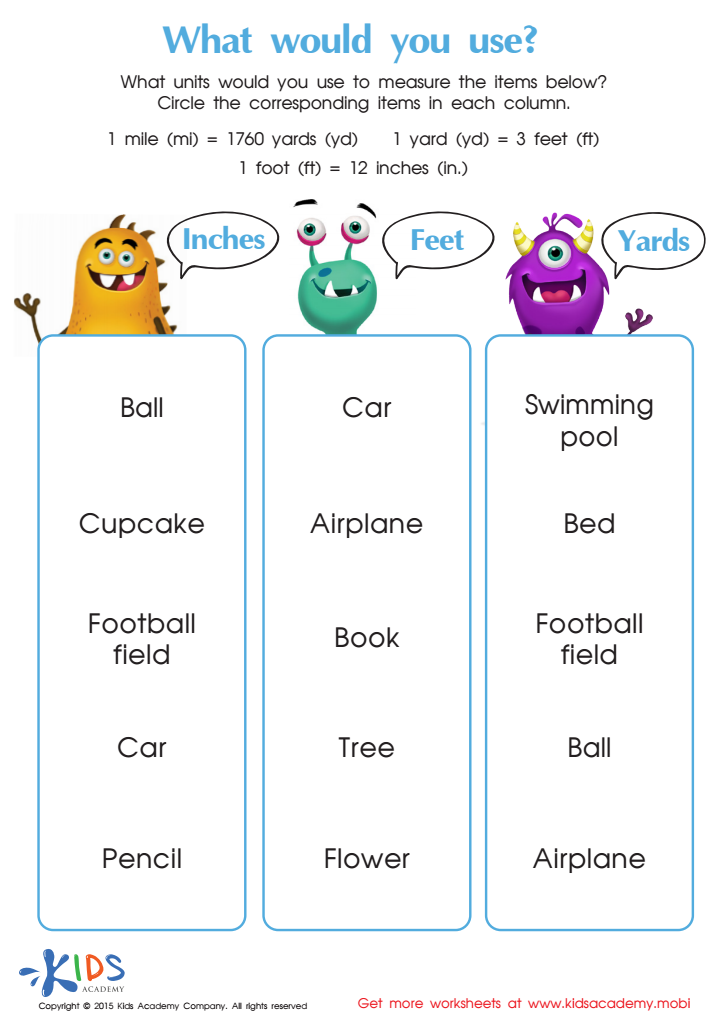
Learning about measuring objects in inches, feet and yards Worksheet
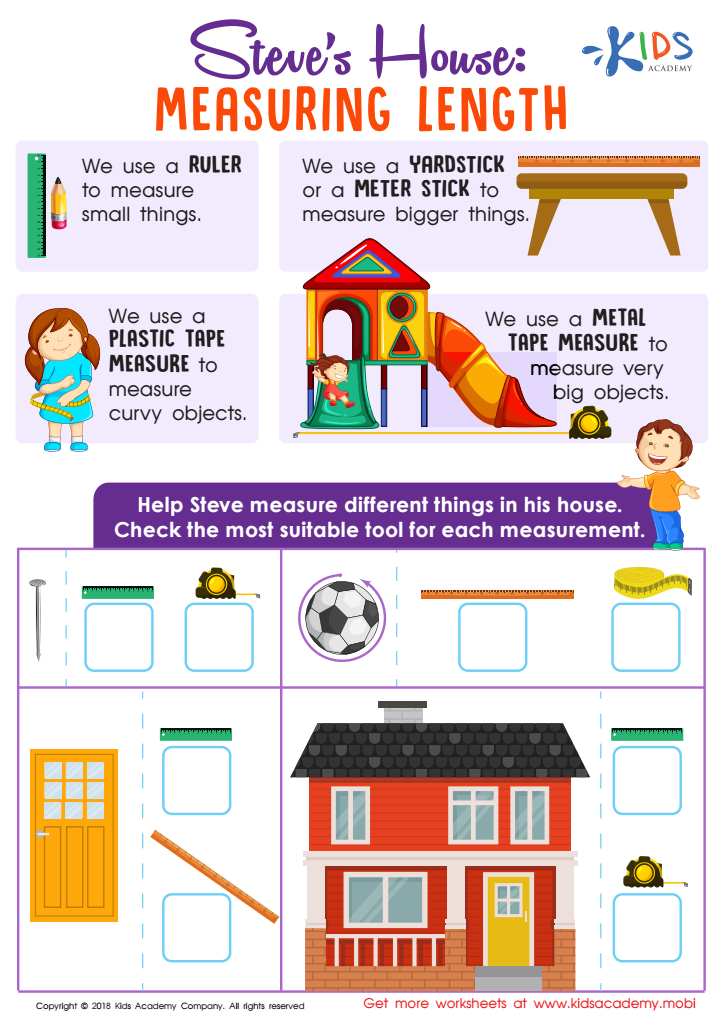
Steve's House: Measuring Length Worksheet
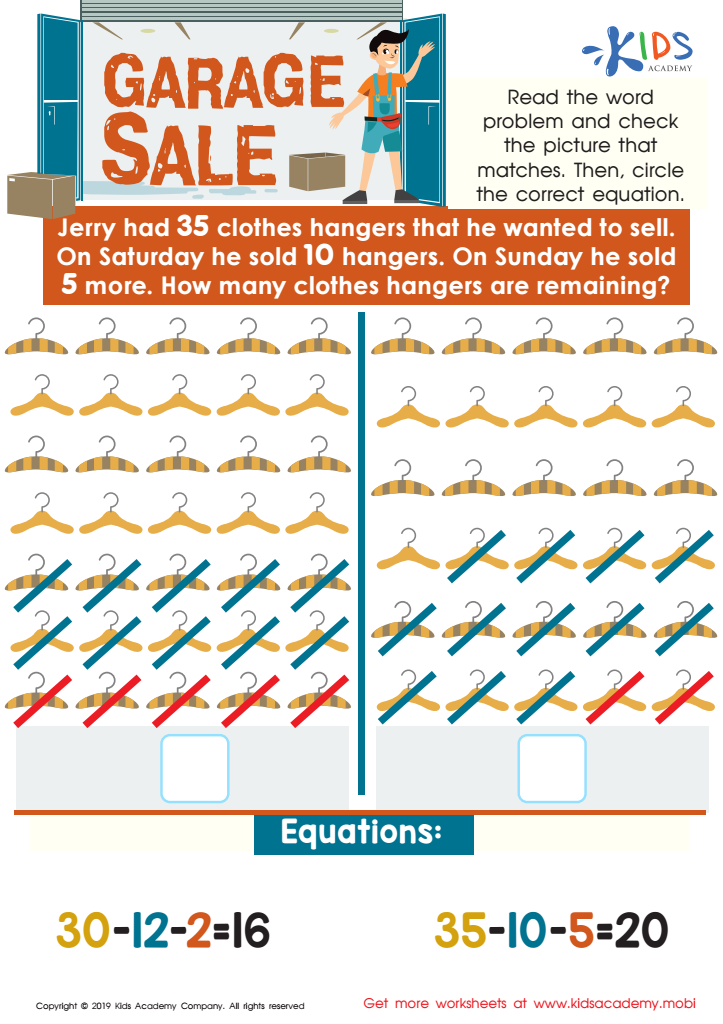
Garage Sale Worksheet
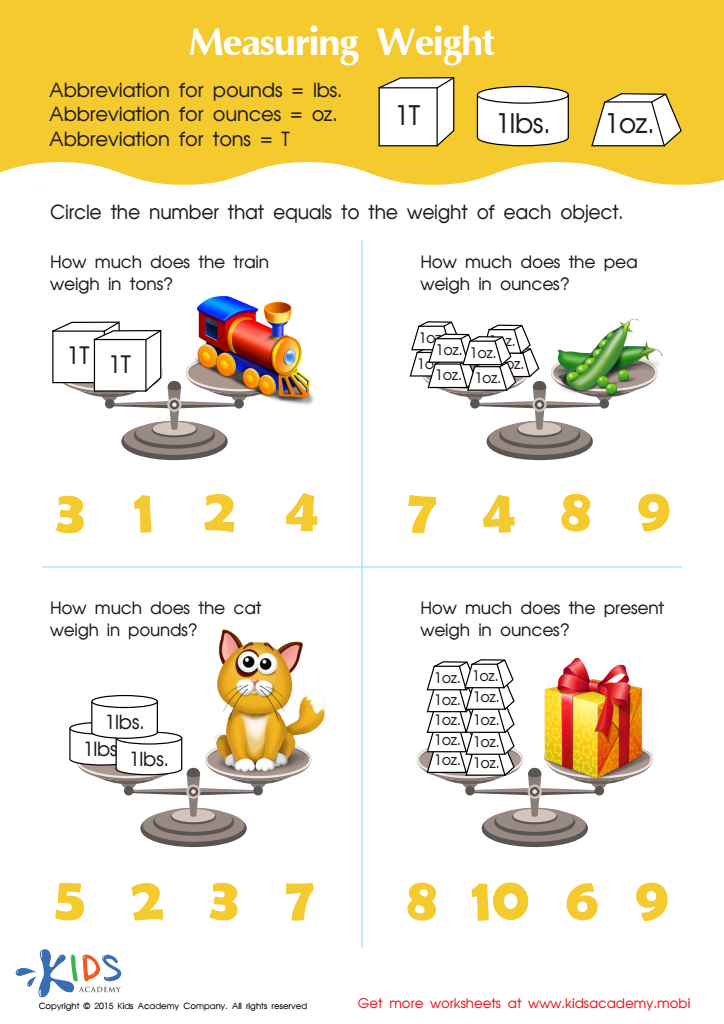
Measuring Weight in Ounces, Pounds and Tons Worksheet
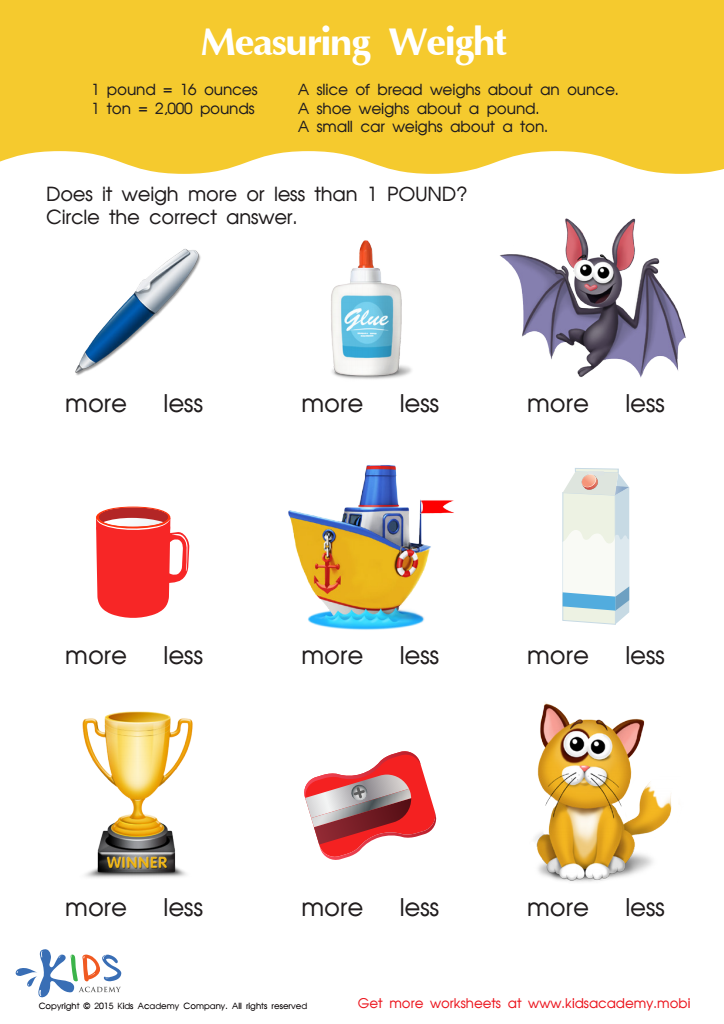
Measuring weight in pounds Worksheet
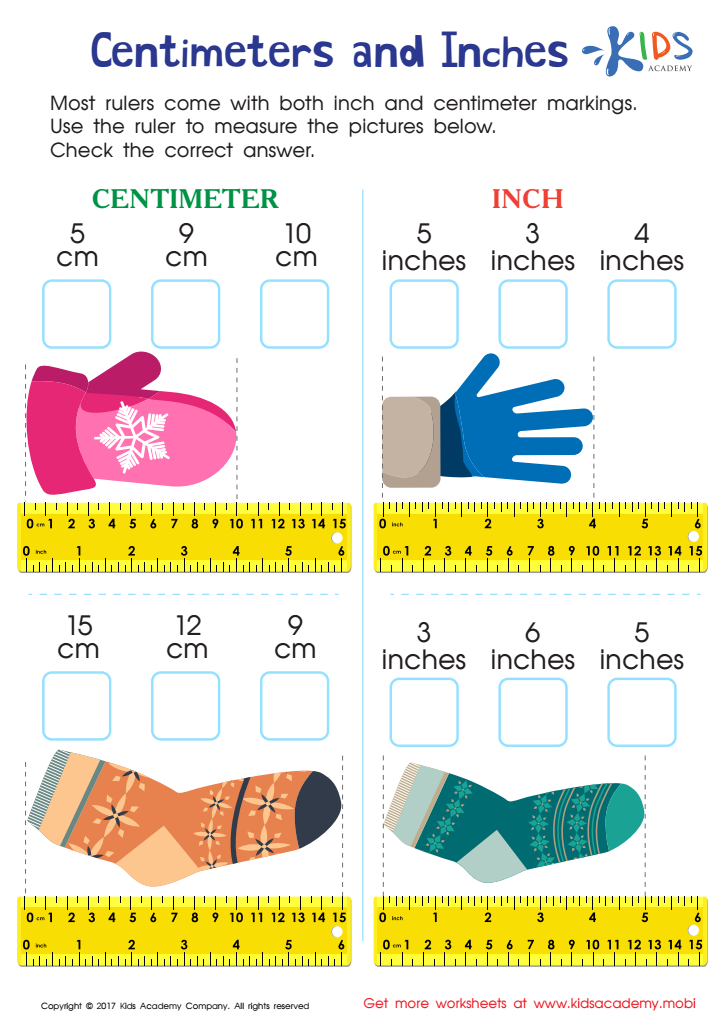
Centimeters and Inches Worksheet
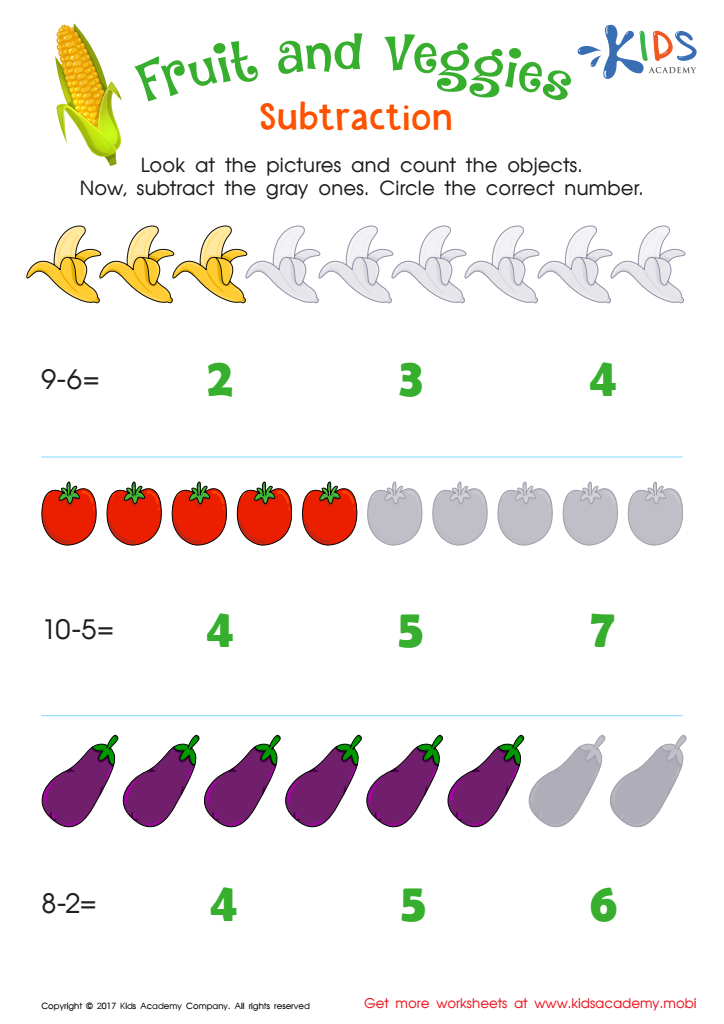
Fruit and Veggies Subtraction Worksheet







Practical math application for children ages 4-9 is essential for their cognitive development and real-life problem-solving skills. During these formative years, children are naturally curious and eager to understand the world around them. Integrating math into everyday activities helps them see its relevance and builds their confidence in using math as a tool.
For parents and teachers, fostering practical math skills enhances children's critical thinking and nurtures a positive attitude toward learning. Activities like cooking, shopping, or measuring objects provide rich opportunities for children to practice counting, comparing quantities, and understanding concepts like addition and subtraction in a relatable context. These experiences not only reinforce mathematical principles but also encourage collaborative learning and communication skills through discussing their thought processes.
Furthermore, engaging math in practical contexts strengthens memory retention as children can associate calculations with tangible outcomes. This approach demystifies math, making it approachable and fun. By emphasizing practical applications, parents and teachers can create an enriching learning environment that lays a strong foundation for future academic success and lifelong problem-solving capabilities. Ultimately, this investment in early math education prepares students not just for advanced math courses, but for everyday challenges they’ll encounter throughout life.








