Practicing Math skills Worksheets for Ages 4-9
4 filtered results
-
From - To
Explore our engaging math skills worksheets designed for children aged 4 to 9! These printables feature a variety of fun and interactive activities that help young learners develop essential math concepts, including counting, addition, subtraction, and more. Each worksheet is crafted to foster problem-solving skills while keeping kids motivated and entertained. With clear instructions and vibrant illustrations, children can practice at their own pace, making math a joyful experience. Perfect for home or classroom use, our worksheets are an excellent resource for enhancing your child's math proficiency and encouraging a lifelong love for learning. Start your math adventure today!
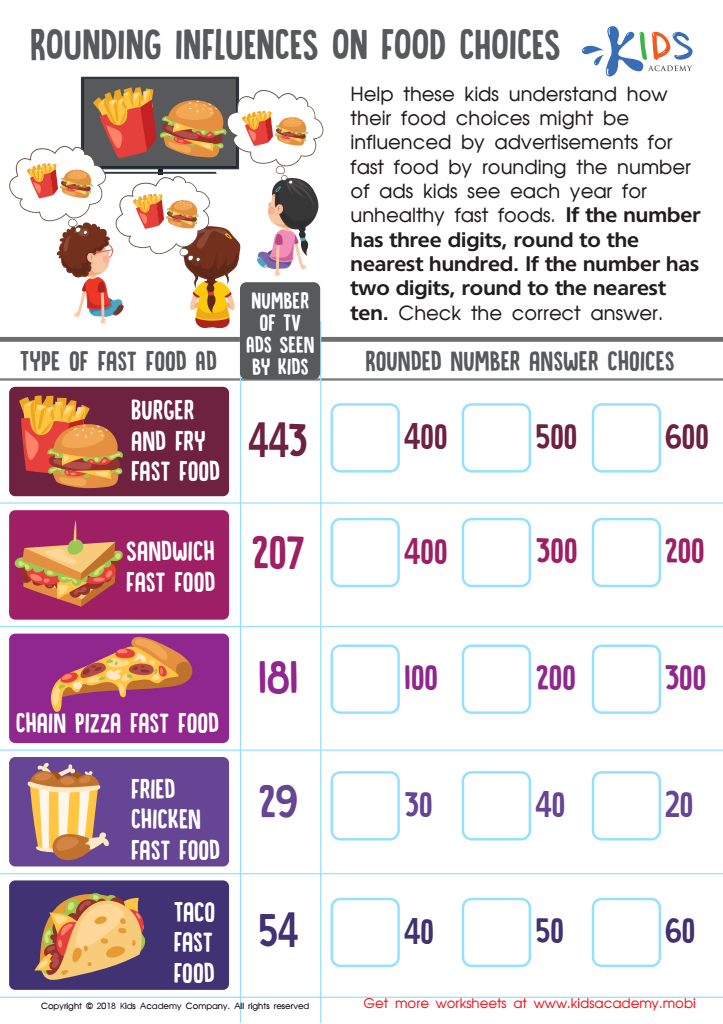
Rounding Influences Food Choices Worksheet
 Assign to My Students
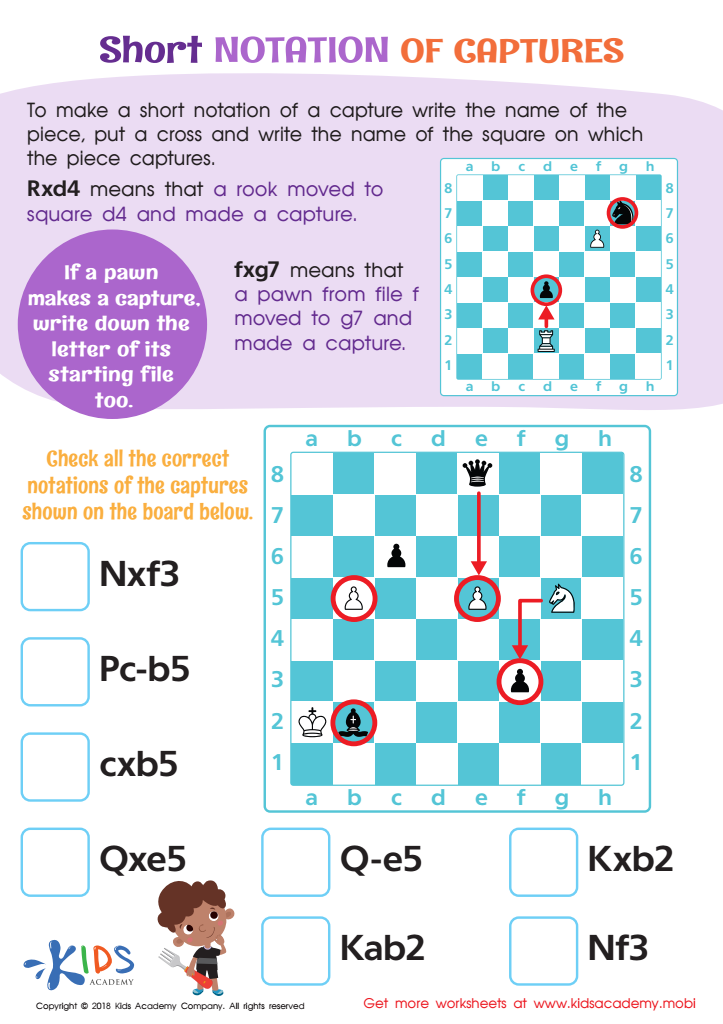
Short Notation of Captures Worksheet
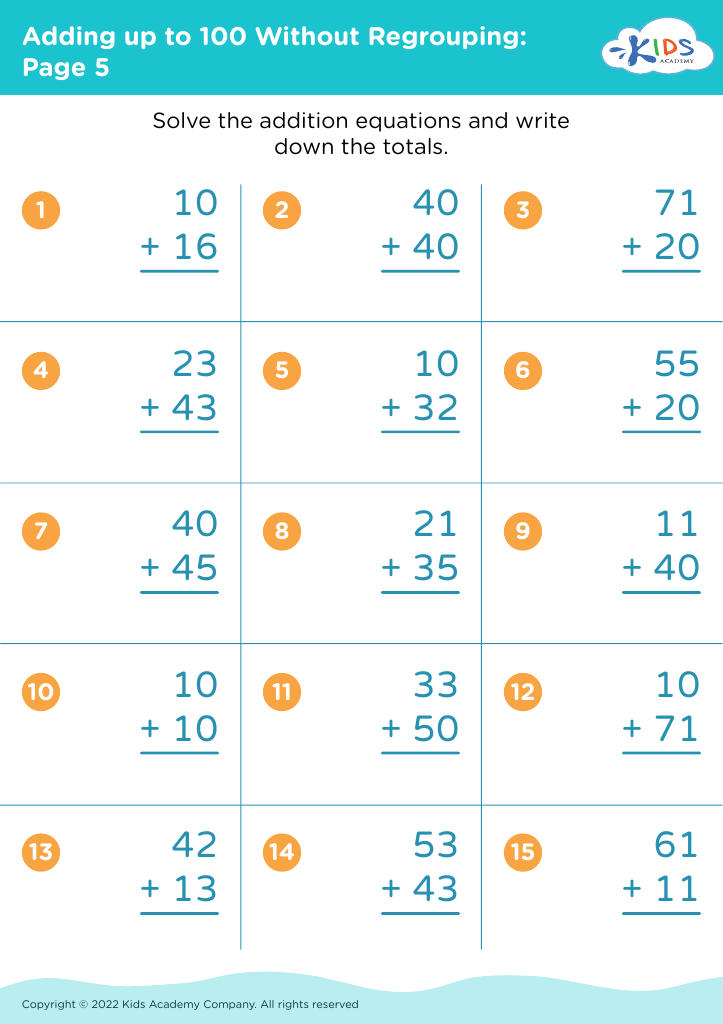
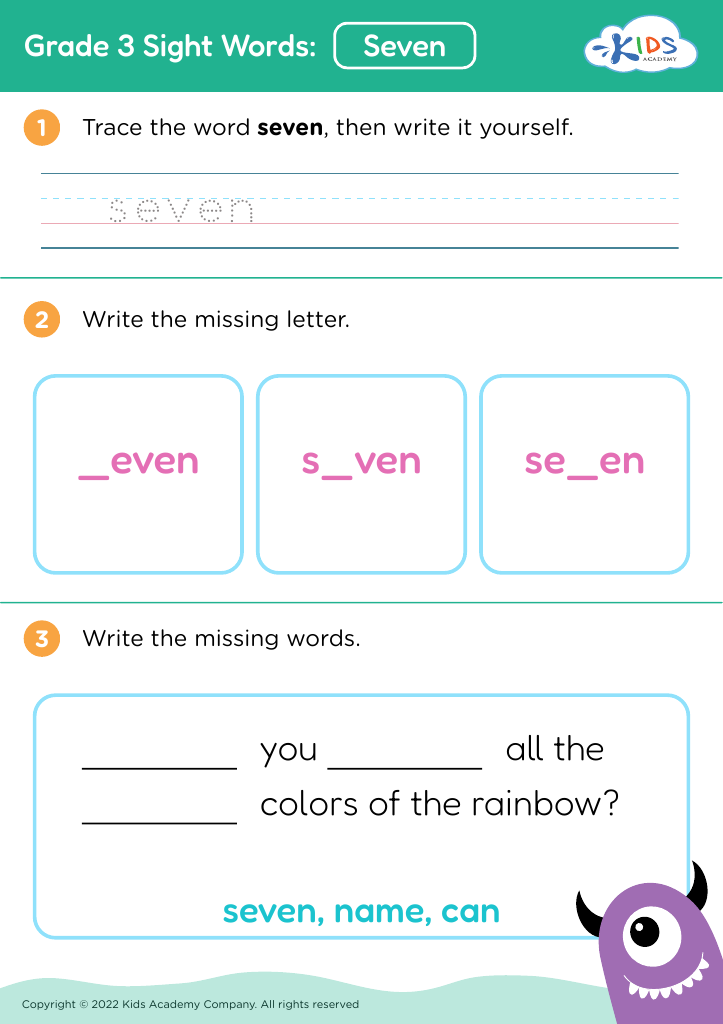







Practicing math skills for children aged 4-9 is crucial for several reasons. During these formative years, children develop foundational mathematical concepts that are essential for future learning. Early exposure to math boosts cognitive skills, enhances problem-solving abilities, and improves critical thinking, laying a strong groundwork for more complex subjects later on.
Engaging with math at this age helps children become confident in their abilities. Skills like counting, recognizing patterns, and basic addition or subtraction enable them to tackle math with enthusiasm rather than fear. Additionally, math is intertwined with everyday life, from measuring ingredients in cooking to calculating time. By nurturing these skills, parents and teachers are equipping children with tools to navigate the world around them.
Furthermore, early math practice fosters collaboration and communication when children engage with peers or adults in learning activities, enhancing their social skills. This collaborative environment can make learning enjoyable and motivate a lifelong interest in mathematics. Overall, prioritizing math practice for young learners prepares them not only academically but also socially and emotionally, ultimately paving the way for success in numerous aspects of their lives.








