Writing practice Worksheets for Ages 4-9 - Page 2
31 filtered results
-
From - To
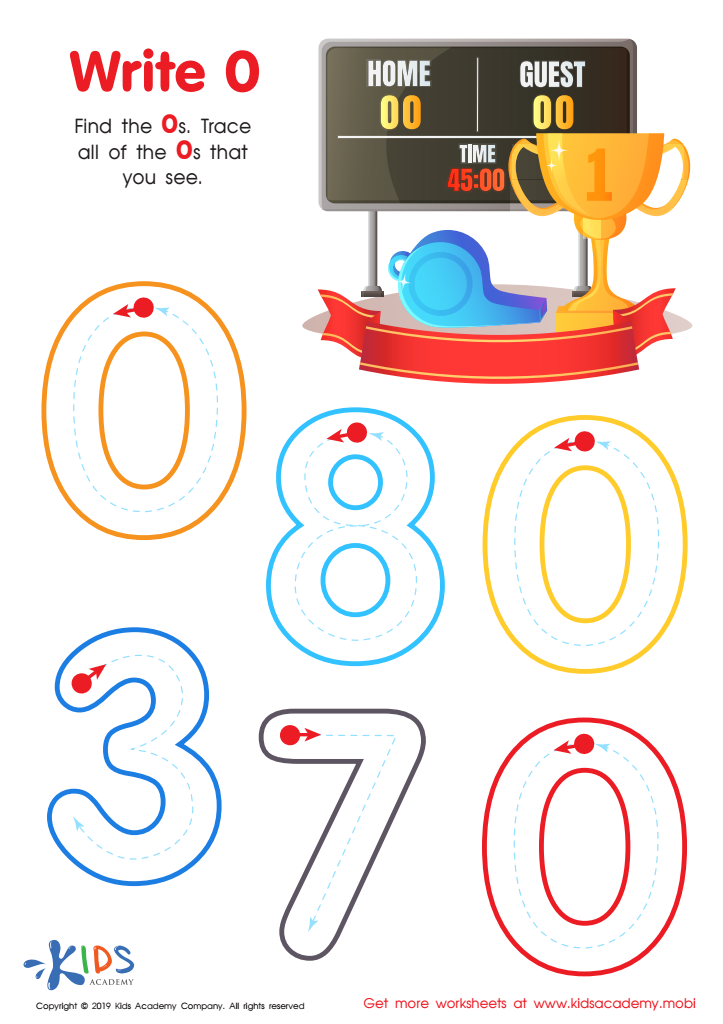
Write 0 Worksheet
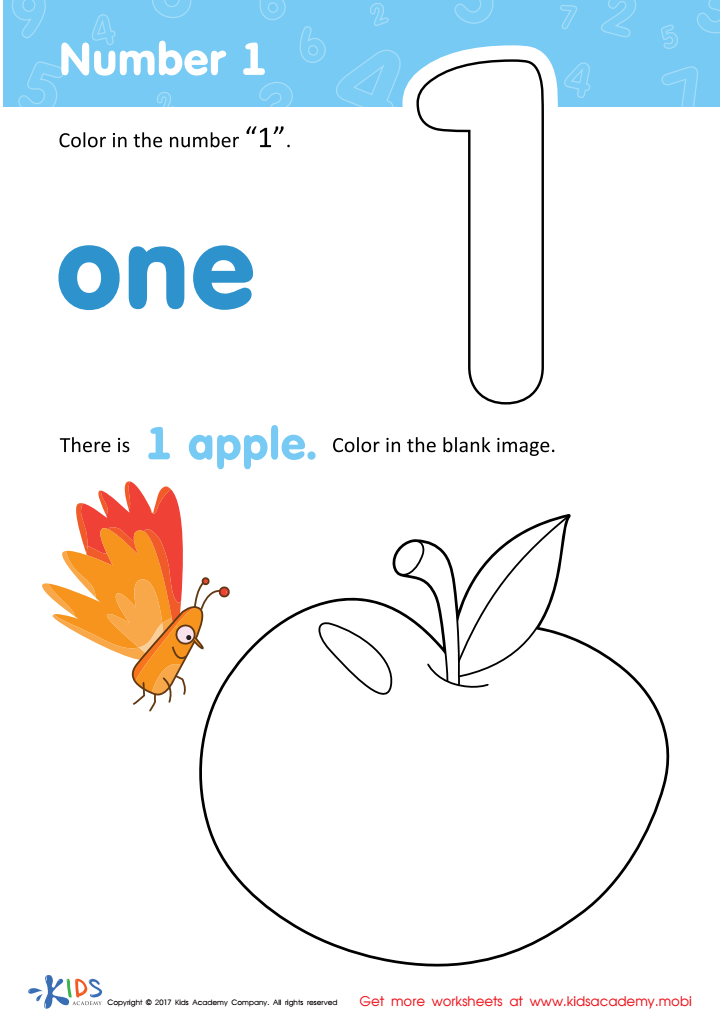
Number 1 Printable
 Assign to My Students
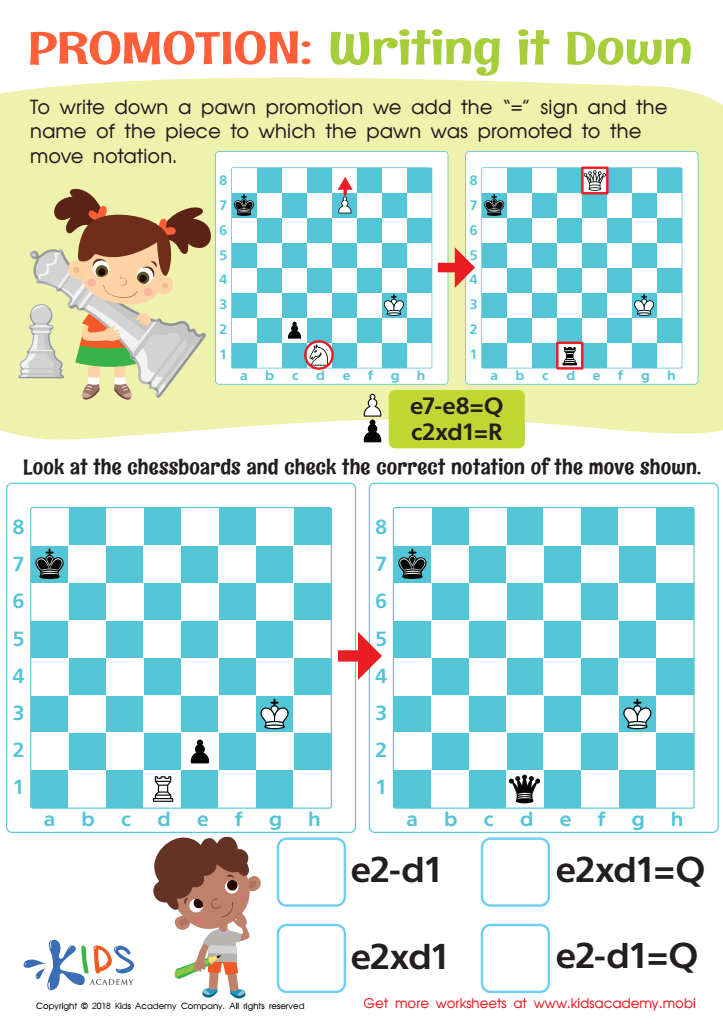
Writing it Down Worksheet

Count the Cucumbers and Trace the Number 8 Printable
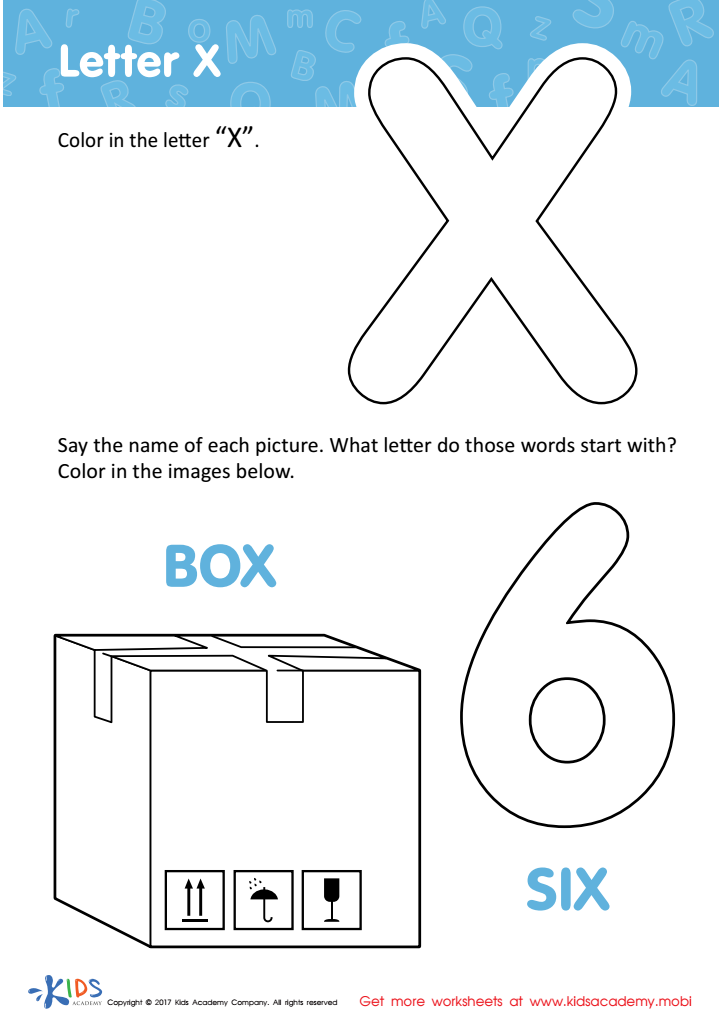
Letter X Coloring Sheet
Assign to My Students
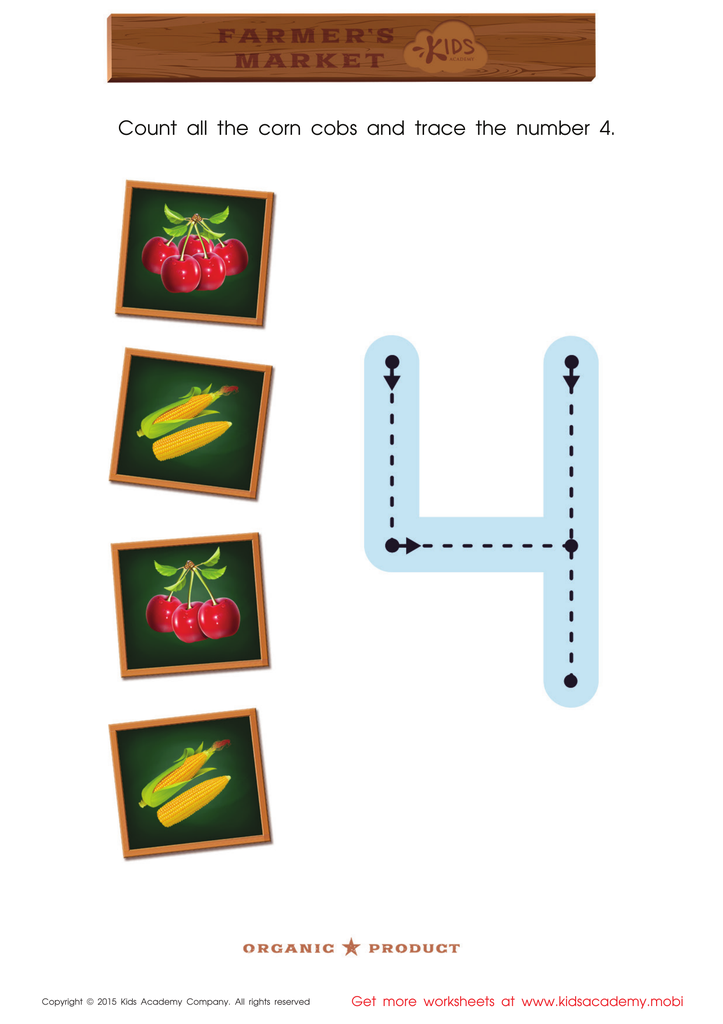
Count the Corncobs and Trace the Number 4 Worksheet








Writing practice for children ages 4-9 is crucial for several key reasons, and parents and teachers should strongly prioritize it to promote overall development.
Firstly, writing at an early age enhances fine motor skills. As children form letters and words, they refine their hand-eye coordination, control, and dexterity, which are essential for many daily activities.
Secondly, writing is a fundamental part of literacy. By practicing writing, children become more familiar with letters, sounds, and words, boosting their reading and spelling skills. The process of writing helps them understand the structure and meaning of language, which is vital for academic success.
Moreover, writing encourages creativity and self-expression. It allows children to convey their thoughts, stories, and ideas, which fosters critical thinking and imagination. This practice builds confidence in their ability to communicate and express themselves effectively.
Writing also supports cognitive development. As children learn to plan and organize their thoughts on paper, they develop key skills such as sequencing, logical thinking, and problem-solving.
Emotional development is another important aspect. Writing can be a therapeutic activity, offering children an outlet to express their feelings and thoughts in a safe environment.
In sum, investing time in writing practice for young children lays a robust foundation for their educational journey and holistic development, making it a vital component of early childhood education.








