Critical Thinking 2D Shapes Worksheets for Ages 4-9
5 filtered results
-
From - To
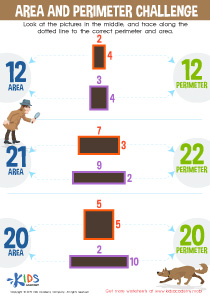
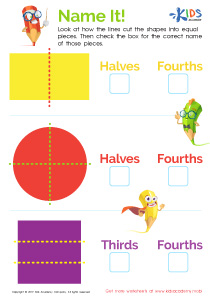
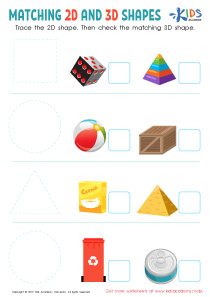
Explore our "Critical Thinking 2D Shapes Worksheets for Ages 4-9" designed to inspire young minds while developing essential math skills. These engaging worksheets help children recognize, compare, and analyze 2D shapes through interactive activities. By incorporating critical thinking exercises, kids enhance problem-solving abilities, spatial awareness, and logical reasoning. Perfect for classrooms or at-home learning, each worksheet offers age-appropriate challenges ensuring progress from basic shape identification to intricate pattern solving. Empower your child’s mathematical journey and elevate their learning experience with our thoughtfully crafted, fun, and educational worksheets. Start fostering critical thinking and geometric prowess today!
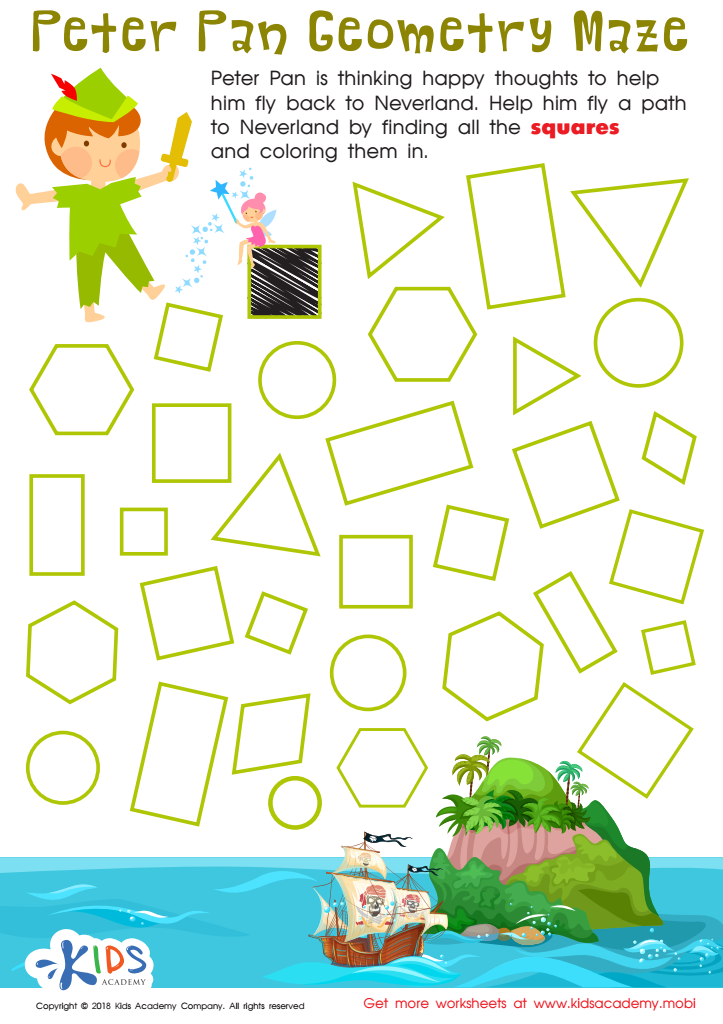
Peter Pan Worksheet
 Assign to My Students











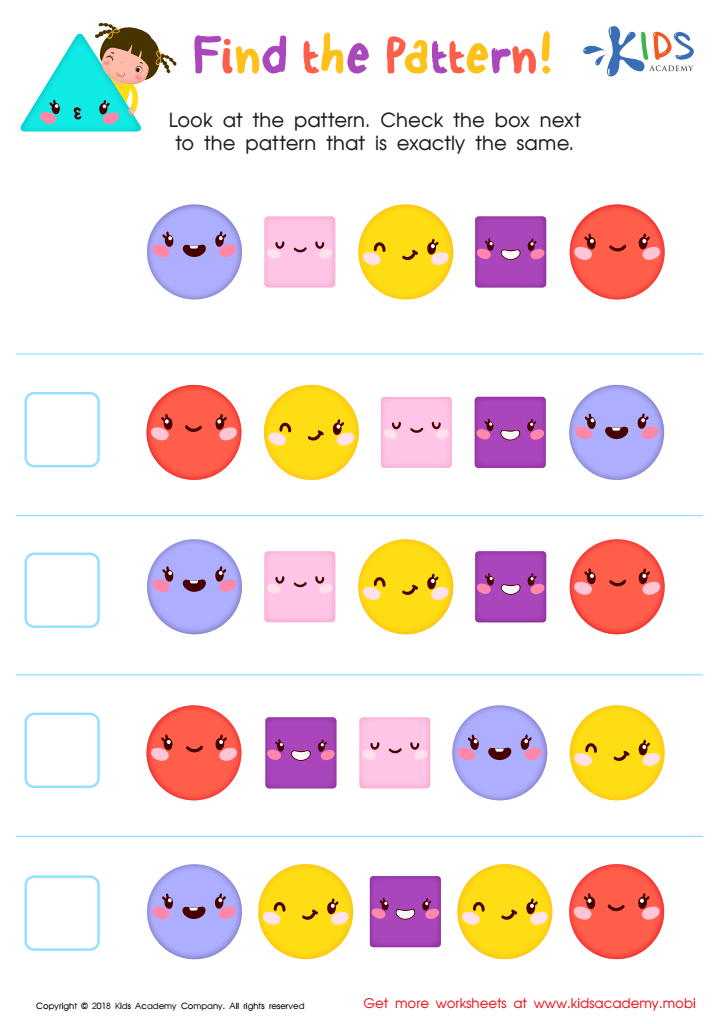
Find the Pattern Worksheet
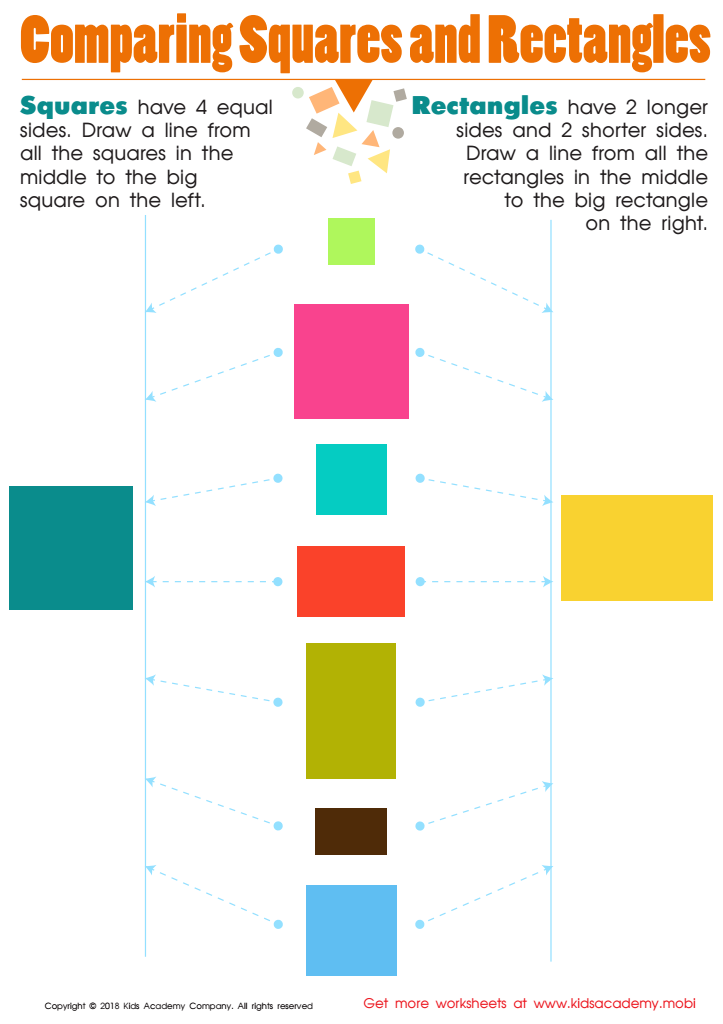
Comparing Squares Rectangles Worksheet
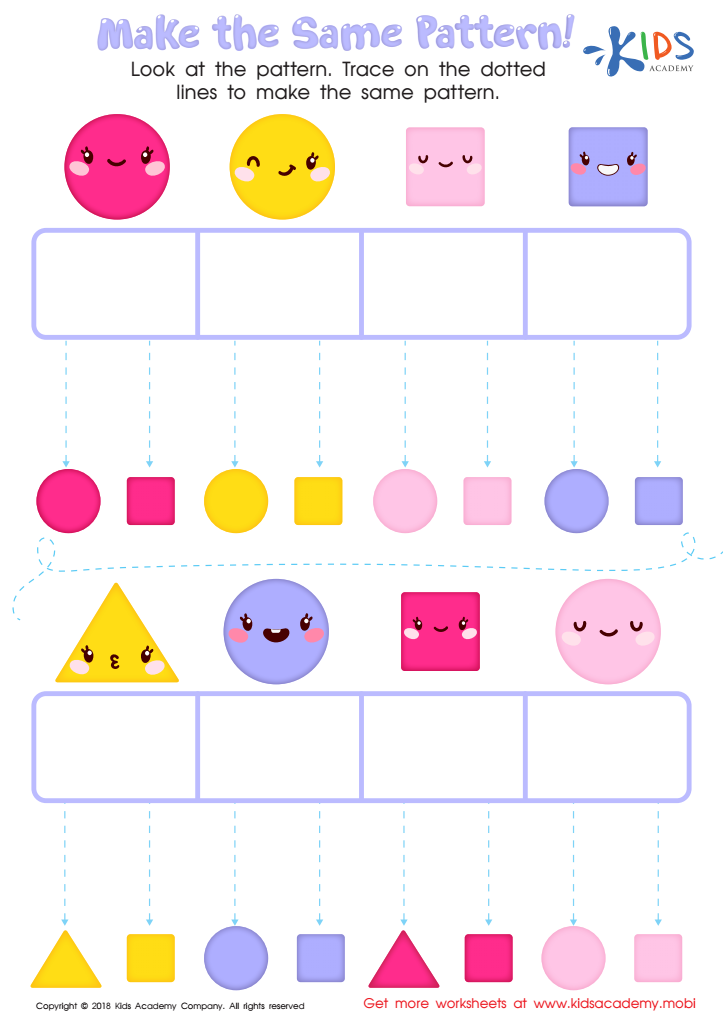
Make the Same Pattern Worksheet
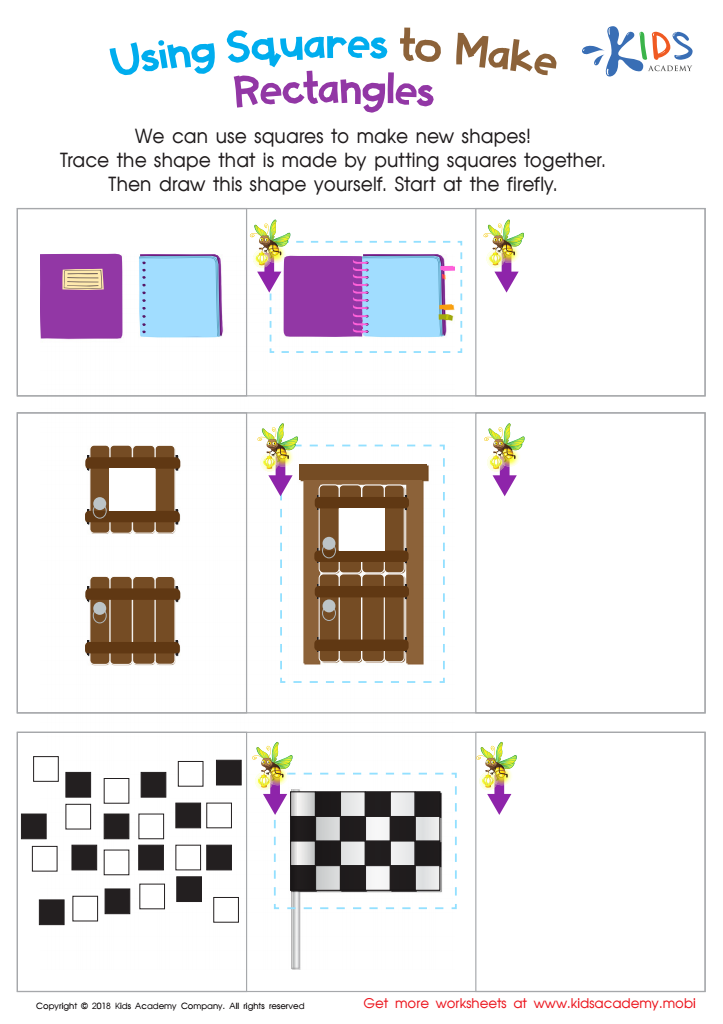
Using Squares to Make Rectangles Worksheet








Introducing critical thinking skills through the study of 2D shapes for children aged 4-9 has tremendous benefits, ensuring a strong foundation for future academic success. For one, critical thinking involves analyzing, evaluating, and synthesizing information, which sharpens a child’s problem-solving capabilities. By exploring how shapes can be combined and transformed, children learn to reason logically and think creatively.
Furthermore, understanding 2D shapes helps in developing spatial awareness, an essential skill not just in mathematics but also in fields like engineering and art. When children identify and compare shapes, they learn important concepts of geometry and build early math skills, enhancing their ability to connect mathematical ideas with real-world applications.
Aside from the cognitive benefits, engaging with 2D shapes bolsters fine motor skills through activities like tracing, drawing, and cutting, aiding hand-eye coordination. Socially, group activities involving shapes can teach collaboration, communication, and following instructions.
Parents and teachers can integrate these lessons in engaging ways, such as interactive games, puzzles, and art projects, making learning enjoyable and effective. Creditòop èšëriving attention to foundational skills such as working with 2D shapes can lay the groundwork for critical thinking abilities that will benefit children across all subjects, enriching their academic journey and everyday problem-solving skills.