Shape Recognition 2D Shapes Worksheets for Ages 4-9 - Page 2
37 filtered results
-
From - To
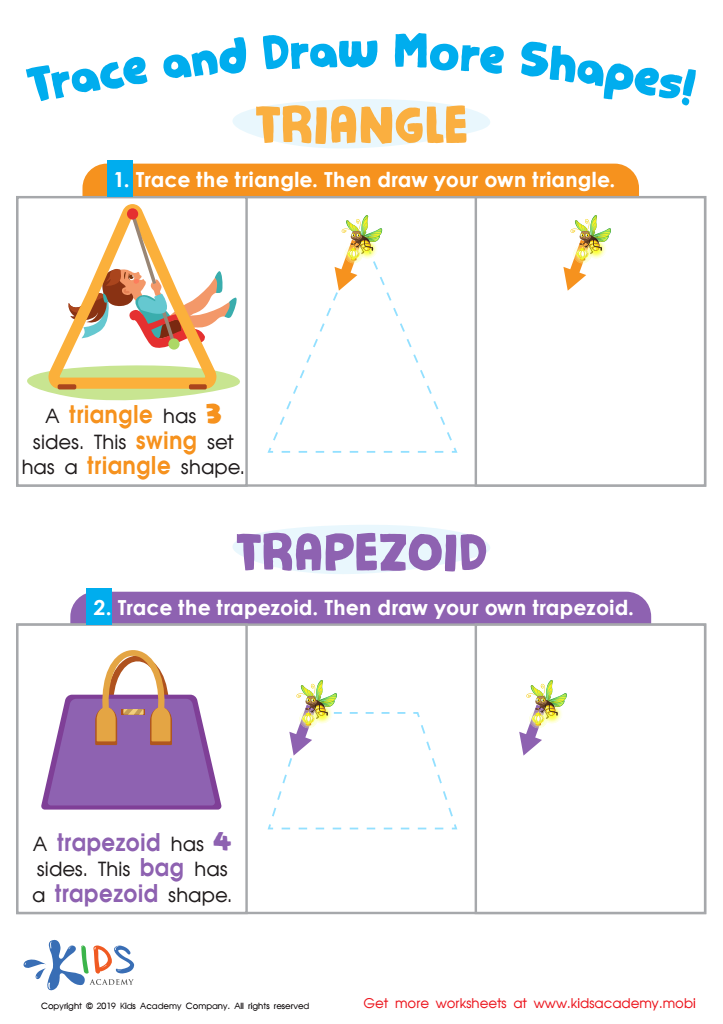
Trace and Draw More Shapes Worksheet
 Assign to My Students


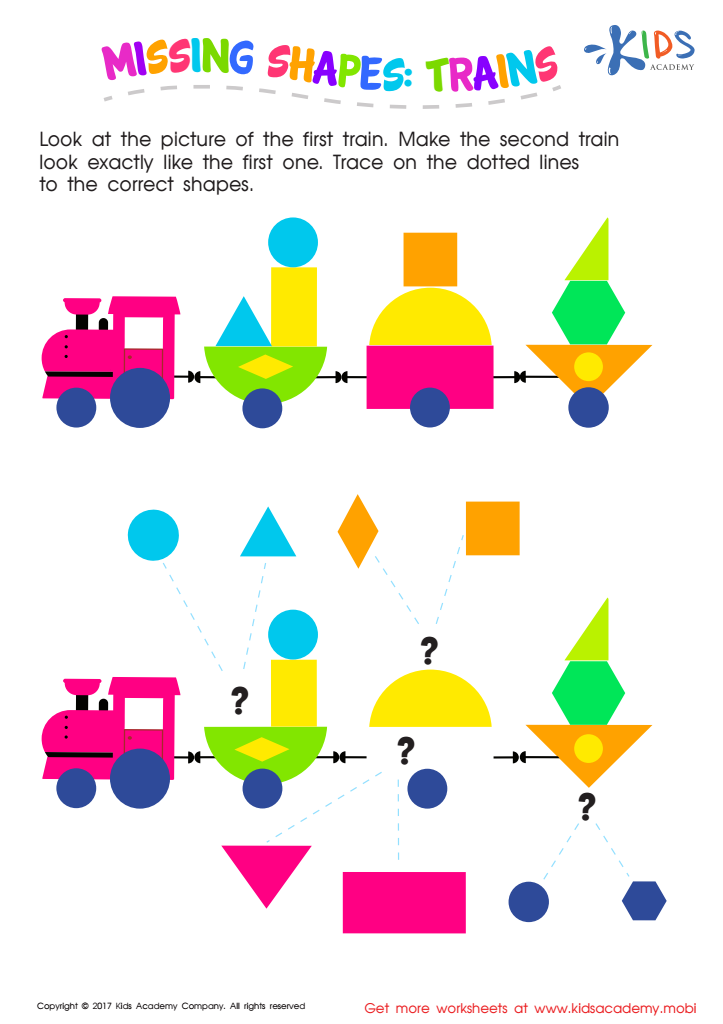
Missing Shapes: Trains Worksheet
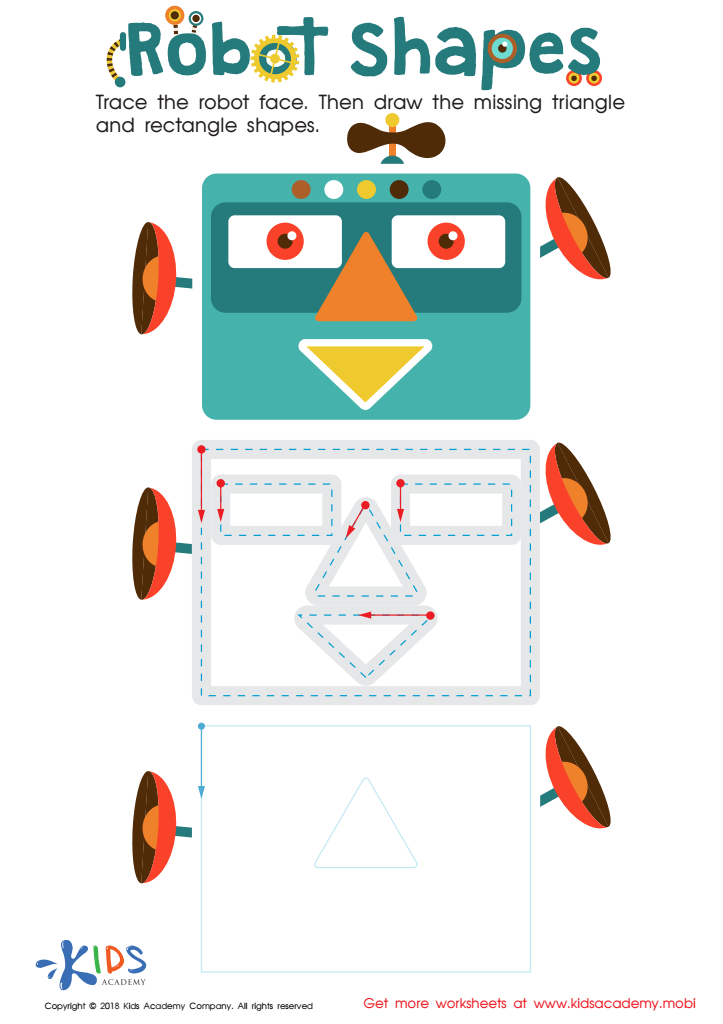
Robot Shapes Worksheet
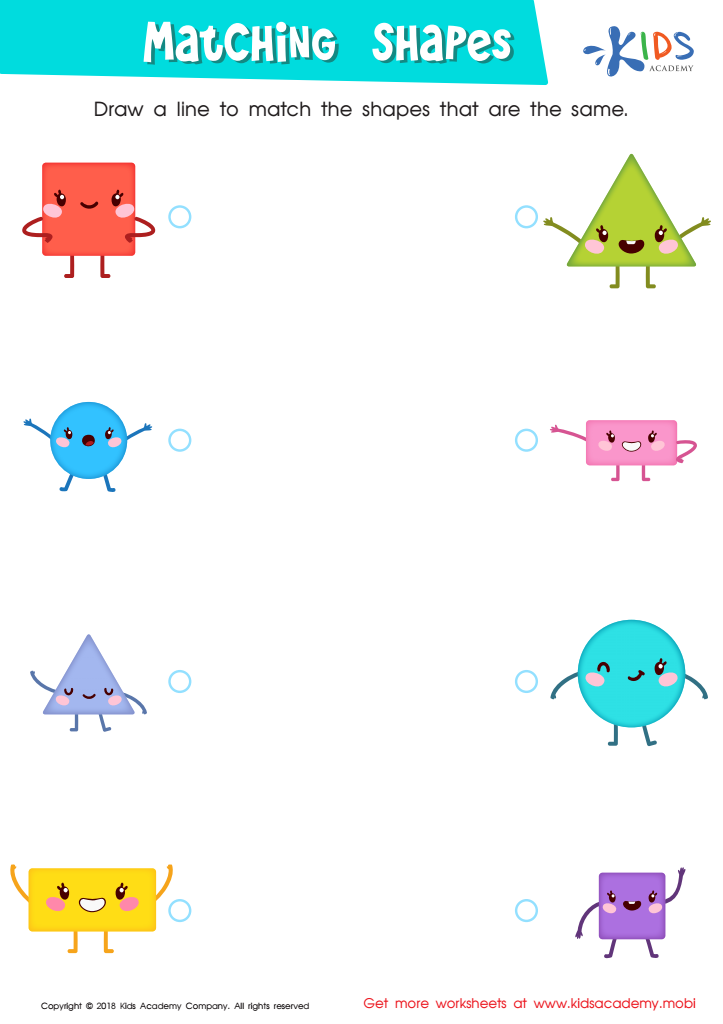
Matching Shapes Worksheet
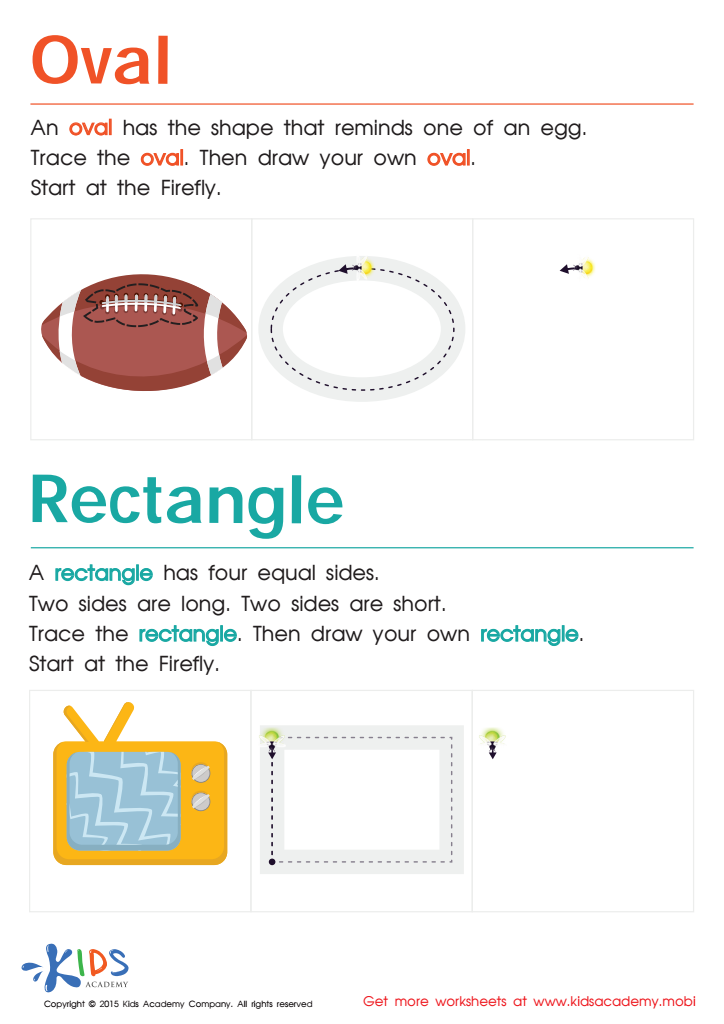
Easy Drawing of Ovals And Rectangles Worksheet
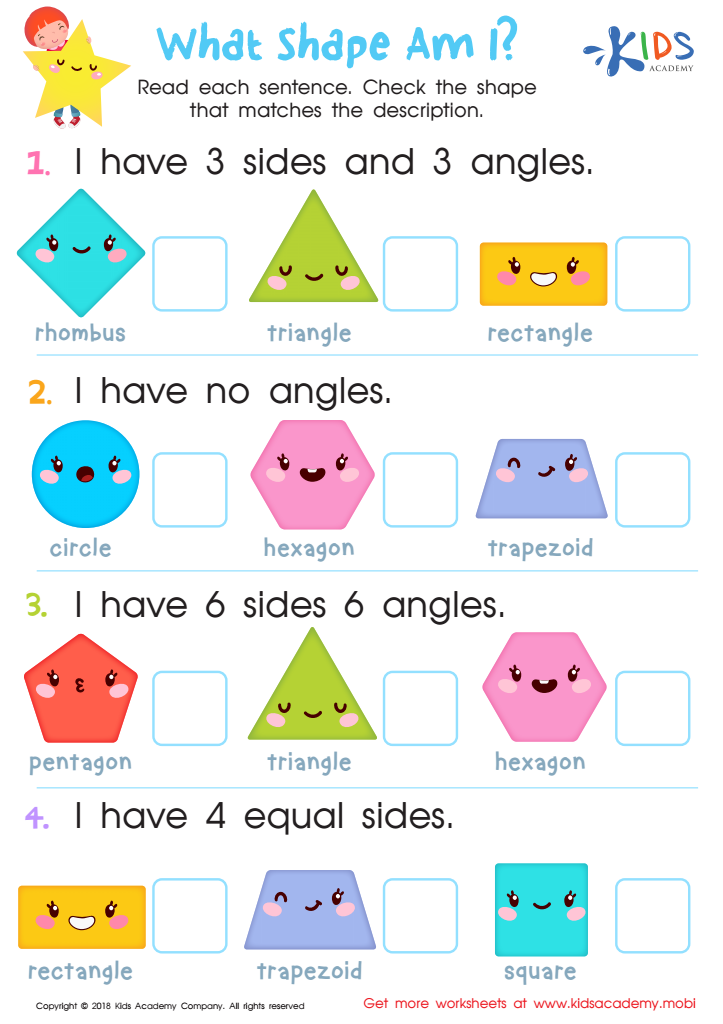
What Shape Am I? Worksheet
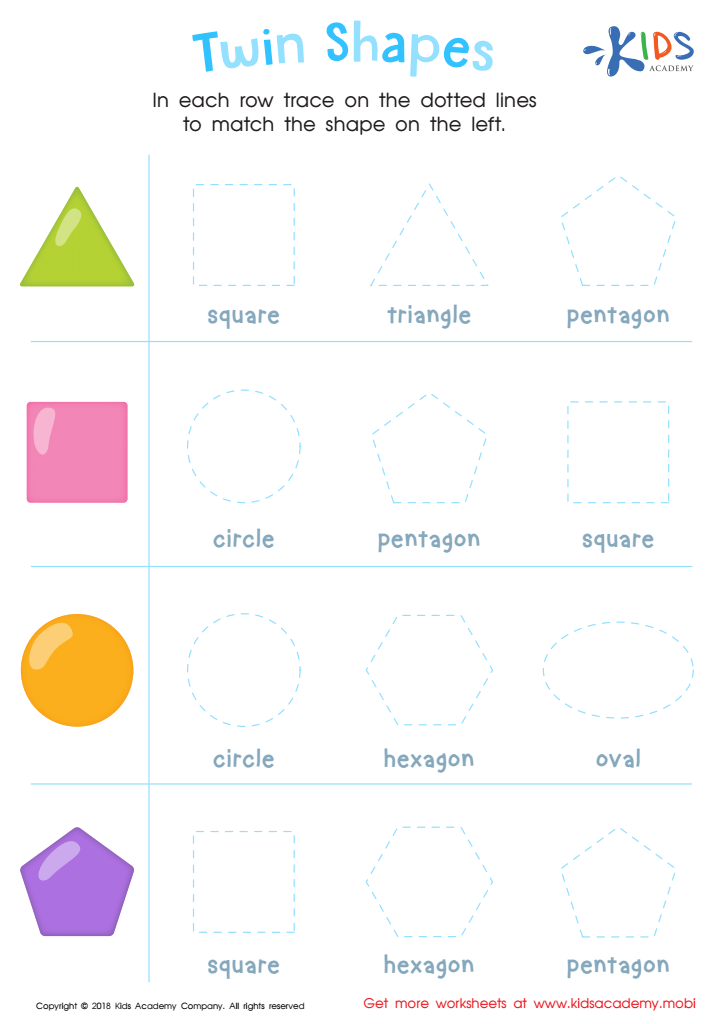
Twin Shapes Dot-to-Dot Worksheet
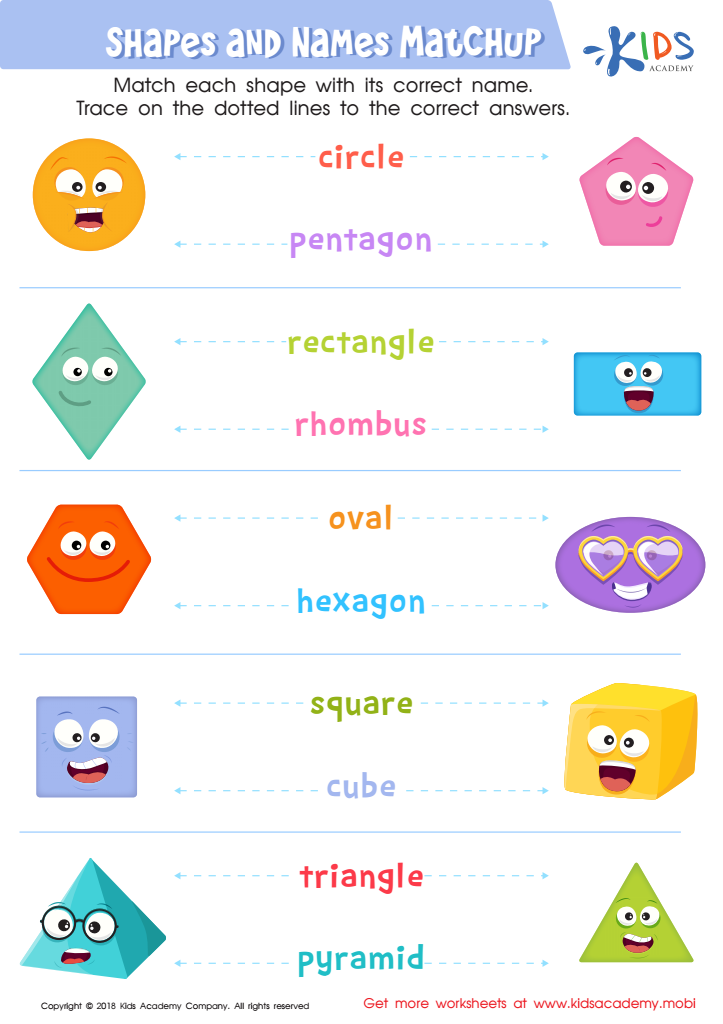
Shapes and Names Matchup Worksheet
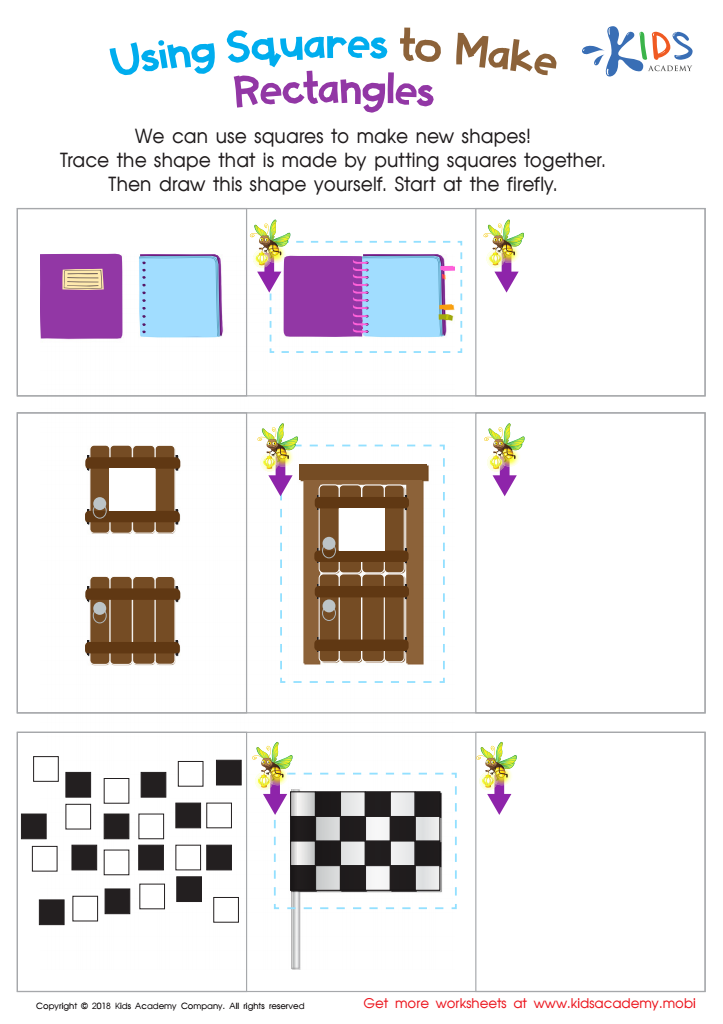
Using Squares to Make Rectangles Worksheet
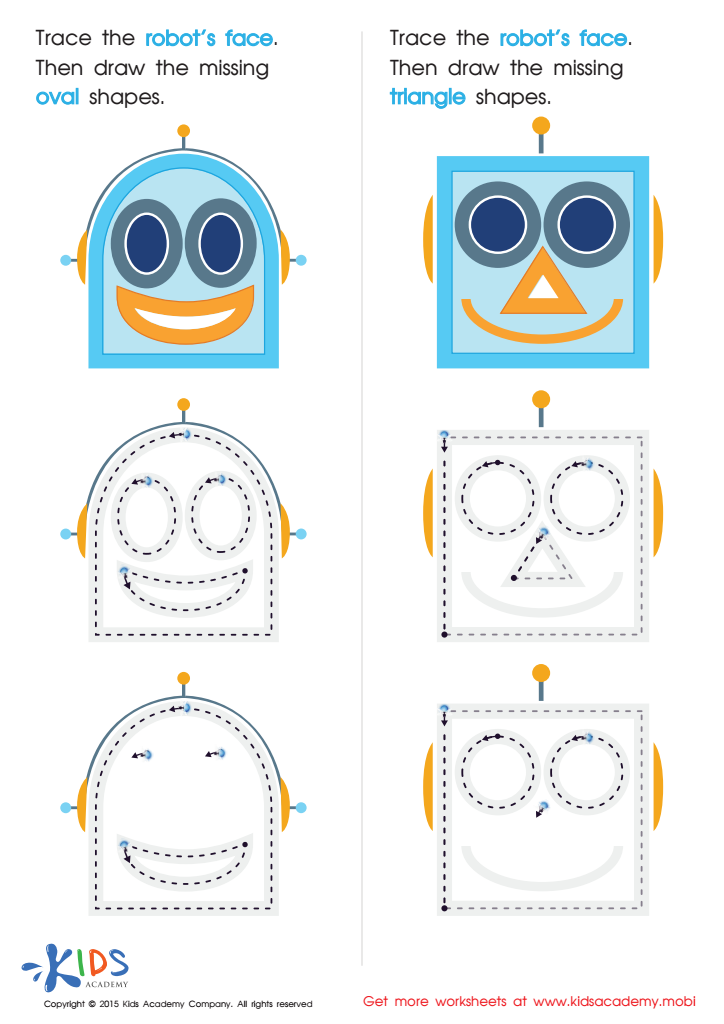
Drawing Ovals And Triangles with Fun Printable
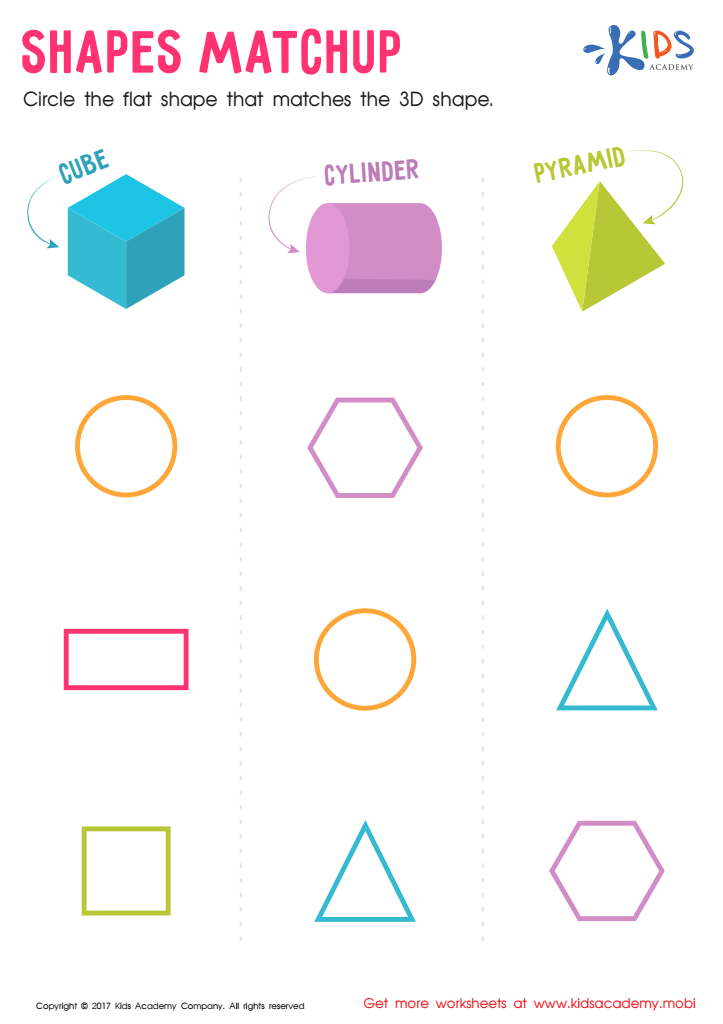
Shapes Matchup Worksheet
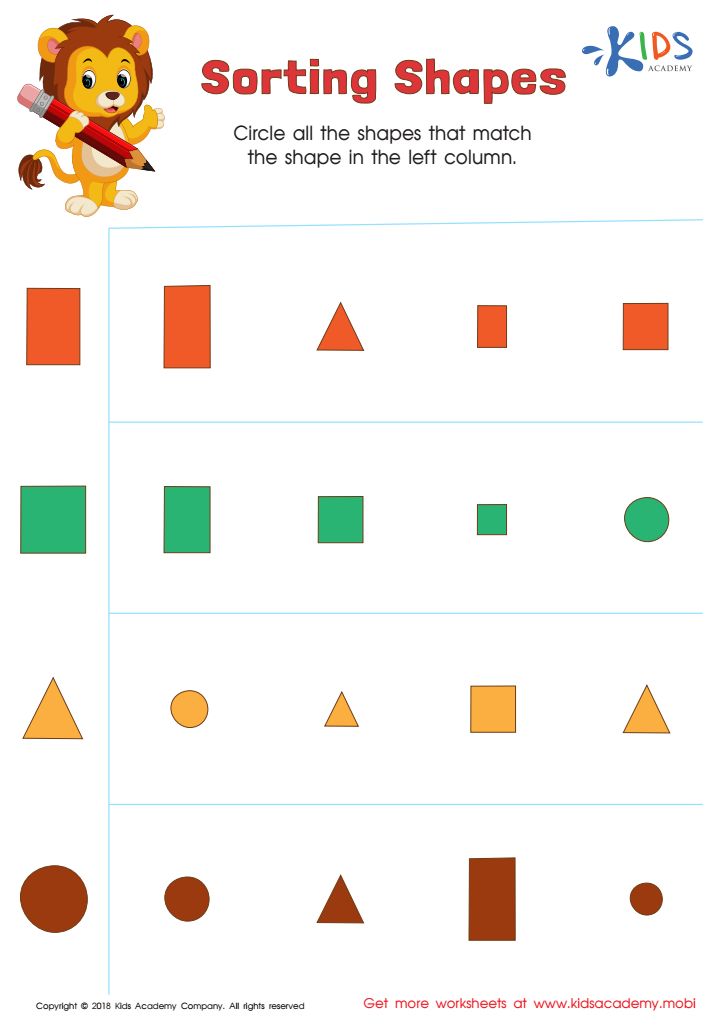
Sorting Shapes - Part 2 Worksheet
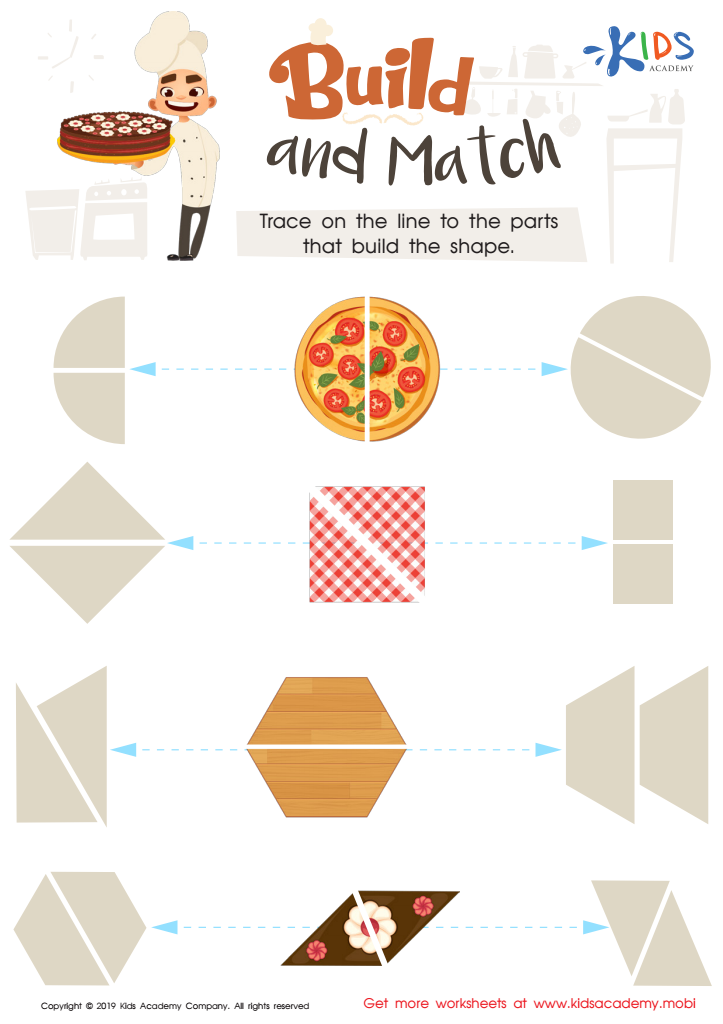
Build and Match Worksheet








Shape recognition is a fundamental skill for children aged 4-9, laying the groundwork for their spatial awareness and early mathematical understanding. For parents and teachers, fostering this skill is crucial as it enhances cognitive development and critical thinking. Recognizing 2D shapes allows children to make sense of the world around them, helping them identify patterns and relationships in everyday objects, which is essential for problem solving.
Additionally, shape recognition contributes to essential skills in geometry, which will later aid in understanding more complex math concepts. As children learn to classify shapes, they develop observational skills, improve their attention to detail, and build vocabulary for describing dimensions and positions.
Furthermore, shape recognition activities can promote creativity and expression through art and play, making learning engaging and enjoyable. This foundational knowledge supports future academic success and builds confidence in children's abilities.
Parents and teachers play a pivotal role in encouraging shape recognition through interactive methods—such as games, puzzles, and real-life applications. By investing time and resources into shape recognition, adults not only enrich children's learning experiences but also instill a lifelong appreciation for shapes, patterns, and mathematics. Encouraging this early skill cultivates a strong base for future learning and exploration.