Number comprehension Addition & Subtraction Worksheets for Ages 4-9
25 filtered results
-
From - To
Explore engaging Number Comprehension Addition & Subtraction Worksheets designed specifically for children ages 4-9! Our interactive resources support young learners in mastering essential math skills through fun and effective activities. These worksheets focus on number recognition, foundational addition, and subtraction concepts, ensuring children develop a solid number sense. Tailored to various learning levels, each worksheet promotes critical thinking while making practice enjoyable. Encourage your child's confidence in math as they progress through colorful, engaging tasks that captivate their attention. Perfect for classroom use or at-home learning, our worksheets will build proficiency and enthusiasm in math from an early age. Start your child’s math journey today!
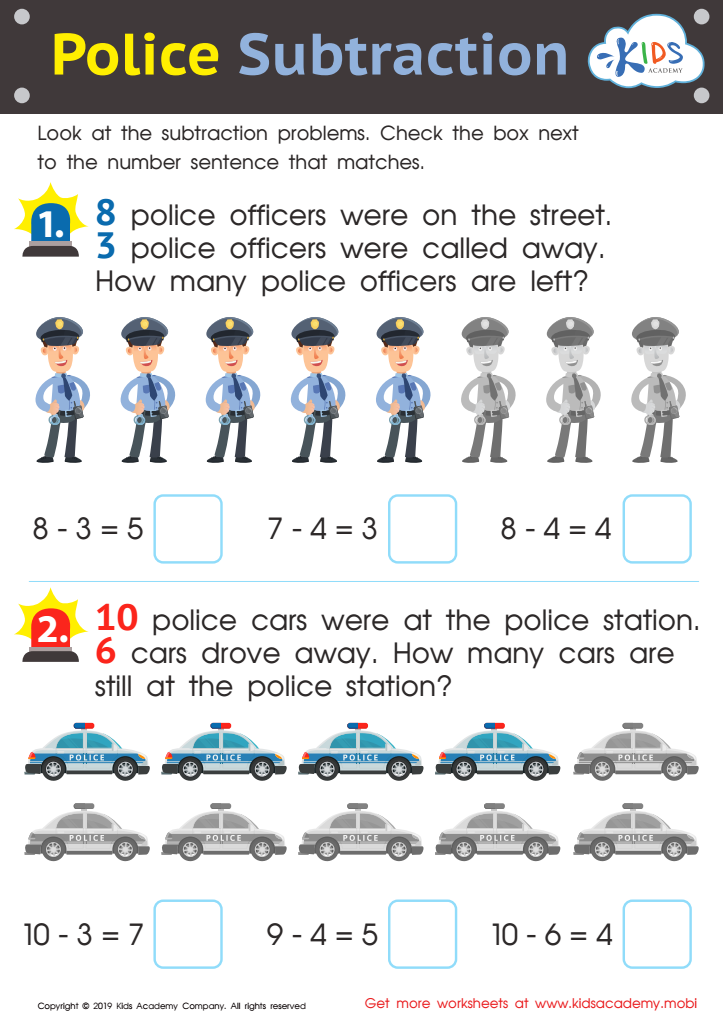
Police Subtraction Worksheet
 Assign to My Students
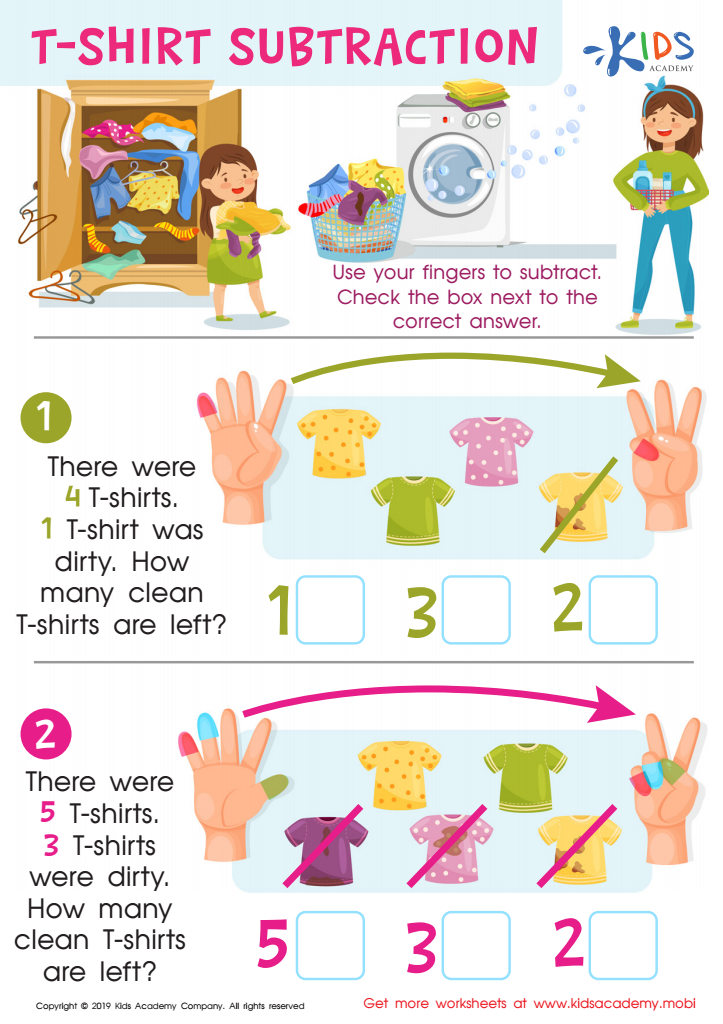
T-shirt Subtraction Worksheet
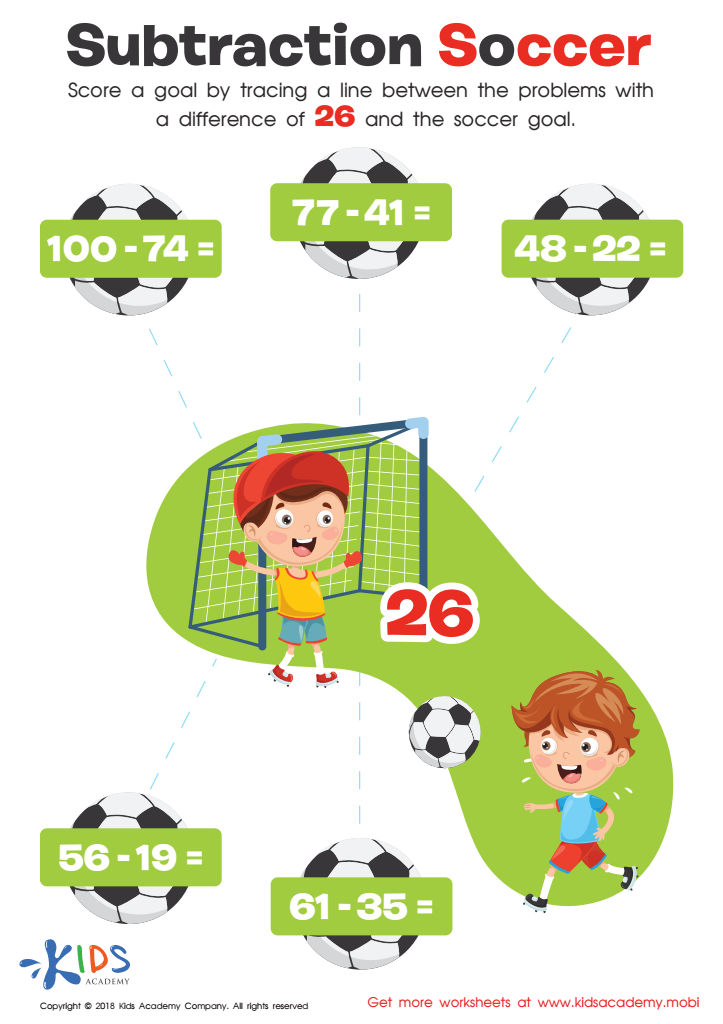
Subtraction Soccer Worksheet
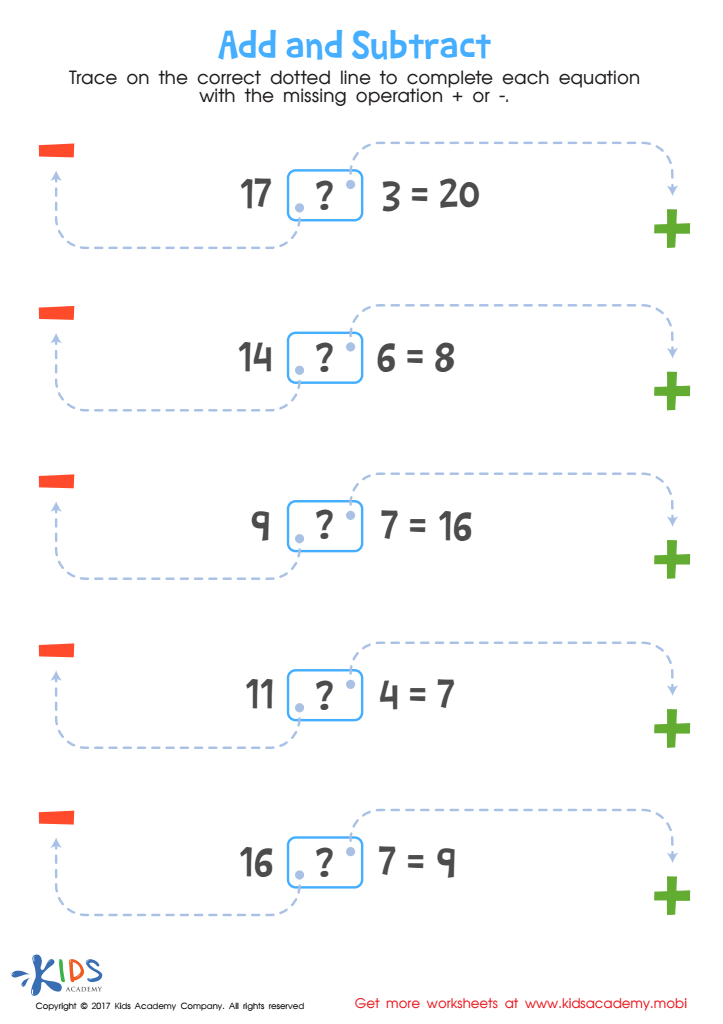
Add and Subtract Worksheet
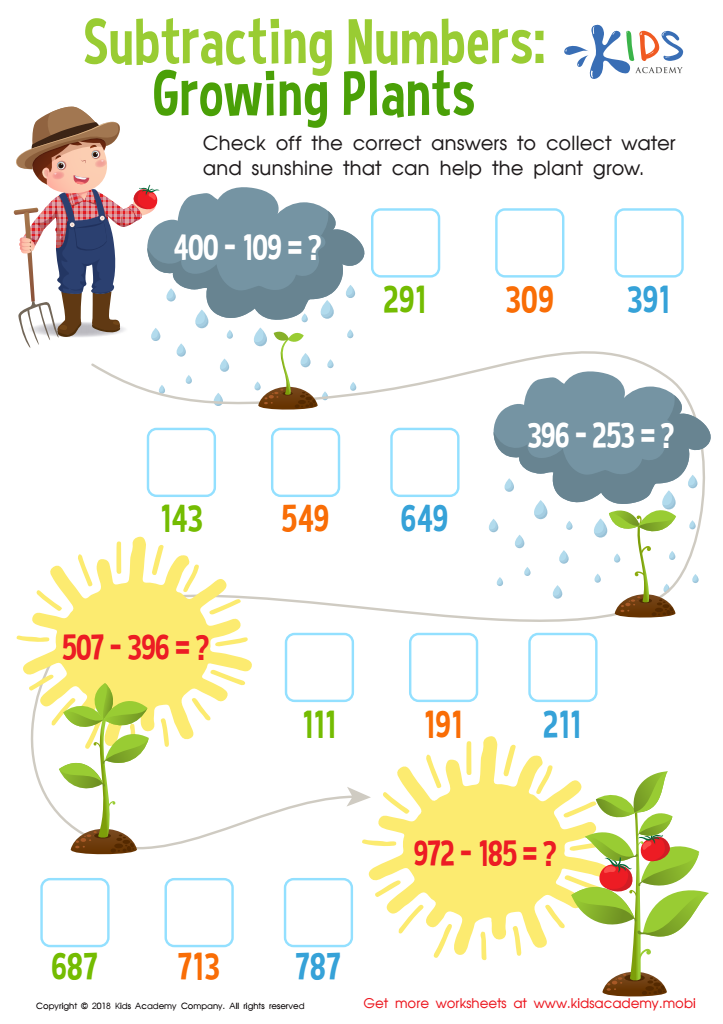
Subtracting Numbers: Growing Plants Worksheet
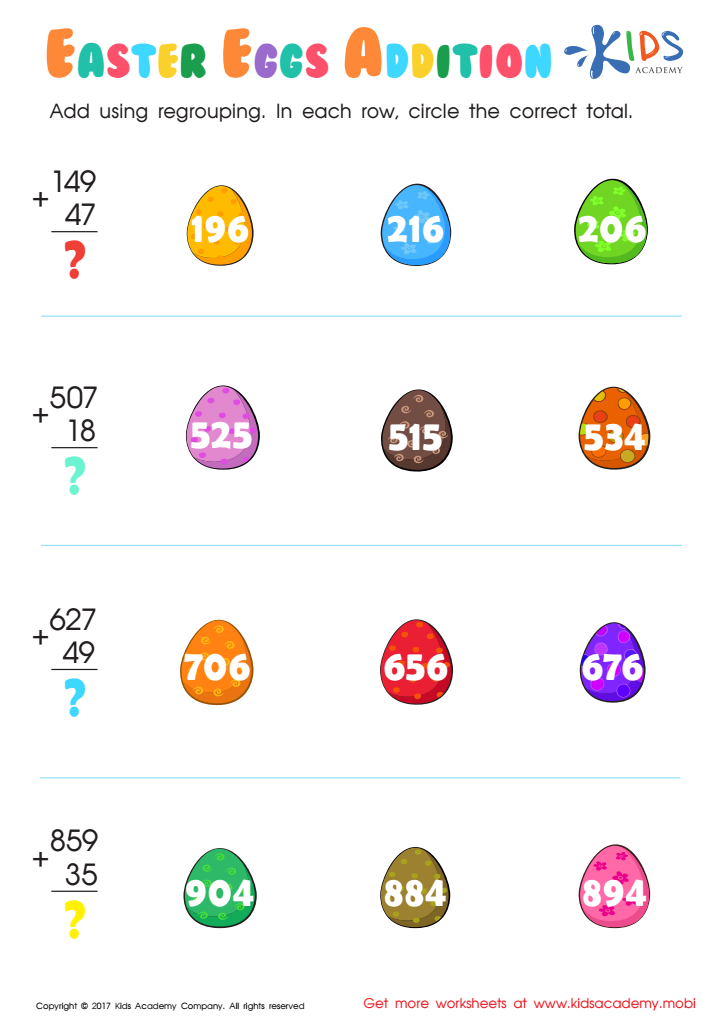
Addition with Regrouping Worksheet
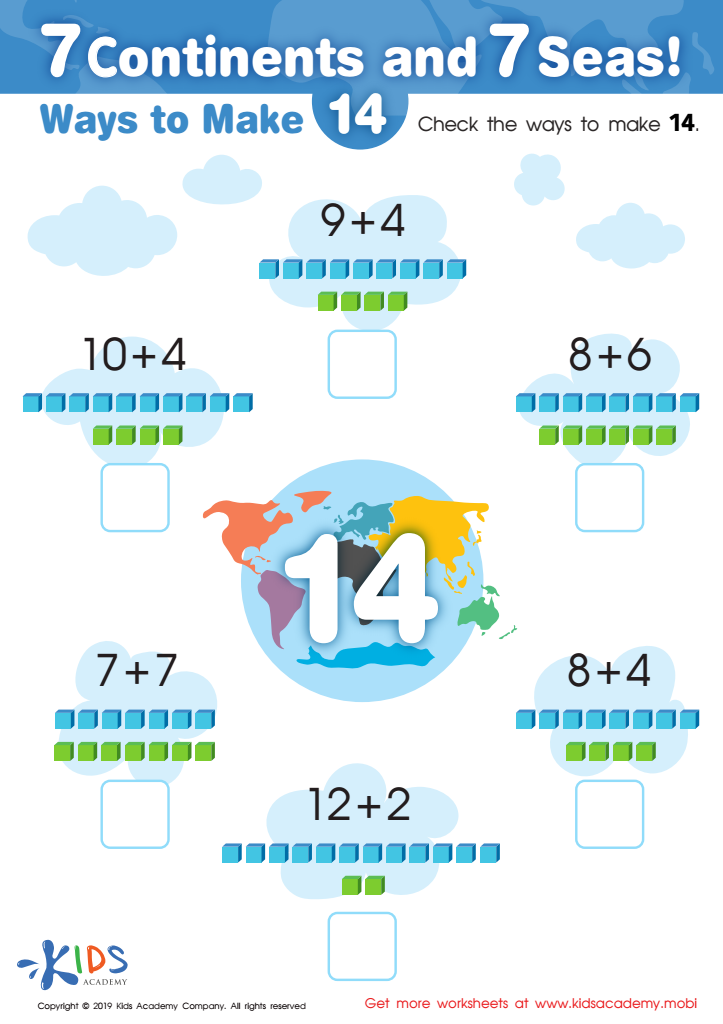
7 Continents and 7 Seas Worksheet
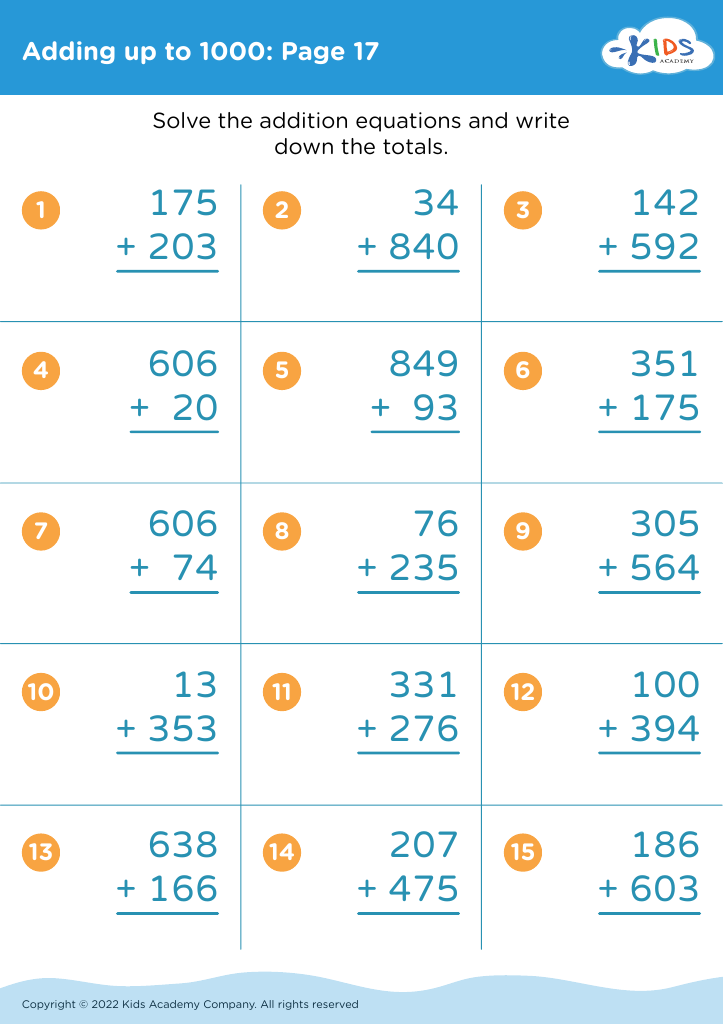
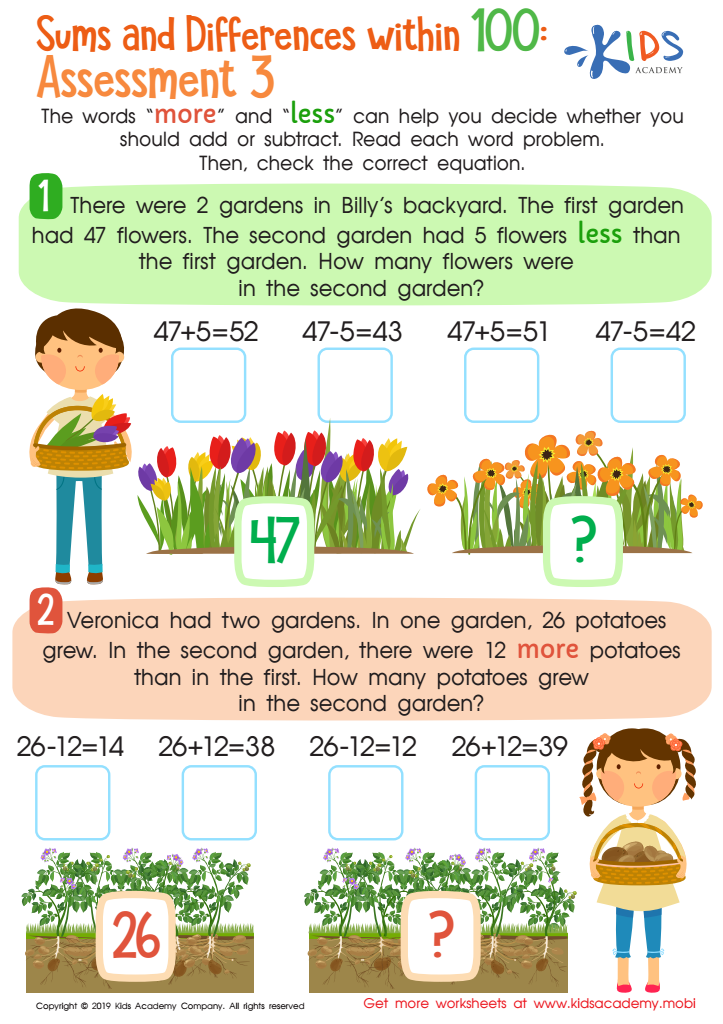
Sums and Differences Within 1 - Assessment 1 Worksheet
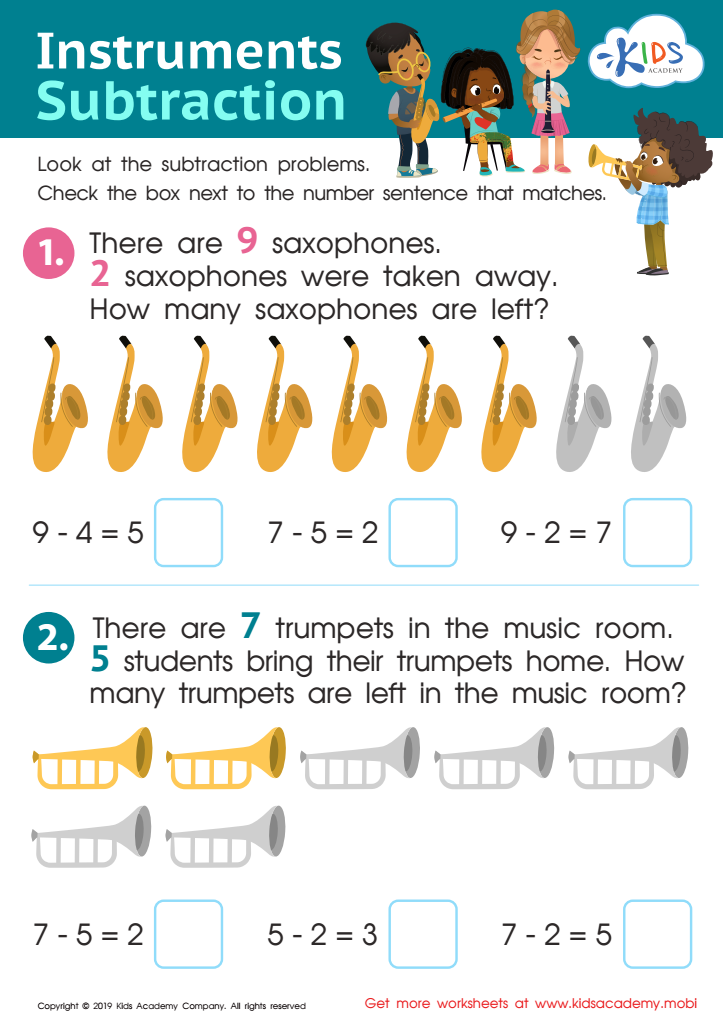
Instrument Subtraction Worksheet
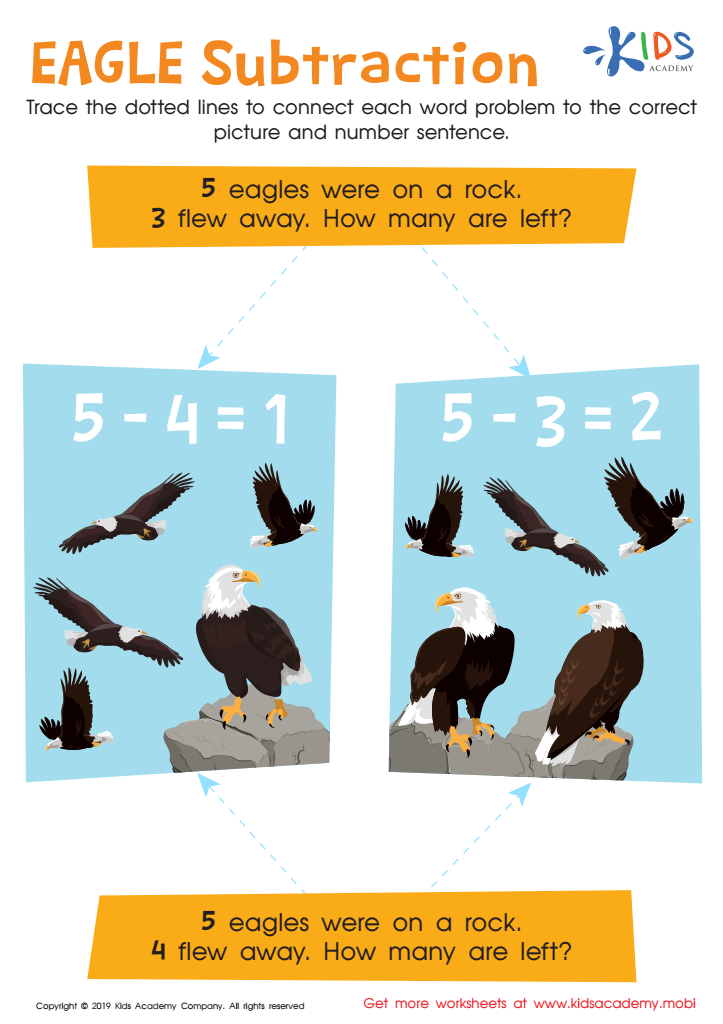
Eagle Subtraction Worksheet
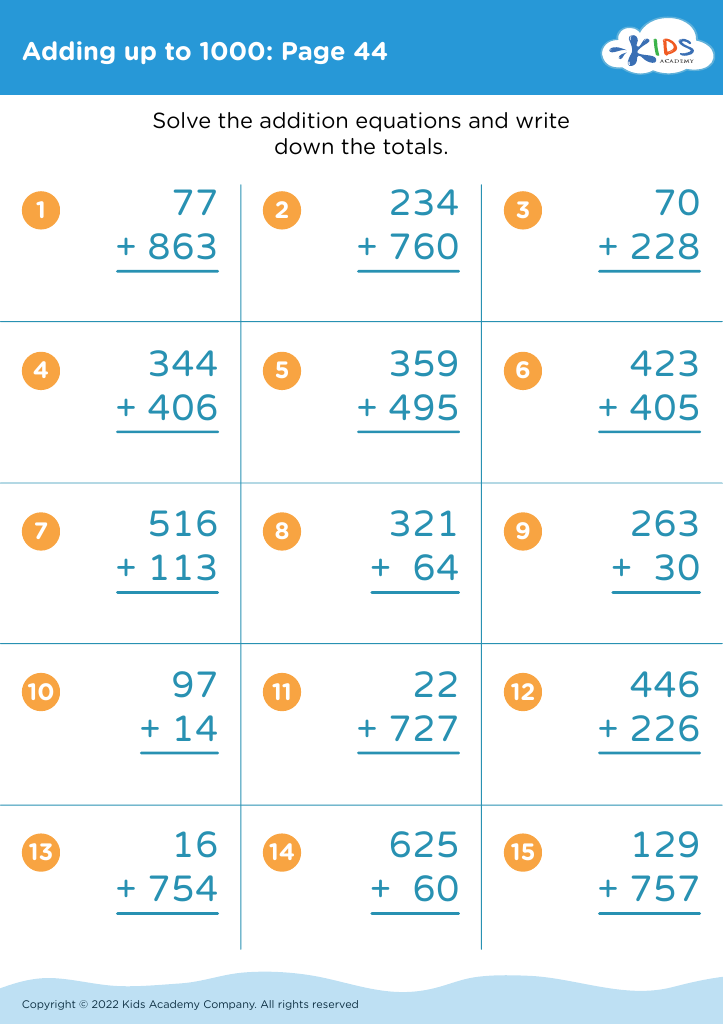
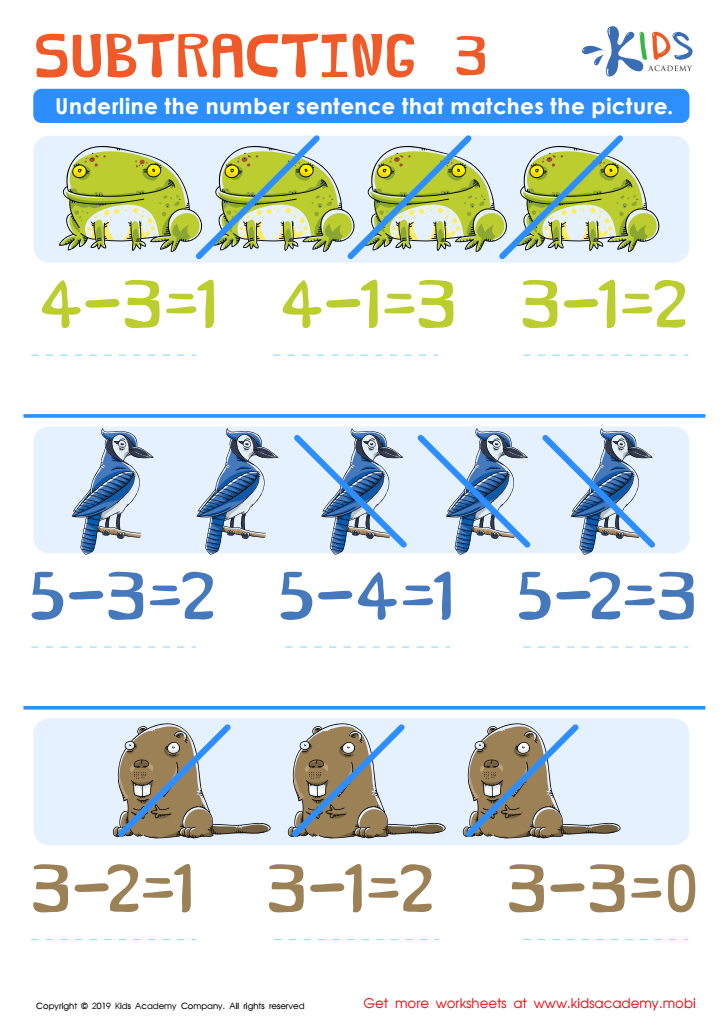
Subtracting 3 Worksheet
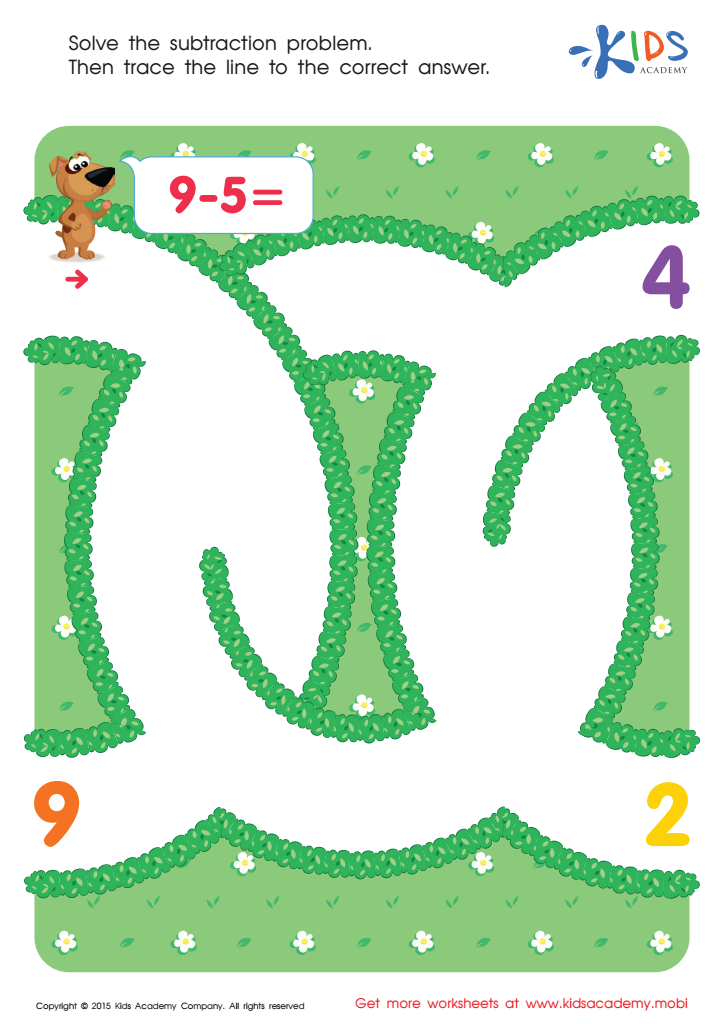
Subtraction Nine And Five Worksheet
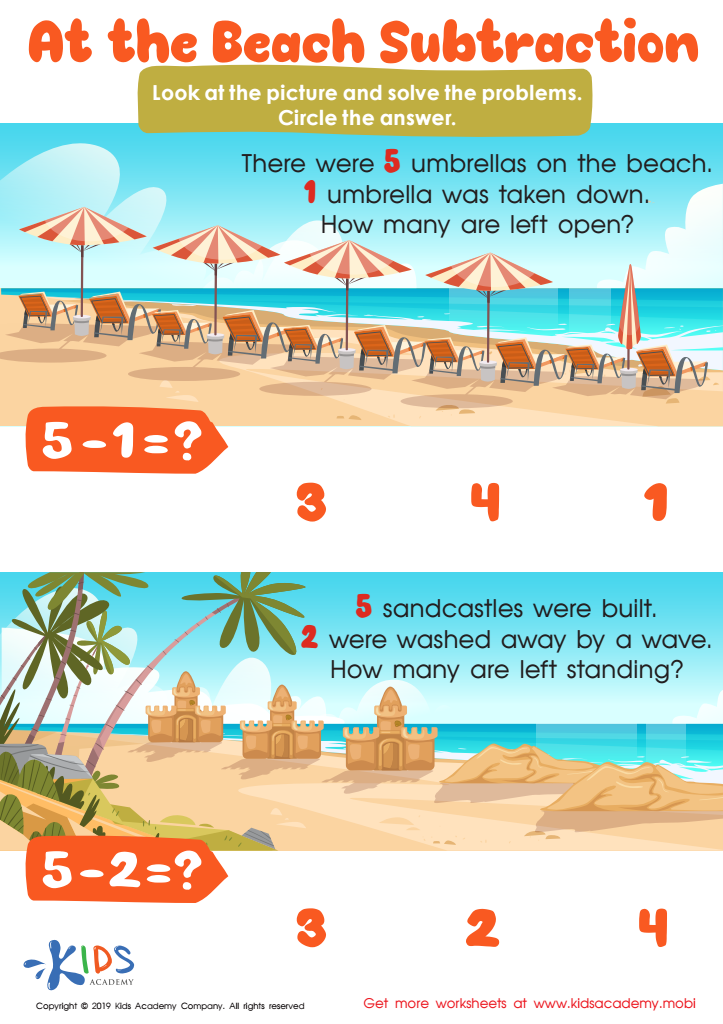
At the Beach Subtraction Worksheet
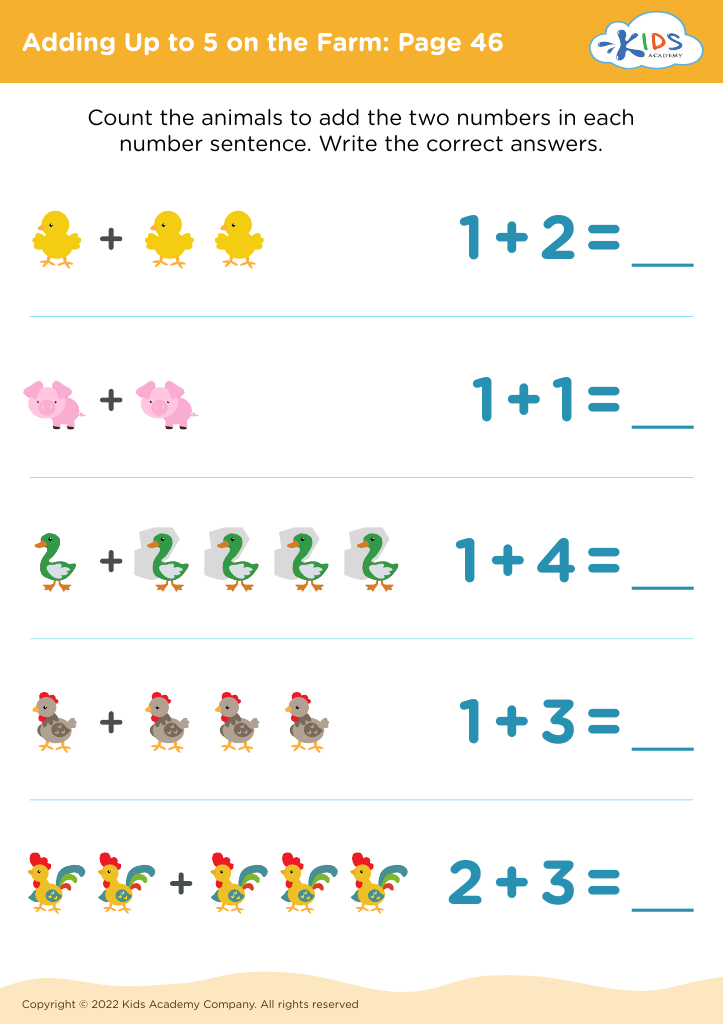
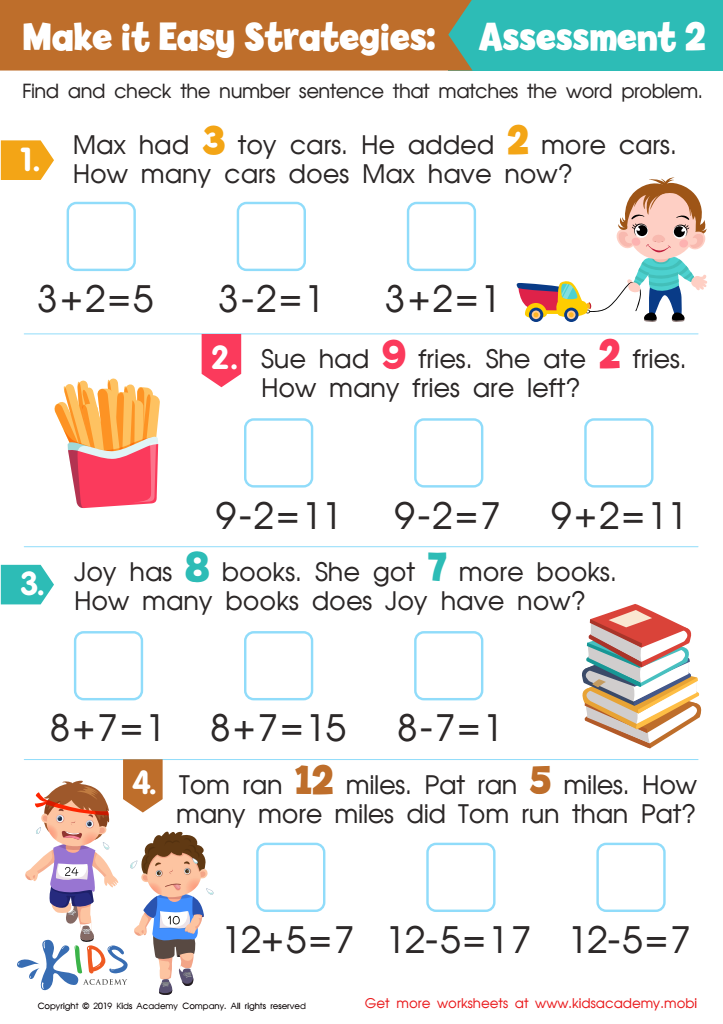
Make it Easy Strategies: Assessment 2 Worksheet
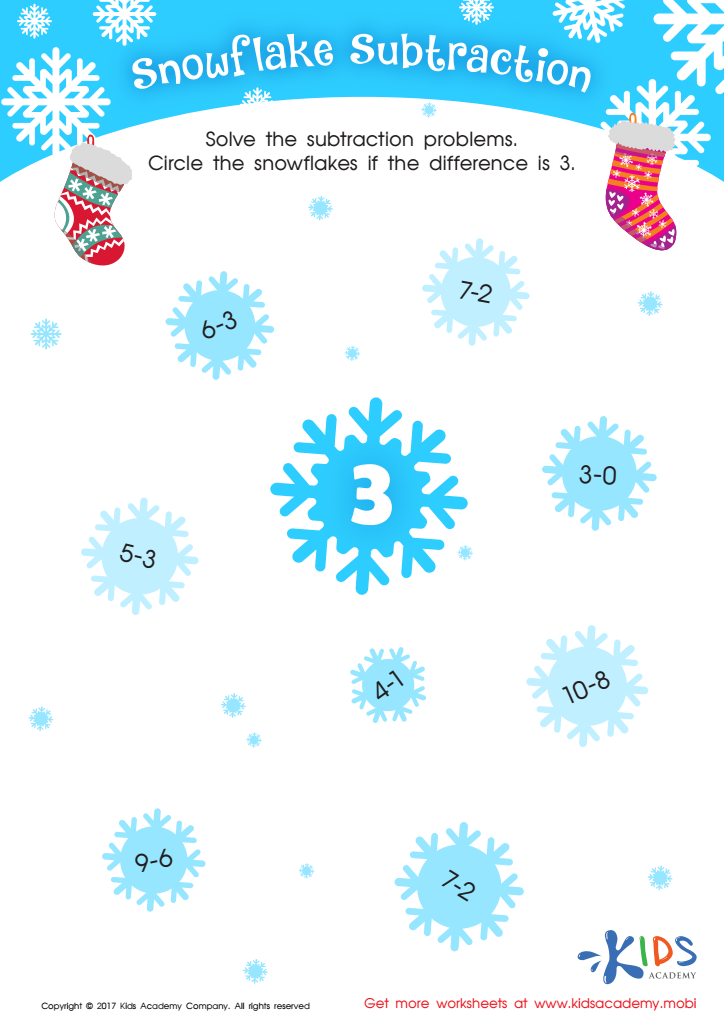
Snowflake Subtraction Worksheet
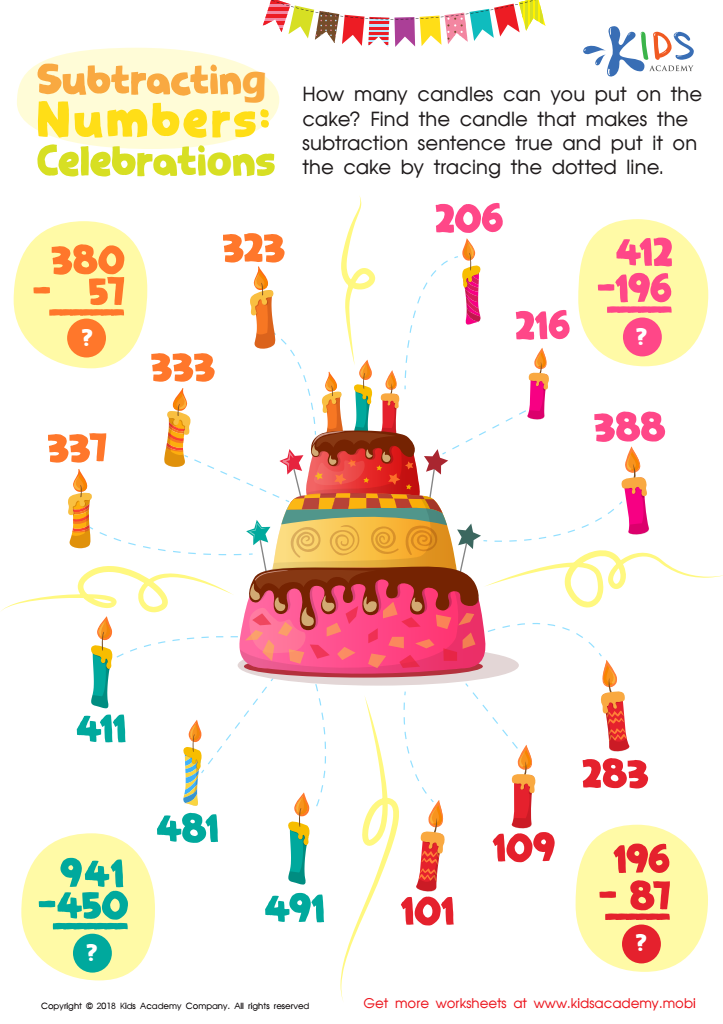
Subtracting Numbers: Celebrations Worksheet
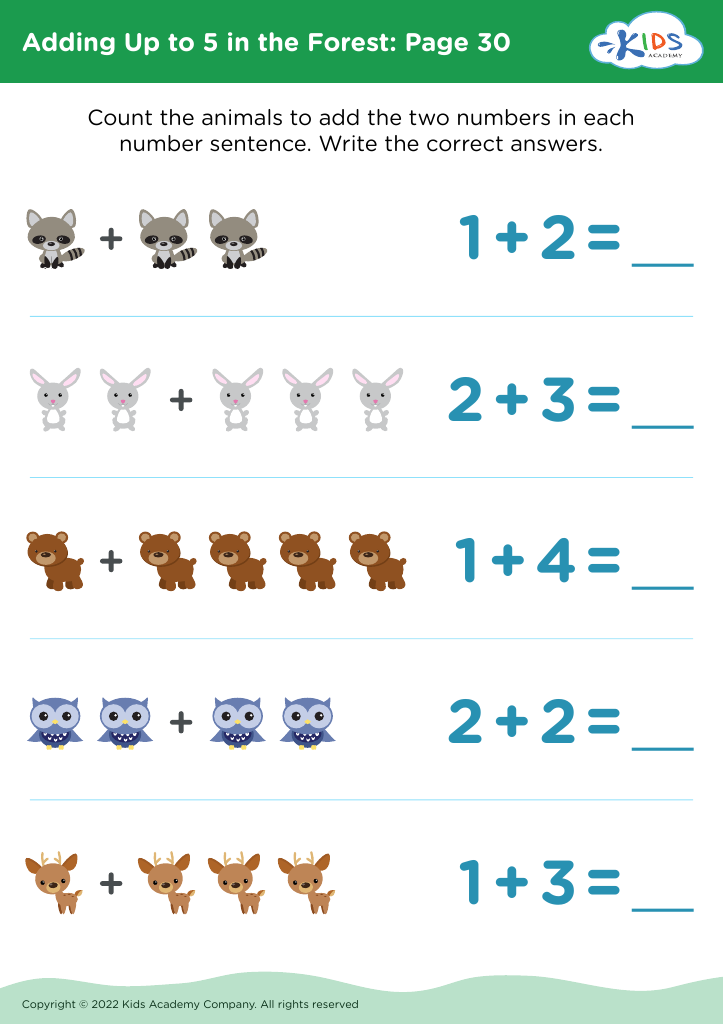
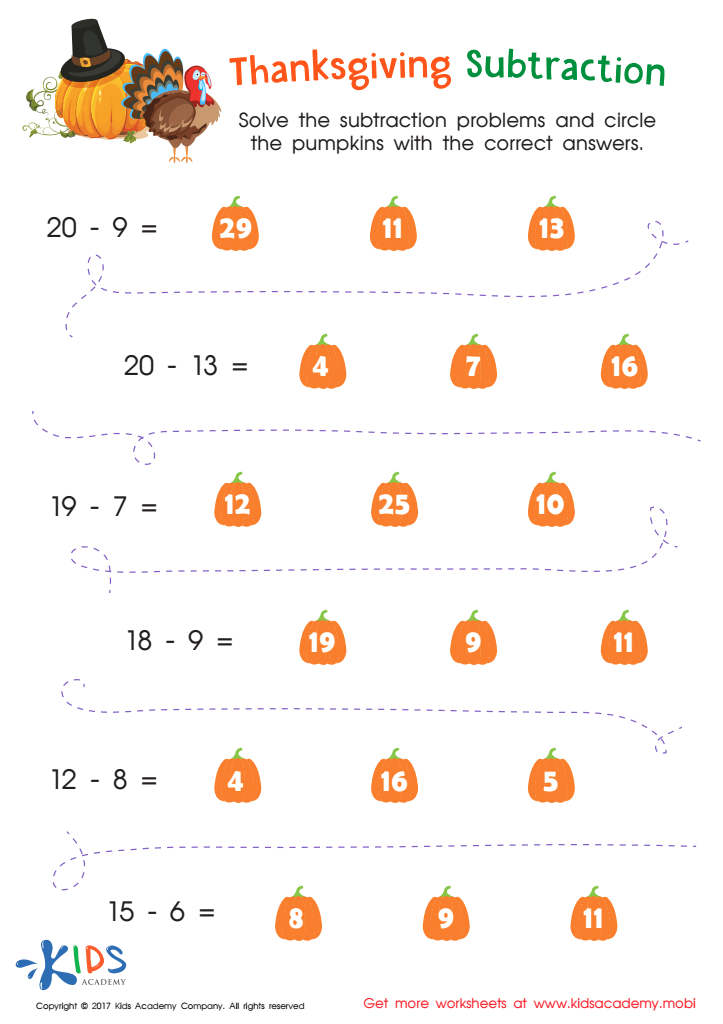
Thanksgiving Subtraction Substraction Worksheet
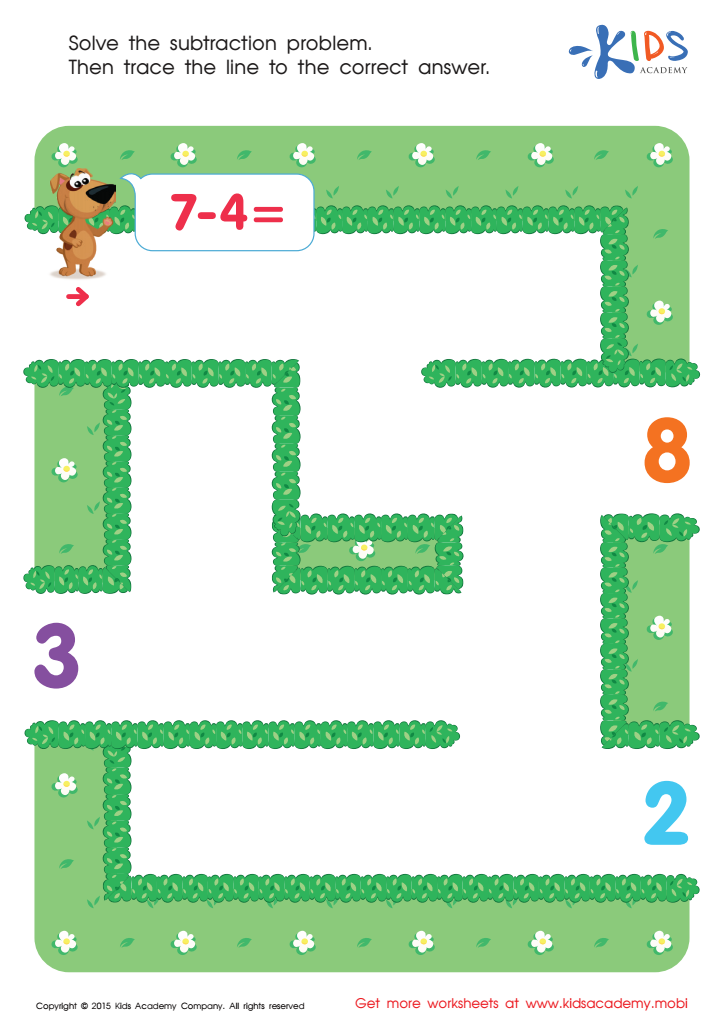
Subtraction Seven Minus Four Worksheet








Number comprehension, particularly in addition and subtraction, is foundational for children aged 4-9 as it serves as the bedrock for all future mathematical learning. Mastery of these basic skills significantly enhances a child's problem-solving abilities and fosters logical thinking. Early engagement in number comprehension helps children build confidence, as they gain the skills necessary to navigate everyday situations, from sharing toys to calculating change.
Parents and teachers should also recognize that number comprehension is intertwined with executive functioning skills, such as memory and attention. Encouraging understanding rather than rote memorization allows children to connect concepts, seeing numbers as tools rather than isolated symbols. Engaging with addition and subtraction at a young age sharpens analytical skills and promotes resilience in facing academic challenges.
Furthermore, fostering positive attitudes towards math during this critical developmental phase can prevent anxiety and aversion to the subject later in life.
Lastly, parents and educators who prioritize number comprehension create a supportive environment that encourages cooperative learning through games and collaborative activities, making the learning process enjoyable. This holistic approach not only polishes mathematical skills but also enriches social interactions, leading to well-rounded development in young learners.








