Pattern recognition Addition & Subtraction Worksheets for Ages 4-9
9 filtered results
-
From - To
Explore our engaging Pattern Recognition Addition & Subtraction Worksheets designed for children ages 4-9! These worksheets help young learners develop essential math skills by recognizing patterns while practicing addition and subtraction. Our colorful, kid-friendly designs make learning fun and interactive, fostering a positive attitude toward math. With a variety of exercises that promote critical thinking and problem-solving, your child will enhance their mathematical understanding while strengthening their cognitive abilities. Ideal for homeschooling or supplemental practice, our worksheets will build confidence in your child's math skills. Encourage early learners to discover the joy of math today with our thoughtfully crafted resources!
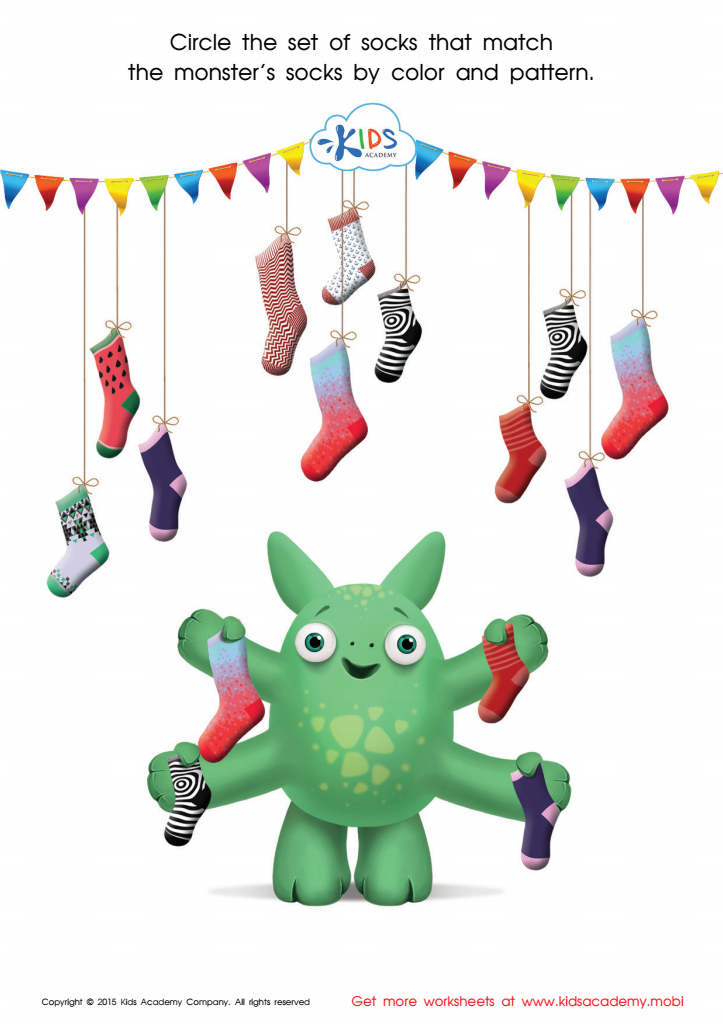
Sort the Monster's Socks Worksheet
 Assign to My Students
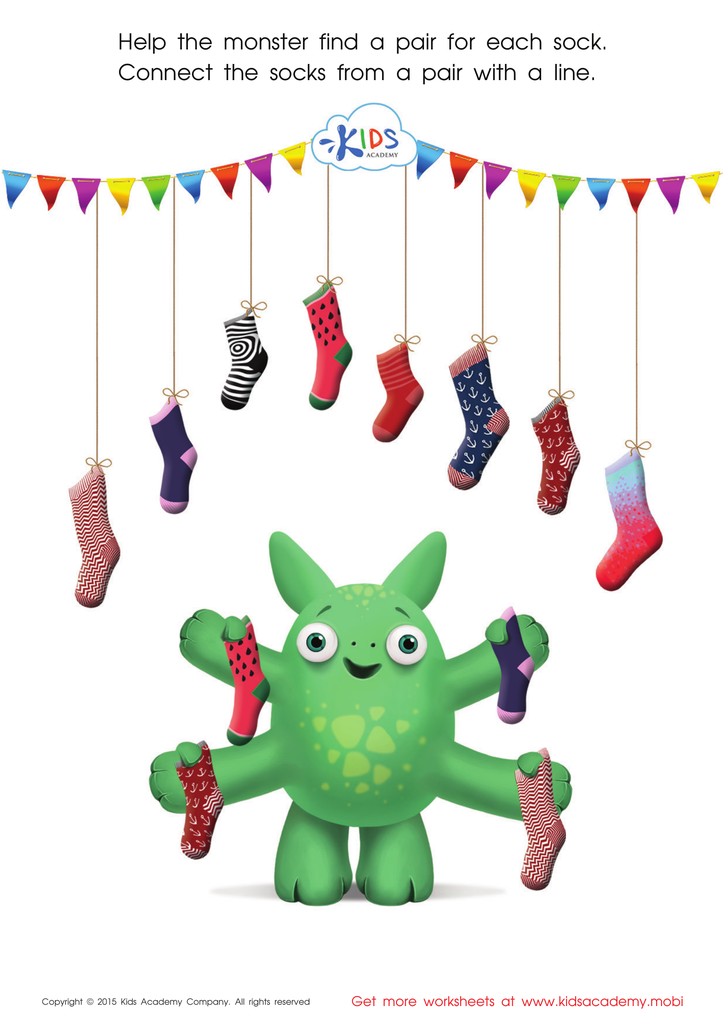
Math Matching Game: Monsterв's Socks Worksheet
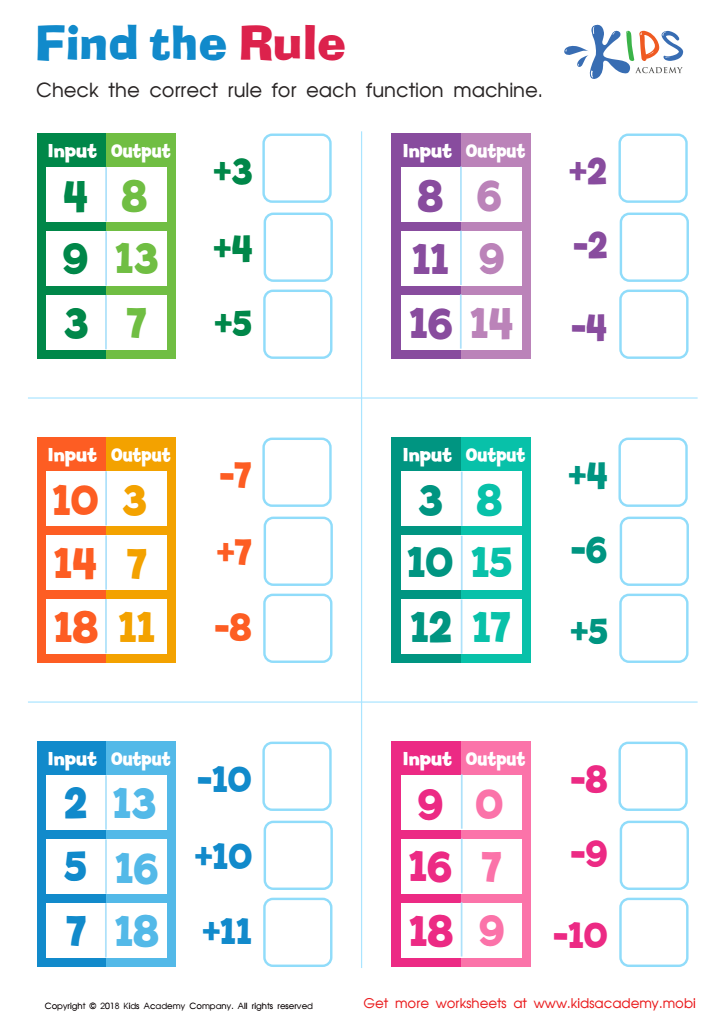
Find the Rule Worksheet
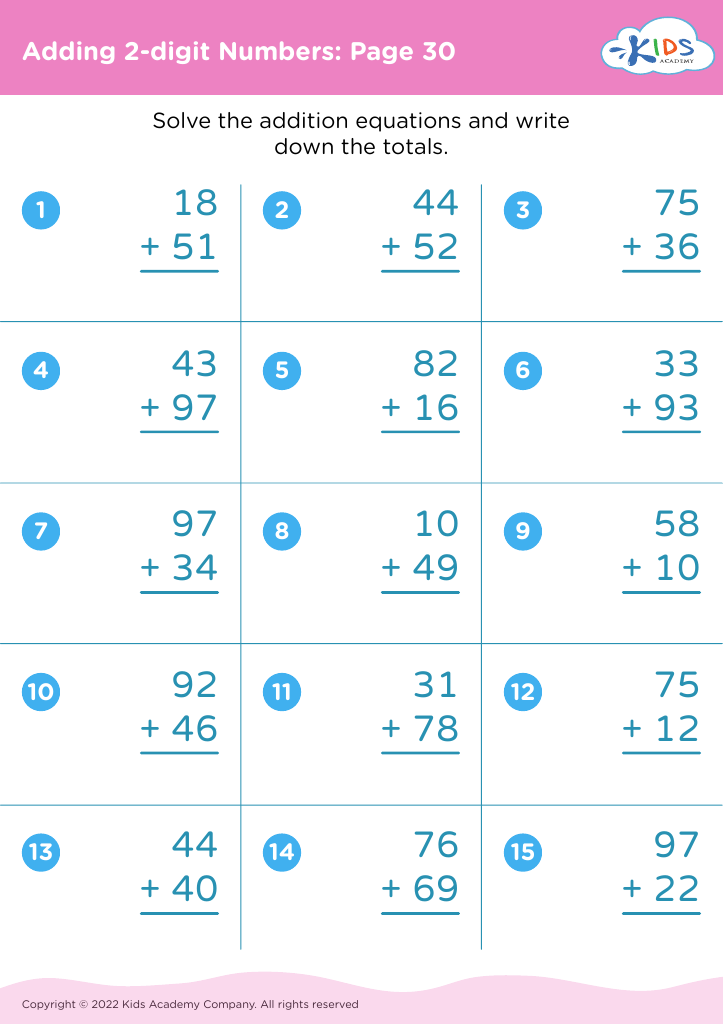
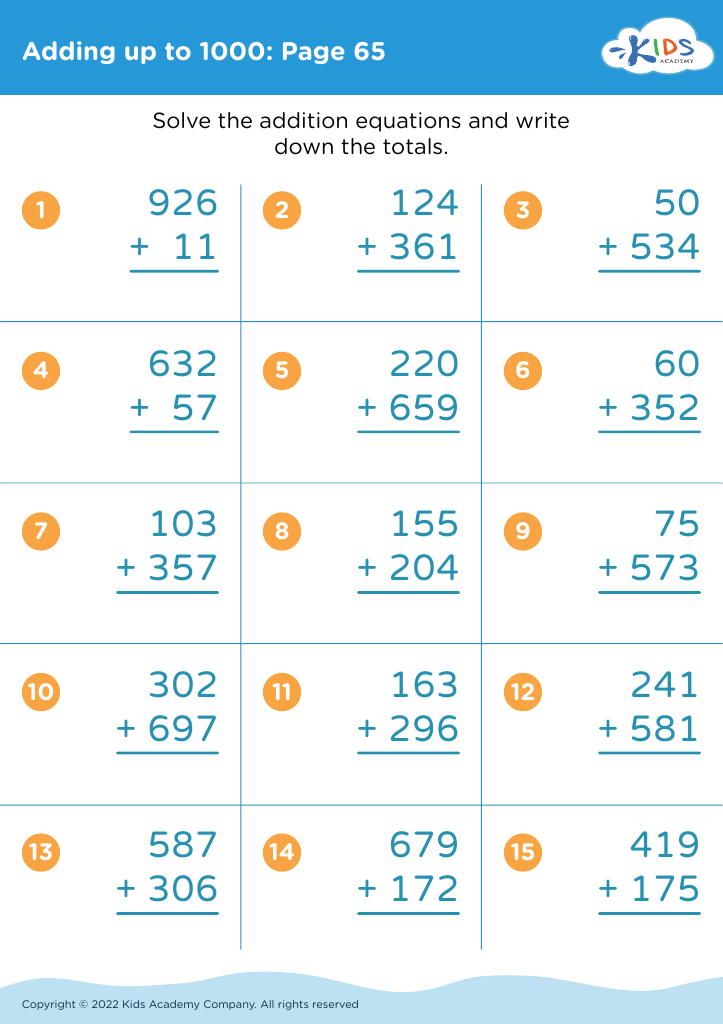
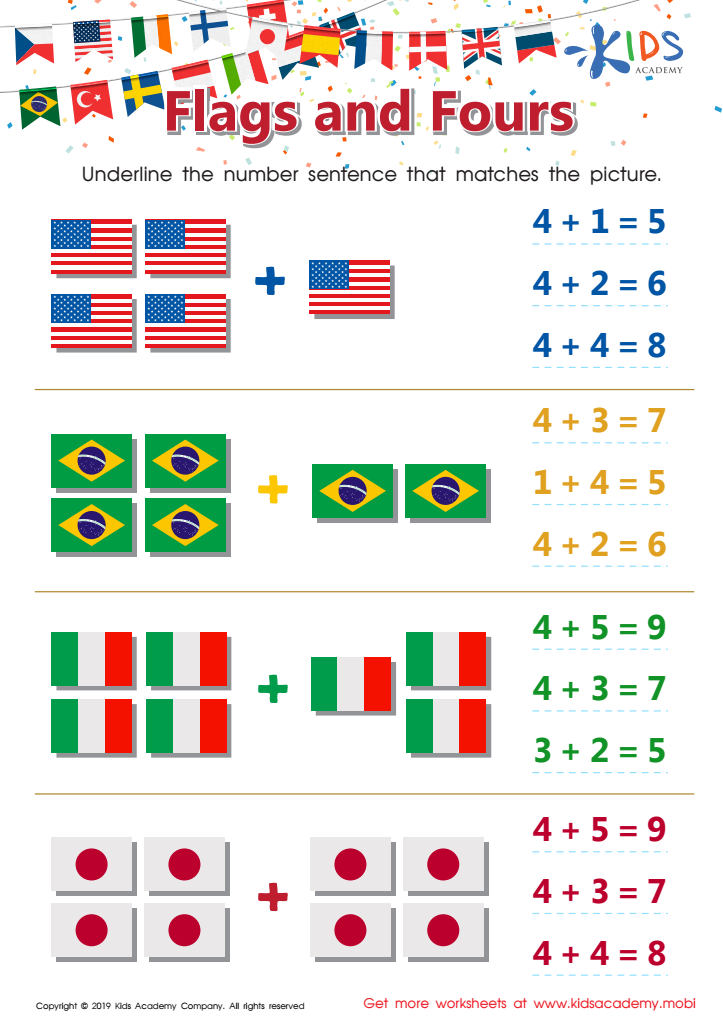
Flags and Fours Worksheet
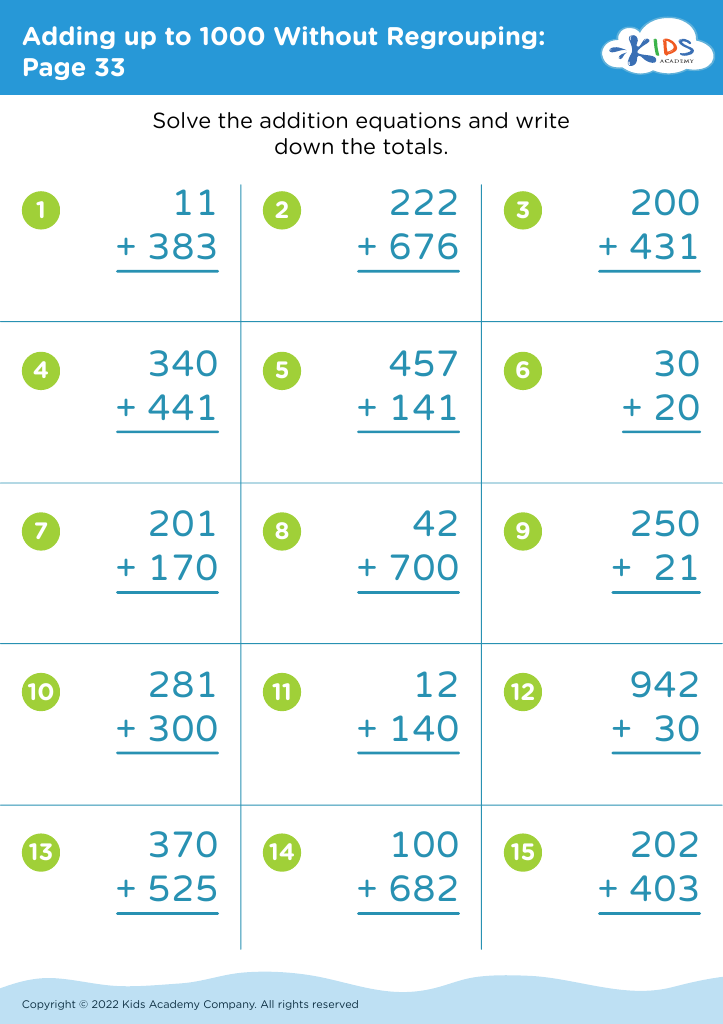








Pattern recognition in addition and subtraction is a crucial skill for children aged 4-9, laying the foundation for their future mathematical abilities. Here are several reasons why parents and teachers should prioritize this skill:
-
Cognitive Development: Recognizing patterns enhances critical thinking and analytical skills. When children identify numerical patterns, they learn to draw connections and understand abstract concepts in mathematics.
-
Problem-Solving Skills: Pattern recognition encourages children to approach problems systematically. For example, if they notice that adding 2 to an even number always results in an even number, they can apply this rule to simplify their addition tasks.
-
Math Fluency: Understanding patterns speeds up calculations and improves overall fluency in arithmetic. It helps children grasp math facts more easily, laying a solid groundwork for more complex operations later on.
-
Engagement and Confidence: By recognizing and creating patterns, children can experience joy in learning math. This boosts their confidence and motivation, making them more inclined to engage in further mathematical activities.
-
Real-Life Application: Pattern recognition is relevant beyond academics. From understanding routines to recognizing trends in everyday life, these skills prepare children for a variety of societal and workplace contexts.
Supporting pattern recognition in early education promotes a well-rounded mathematical foundation essential for lifelong learning.








