
Develop addition skills Addition Worksheets for Ages 4-9
4 filtered results
Difficulty Level
Grade
Age
-
From - To
Subject
Activity
Standards
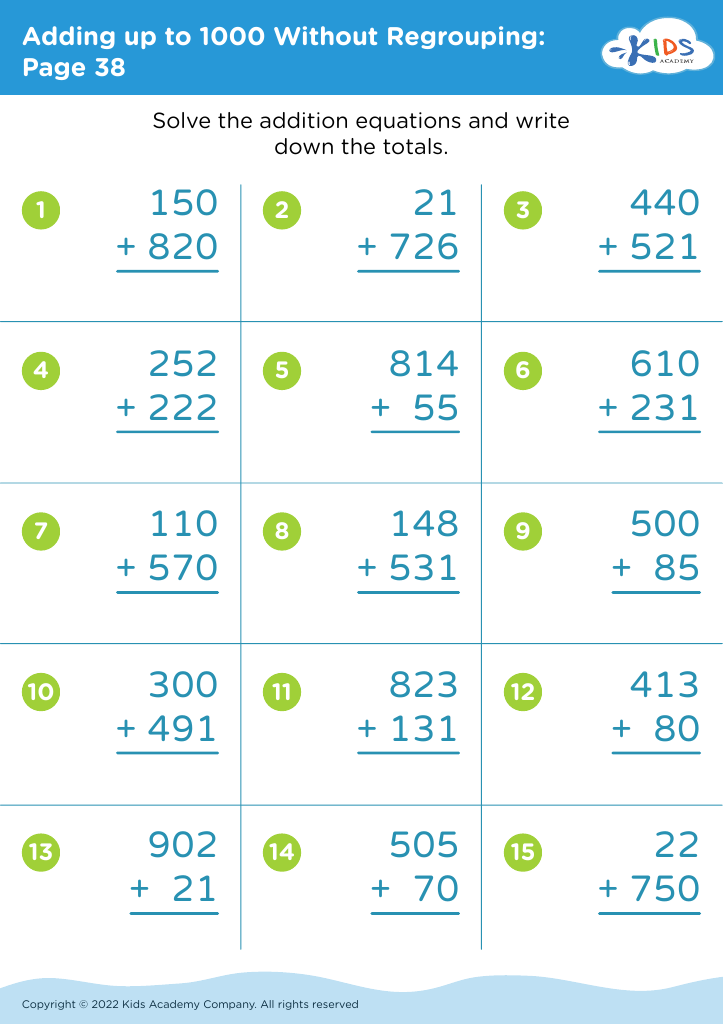
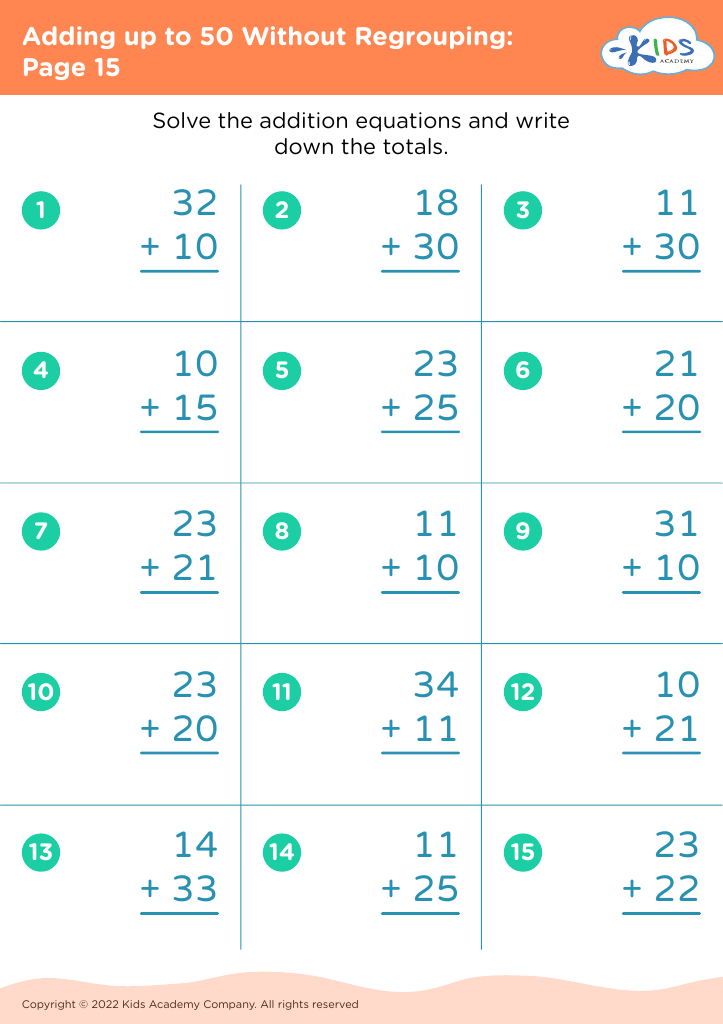
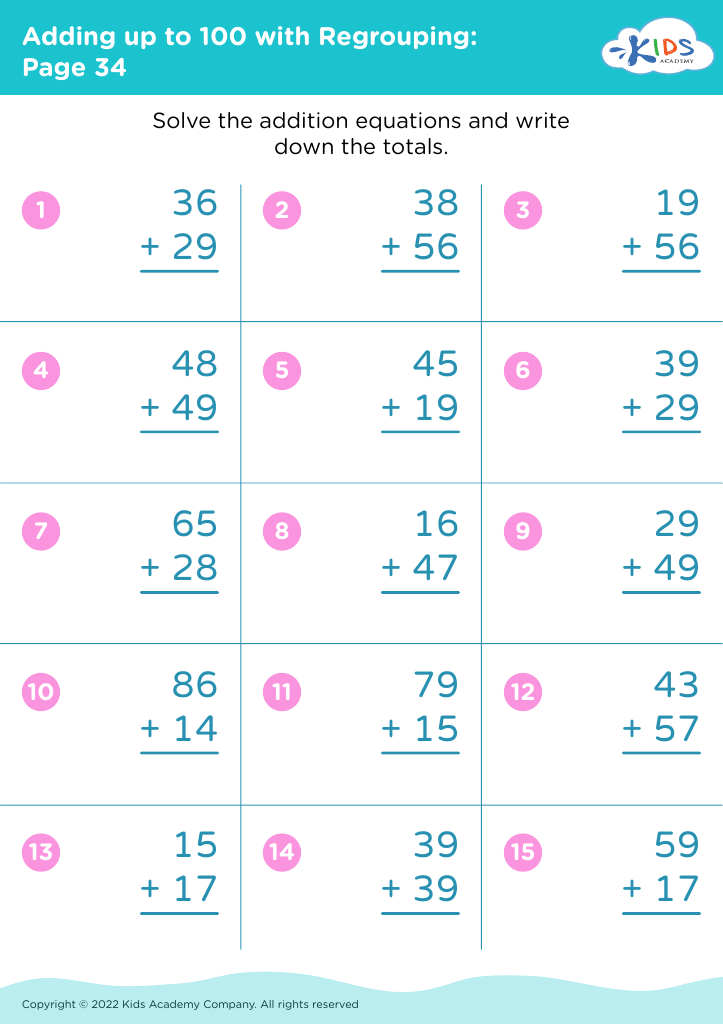
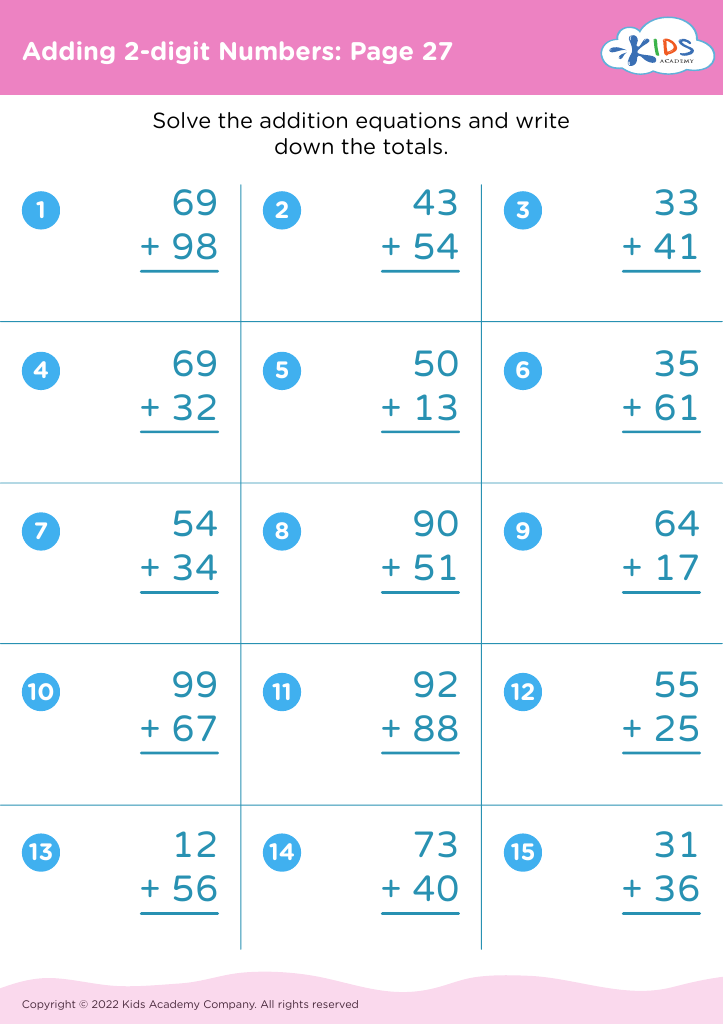
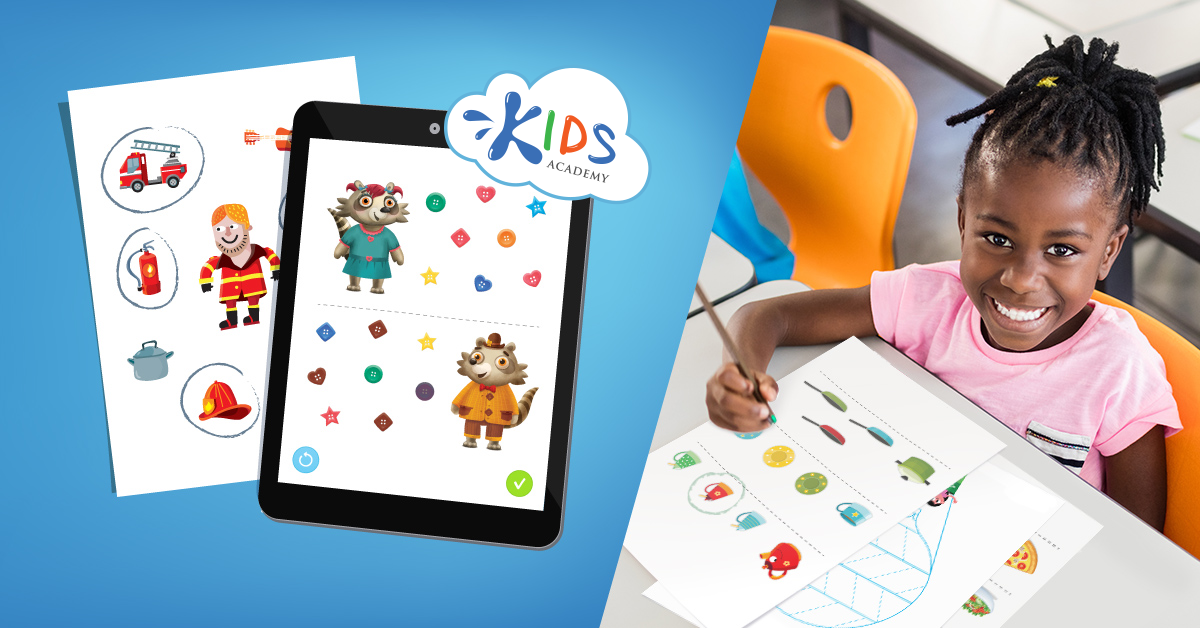
Boost your child's math skills with our "Develop Addition Skills" worksheets, designed for ages 4-9. These engaging printables from Kids Academy provide a fun and effective way to master addition. Each worksheet offers age-appropriate challenges that gradually increase in complexity, promoting confidence and proficiency. Perfect for early learners, our resources include colorful illustrations and a variety of activities to keep young minds motivated. These addition worksheets foster critical thinking and problem-solving abilities while laying a strong foundation for future math success. Download now to transform math practice into an enjoyable adventure!
Favorites
With answer key
Interactive
Learning Skills
Join Kids Academy for Free
Who is primarily going to use this learning content?







Parents and teachers should prioritize the development of addition skills for children aged 4-9 as these foundational skills form the bedrock of their future mathematical abilities. At this age, children’s brains are highly adaptable and capable of absorbing concepts quickly. Mastering addition early builds confidence and interest in math, setting the stage for success in more complex mathematical concepts later on.
Addition skills foster critical thinking and problem-solving abilities, which are crucial for academic success across various subjects. These skills also enhance mental arithmetic, benefitting children in real-world tasks, such as handling money, time management, and measurement.
Furthermore, developing addition skills through engaging practice and games strengthens a child's cognitive development, enhancing memory, attention, and logical reasoning skills. Early proficiency in addition can lead to a positive attitude towards math, reducing anxiety and creating an environment where children feel capable and motivated.
In conclusion, by focusing on addition skills during these formative years, parents and teachers can equip children with essential tools for academic achievement and everyday life, encouraging a lifelong appreciation for learning and numerical literacy. Enjoying the process ensures sustained interest and gradual but steady enhancement of their mathematical capabilities.








