Problem-solving abilities Geometry Worksheets for Ages 4-9
5 filtered results
-
From - To
Discover engaging Problem-Solving Abilities Geometry Worksheets designed for children ages 4-9! Our worksheets focus on fostering critical thinking and spatial awareness through fun and interactive challenges. Young learners will explore essential geometry concepts while enhancing their problem-solving skills. Each worksheet features colorful illustrations and age-appropriate activities that promote creativity and logical reasoning. These resources are perfect for both classroom activities and at-home learning, making math enjoyable and accessible. Support your child’s development in geometry while boosting their confidence in tackling math challenges. Start the journey to math mastery today with our collection of captivating worksheets!
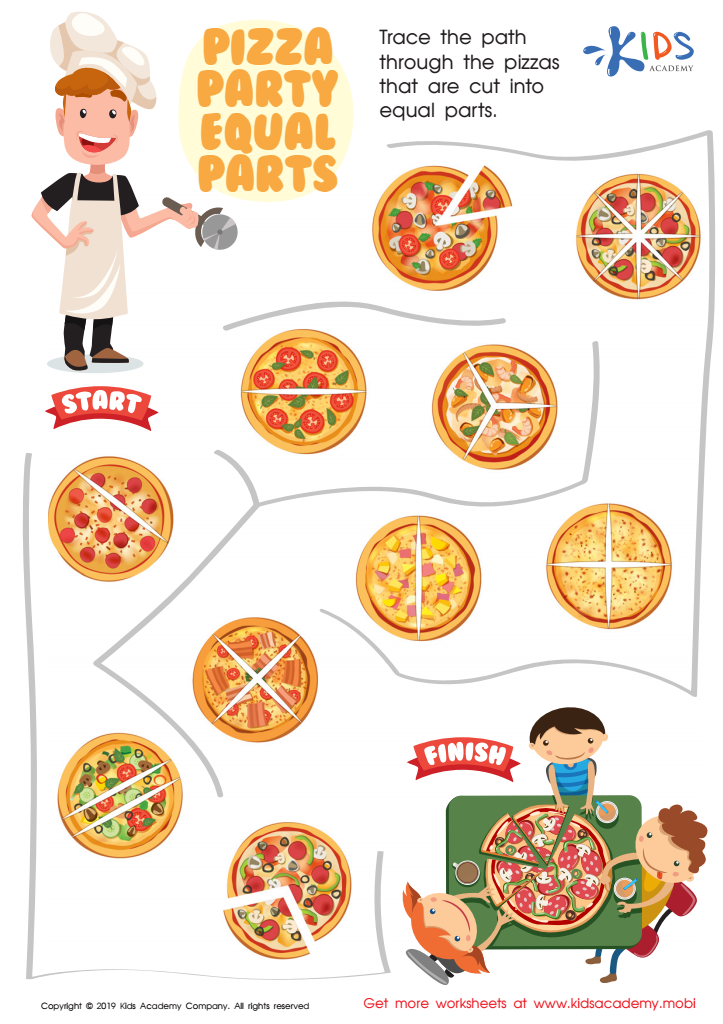
Pizza Party Equal Parts Worksheet
 Assign to My Students











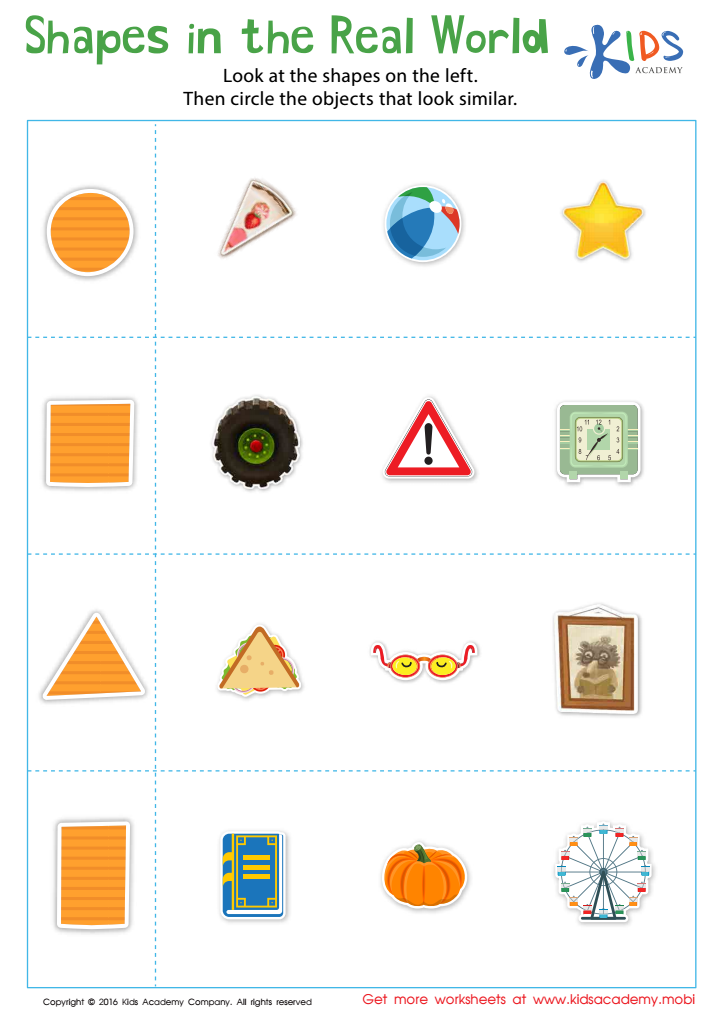
Shapes in the Real World Worksheet
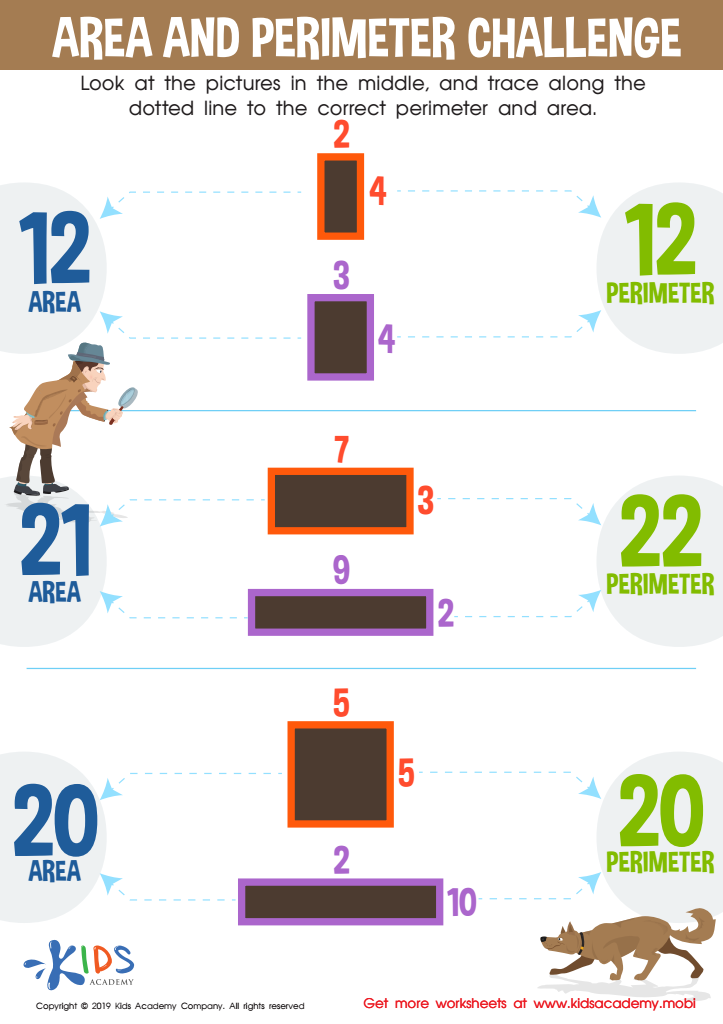
Area and Perimeter Challenge Worksheet
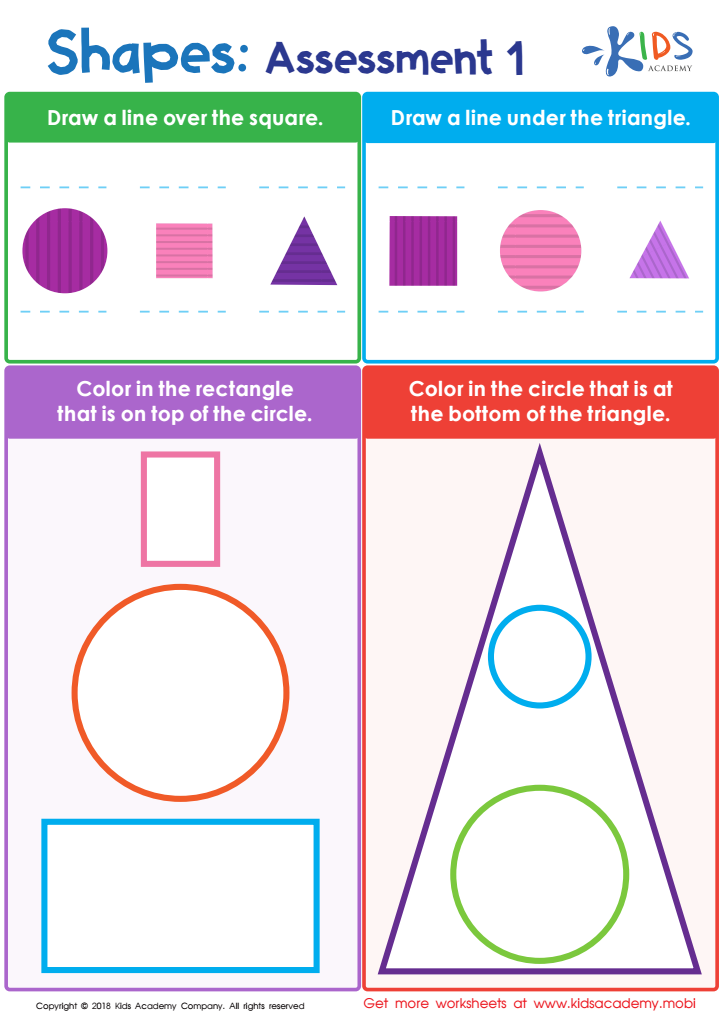
Shapes: Assessment 1 Worksheet
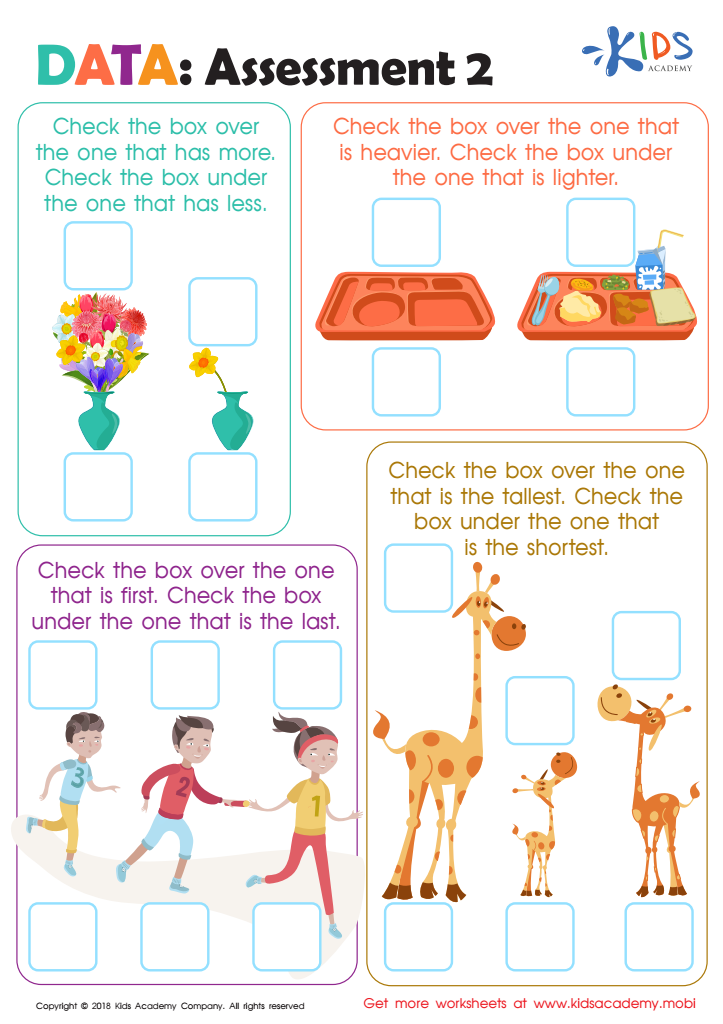
Data: Assessment 2 Worksheet








Problem-solving abilities in geometry for young children, ages 4-9, are crucial for their cognitive development and overall academic success. Engaging children in geometric concepts fosters critical thinking skills, encourages resilience, and boosts creativity. By exploring shapes, patterns, and spatial relationships, children learn to observe, analyze, and make connections in math and beyond.
When children develop problem-solving skills through geometry, they gain confidence in their ability to tackle challenges. This confidence transcends mathematics, promoting a growth mindset that is beneficial in various learning environments. Teachers and parents should recognize that early exposure to geometric reasoning lays the foundation for more complex mathematical concepts in later years, such as algebra and calculus.
Moreover, geometric problem-solving encourages children to collaborate and communicate effectively with peers, nurturing their social skills. It often involves hands-on activities that make learning fun and interactive, capturing children's interest and improving retention.
In a rapidly evolving world, problem-solving and analytical skills will be essential in various future careers. By prioritizing geometry in early education, parents and teachers equip children with invaluable tools to navigate both academic challenges and real-life situations, ultimately fostering well-rounded individuals ready to innovate and solve problems in their communities.








