Associative learning Numbers Worksheets for Ages 4-9
4 filtered results
-
From - To
Enhance your child's number skills with our "Associative Learning Numbers Worksheets for Ages 4-9". Designed by educators, these engaging worksheets foster understanding through associative learning techniques, linking numbers to activities that stimulate young minds. Perfect for building a strong math foundation, activities include number matching, number-object association, and interactive puzzles. Suitable for preschool to third grade, our printable, free worksheets encourage confidence in number recognition, counting, and fine motor skills. Make learning fun and easy, while preparing your child for future math success with Kids Academy’s expertly crafted number worksheets. Ideal for classroom or home use!
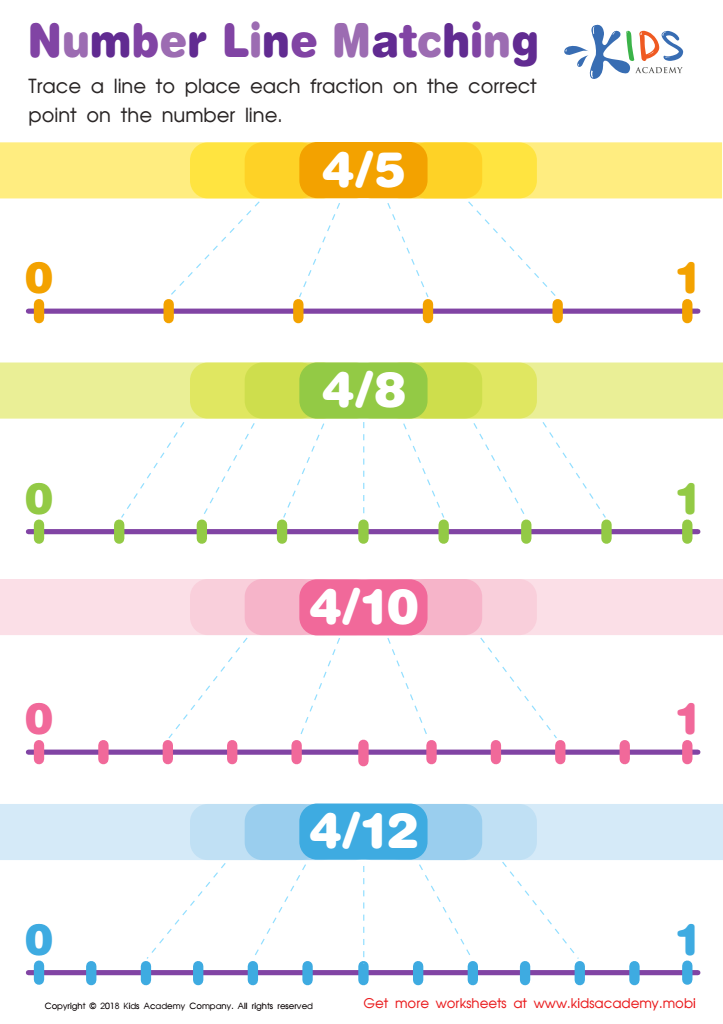
Number Line Matching Worksheet
 Assign to My Students
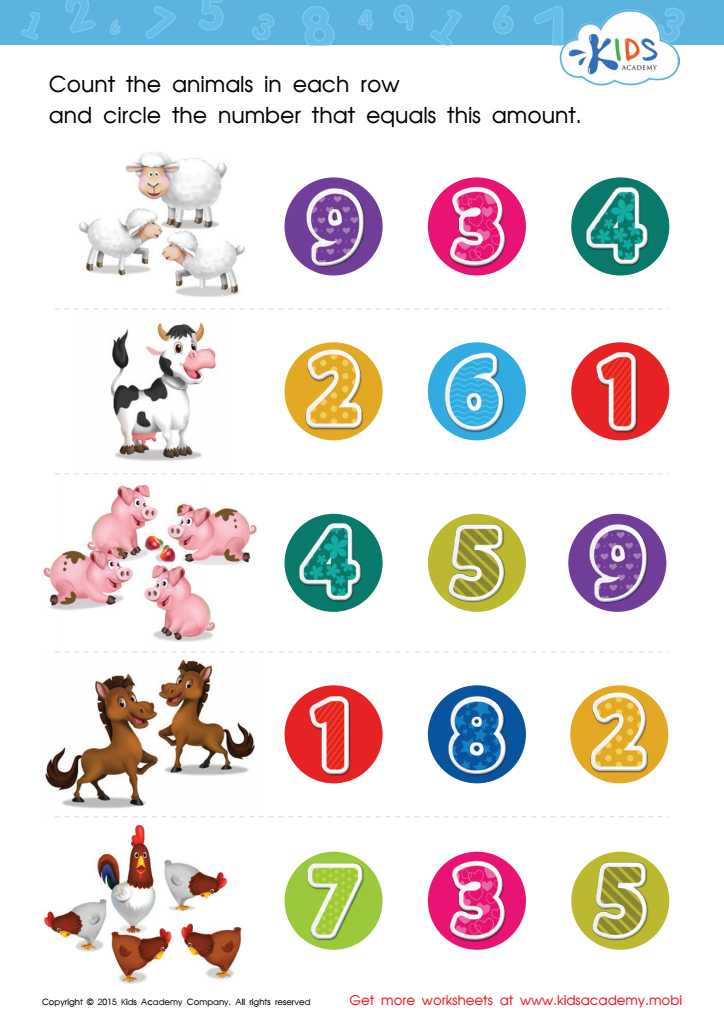
Count and Match 1 – 5 Math Worksheet
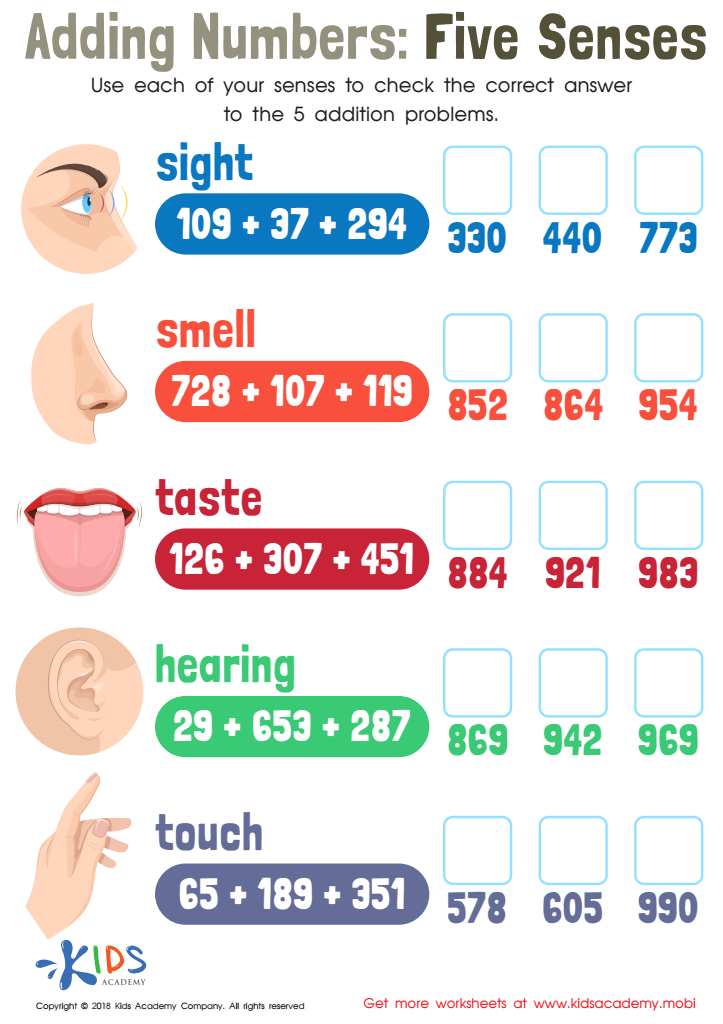
Adding Numbers: Five Senses Worksheet
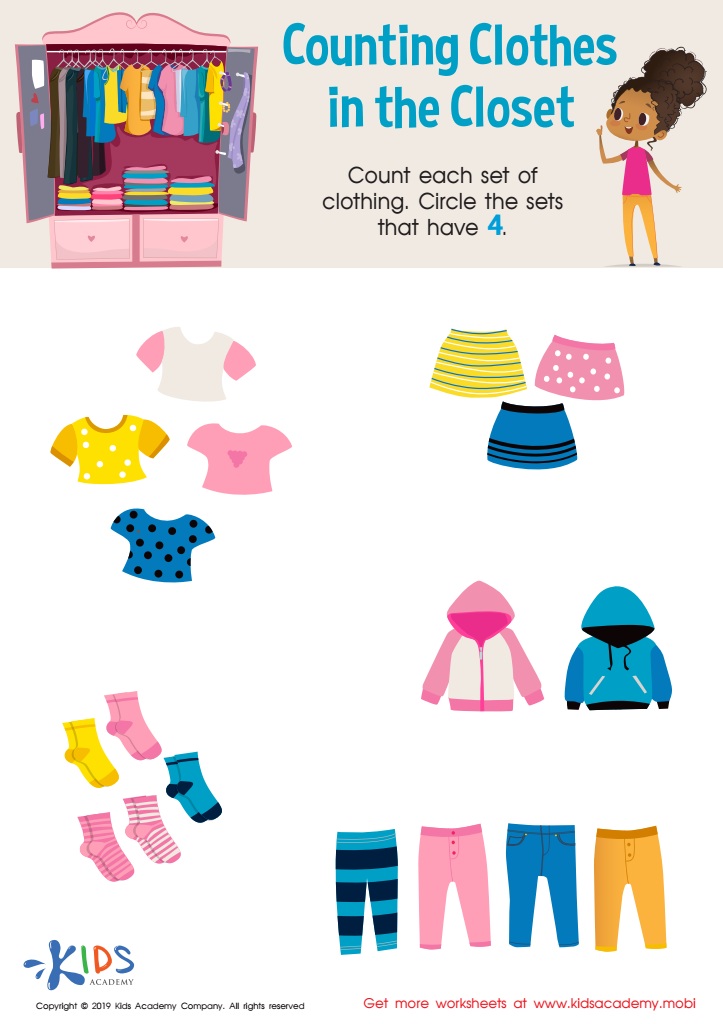
Counting Clothes Worksheet








Associative learning in numbers for children aged 4-9 is foundational for their cognitive and academic development. At these early stages, children’s brains are highly plastic, meaning they can rapidly form connections and patterns through experiences. Associative learning, where children link concepts, symbols, and quantities, is critical in establishing a robust mathematical foundation.
For parents and teachers, nurturing associative learning in numbers is crucial because it enhances numeracy skills essential for everyday life and future academic success. As children recognize patterns, such as grouping objects and understanding number sequences, they build a concrete understanding of number relationships. This facilitates problem-solving skills and logical thinking. Crucially, it shifts the perception of math from memorization to a comprehensible and enjoyable process.
Early positive experiences with numbers also play a psychological role. They help children develop confidence and reduce math anxiety, a common barrier in later education. Fun and engaging activities such as counting games, using manipulatives like blocks, and incorporating numbers into daily routines can make this learning enjoyable.
By prioritizing associative learning in numbers, children are not just learning to count but are also laying groundwork for advanced mathematical concepts and lifelong skills in critical thinking, planning, and decision-making.








