Critical Thinking Numbers Worksheets for Ages 4-9
9 filtered results
-
From - To
Discover our engaging Critical Thinking Numbers Worksheets designed for children ages 4 to 9! These interactive worksheets prioritize not just number recognition, but also enhance problem-solving and analytical skills. Through fun activities like puzzles, matching games, and reasoning tasks, young learners will develop strong critical thinking abilities while enjoying their journey through numbers. Our worksheets encourage creative thinking and help children make connections between numbers and real-life scenarios, setting a solid foundation for future learning. Download our printable worksheets today and watch your child’s confidence and cognitive skills grow as they explore the world of numbers in an exciting way!
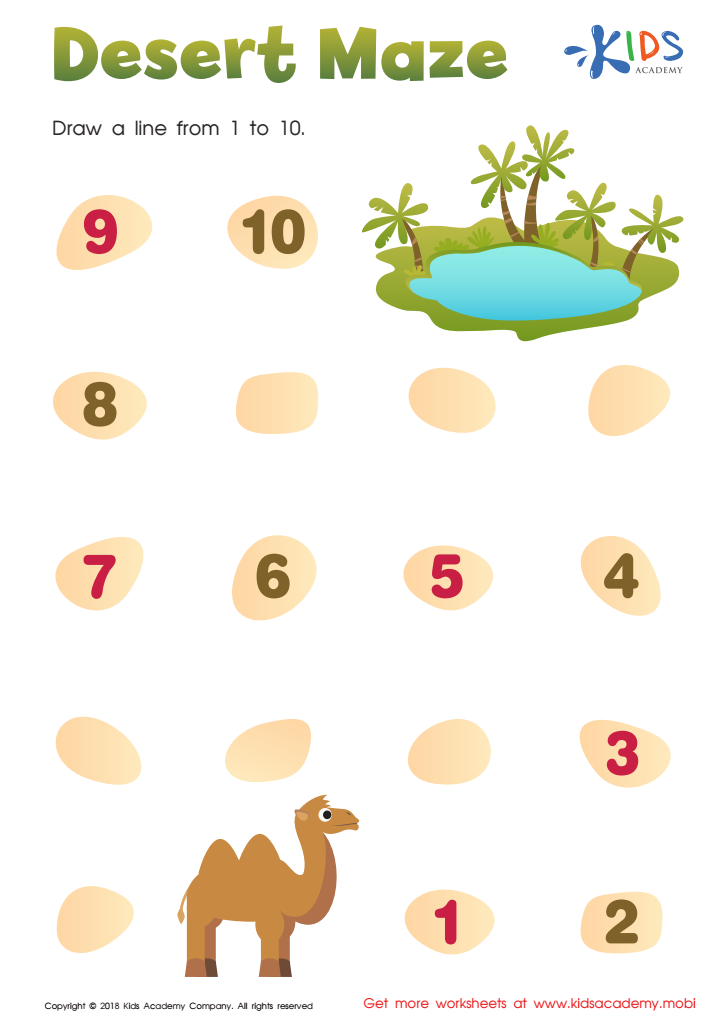
Desert Maze Worksheet
 Assign to My Students
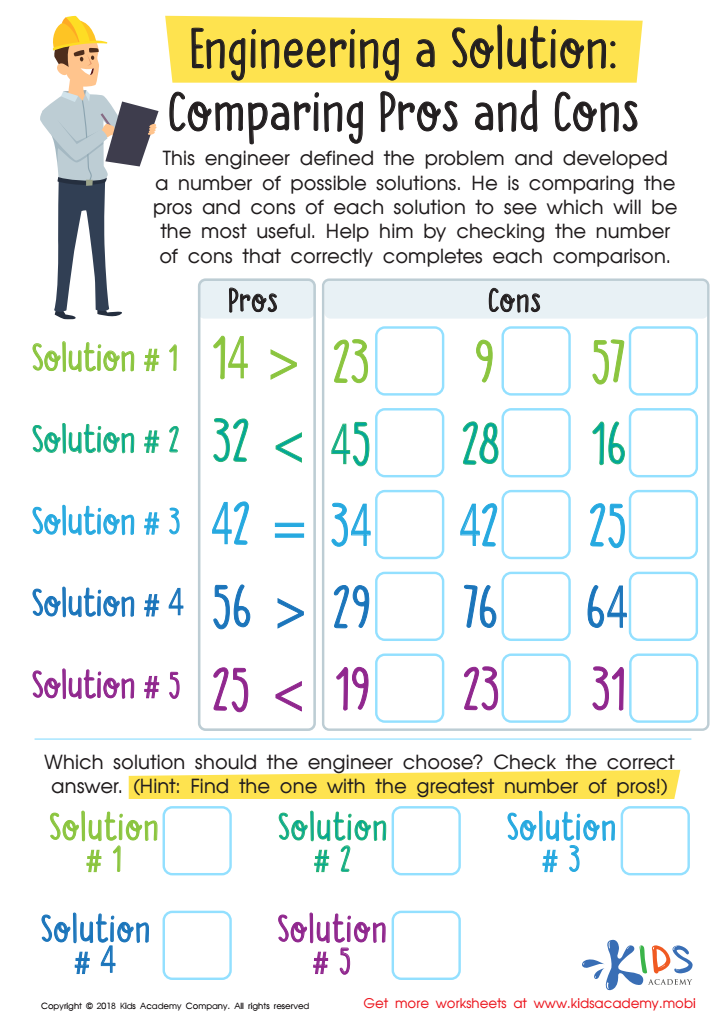
Engineering a Solution: Comparing Pros and Cons Worksheet
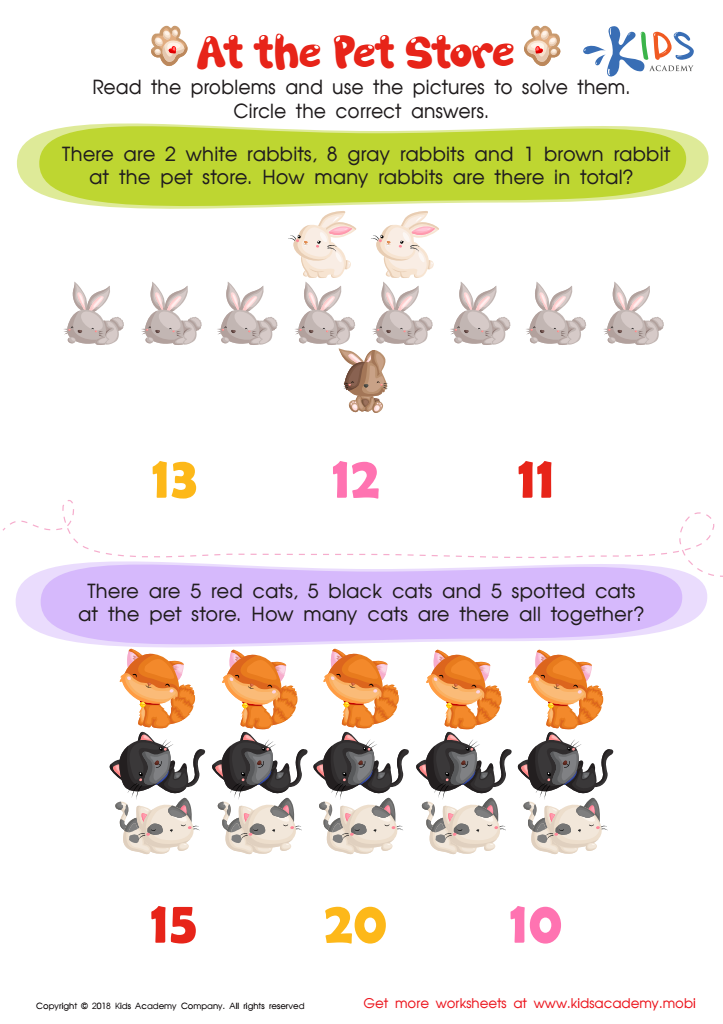
At the Pet Store Word Problems Worksheet
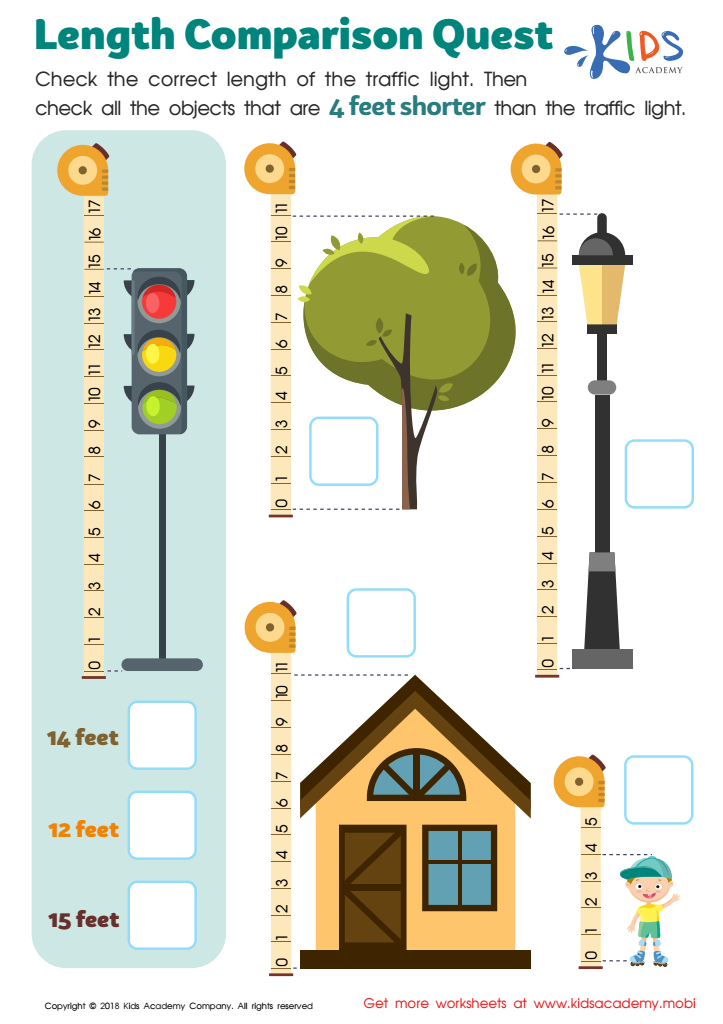
Length Comparison Quest Worksheet
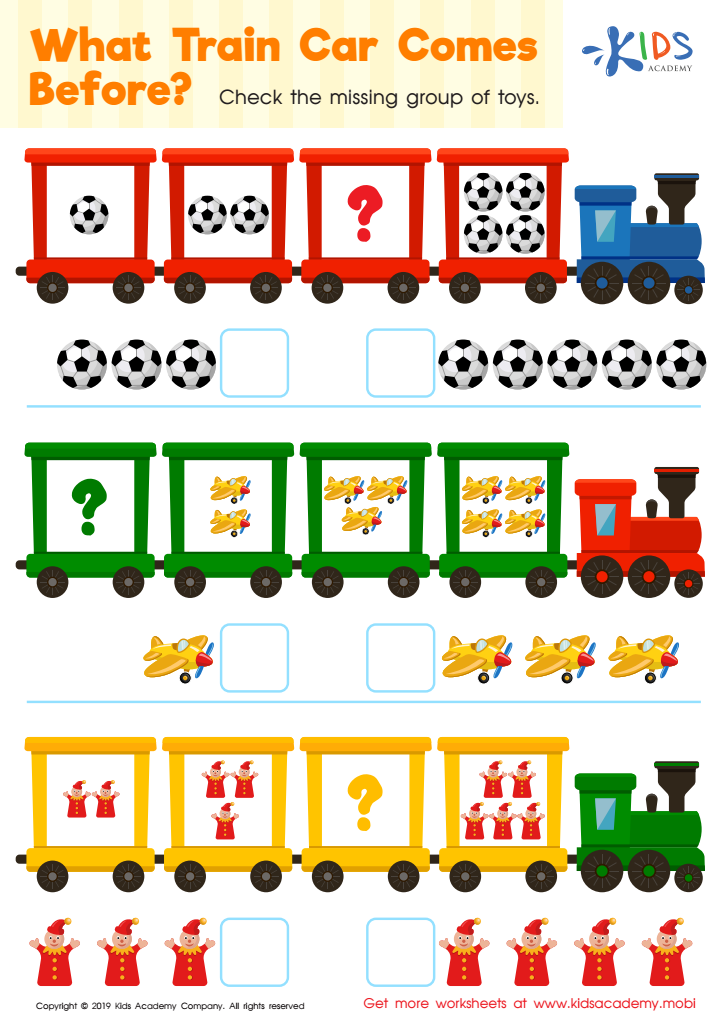
What Train Car Comes Before? Worksheet

Leprechaun Maze Printable
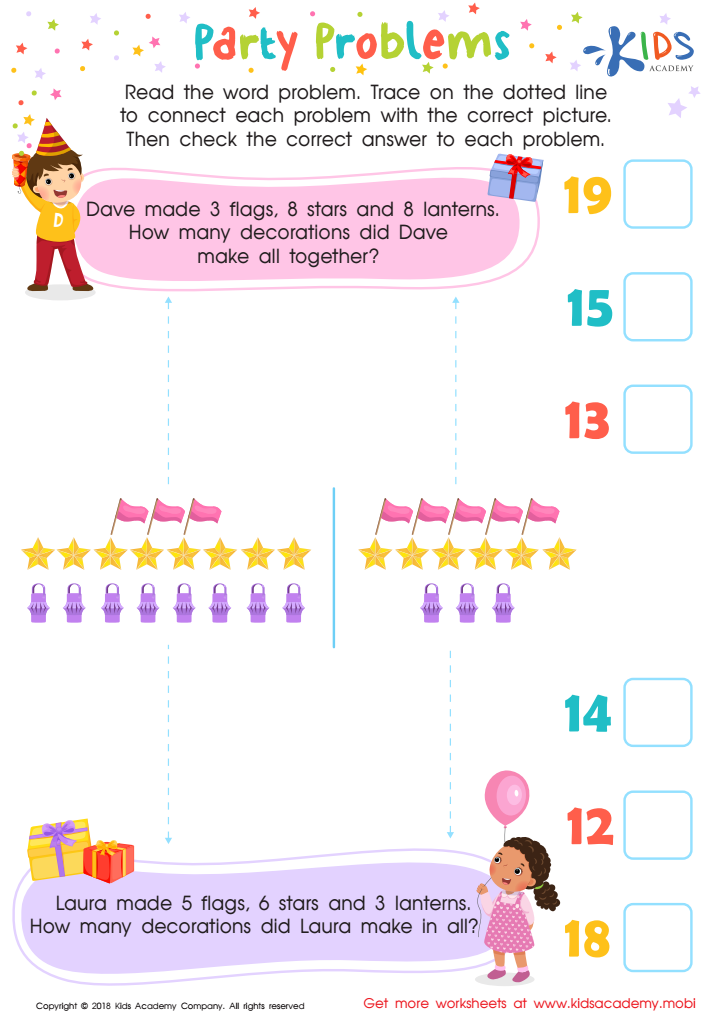
Party Problems Worksheet
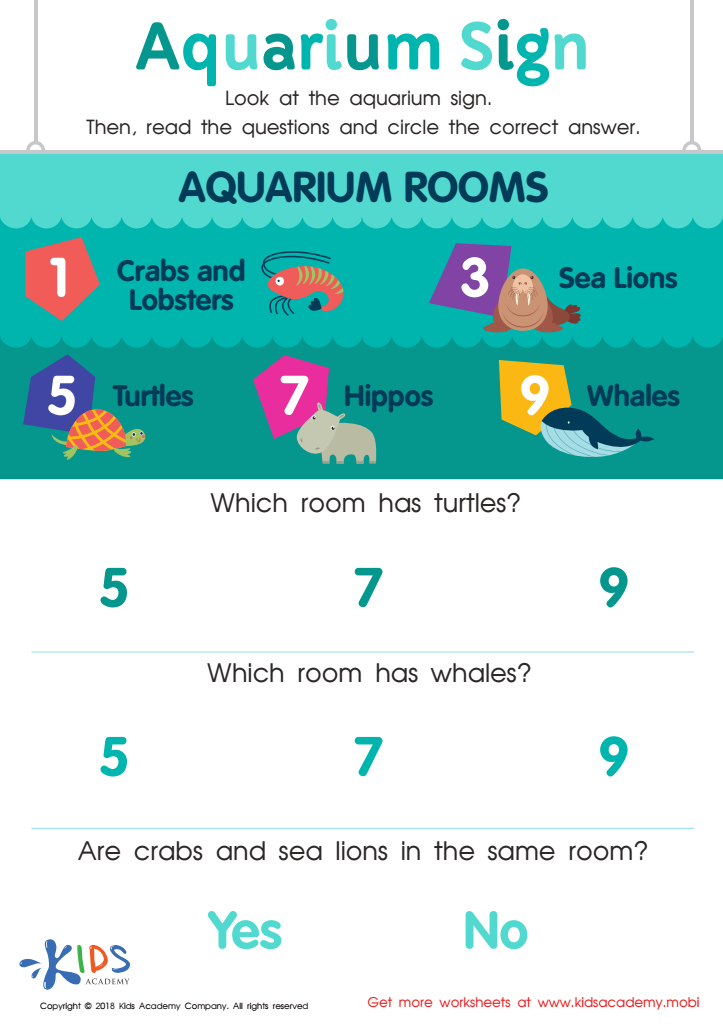
Assessment: Aquarium Sign Worksheet

World Traveler Worksheet








Critical Thinking Numbers for Ages 4-9 are essential for developing foundational skills in young learners. This stage is crucial for cognitive development, and teaching kids to think critically about numbers cultivates problem-solving abilities, logical reasoning, and analytical skills. By encouraging children to question how numbers work and relate to the world around them, parents and teachers foster a curiosity that promotes lifelong learning.
Incorporating critical thinking into math education helps children move beyond rote memorization of facts and procedures. Instead, they learn to analyze situations, compare quantities, and understand patterns. This understanding is key to not just excelling in mathematics but also applying these skills in everyday scenarios, such as budgeting or measuring ingredients in a recipe.
Moreover, strengthening critical thinking at a young age paves the way for robust self-confidence and independence in learners when tackling challenges. Parents and teachers play an integral role in creating supportive environments where critical questioning is encouraged, tools are provided, and mistakes are seen as opportunities for growth. Ultimately, these skills benefit children's academic journeys and better prepare them for real-world challenges later in life, making it vital for adults to invest in this aspect of education.








