
Sequencing Skills Numbers Worksheets for Ages 4-9
5 filtered results
Difficulty Level
Grade
Age
-
From - To
Subject
Activity
Standards
Enhance your child's number sequencing skills with our engaging worksheets designed specifically for ages 4-9. These printable resources provide a fun and interactive way for young learners to practice arranging numbers in the correct order, building a strong foundation for essential math skills. Our worksheets feature various activities that promote critical thinking and problem-solving abilities. As children work through the exercises, they'll gain confidence in their number recognition and sequencing proficiency. Perfect for at-home learning, classrooms, or homeschooling, these worksheets will keep your child entertained while fostering vital skills needed for future success in mathematics. Start learning and growing today!
Favorites
With answer key
Interactive
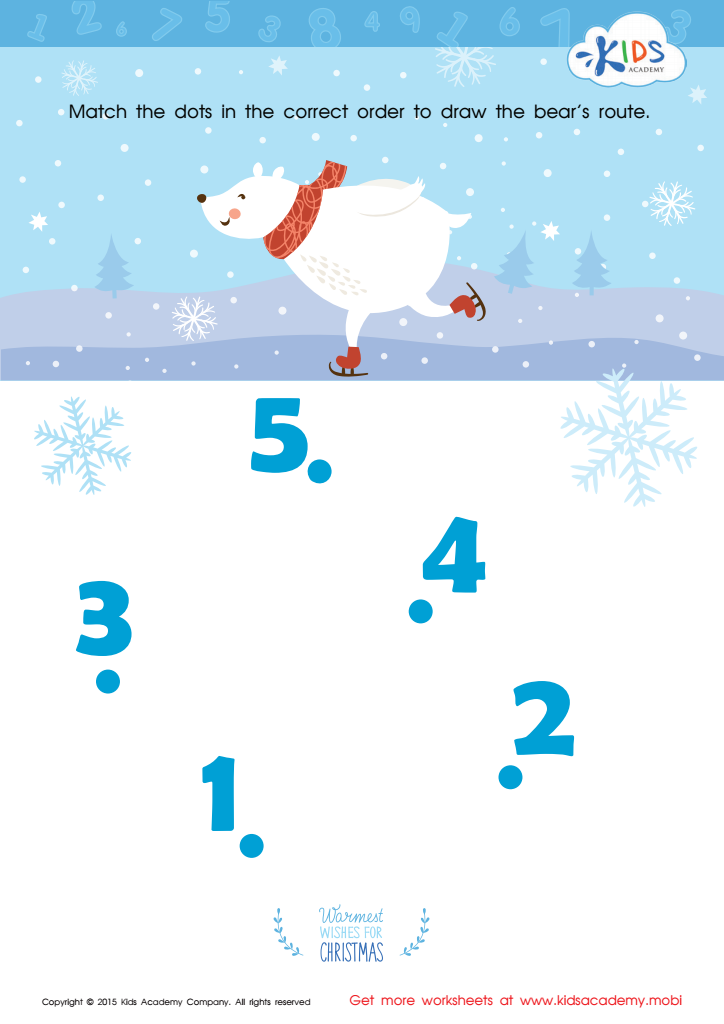
Drawing the Bear's Route by Number Worksheet
This winter-themed math worksheet is perfect for counting practice. Have fun learning and celebrating the season with your kindergartener as they trace and recognize numbers. It also helps develop fine motor muscles. For more fun, check out the math worksheets on Kids Academy.
 Assign to My Students
Drawing the Bear's Route by Number Worksheet
Worksheet
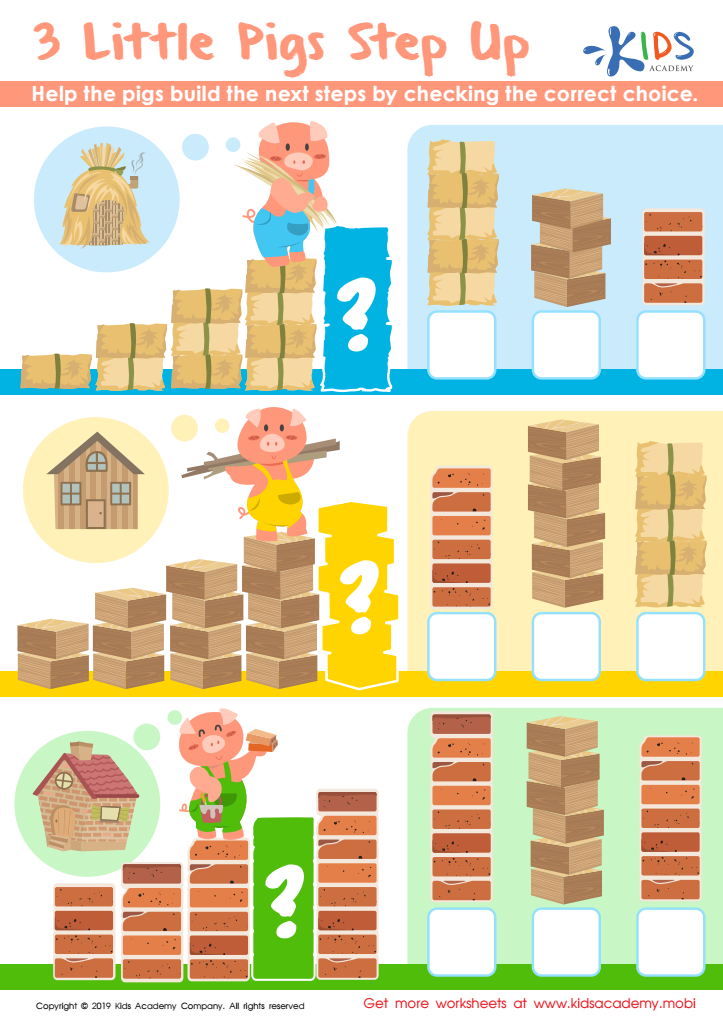
3 Little Pigs Step Up Worksheet
Test your kids' knowledge of the three little pigs' story. Ask them to tell you the important parts and then look at the pictures in this worksheet. Can they identify what's going on? They'll need to count the materials and help build the next steps by choosing the right option.
3 Little Pigs Step Up Worksheet
Worksheet
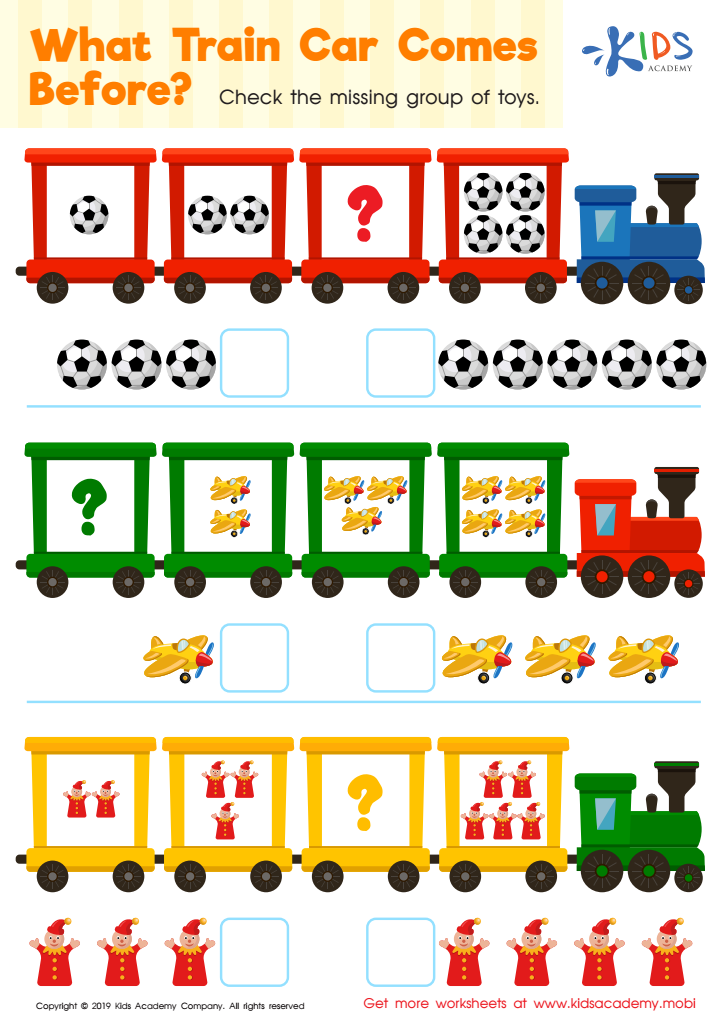
What Train Car Comes Before? Worksheet
Download this worksheet with your kids and have them identify the colorful objects pictured. Count the toys in the three trains together, then check the missing group of toys from the options provided. Have fun! (80 words)
What Train Car Comes Before? Worksheet
Worksheet
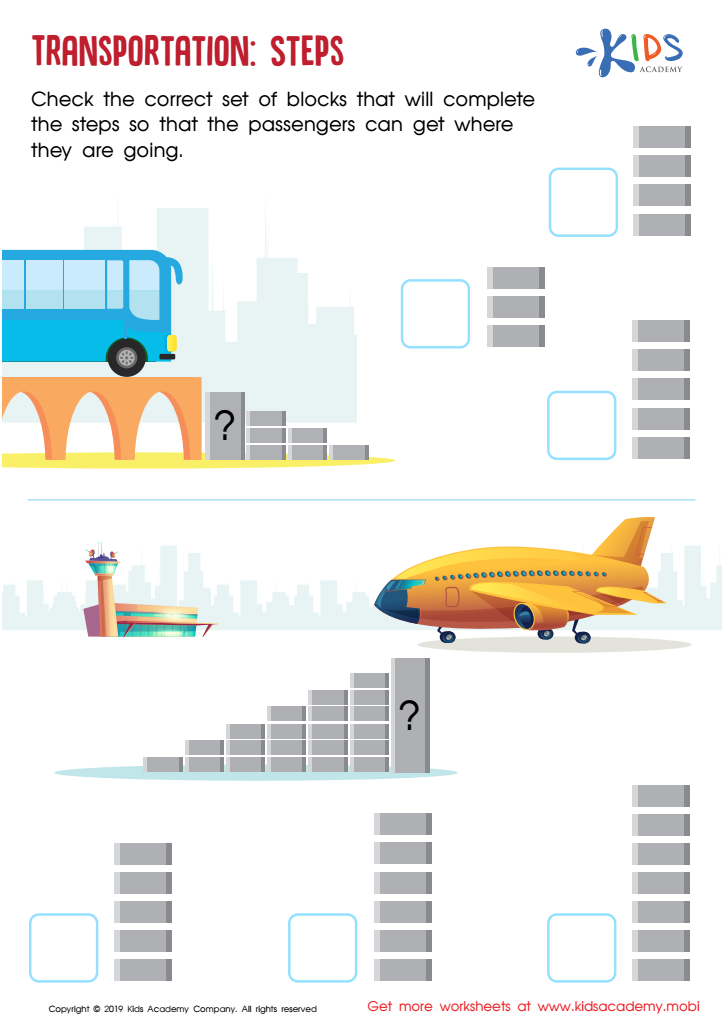
Transportation: Steps Worksheet
Trips are important to all - transportation and its modes have made travelling easier and quicker. Ask your kids to identify the transport in the picture then help them check the right blocks so passengers can reach their destination.
Transportation: Steps Worksheet
Worksheet
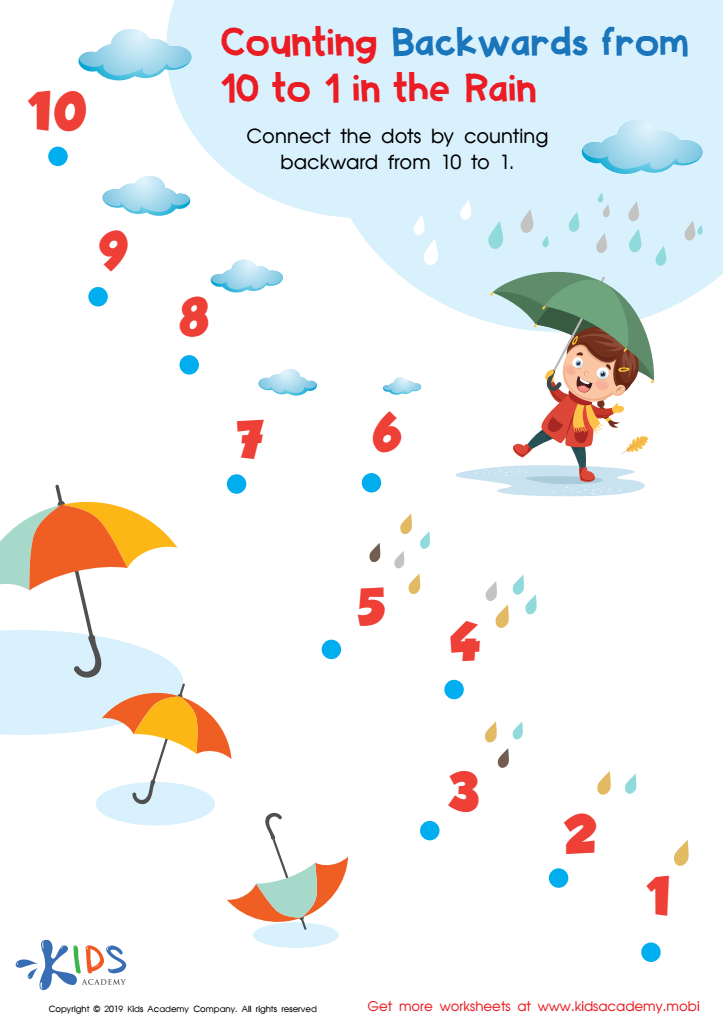
Counting Backwards from 10 to 1 in the Rain Worksheet
A rainy day can be fun - have your kids tell you their favorite activities! Then, look at the worksheet and ask them to identify the items. Count the numbers together, then help connect the dots from 10 to 1. It's an easy and fun way to spend time on a rainy day!
Counting Backwards from 10 to 1 in the Rain Worksheet
Worksheet
Join Kids Academy for Free
Who is primarily going to use this learning content?






Sequencing skills are crucial for children aged 4-9 as they form the foundation for effective learning and cognitive development. Understanding numbers in a sequence supports their ability to solve problems, make predictions, and recognize patterns. In mathematics, sequencing lays the groundwork for concepts such as addition, subtraction, and more complex operations, enabling children to grasp mathematical ideas more naturally.
Additionally, sequencing skills enhance reading and comprehension abilities. When children learn to recognize the order of events in stories or instructions, they become more proficient readers and critical thinkers. This skill also translates into social development, as understanding sequences aids children in interpreting timelines of events and daily routines, fostering their ability to navigate the world effectively.
For parents and teachers, nurturing sequencing skills means equipping children with essential life skills that extend beyond the classroom. Engaging students in activities like counting games, story sequencing, or following multi-step directions can make learning enjoyable while reinforcing these skills. By prioritizing sequencing from an early age, caregivers help children build confidence, independence, and problem-solving abilities that are vital for their future academic and personal successes. Thus, investing in sequencing skills is investing in a child’s overall growth and learning journey.








