Shape Recognition Numbers Worksheets for Ages 4-9
7 filtered results
-
From - To
Discover our engaging Shape Recognition Numbers Worksheets tailored for children aged 4-9! These fun, interactive worksheets combine shape identification with number recognition, helping young learners enhance their mathematical skills while exploring the world of shapes. Each worksheet offers colorful illustrations and age-appropriate activities that make learning enjoyable and effective. Children can connect shapes with corresponding numbers, reinforcing both concepts in an engaging manner. Perfect for classroom settings or at-home learning, these resources are designed to foster creativity, critical thinking, and foundational math skills. Download our worksheets today to help your child embark on a joyful learning adventure!
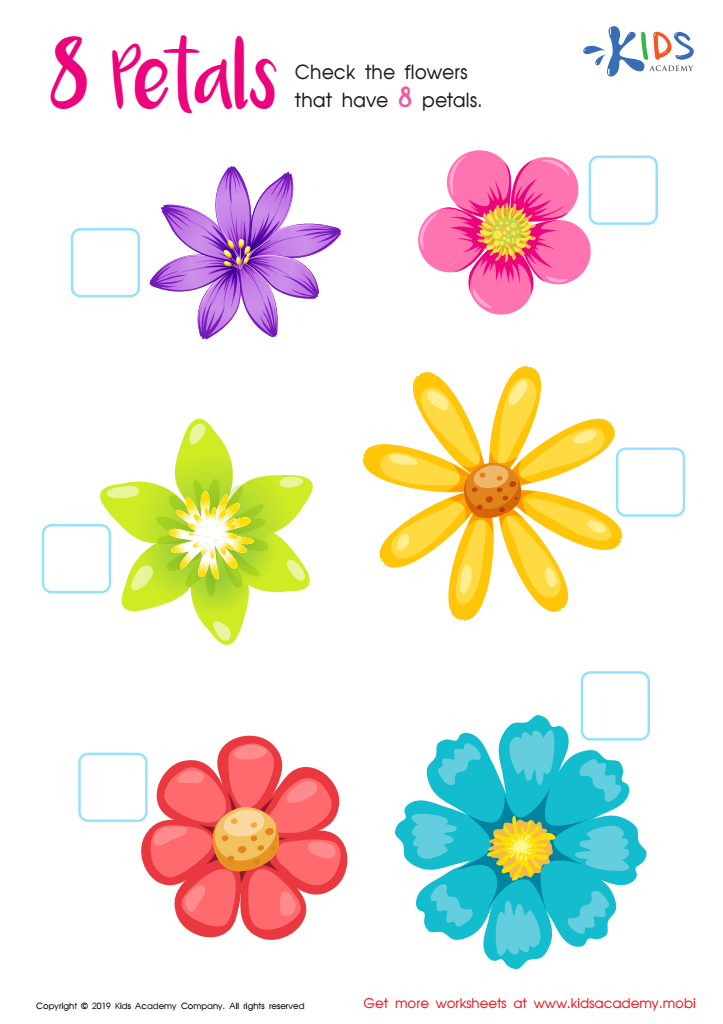
8 Petals Worksheet
 Assign to My Students
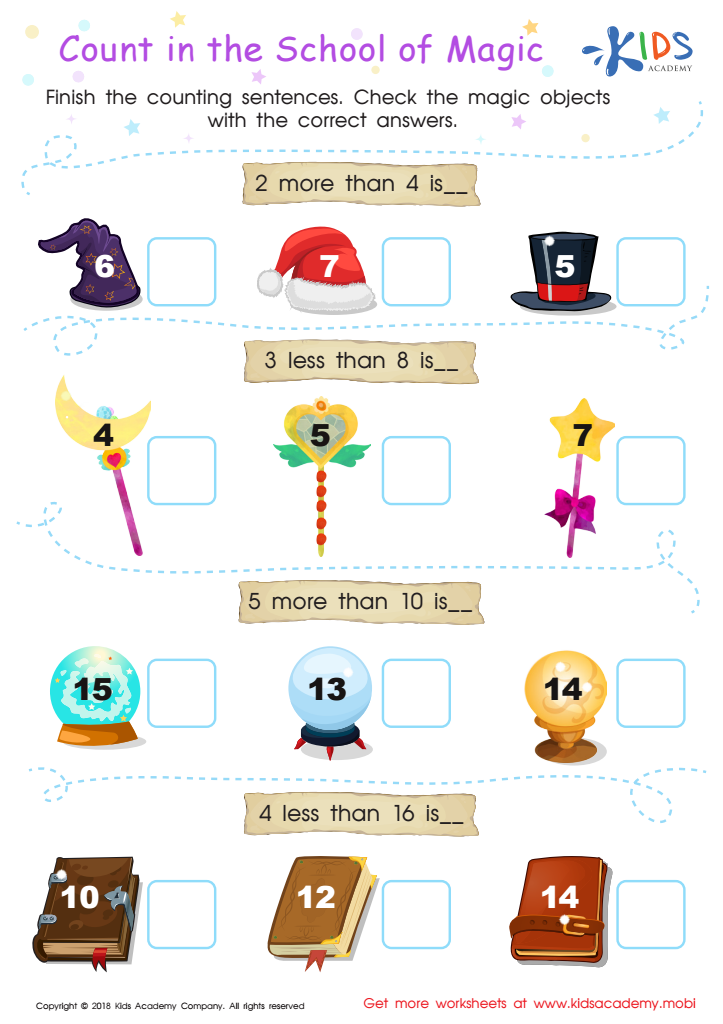
Count in the School of Magic Worksheet
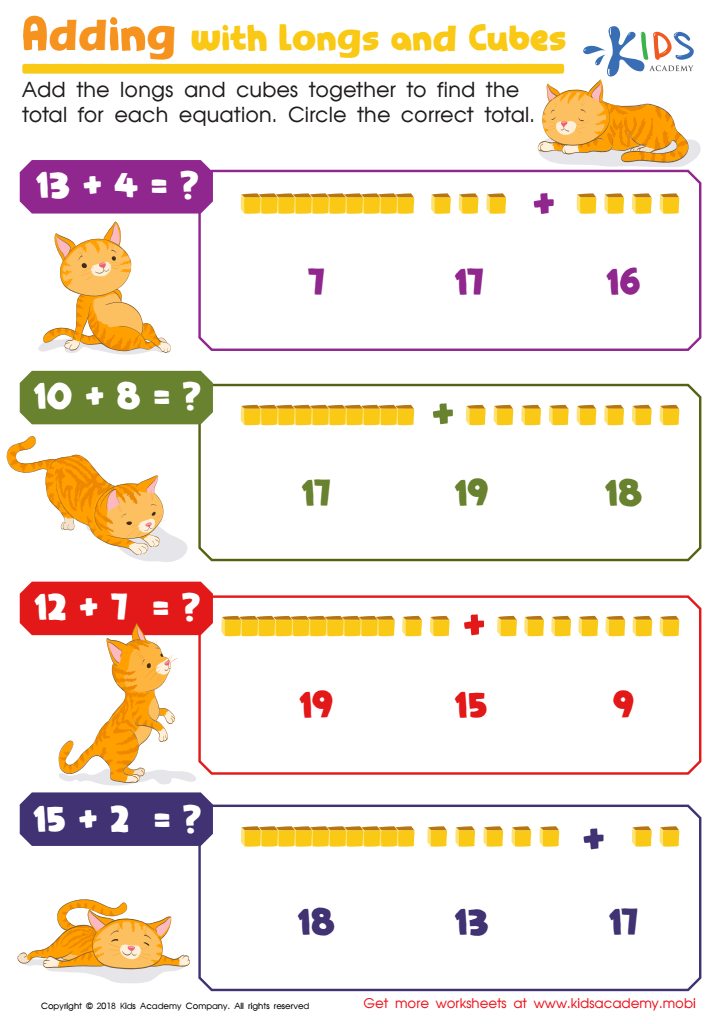
Adding With Longs and Cubes Worksheet
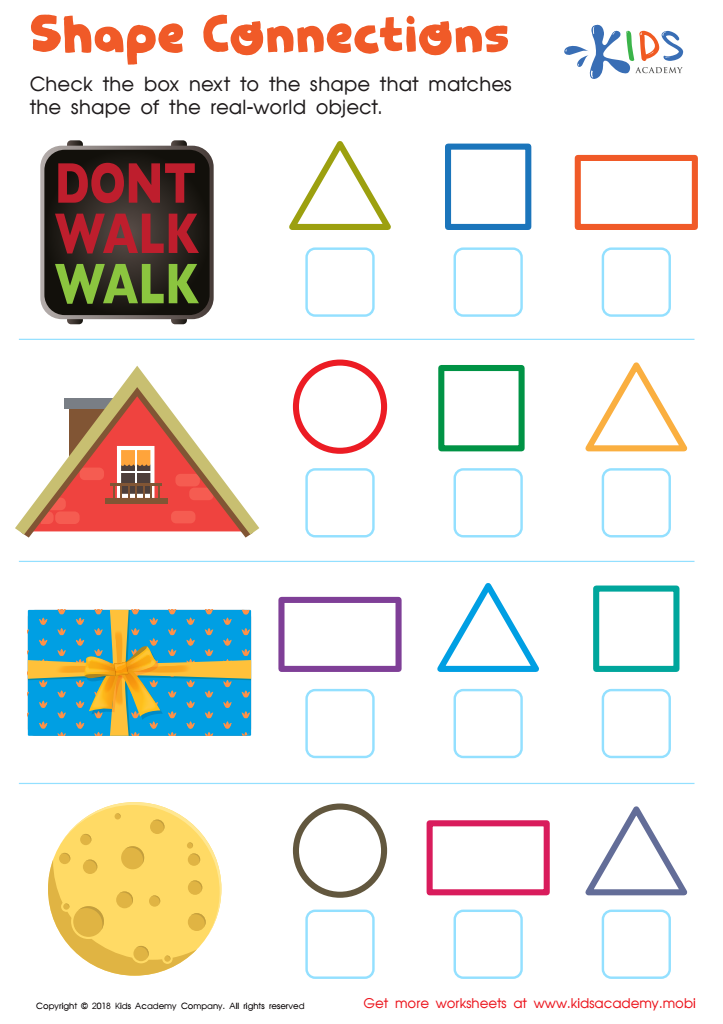
Shape Connections Worksheet
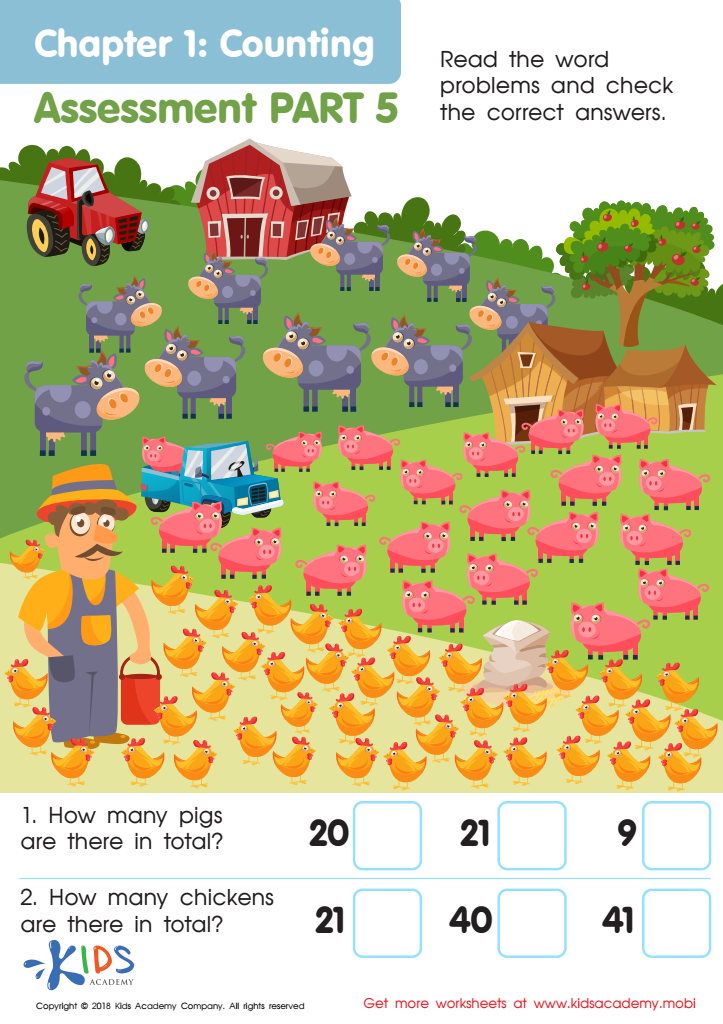
Counting: Assessment 5 Worksheet
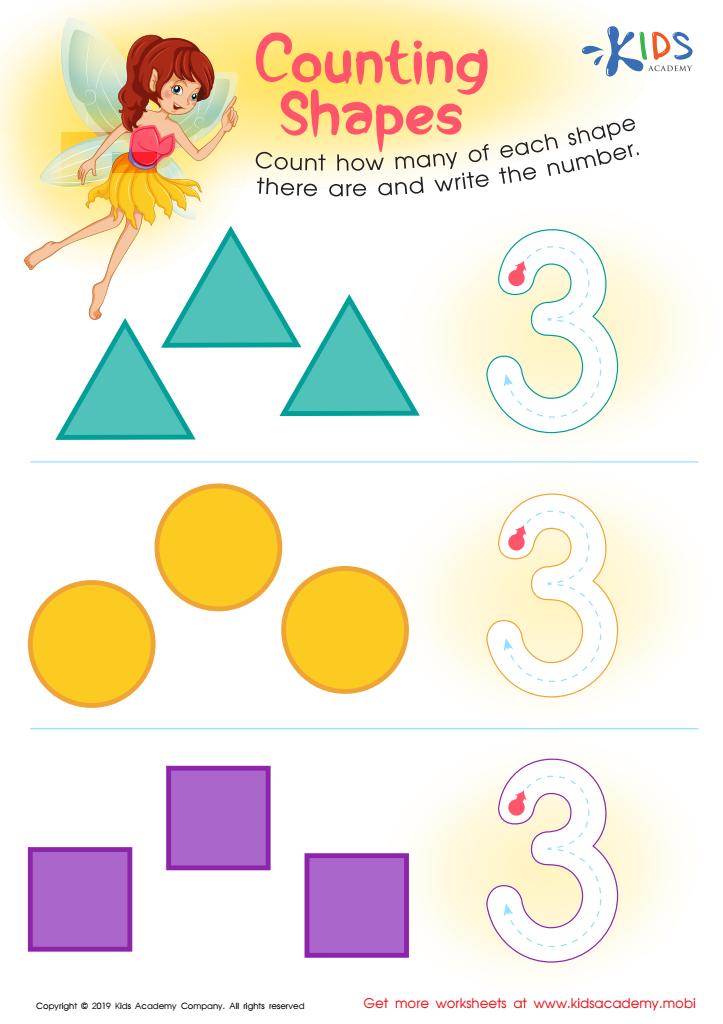
Counting Shapes Worksheet
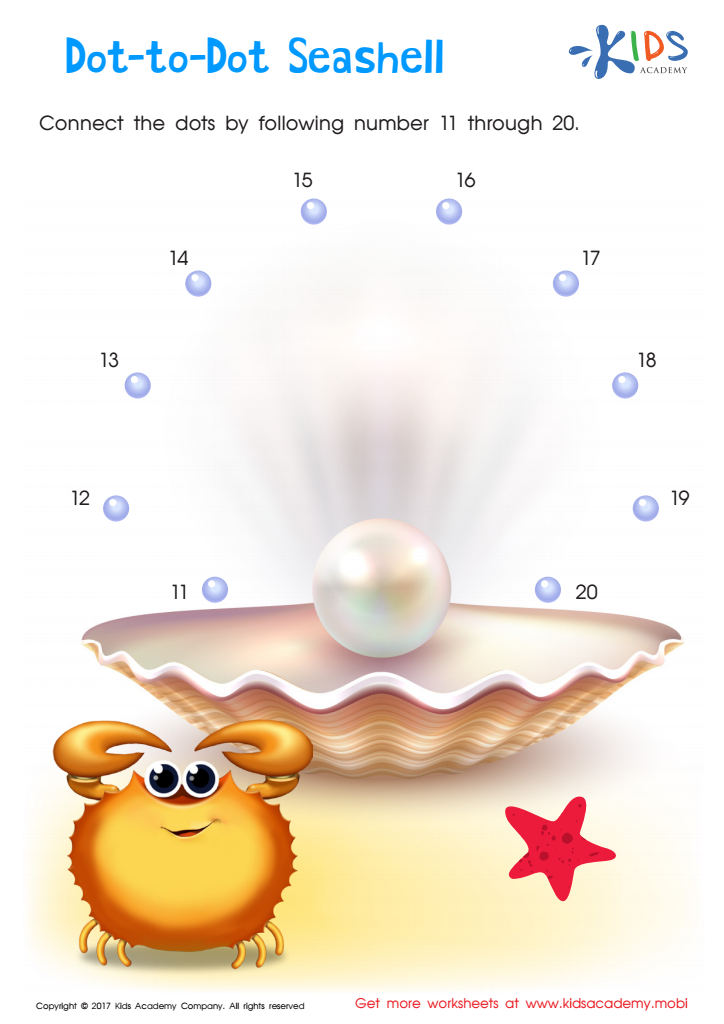
Ordering 11–20: Dot–to–dot Seashell Printable








Shape recognition is a critical foundational skill for children aged 4-9, serving as the bedrock for various cognitive developments. This stage is crucial as children begin to understand and interact with the world around them. Recognizing shapes helps enhance their spatial awareness, which is essential for mathematics and critical thinking.
Parents and teachers should care about this skill because shape recognition fosters problem-solving abilities and encourages creativity. For instance, when children can identify and differentiate shapes, they begin to build the analytical skills needed for mathematics, including geometry and measurement. Additionally, shapes are prevalent in everyday life, from architecture to nature; understanding them enhances environmental awareness and observation skills.
Moreover, engaging with shape recognition supports fine motor skills through hands-on activities like drawing, cutting, or crafting various shapes. Collaborative activities can strengthen social skills, promoting teamwork and communication. Given its role in shaping a child’s academic trajectory and fostering their creativity, investing time and resources in fostering shape recognition among young learners is an essential priority for parents and teachers alike. This not only prepares children for future educational challenges but also enriches their everyday experiences.








