Understanding Sequences Numbers Worksheets for Ages 4-9
5 filtered results
-
From - To
Explore our engaging "Understanding Sequences Numbers Worksheets" designed for children aged 4-9! These worksheets promote early mathematical skills by helping young learners recognize and organize sequences of numbers. Through interactive exercises, students will develop critical thinking and number recognition abilities, fostering a solid foundation for future math concepts. Our colorful, child-friendly designs make learning fun and accessible, encouraging children to practice on their own or with parental guidance. Whether in the classroom or at home, these worksheets are perfect for enhancing cognitive skills and building confidence in understanding numerical order. Start your child's journey into the world of numbers with these compelling resources!
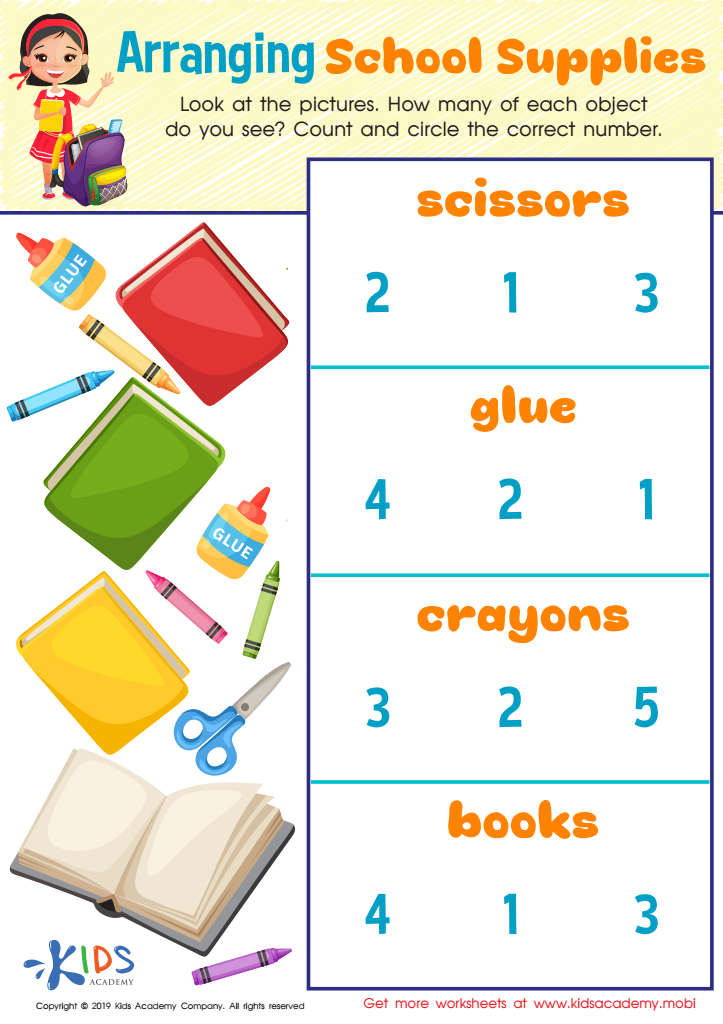
Arranging School Supplies Worksheet
 Assign to My Students
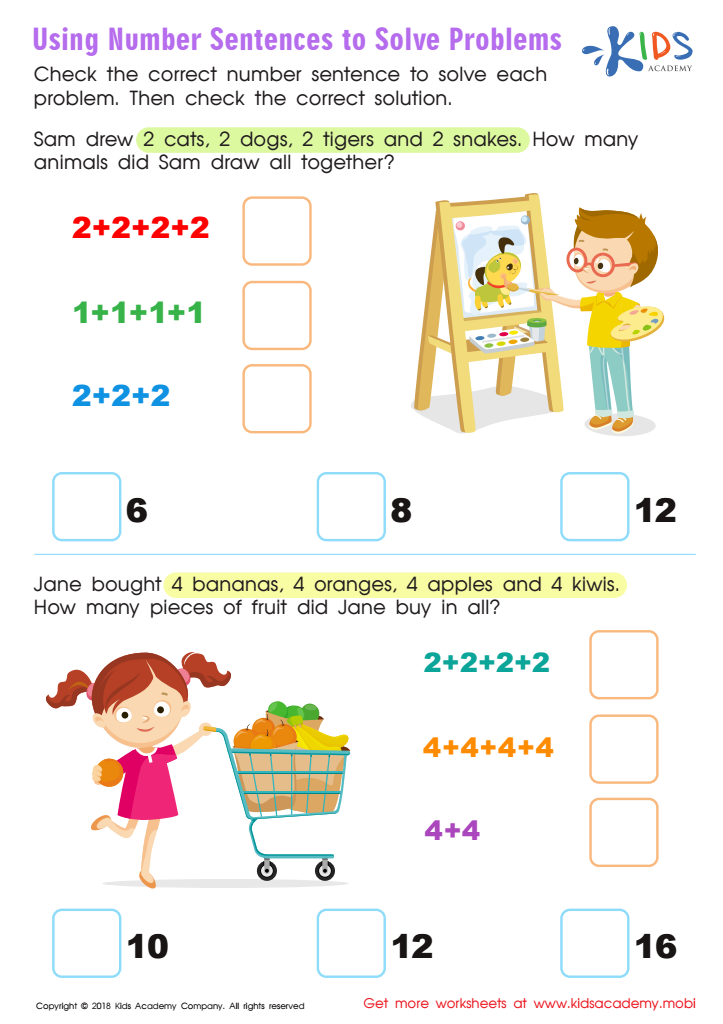
Using Number Sentences to Solve Problems Worksheet
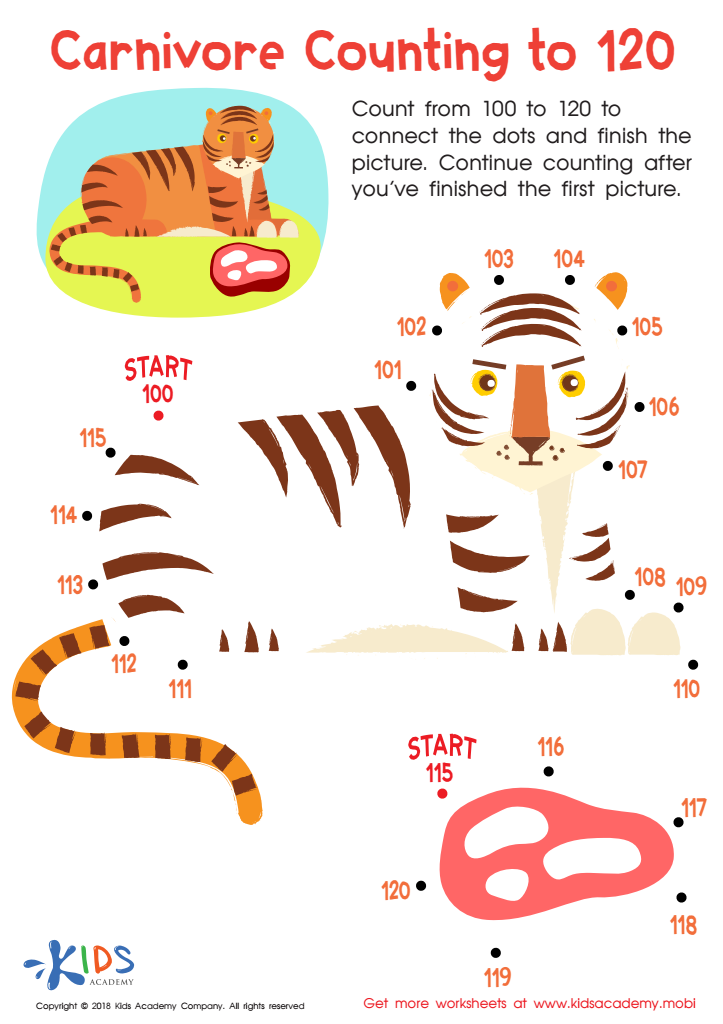
Carnivore Counting to 120 Worksheet
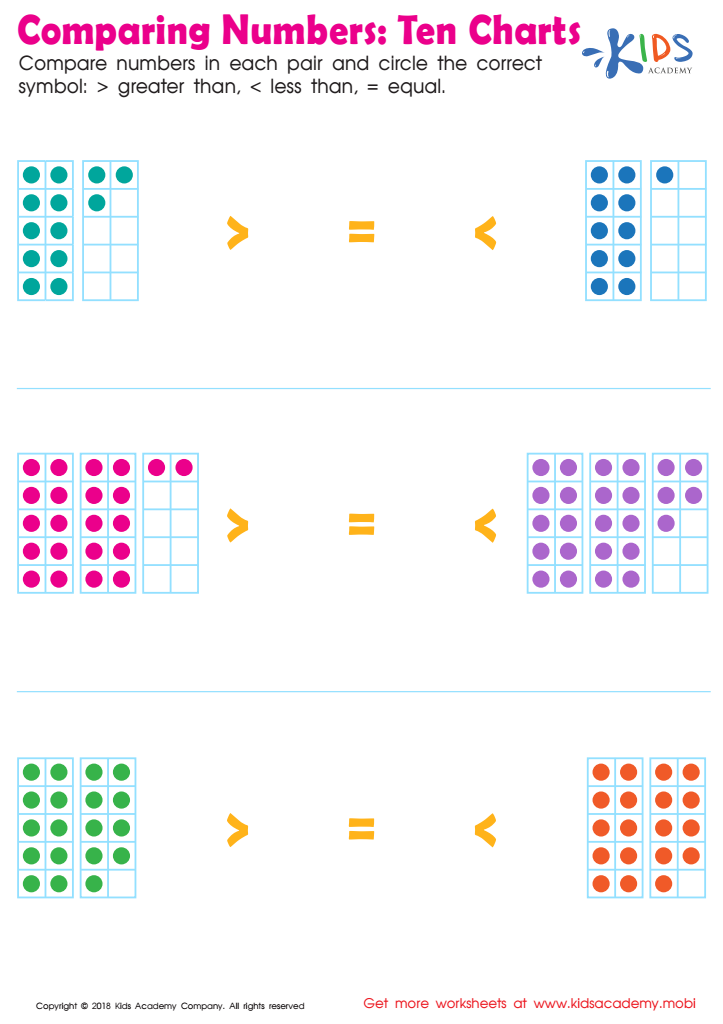
Ten Charts Worksheet
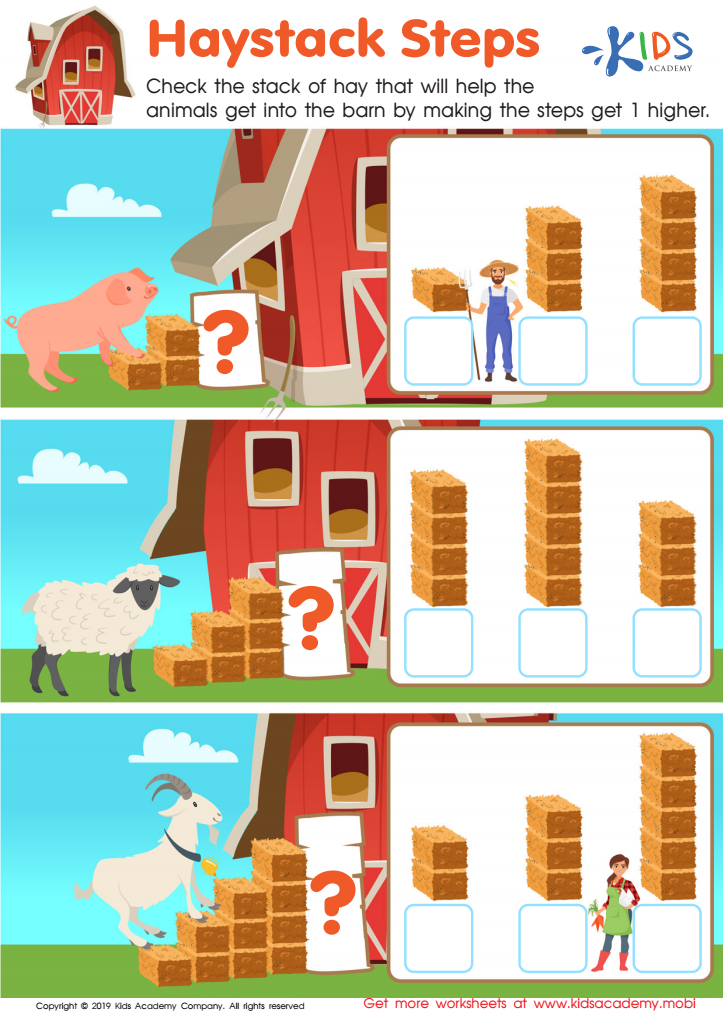
Haystack Steps Worksheet







Understanding sequences of numbers is crucial for children aged 4-9 as it lays the foundation for mathematical reasoning and problem-solving skills. At this age, children are developing essential cognitive abilities, including pattern recognition and logical thinking. Sequences help them make sense of numbers in a structured way, enhancing their ability to predict and organize information.
Parents and teachers should prioritize teaching sequences because it supports various aspects of learning. For instance, recognizing patterns helps in everyday tasks, such as counting, telling time, and understanding basic concepts of addition and subtraction. Moreover, grasping number sequences fosters a sense of order, which is vital for young learners as they navigate through literacy and numeracy challenges.
Incorporating sequences into learning activities can make math enjoyable and engaging. Interactive games and hands-on exercises can turn abstract concepts into tangible experiences, thus motivating children to explore further. As a result, developing a strong understanding of sequences nurtures a lifelong appreciation for math and supports future academic success.
Ultimately, when parents and teachers emphasize the importance of number sequences, they not only reinforce foundational skills but also spark curiosity and confidence in young learners, setting the stage for advanced mathematical concepts in later years.








