Learn new vocabulary Math Worksheets for Ages 4-9
4 filtered results
-
From - To
Unlock new math vocabulary for young learners aged 4-9 with our engaging worksheets! Designed by experts to blend fun and education, these printables help children effortlessly grasp essential math terms. Interactive exercises and colorful illustrations make learning enjoyable, while fostering a strong mathematical foundation. Perfect for classroom or home use, our worksheets cater to different learning paces and styles, ensuring every child can confidently expand their math vocabulary. Instill a love for math early on and watch your child's skills flourish. Explore our collection now and turn learning into an exciting adventure with Kids Academy!
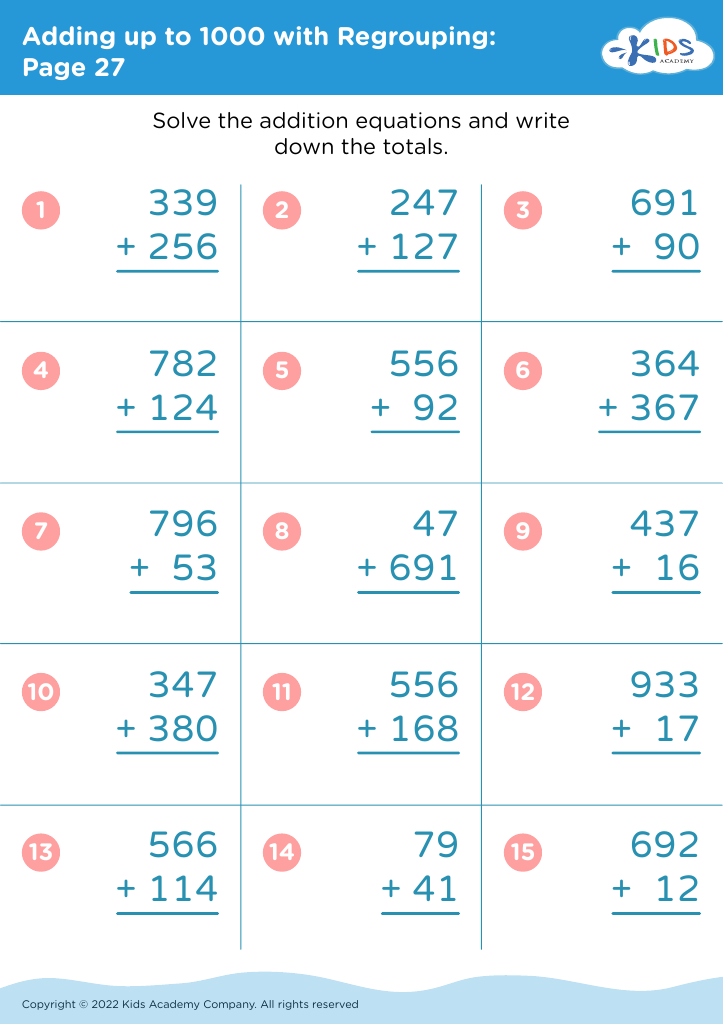
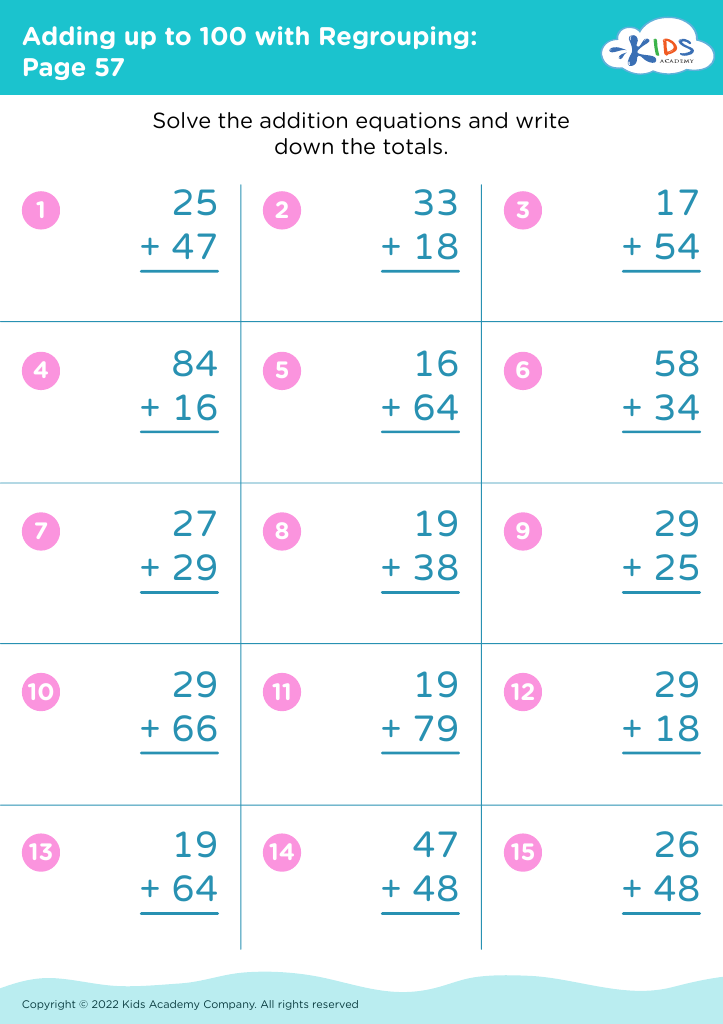
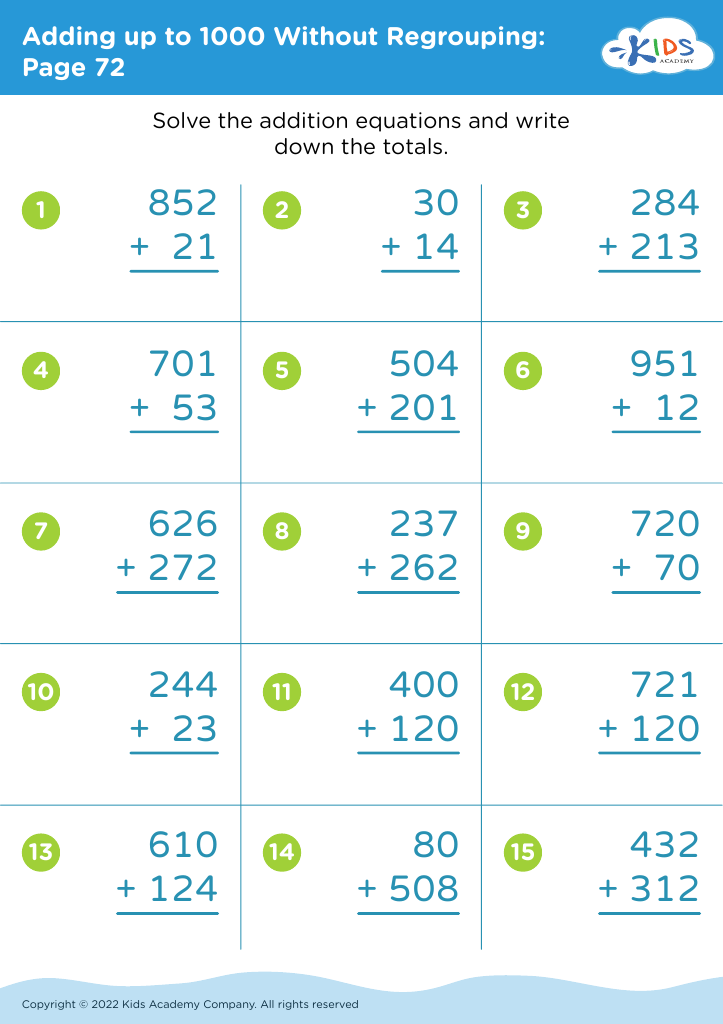
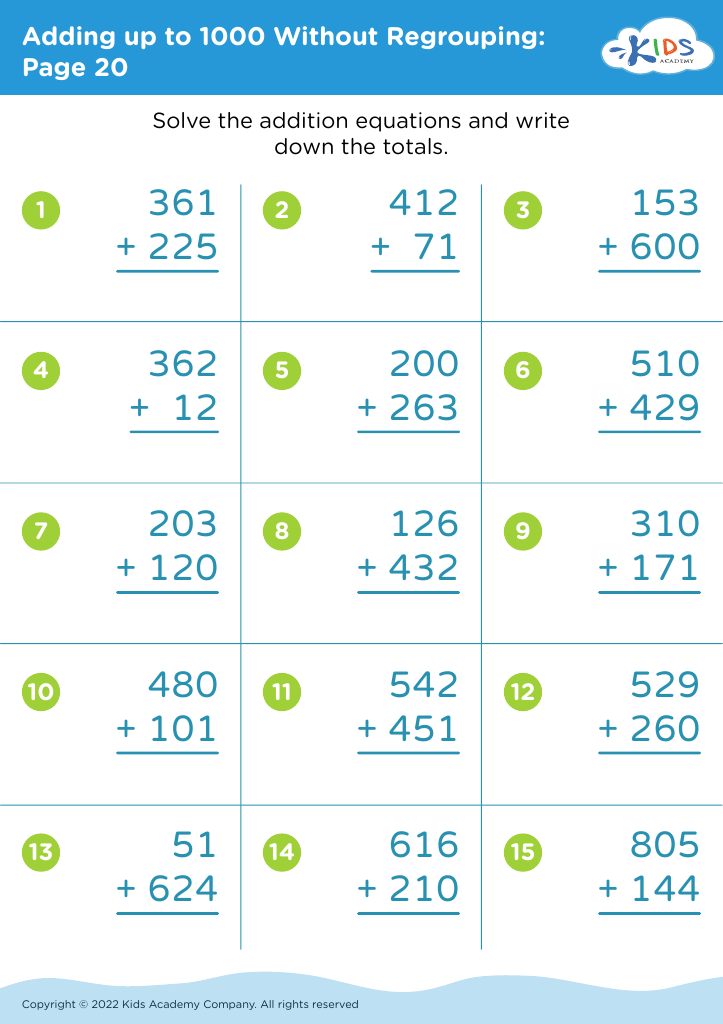








Developing math vocabulary in children aged 4-9 is crucial because it forms the foundation for their future mathematical understanding and problem-solving skills. At this formative stage, children are developing cognitive skills and language abilities simultaneously. Introducing math vocabulary helps them build a strong connection between words and numerical concepts.
When children learn terms such as "addition," "subtract," "more than," and "less than," they not only acquire the skills to perform fundamental operations but also the language required to express mathematical reasoning. These foundational words come in handy when they tackle more complex math problems in later years, making math less intimidating and more approachable.
Additionally, early math vocabulary exposure supports better communication in math classes. Students confident in math language can more effectively express questions and understand concepts, fostering a collaborative and inquisitive learning environment. Teachers can build on this strong vocabulary base to introduce increasingly complex ideas without students feeling lost or overwhelmed.
Moreover, developing a robust math vocabulary at an early age lays the groundwork for a positive attitude toward math. It encourages curiosity and a love of learning, which are essential attributes for academic success across all subjects. Therefore, investing in the development of a child's math vocabulary from ages 4-9 ignites a circle of positive reinforcement and greater achievement in education.








