Spelling practice Math Worksheets for Ages 4-9
9 filtered results
-
From - To
Discover engaging Spelling Practice Math Worksheets designed specifically for children aged 4-9! Our worksheets seamlessly blend essential math skills with fun spelling exercises, making learning a delightful experience. Each activity helps young learners enhance their vocabulary while improving their numeracy skills, encouraging cognitive development through playful challenges. With colorful illustrations and age-appropriate content, these printable resources will ignite your child's interest in both math and spelling. Ideal for home or classroom use, our worksheets are perfect for reinforcing skills and preparing your child for academic success. Explore our collection today and turn learning into an exciting adventure!
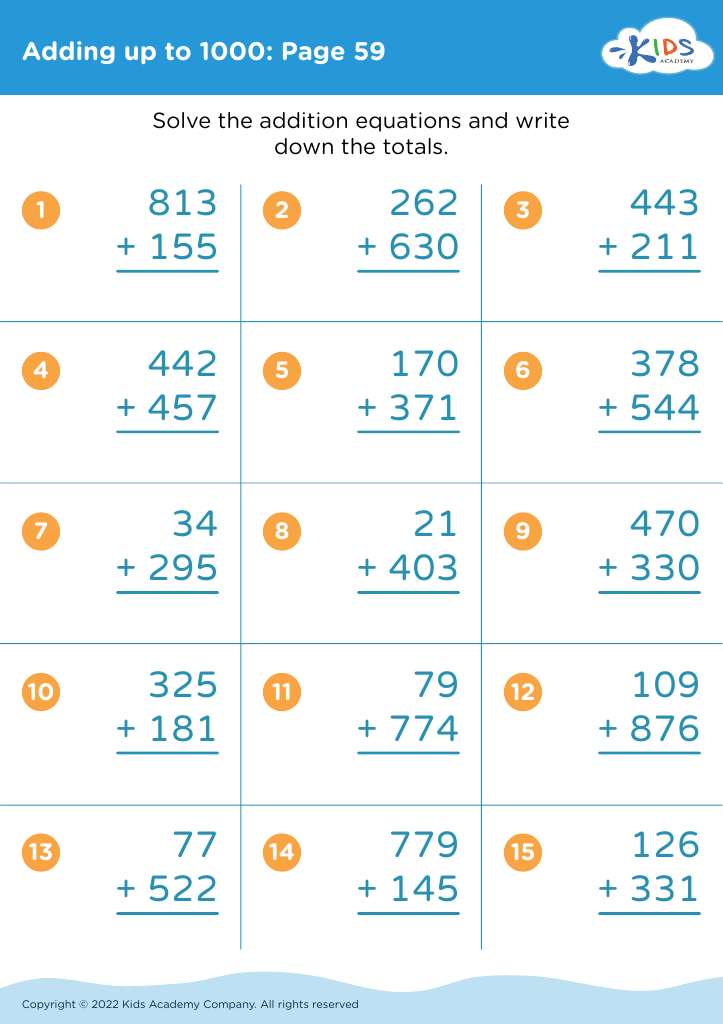
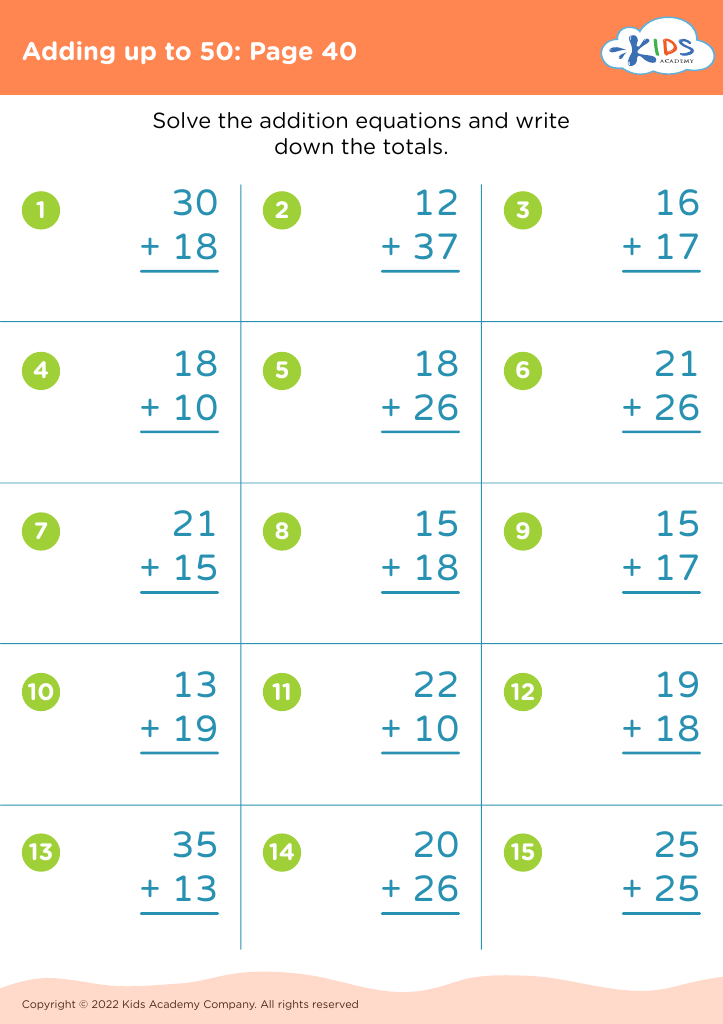
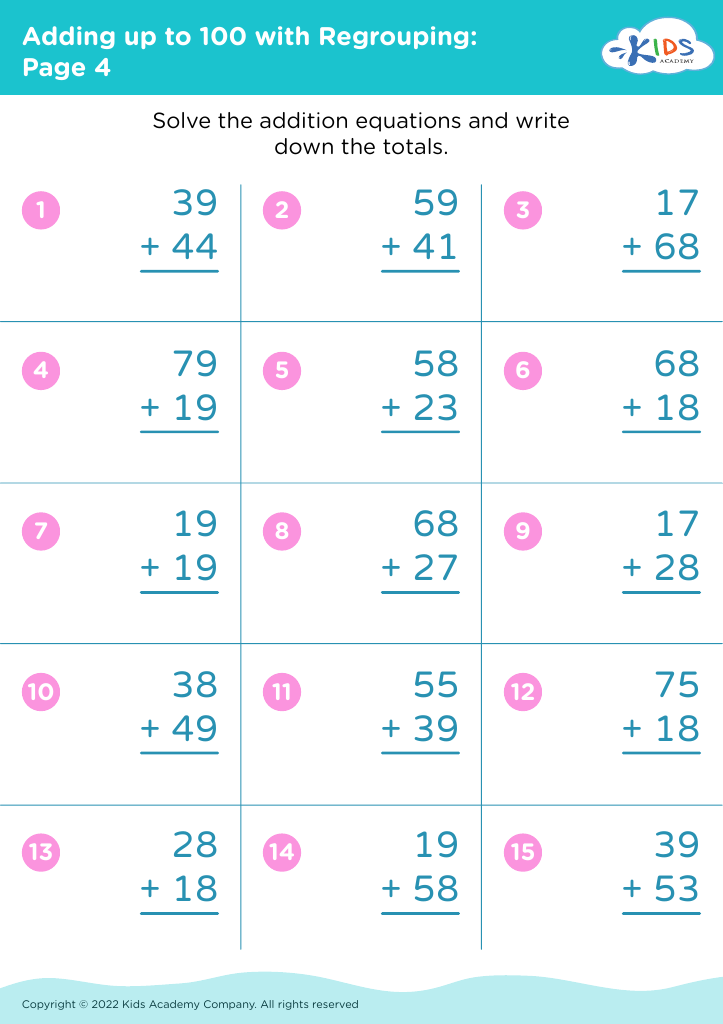
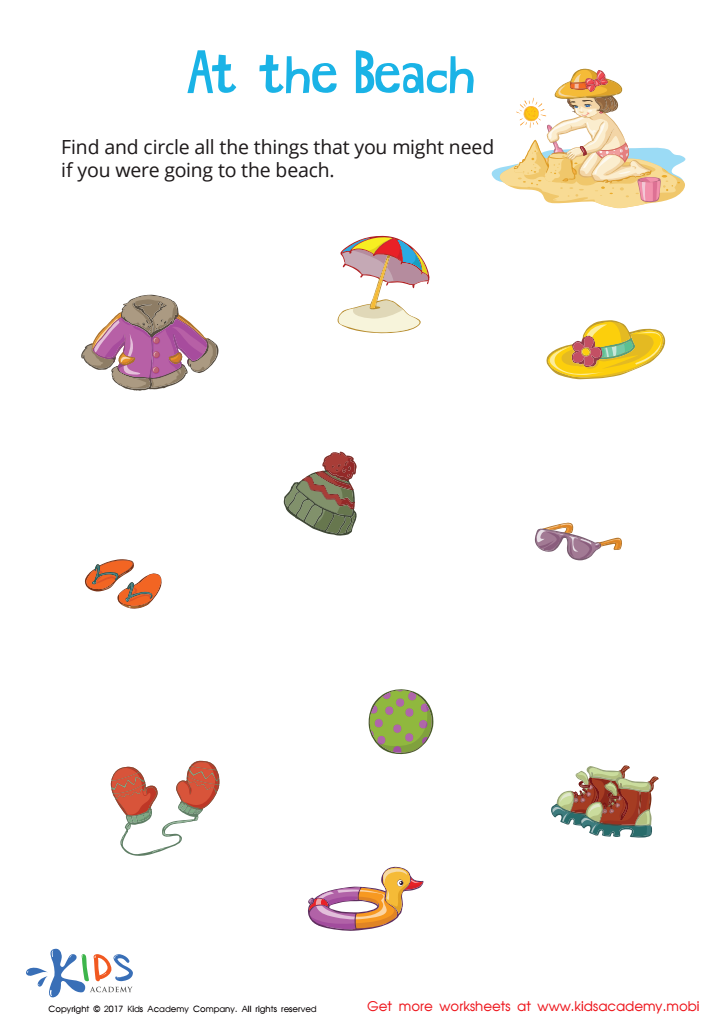
At the Beach Sorting Worksheet
 Assign to My Students
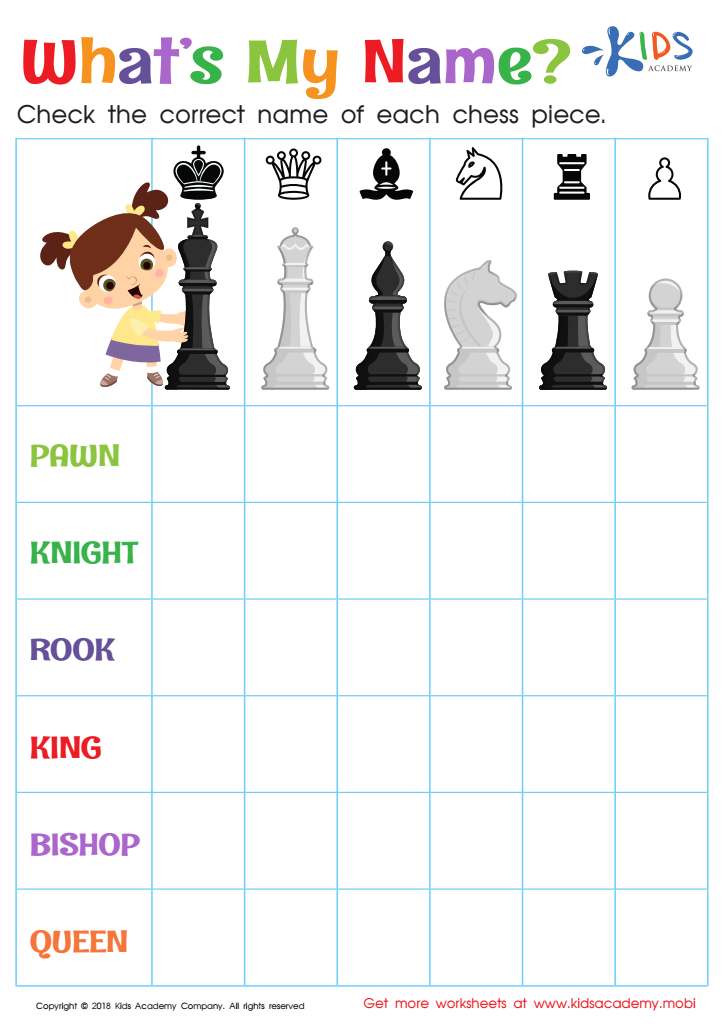
What's My Name? Worksheet
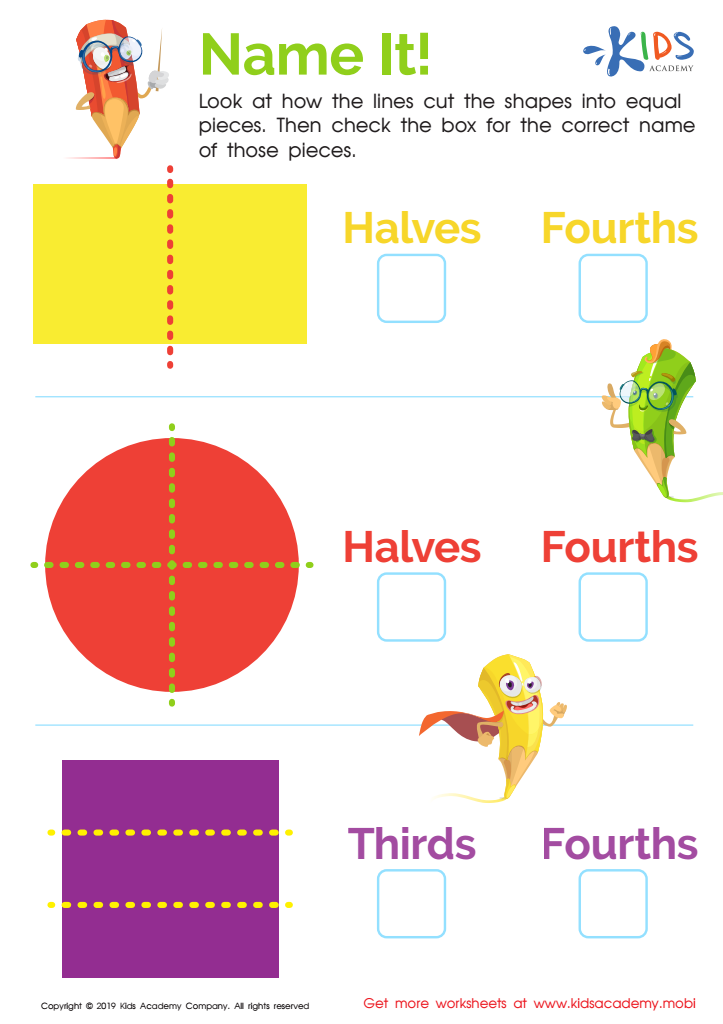
Name It! Worksheet
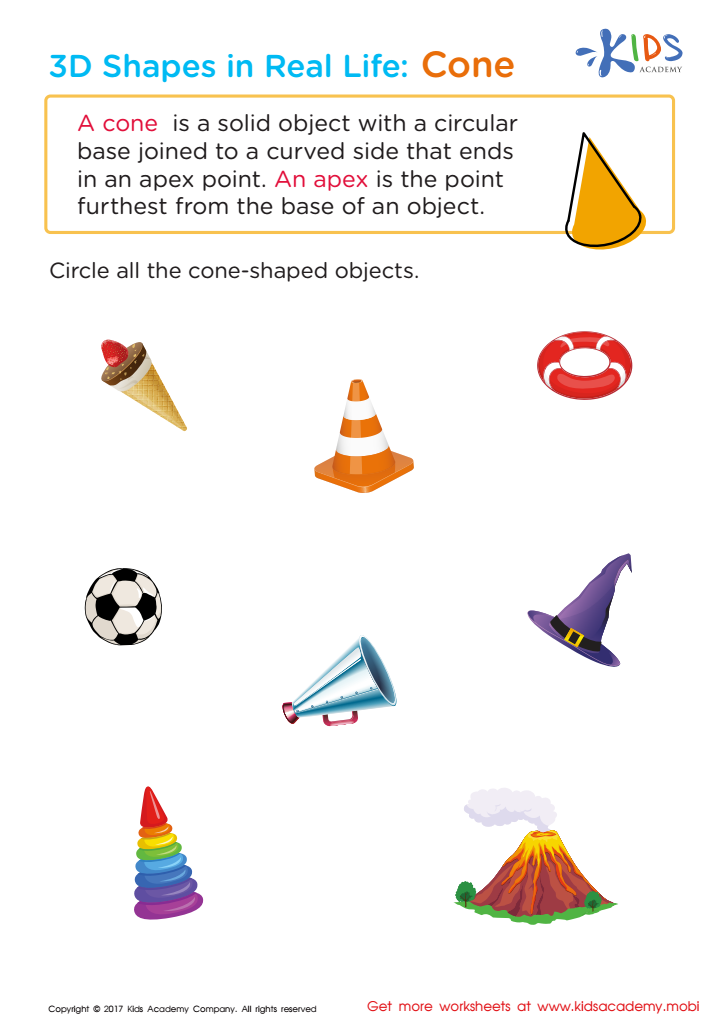
Shapes in Real Life: Cone Worksheet
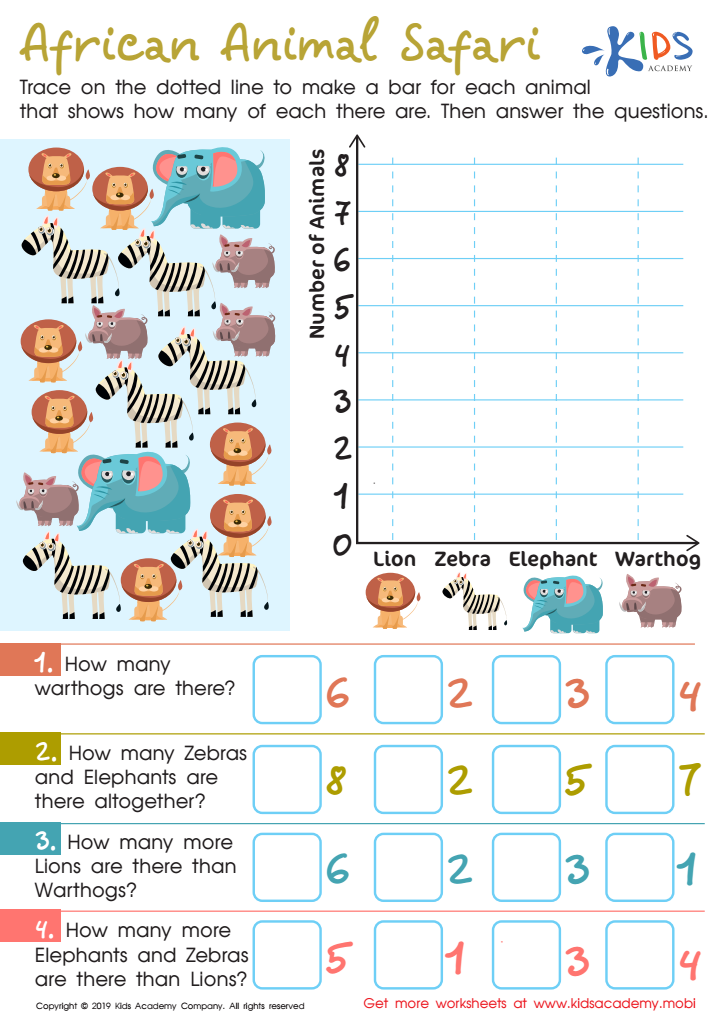
African Animal Safari Worksheet








Spelling practice in the context of math for children aged 4-9 is crucial for several reasons. Firstly, it enhances vocabulary and language skills, which are integral to understanding math concepts. Early math education often includes words like "sum," "difference," or "multiply." By learning these terms through spelling practice, children can better grasp their meanings, leading to improved comprehension and problem-solving abilities.
Secondly, spelling helps in building cognitive skills. When children engage in spelling, they enhance their memory, concentration, and cognitive processing—all of which are vital for mathematical reasoning. Developing these skills at a young age lays a strong foundation for future academic success.
In addition, engaging in spelling activities can make learning more interactive and fun. It creates opportunities for parents and teachers to foster a supportive learning environment through games, storytelling, and multisensory experiences that blend language and math.
Finally, effective communication is essential in math. Children who understand and can spell mathematical terms are better equipped to articulate their thought processes, ask questions, and collaborate with peers. This holistic approach not only enriches their educational experience but also instills confidence as they navigate both language arts and math.








