
Understanding gravity Math Worksheets for Ages 4-9
3 filtered results
Difficulty Level
Grade
Age
-
From - To
Subject
Activity
Standards
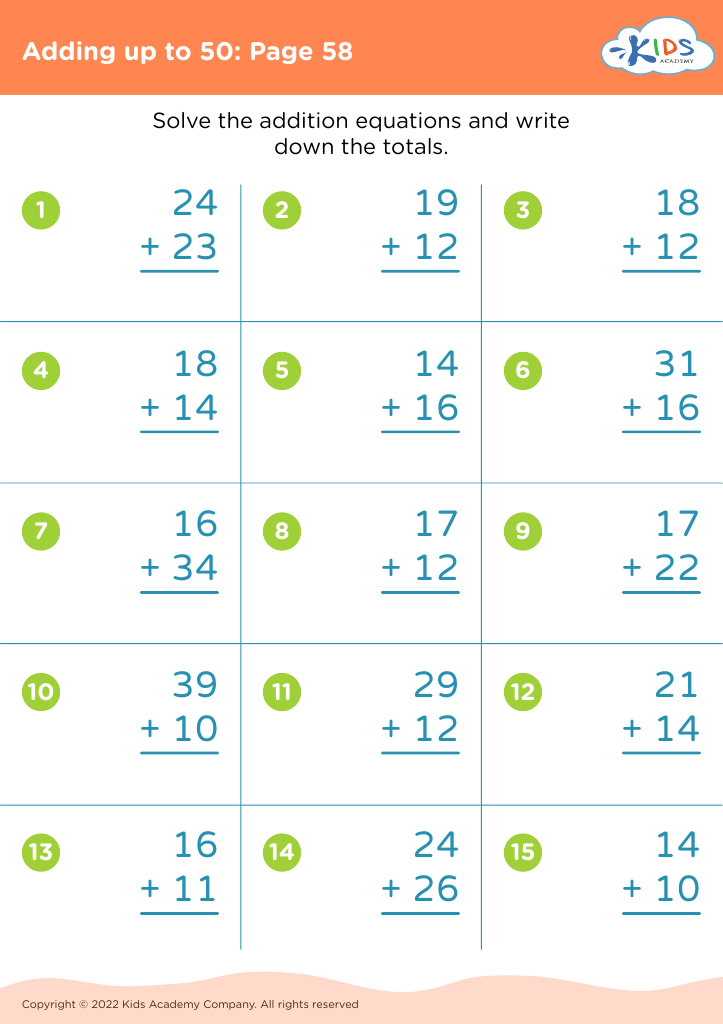
Explore our "Understanding Gravity Math Worksheets" designed specifically for children aged 4-9. These engaging and interactive worksheets introduce young learners to the fundamental concepts of gravity through fun and relatable activities. Each worksheet incorporates simple math problems, making learning both enjoyable and educational. Your child will discover the effects of gravity on objects, enhance their problem-solving skills, and build confidence in their math abilities. Perfect for classrooms or home learning, these worksheets cater to different skill levels, ensuring that every child can grasp the concepts effectively. Let learning take flight as your child unlocks the mysteries of gravity in a playful way!
Favorites
With answer key
Interactive
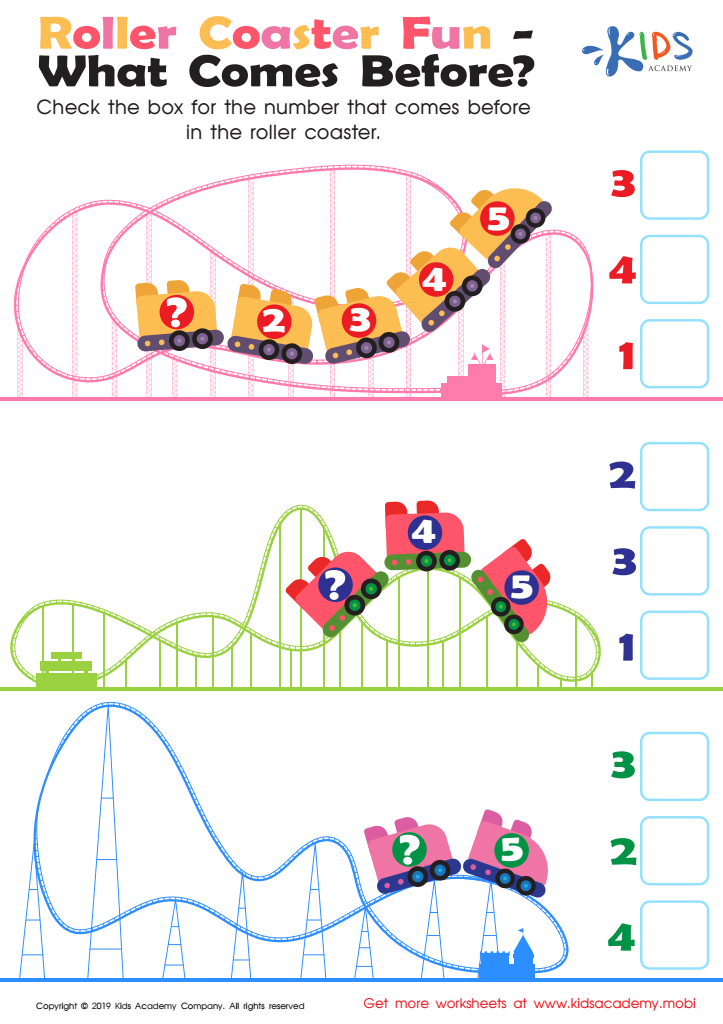
Roller Coaster Fun Worksheet
Ride a roller coaster and experience the thrill! Kids will love checking off the number that comes before each one on the worksheet. With three roller coasters to choose from, the fun never stops! Ask your kids if they've been on a roller coaster and where. Let them explore the excitement and joy of this thrilling ride!
 Assign to My Students
Roller Coaster Fun Worksheet
Worksheet
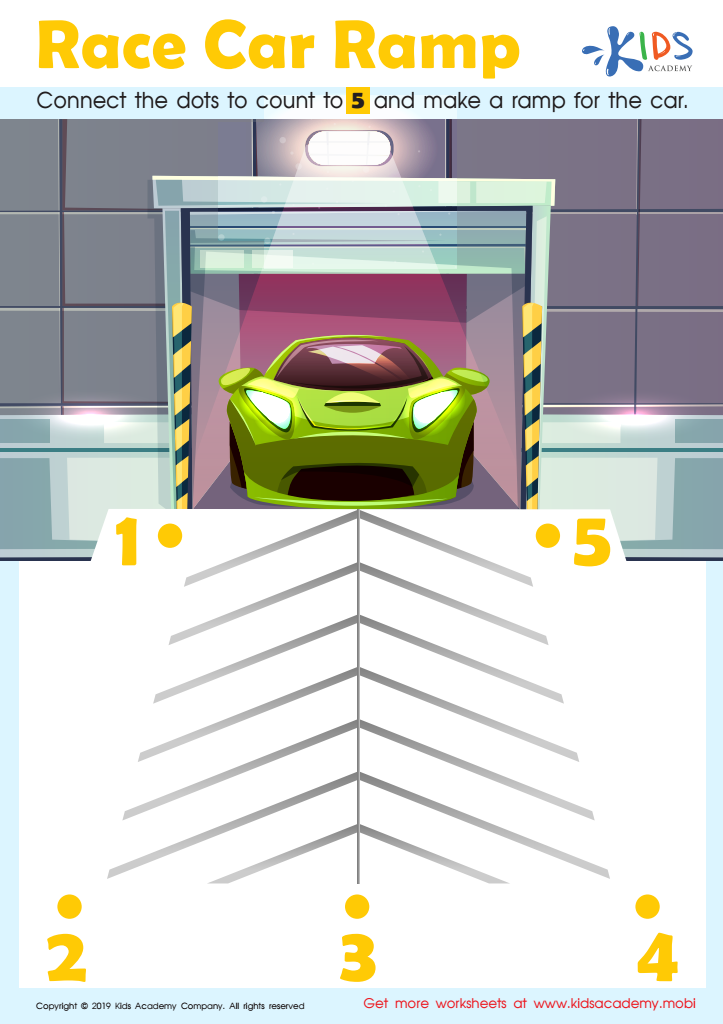
Race Car Ramp Worksheet
Kids can learn numbers quickly and have fun with this worksheet! It teaches preschoolers counting to 5 and allows them to draw a car ramp. It's a creative way to learn numbers, making them fun and easy to remember.
Race Car Ramp Worksheet
Worksheet
Join Kids Academy for Free
Who is primarily going to use this learning content?






.jpg)
Understanding gravity isn't just a scientific concept; it's a fundamental part of how we experience the world every day. For children aged 4-9, evolving a grasp of gravity through math can boost their cognitive and critical thinking skills. When parents and teachers emphasize gravity, they foster an early curiosity about the natural world, encouraging exploration and inquiry.
Math, applied in understanding gravity, helps children develop problem-solving skills. For instance, measuring how heights decrease during fall experiments teaches them about distance and time, utilizing basic arithmetic and enhancing their ability to analyze patterns. Engaging with tangible concepts like gravity through math enables children to make real-world connections, igniting a passion for science while building a strong mathematical foundation.
Moreover, early exposure to these ideas can lead to a better understanding of cause and effect, laying the groundwork for more complex scientific theories in the future. By integrating fun, hands-on activities related to gravity and math, educators and parents create a stimulating environment where children feel empowered to ask questions, hypothesize, and draw conclusions—an essential part of their educational journey. Overall, caring about this aspect of learning can pave the way for lifelong interest in science and math.








