Categorization skills Matching Worksheets for Ages 4-9
6 filtered results
-
From - To
Discover our engaging Categorization Skills Matching Worksheets, designed for children aged 4-9! These printable resources enhance critical thinking and cognitive development by helping young learners sort and classify objects based on various attributes. With fun and colorful visuals, these worksheets provide a playful way for kids to improve their organizational skills while reinforcing important concepts such as shapes, sizes, and colors. Perfect for home or classroom use, our worksheets encourage early math skills and creativity. Join us in making learning enjoyable and interactive as children develop vital categorization abilities essential for their academic journey! Explore our collection today!
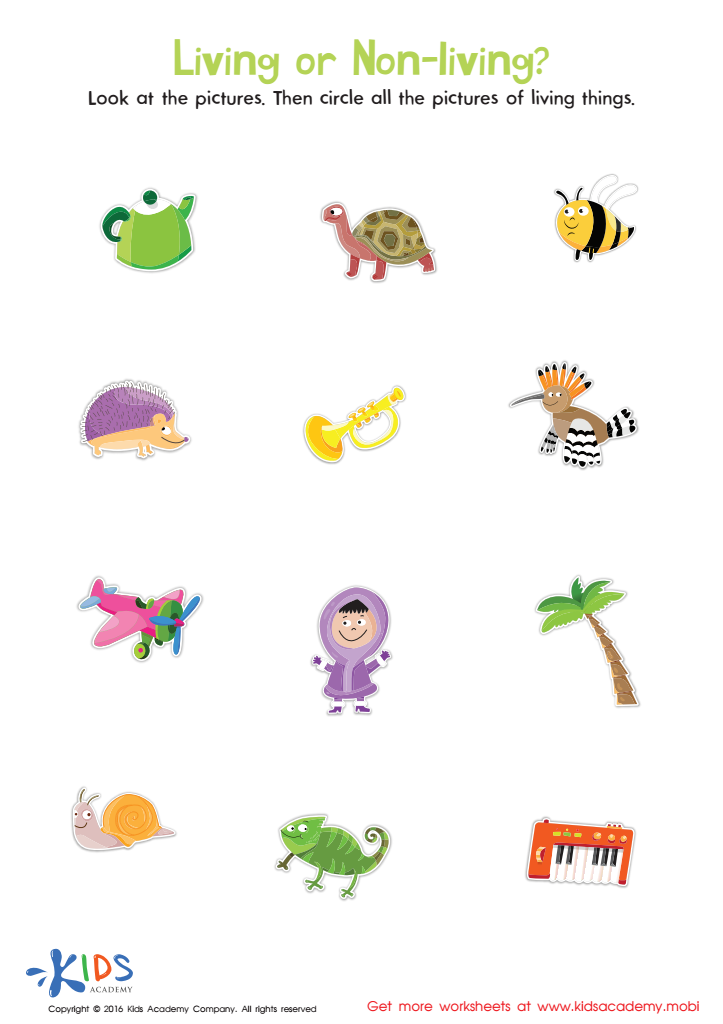
Identifying Living and Non–living Things Sorting Worksheet
 Assign to My Students
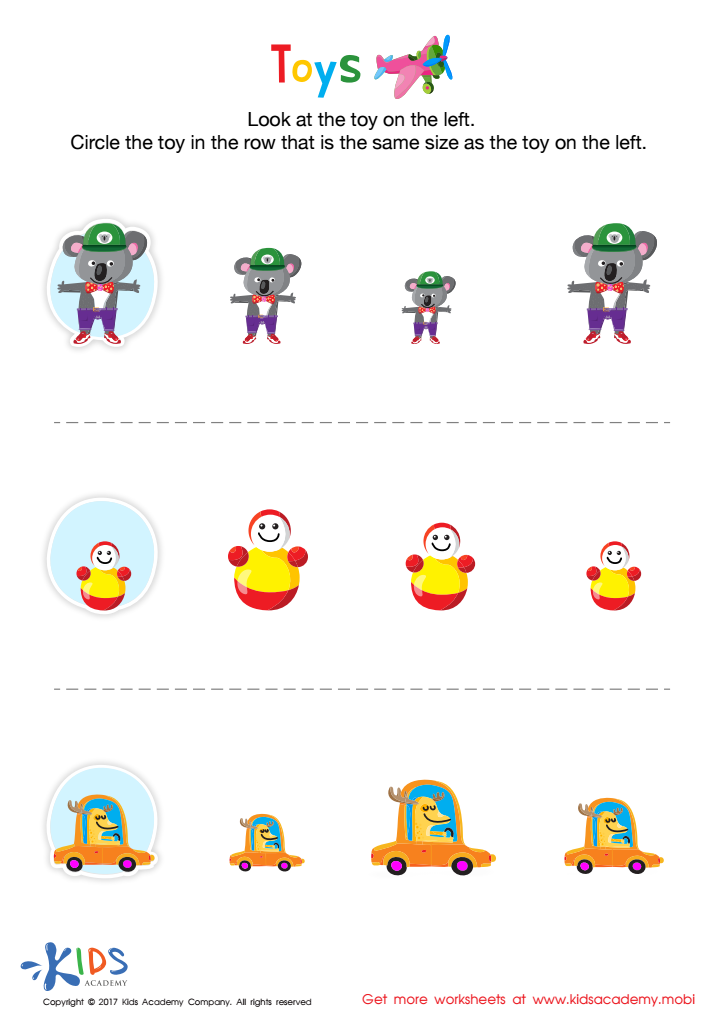
Matching: Classifying Toys by Size Worksheet
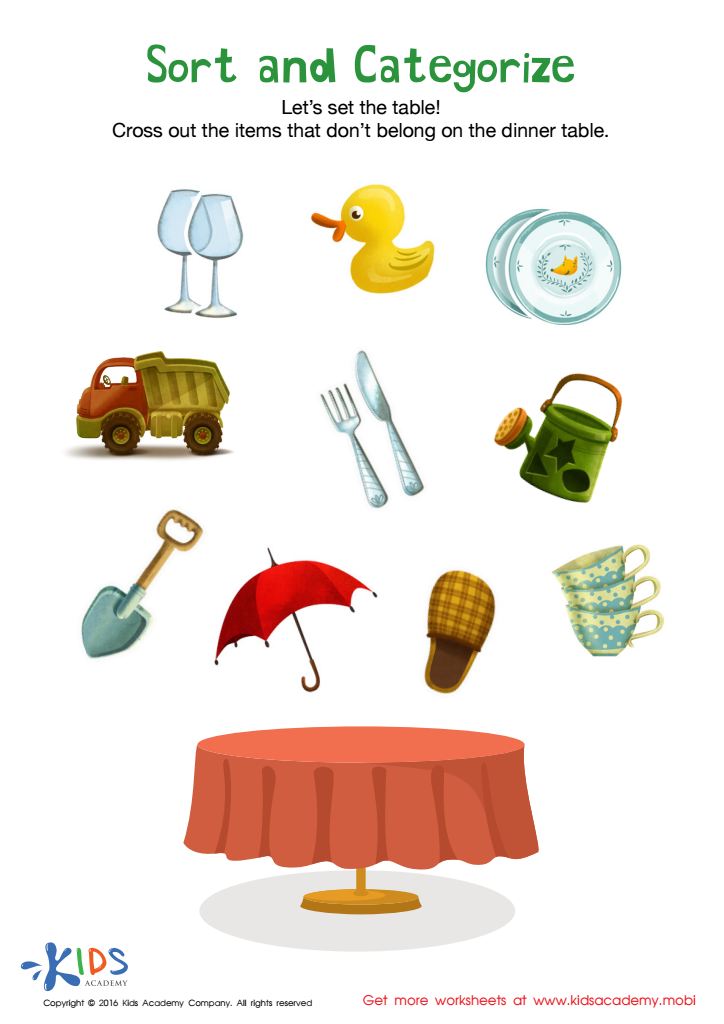
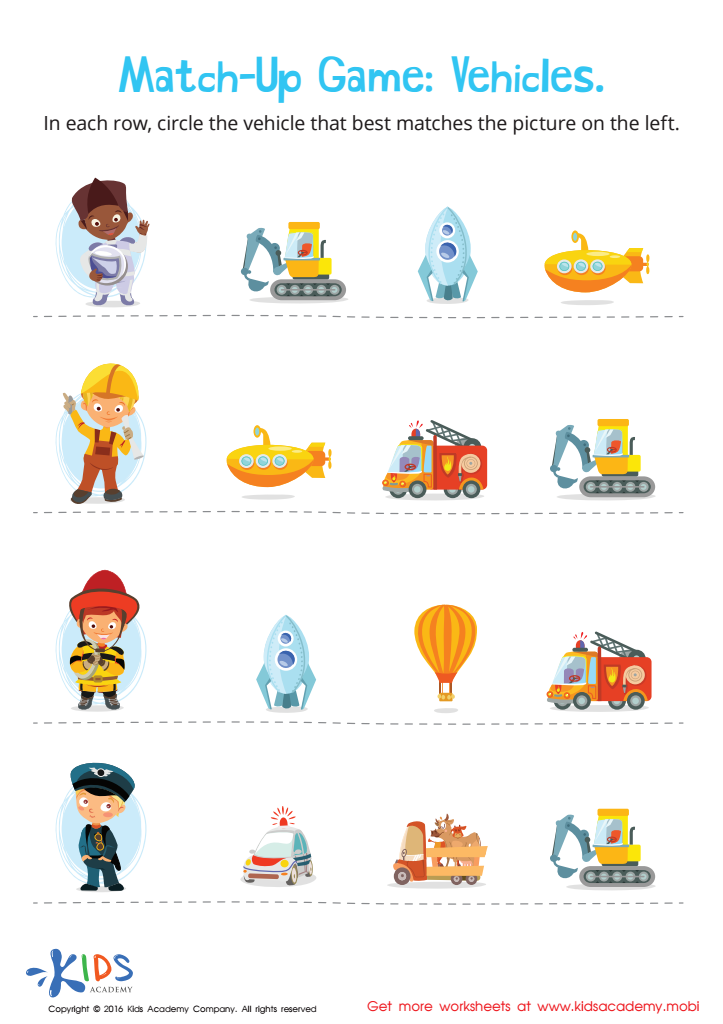
Vehicles Worksheet
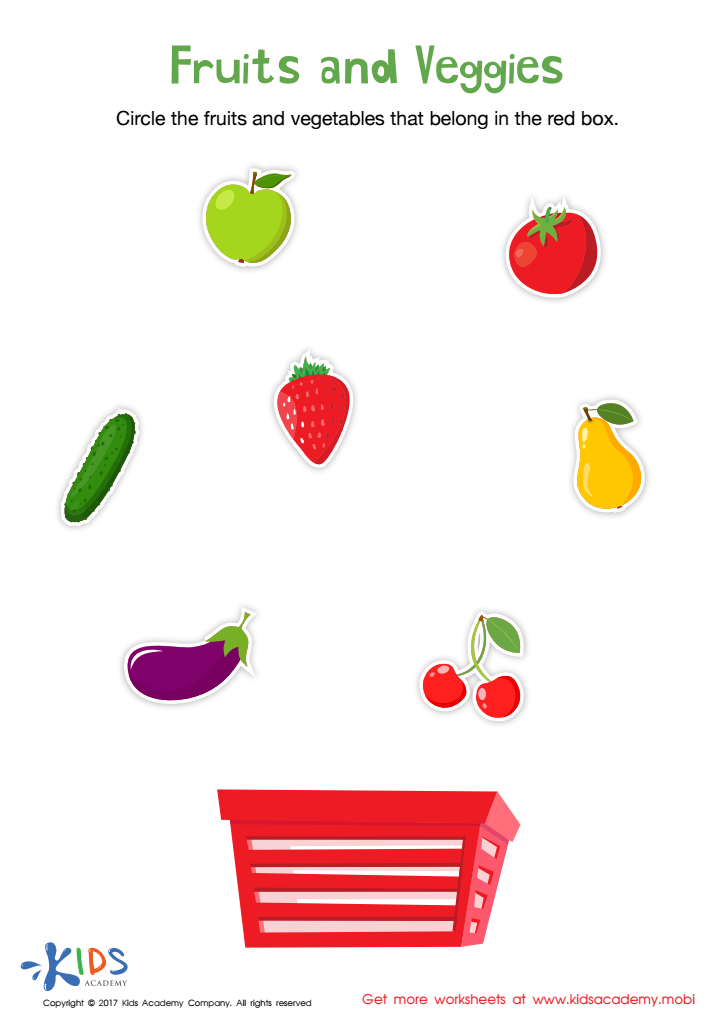
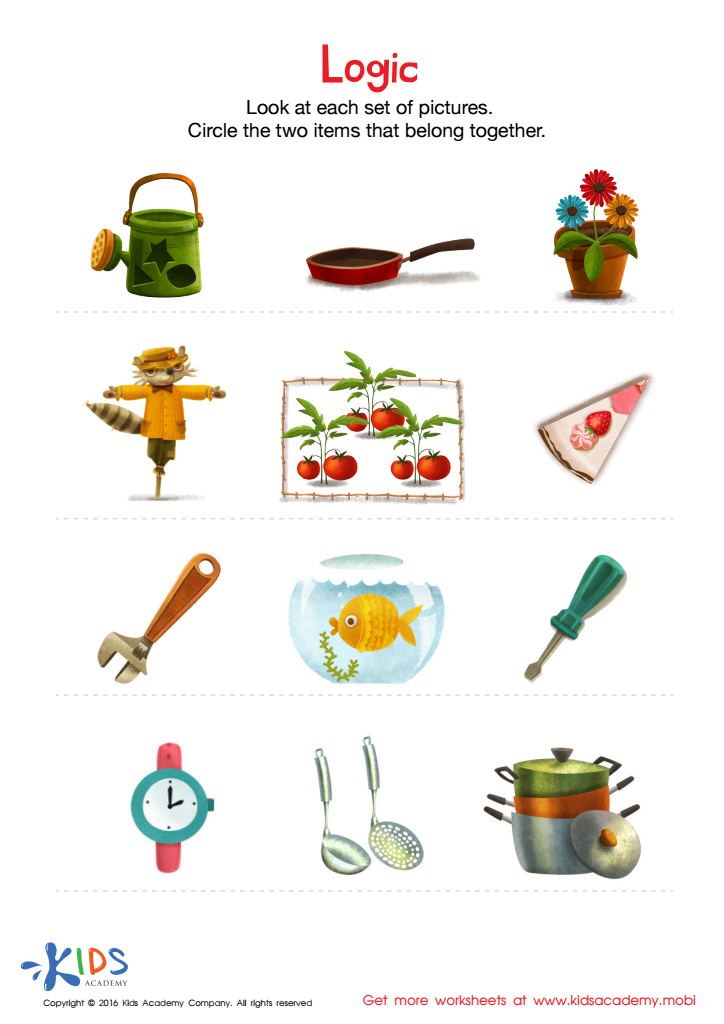
Logic Game Sorting Worksheet




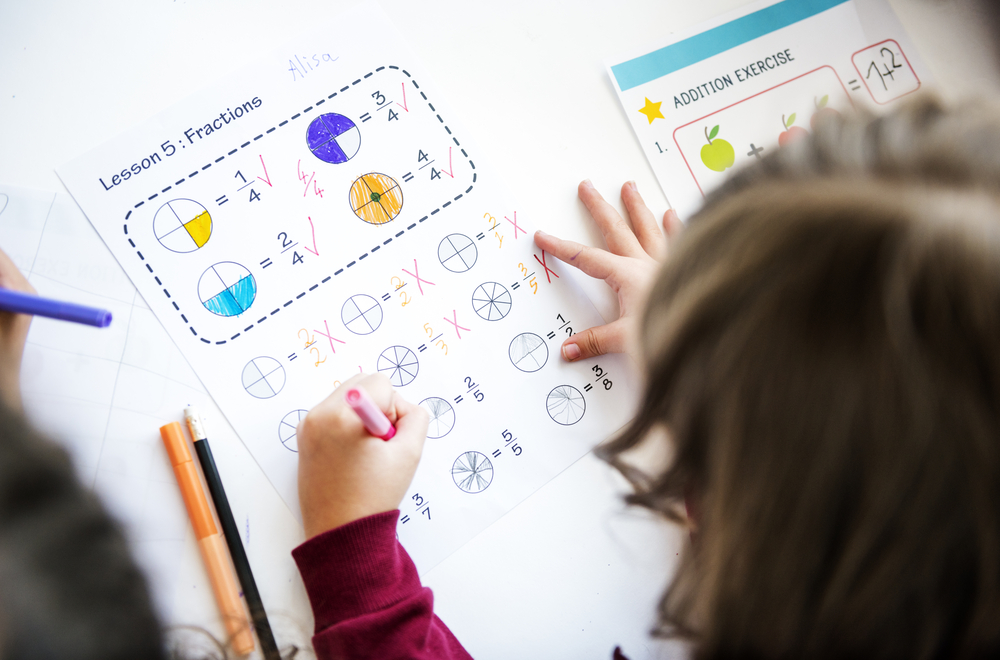



Categorization skills are essential for children aged 4-9, as they form a foundational aspect of cognitive development. These skills allow children to group and organize objects, ideas, and information, helping them better understand their world. For parents and teachers, fostering categorization skills promotes critical thinking, problem-solving, and language development.
When children learn to categorize, they enhance their ability to recognize patterns, draw connections, and make informed decisions. For example, distinguishing between different types of animals or sorting objects by size or color helps them understand relationships and improve memory retention. Additionally, strong categorization skills support learning in math and science, where grouping and classification are fundamental concepts.
Moreover, these abilities encourage social interactions and emotional intelligence. Children who master categorization can better understand social dynamics, recognize similarities and differences in peers, and navigate relationships.
Parents and teachers can incorporate fun activities like sorting games or collaborative projects to enhance these skills. By prioritizing categorization development, they set children on a path towards greater academic success and improved communication, ultimately contributing to well-rounded, capable individuals. Thus, investing time and resources in these skills paves the way for lifelong learning.








