Logical Reasoning Matching Worksheets for Ages 4-9
5 filtered results
-
From - To
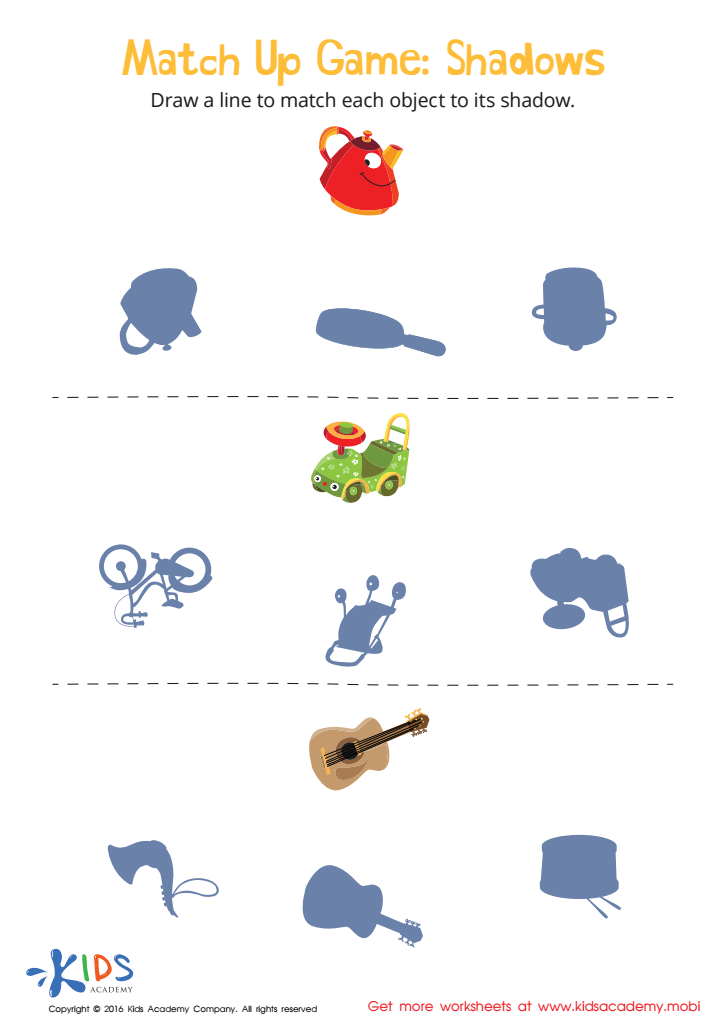
Unlock your child's full potential with our curated collection of Logical Reasoning Matching Worksheets designed for ages 4-9. These engaging activities develop critical thinking and problem-solving skills, essential for early education. Each worksheet offers a variety of fun, age-appropriate challenges that stimulate young minds while establishing foundational knowledge in logic and reasoning. Whether matching shapes, numbers, or visual patterns, our worksheets keep learning enjoyable and interactive. Perfect for parents and teachers alike, these resources aid in the cognitive development of children, setting them up for academic success. Start your child's journey to becoming a logical thinker today!
 Assign to My Students

Birthday Sudoku Sorting Worksheet
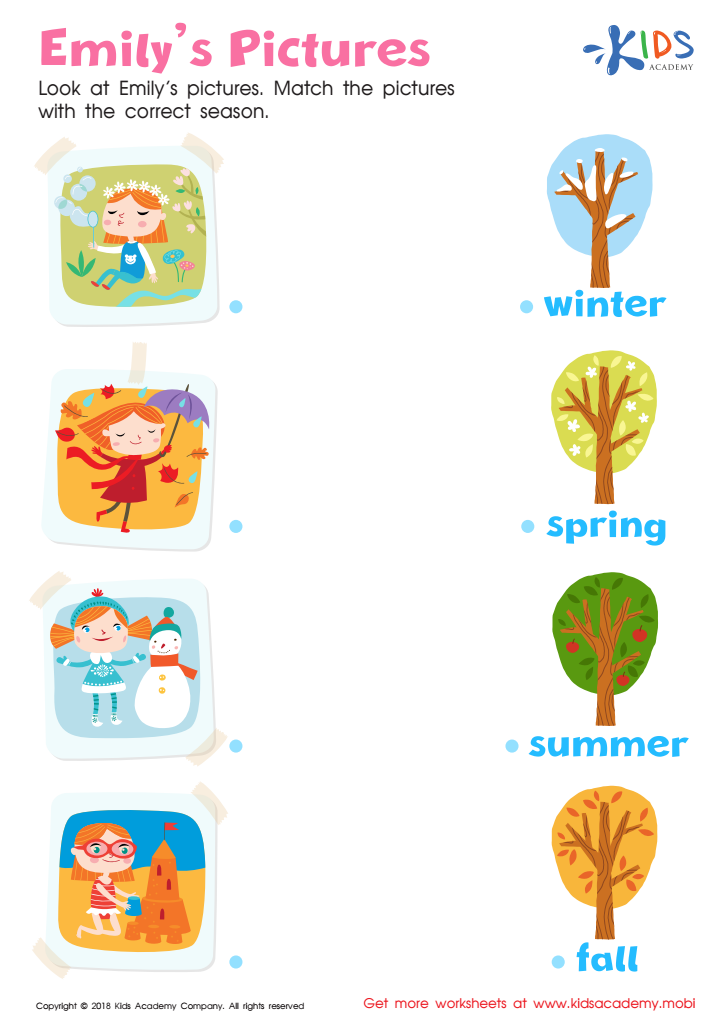
Emily's Pictures Worksheet

Find the Pattern Worksheet
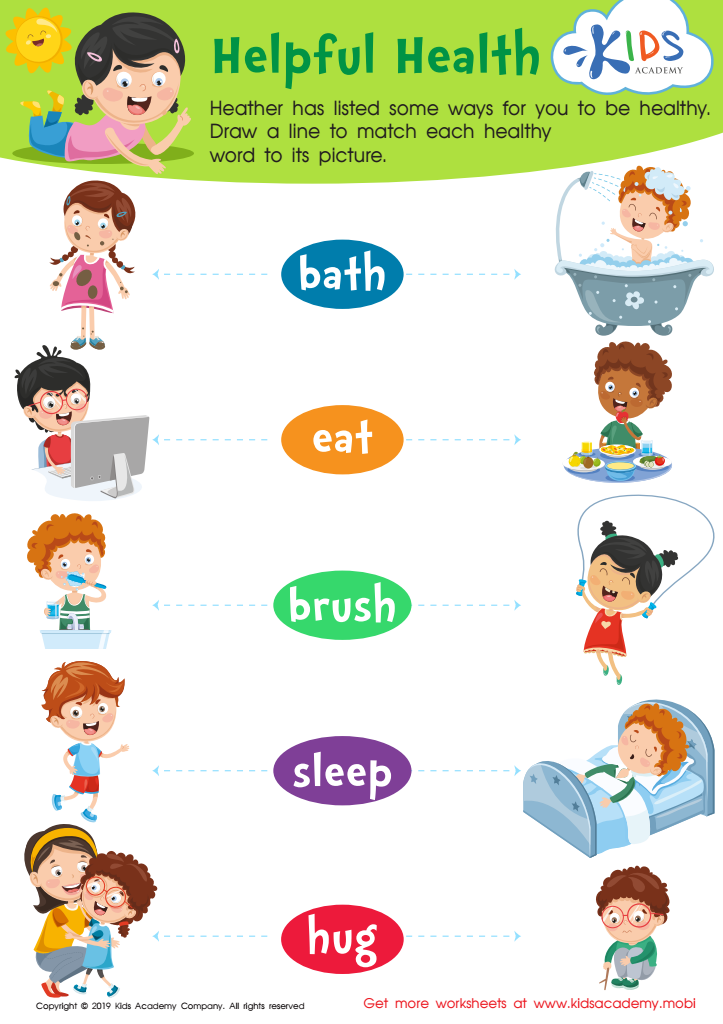
Helpful Health Worksheet








Logical reasoning matching activities are crucial for the cognitive development of children aged 4-9, where their brains are particularly plastic and receptive to learning foundational skills. These activities are designed to help children recognize patterns, understand relationships between different objects or concepts, and develop problem-solving skills. Such cognitive abilities are critical not only for academic success but also for navigating everyday life.
For parents and teachers, it's essential to understand that engaging 4-9-year-olds in logical reasoning tasks fosters critical thinking from an early age, encouraging inquisitiveness and the ability to think analytically. Matching exercises, such as sorting shapes, connecting similar items, or pairing related images, support the development of these skills in a fun, stimulating, and age-appropriate manner.
Moreover, logical reasoning matching activities enhance other essential skills such as attention to detail, concentration, and memory. They pave the way for mathematical thinking and language comprehension, laying a foundation for more complex subjects that the child will encounter as they advance in their education.
In a technology-driven world, these activities also offer a screen-free learning opportunity that encourages active engagement, paving the way for holistic development. Thus, parents and teachers who prioritize these activities can significantly contribute to their child's educational and personal growth.








