Logical thinking Matching Worksheets for Ages 4-9
5 filtered results
-
From - To
Enhance your child's cognitive skills with our engaging Logical Thinking Matching Worksheets, designed specifically for ages 4-9. These thoughtfully crafted worksheets encourage young learners to connect ideas, improve reasoning abilities, and develop critical thinking. By participating in fun matching activities, children will cultivate their problem-solving skills while enjoying vibrant visuals and interactive exercises. Perfect for classrooms or at-home learning, our printable resources support early education by making logic and reasoning an exciting challenge. Discover the joy of learning through play and watch your child flourish as they build a strong foundation for future academic success!
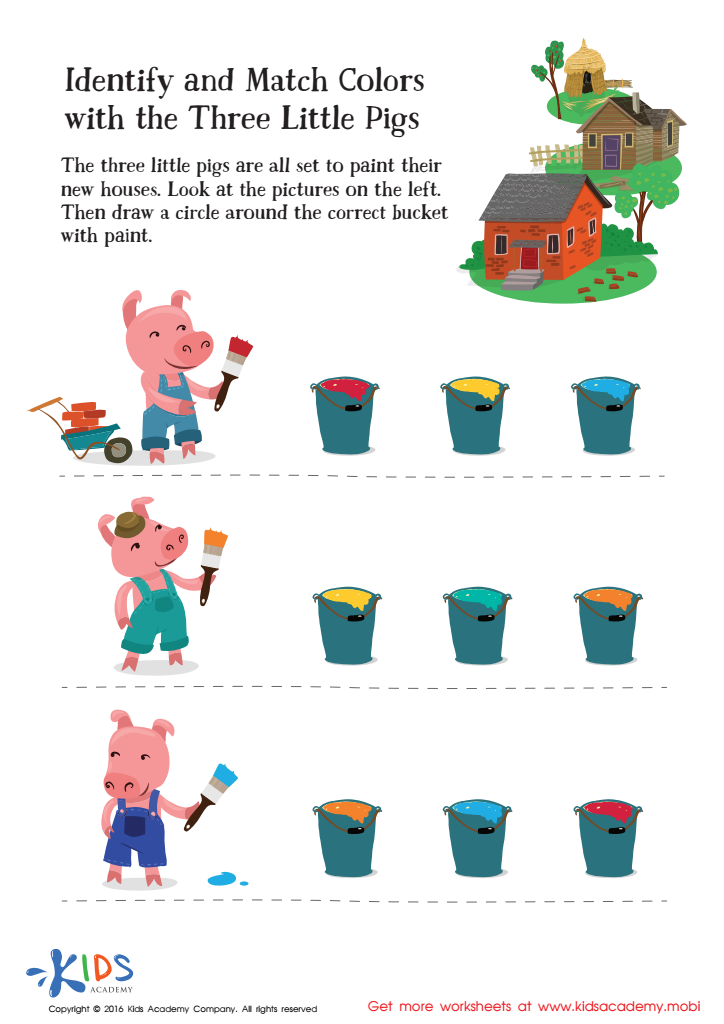
Fairy Tale Worksheet: Identify and Match Colors with Three Little Pigs
 Assign to My Students
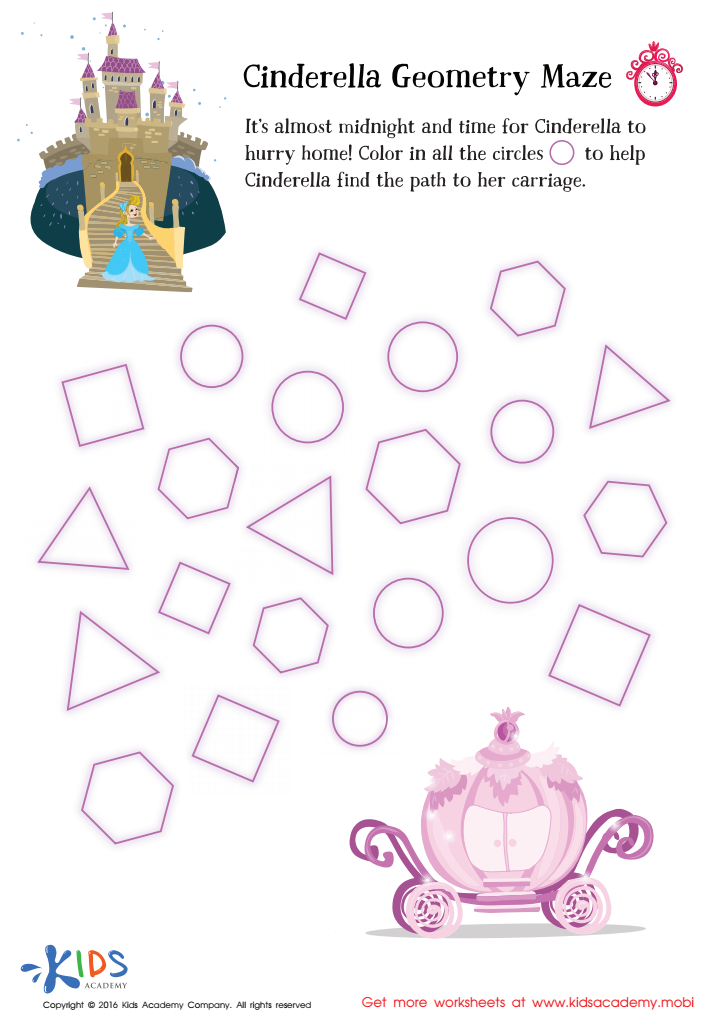
Cinderella Geometry Maze Worksheet
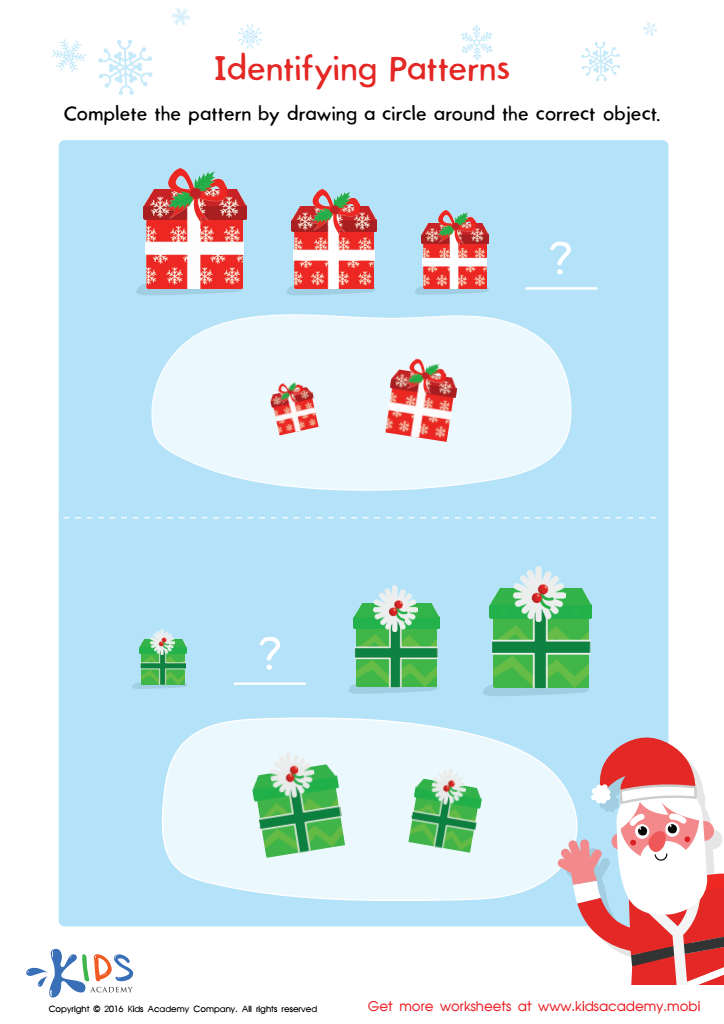
Identifying Patterns Worksheet
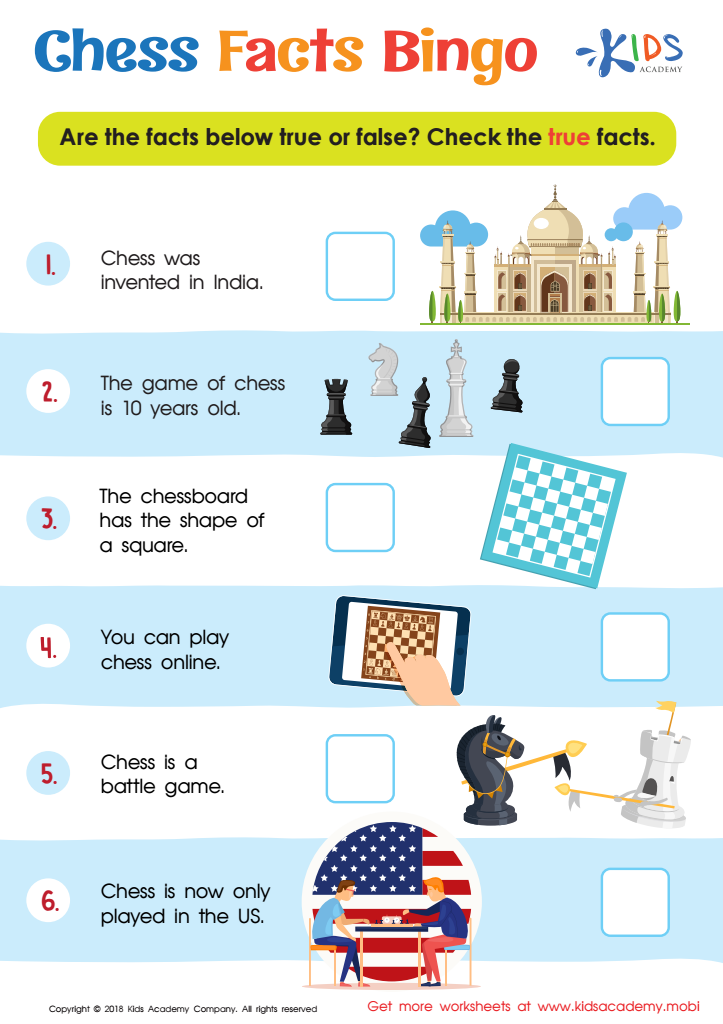
Chess Facts Bingo Worksheet
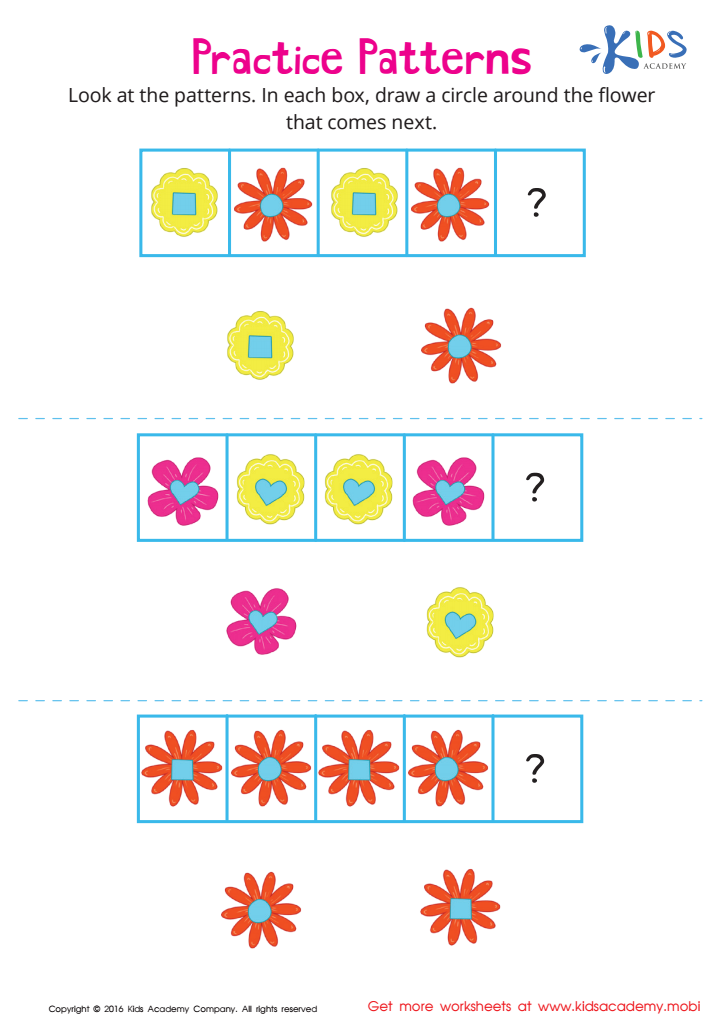








Logical thinking is a foundational skill that significantly impacts a child's cognitive development, problem-solving abilities, and overall learning aptitude. For children aged 4-9, engaging in activities that promote logical thinking, such as matching games, is essential. These activities foster not just cognitive skills but also emotional and social development.
Firstly, logical thinking enhances a child’s ability to analyze patterns, make connections, and draw conclusions—skills that are vital for academic success. By participating in matching exercises, children learn to recognize similarities and differences, categorize information, and think critically about the world around them.
Moreover, logical thinking helps in the development of essential life skills like decision-making and reasoning. It lays the groundwork for subjects such as mathematics and science, where logical reasoning plays a vital role. As children match objects, shapes, or numbers, they are not only having fun, but they are also honing these skills in an engaging way.
Lastly, these activities encourage collaboration and communication when done in groups, fostering important social interactions. For parents and teachers alike, supporting activities that build logical thinking is crucial to nurturing well-rounded, capable individuals prepared for future challenges.








