Understanding patterns Multiplication Worksheets for Ages 4-9
11 filtered results
-
From - To
Discover the joy of learning with our "Understanding Patterns Multiplication Worksheets," specially designed for children aged 4-9. These engaging worksheets help young learners grasp the concept of multiplication through recognizing and applying patterns. With vibrant illustrations and fun activities, kids will build essential math skills while boosting their confidence. Our resources encourage critical thinking and problem-solving, making math enjoyable! Ideal for home or classroom use, these worksheets cater to various learning styles, ensuring every child can thrive. Empower your child’s educational journey today by exploring our collection and watch them master multiplication in a fun and interactive way!
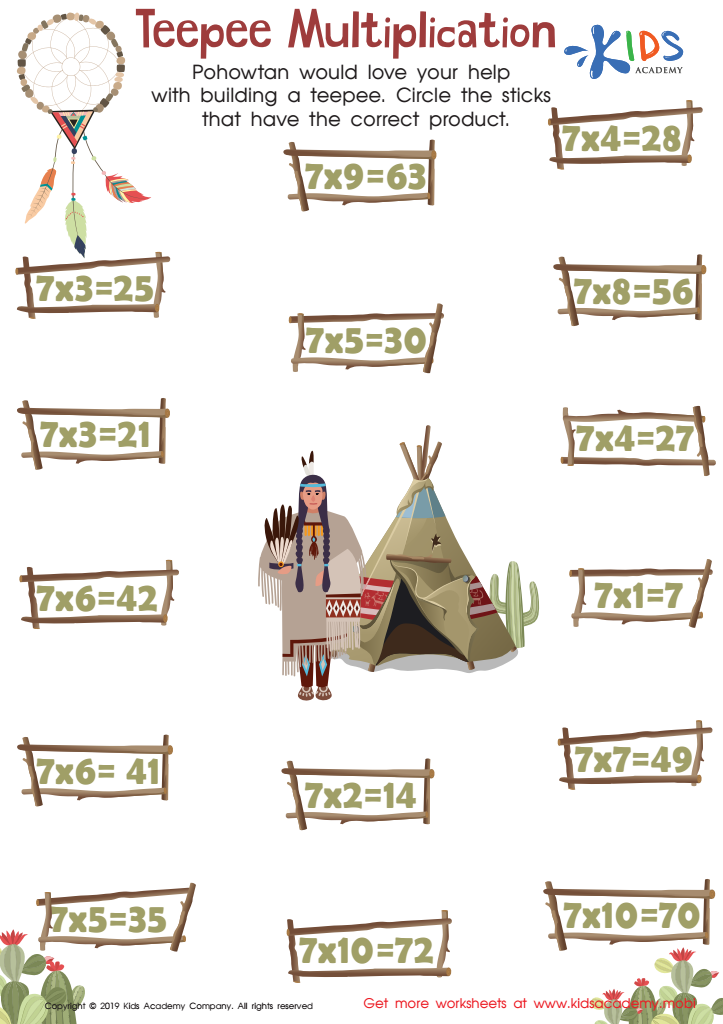
Teepee Multiplication Worksheet
 Assign to My Students
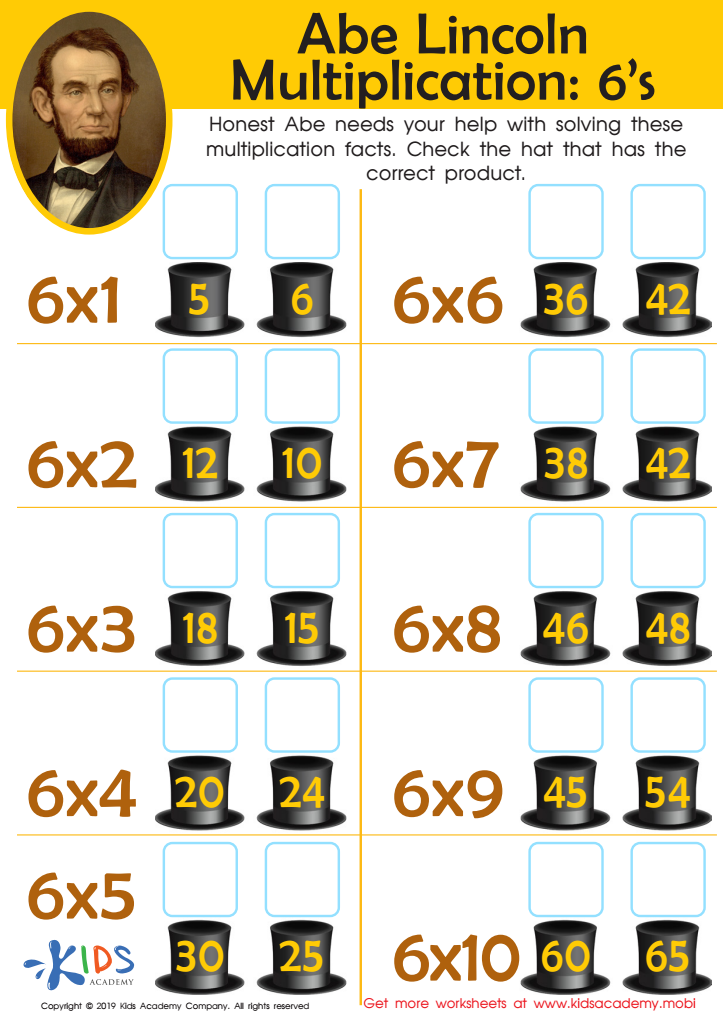
Abe Lincoln Multiplication: 6’s Worksheet
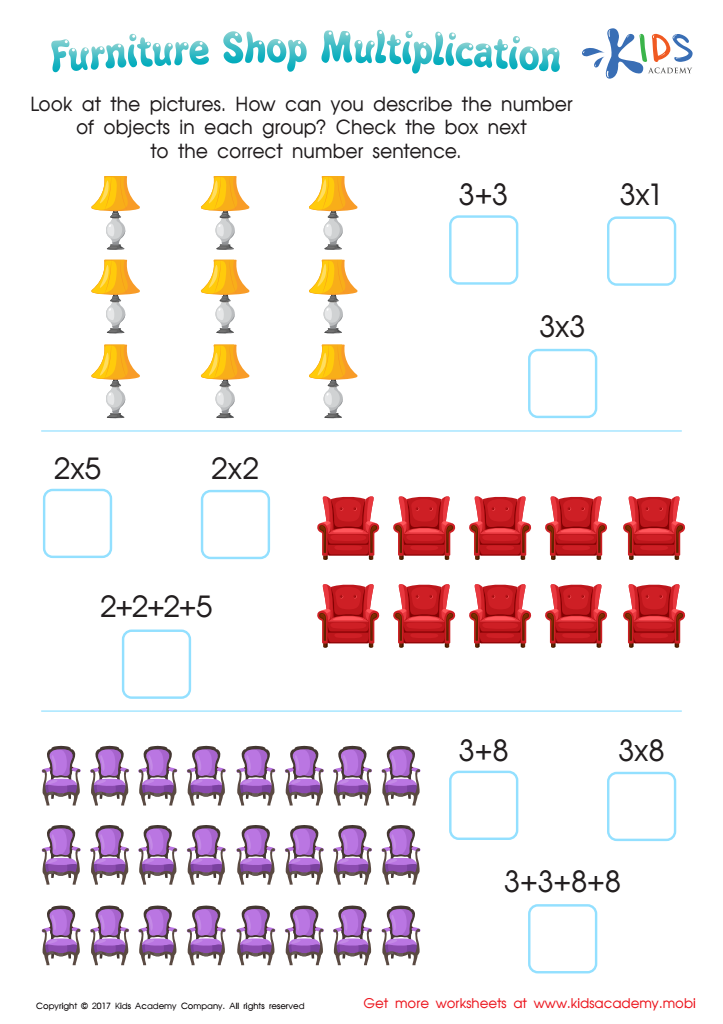
Furniture Shop Worksheet
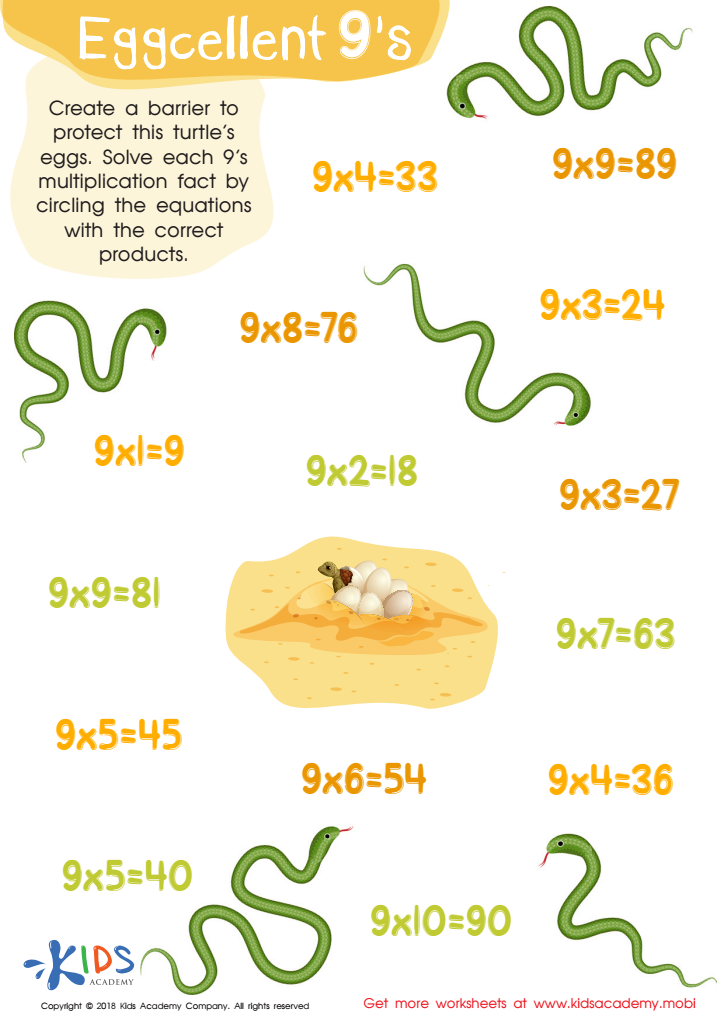
Eggcellent 9’s Worksheet
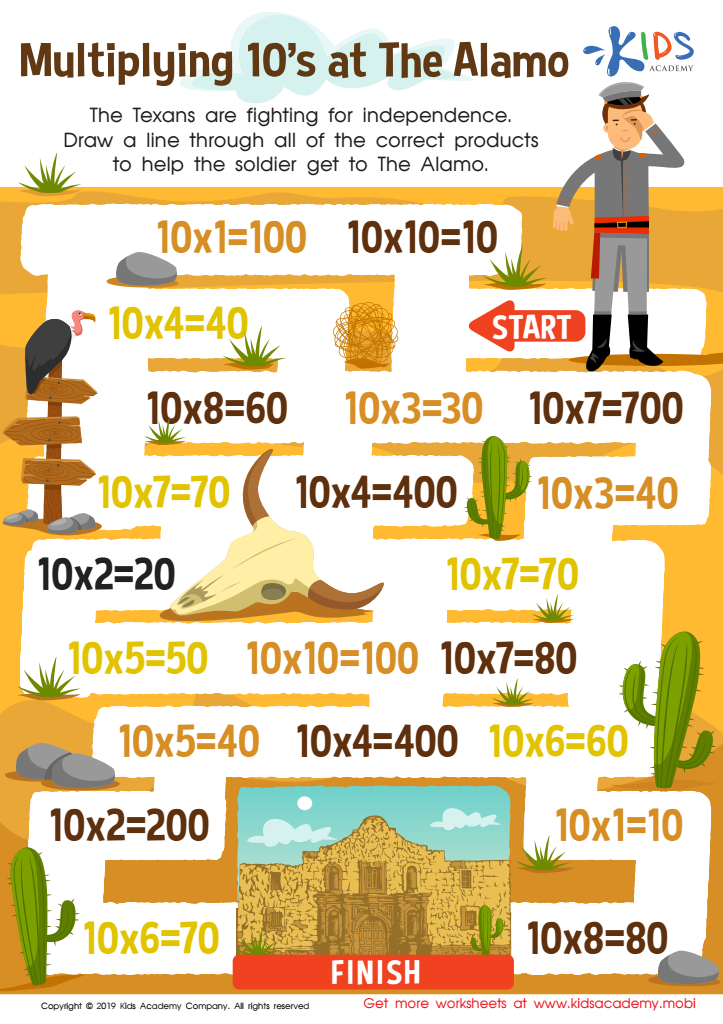
Multiplying 10’s at The Alamo Worksheet
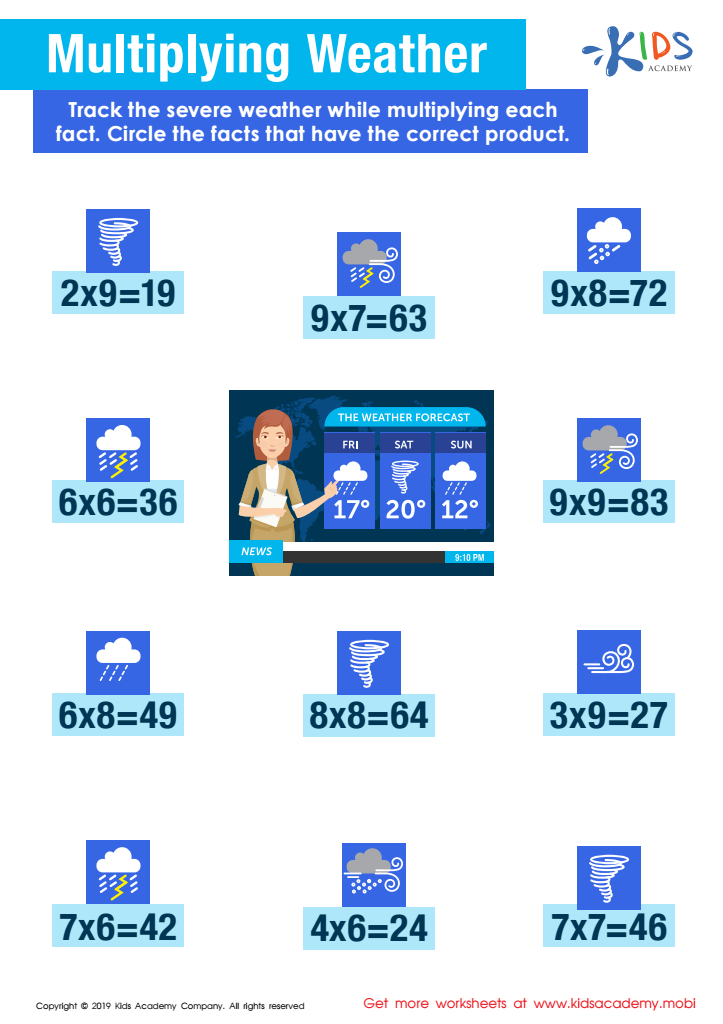
Multiplying Weather Worksheet
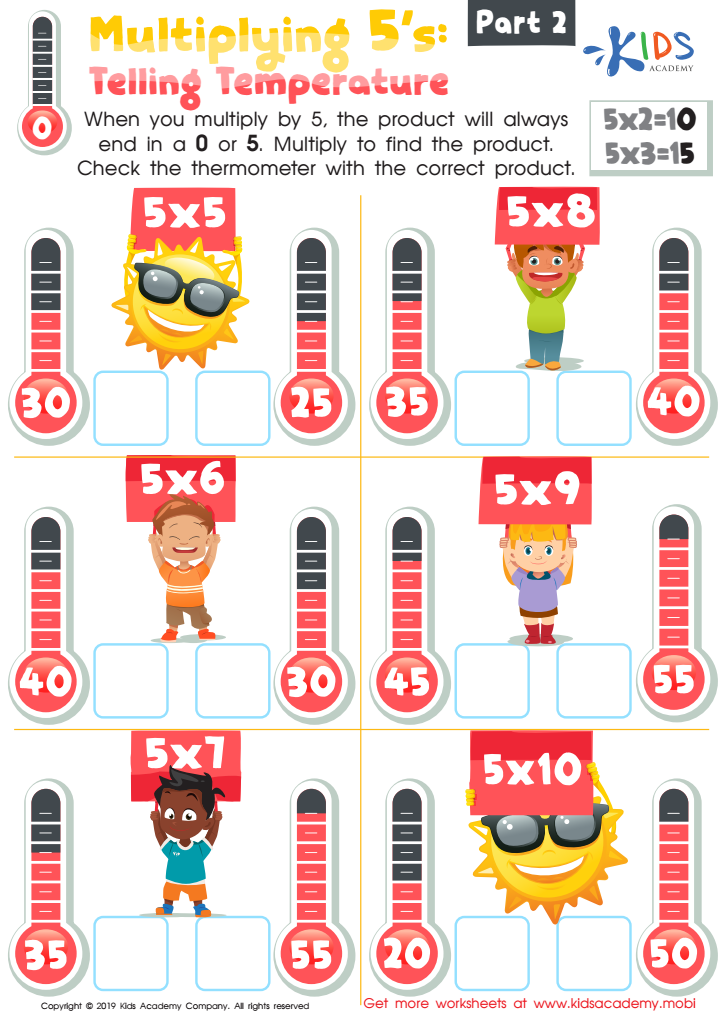
Multiplying 5’s: Telling Temperature Part 2 Worksheet
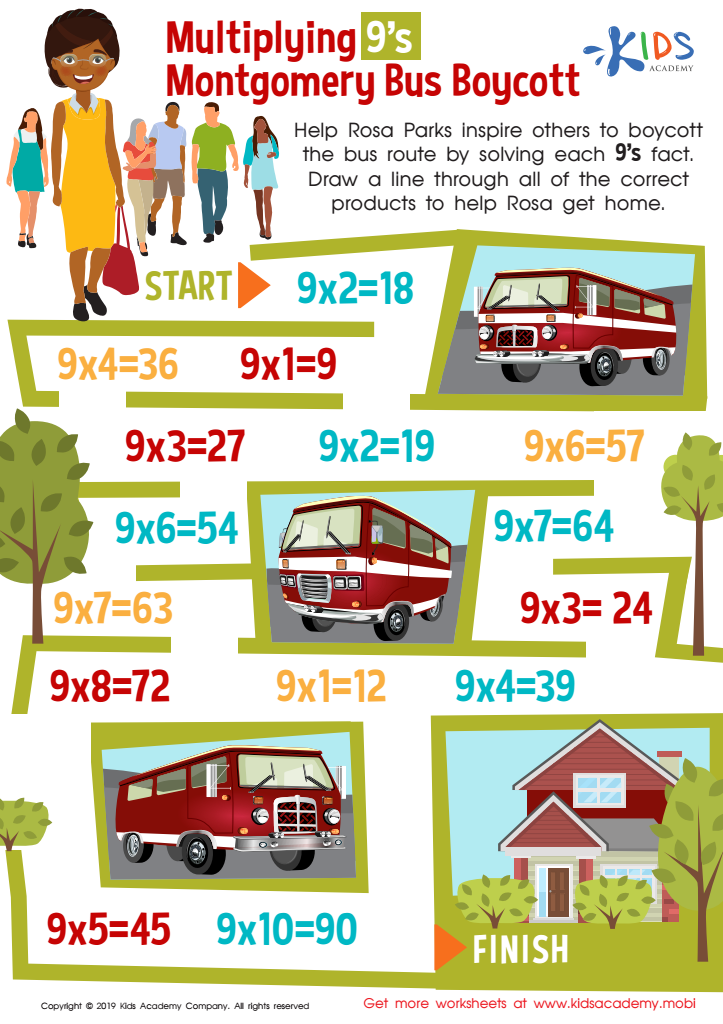
Multiplying 9’s Montgomery Bus Boycott Worksheet
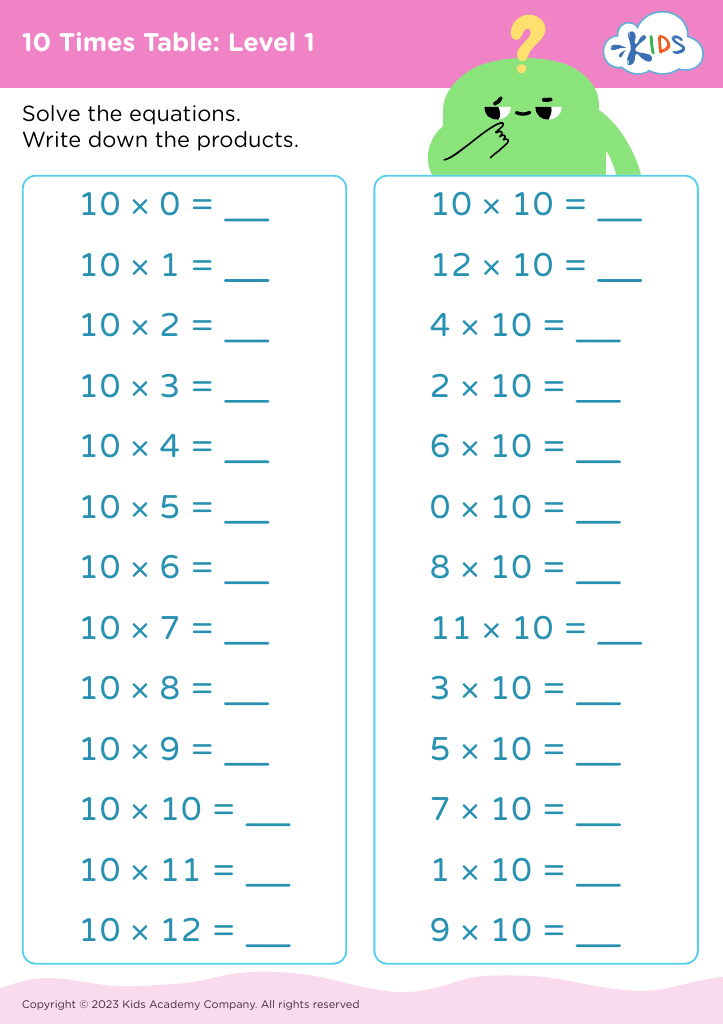
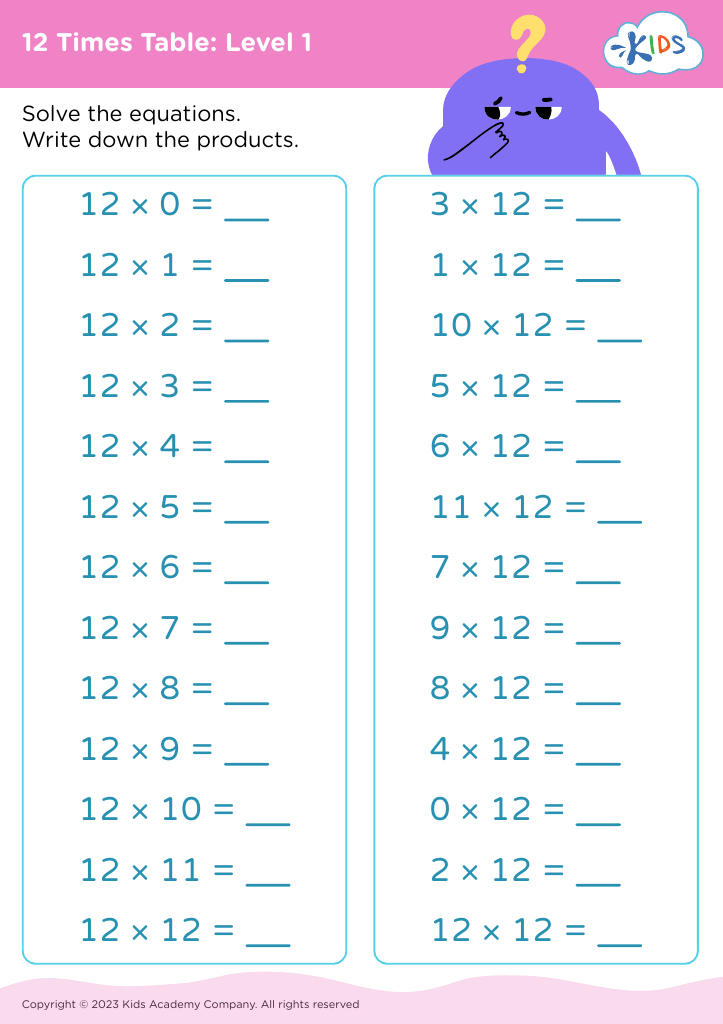
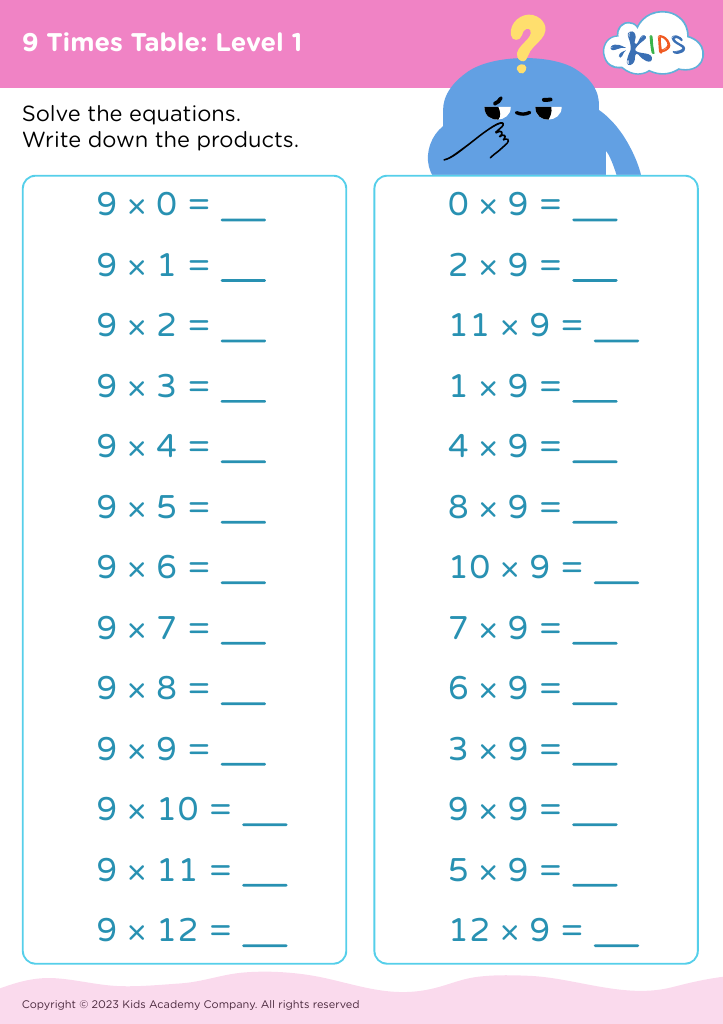








Understanding patterns in multiplication is essential for children aged 4-9 as it lays a foundational skill for mathematical reasoning and critical thinking. Patterns enable children to recognize relationships between numbers, fostering a deeper understanding of how multiplication works. When children identify patterns, such as the times tables, they develop the ability to predict outcomes and understand the concept of grouping—key elements of multiplication.
Moreover, recognizing patterns enhances problem-solving abilities. Children who understand that multiplying by 2 is essentially doubling can quickly calculate and apply their knowledge in various situations. This analytical skill translates into academic confidence, enabling children to tackle more complex mathematical challenges as they advance.
For parents and teachers, nurturing an appreciation for patterns not only equips children with essential academic skills but also promotes a positive attitude toward learning. Children who see patterns in numbers often enjoy math, leading to increased motivation and engagement. Overall, integrating patterns into early learning supports cognitive development, instills crucial life skills, and allows for a smoother transition into advanced mathematical concepts. By prioritizing this understanding, educators and parents contribute to children's overall academic success and lifelong enthusiasm for learning.








