Numbers up to 100 Worksheets for Ages 4-9 - Page 3
51 filtered results
-
From - To
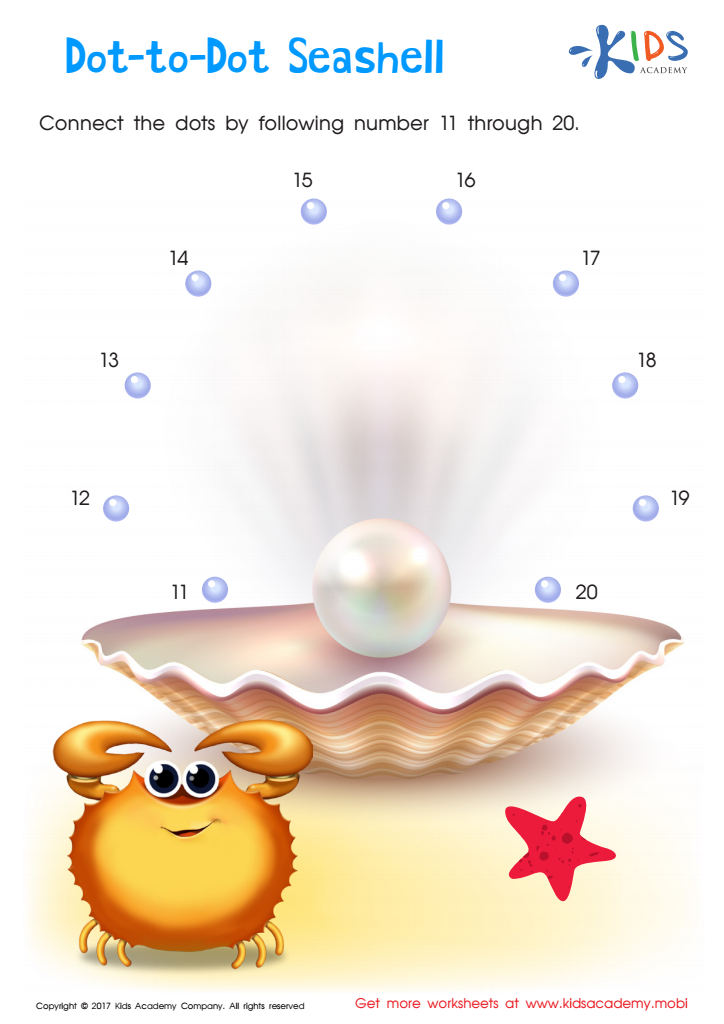
Ordering 11–20: Dot–to–dot Seashell Printable
 Assign to My Students
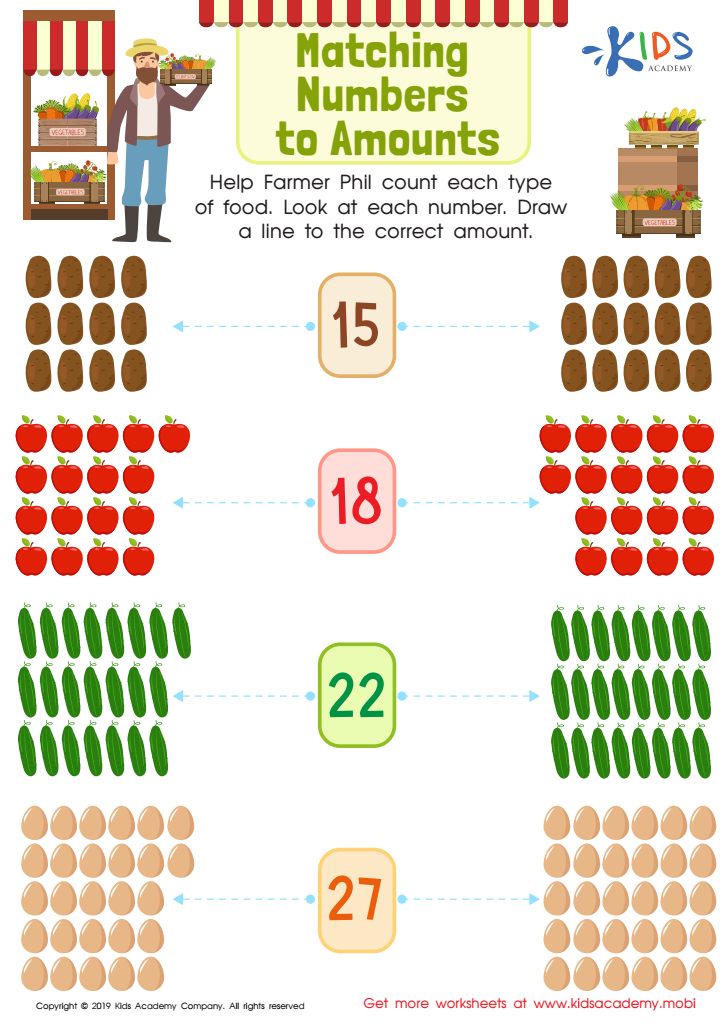
Matching Numbers to Amounts Worksheet

Counting on the City Skyline: Dot-to-Dot Worksheet








Understanding numbers up to 100 is crucial for children aged 4-9 as it forms the foundation of early mathematics skills that are vital for their academic development. When children grasp the concepts of counting, recognizing, and ordering numbers, they not only enhance their numeracy skills but also develop logical thinking and problem-solving abilities. Mastering numbers in this range helps build confidence, enabling children to tackle more complex mathematical concepts in the future.
For parents and teachers, emphasizing the importance of numbers up to 100 aligns with early learning benchmarks crucial for overall cognitive development. Familiarity with these numbers improves a child's ability to engage in everyday activities, such as shopping or sharing, fostering practical applications of mathematics. Additionally, as children learn to add, subtract, and understand basic concepts of place value within this range, they strengthen their critical skills and prepare for more advanced arithmetic.
Moreover, nurturing a positive relationship with numbers at a young age can foster a lifelong love for mathematics. Parents and teachers play a vital role in creating engaging learning experiences that make mathematics fun and relatable, thus ensuring children feel empowered in their mathematical journey.








