Basic Addition Reading Worksheets for Ages 4-9
6 filtered results
-
From - To
Welcome to our "Basic Addition Reading Worksheets for Ages 4-9" page! Designed to make learning fun and engaging, our worksheets help young learners master essential addition skills while improving their reading comprehension. Each exercise combines vibrant illustrations with relatable scenarios, enabling children to practice simple addition problems alongside captivating reading stories. These worksheets cater to different learning styles and levels, ensuring that every child finds joy in numbers. Perfect for homeschooling, early education, or supplemental practice. Enhance your child's math and literacy skills today with our easy-to-use and delightful worksheets that inspire learning and build confidence!
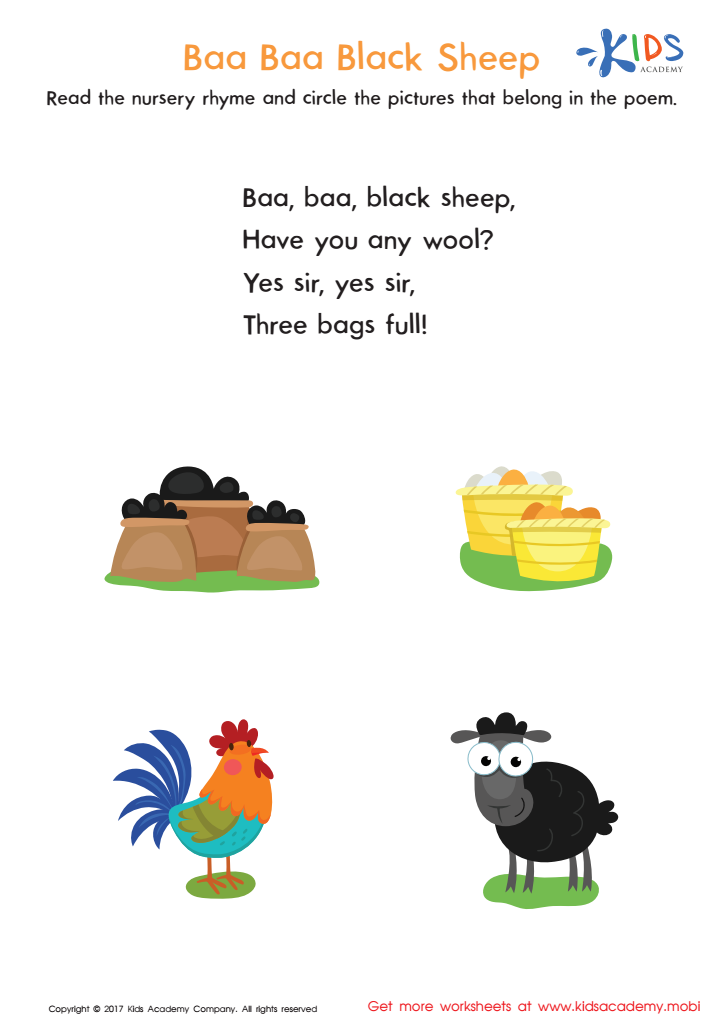
Baa Baa Black Sheep Printable
 Assign to My Students
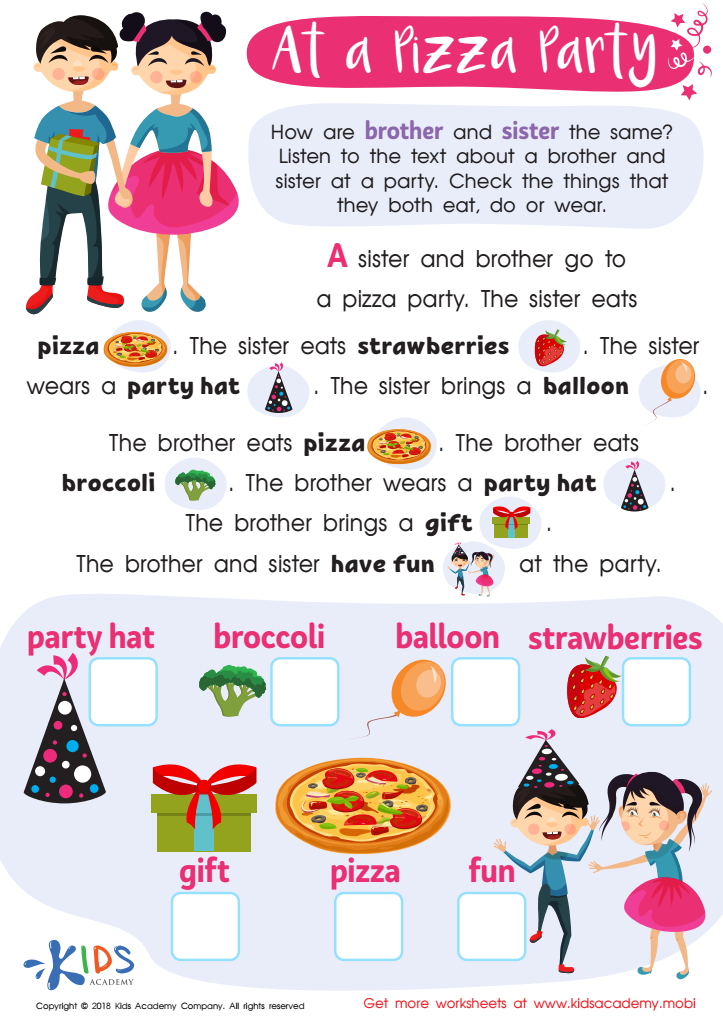
At a Pizza Party Worksheet
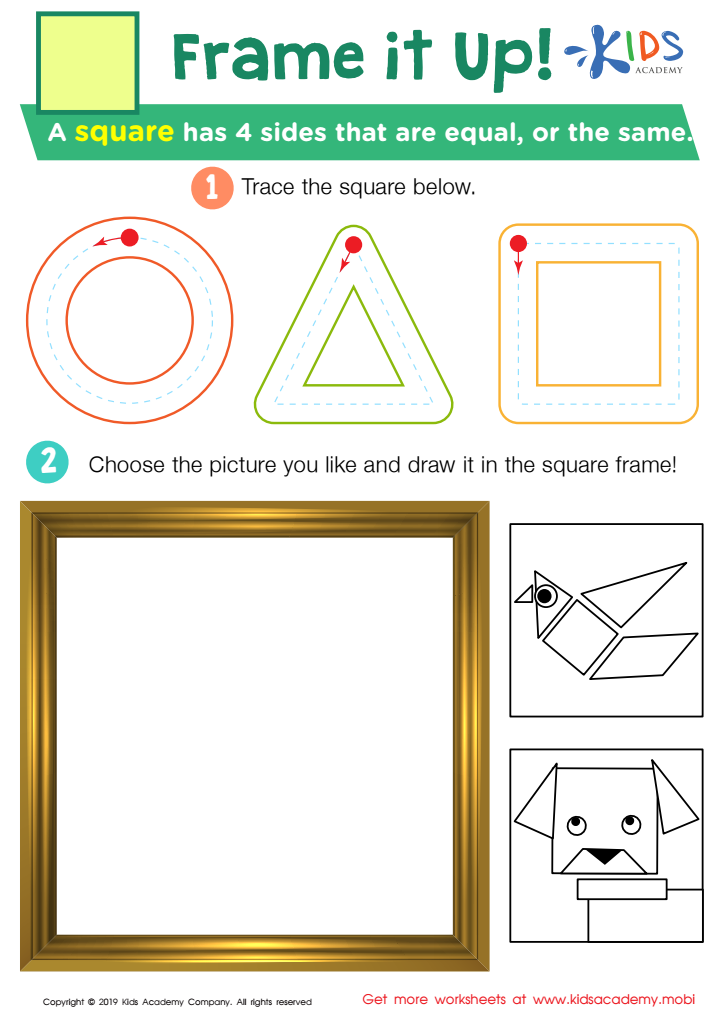
Frame it Up Worksheet
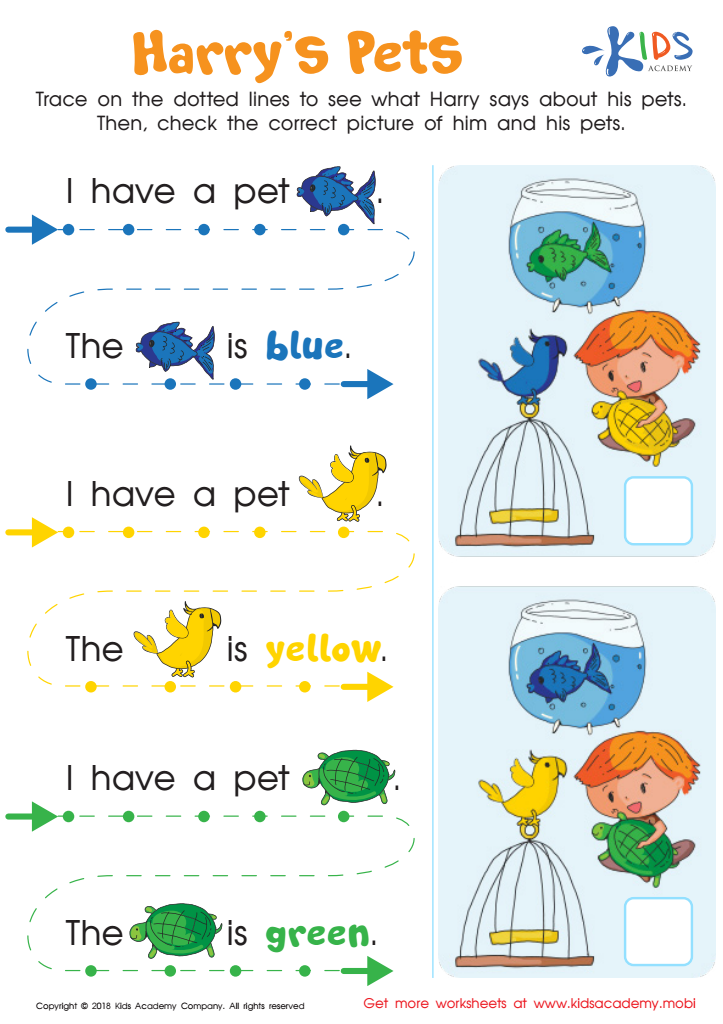
Read from Left to Right: Harry's Pets Worksheet






Basic addition reading is crucial for children aged 4-9 as it establishes a strong foundation for their numerical and literacy skills. During these early years, children develop critical cognitive abilities that support their future learning across subjects. Fostering these skills through engaging activities not only enhances their mathematical understanding but also promotes essential language development.
By focusing on addition reading, parents and teachers help children learn how to recognize numbers, comprehend basic concepts of quantity and value, and articulate their thought processes in a structured manner. This form of instruction lays the groundwork for more complex mathematical concepts they will encounter later in school.
Moreover, developing a positive attitude towards math from an early age can reduce anxiety surrounding the subject, making children more willing to engage with and explore mathematics as they grow. Encouraging basic addition reading fosters a supportive learning environment where children feel comfortable asking questions and expressing their understanding.
Ultimately, when parents and teachers actively involve themselves in teaching basic addition reading, they contribute to a child's confidence, longer-term academic success, and a lifelong appreciation for learning. This early investment in their education fuels curiosity and prepares them for the challenges of higher-grade math and beyond.








