Basic counting skills Reading Worksheets for Ages 4-9
4 filtered results
-
From - To
Explore our engaging Basic Counting Skills Reading Worksheets designed for children aged 4-9! These interactive resources combine fun and learning, making it easy for young learners to master essential counting concepts. Each worksheet presents colorful illustrations and enjoyable activities that enhance counting abilities while fostering reading skills. Perfect for preschool and early elementary students, our worksheets cater to different learning styles, ensuring that every child finds joy in their educational journey. Enhance classroom instruction or support home learning with these captivating materials that promote numeracy and literacy skills together. Encourage your child’s growth with our thoughtfully crafted worksheets today!
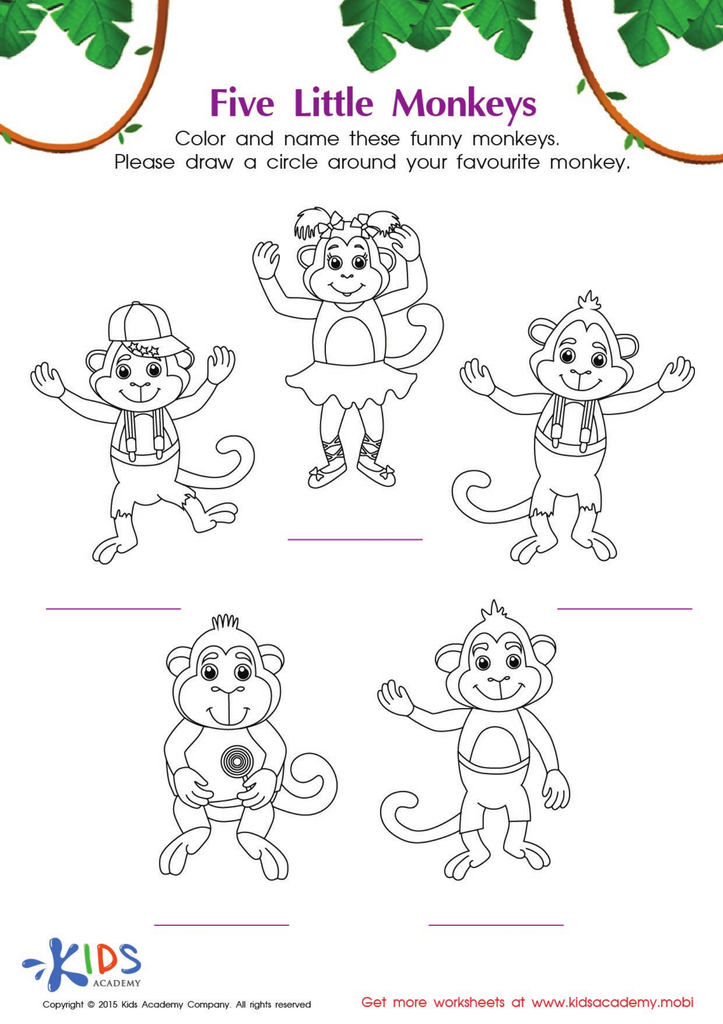
The Five Little Monkeys Coloring Worksheet
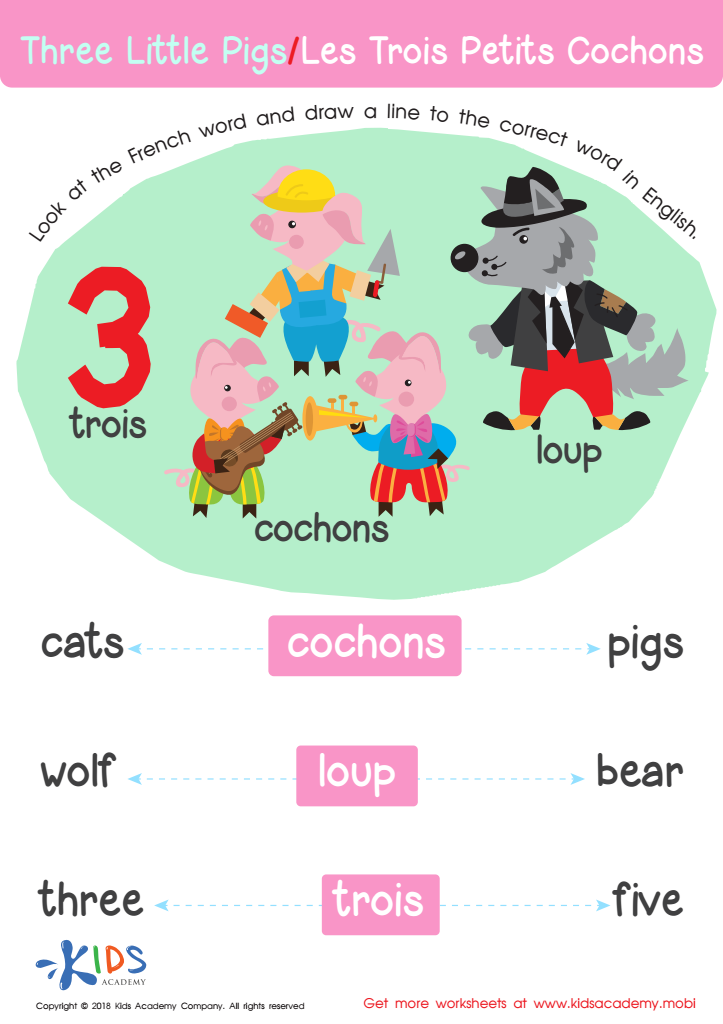
Three Little Pigs / Les Trois Petits Cochons Worksheet
 Assign to My Students
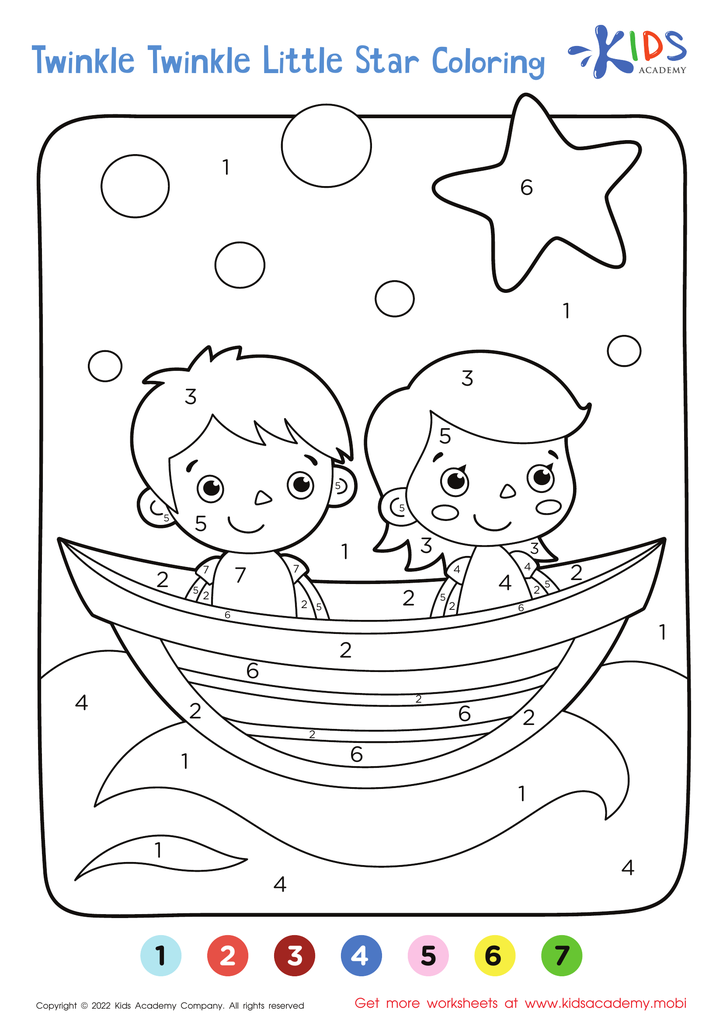
Twinkle, Twinkle, Little Star – Coloring by Numbers
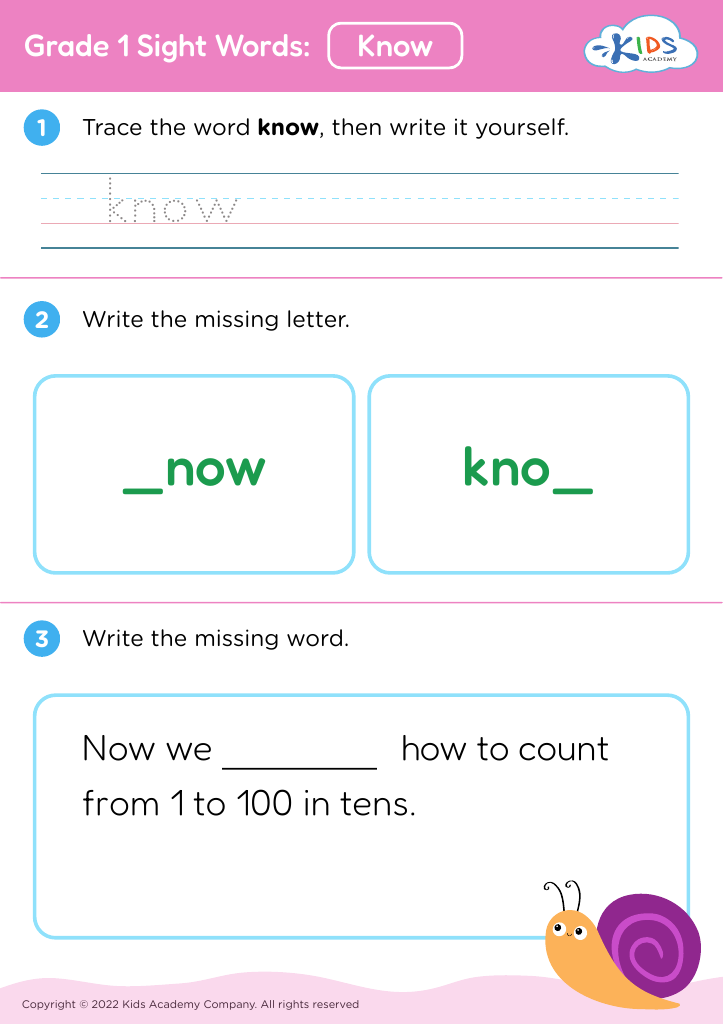


.jpg)





Basic counting skills are fundamental for children aged 4-9 as they lay the groundwork for numerical understanding and cognitive development. These skills foster early math literacy, which is essential for later academic success. By engaging in counting activities, children develop their ability to recognize numbers, understand quantities, and grasp the concept of one-to-one correspondence. This proficiency translates into confidence when tackling math-related tasks in school and daily life.
Moreover, counting skills intertwine with other developmental areas, including language and critical thinking. As children learn to count, they enhance their vocabulary by associating numbers with objects, forming sentences, and engaging in dialogues about quantity. This boost in language skills can improve reading comprehension, as children become familiar with numerical language found in stories and math problems.
Furthermore, developing counting skills early can cultivate a positive attitude toward math and learning in general. When parents and educators emphasize the importance of counting through games, songs, and interactive activities, they create a supportive environment that encourages curiosity and problem-solving. Ultimately, nurturing these basic skills ensures that children have the foundational competencies necessary for more advanced mathematical concepts, setting the stage for lifelong learning and success.








