Contextual understanding Reading Worksheets for Ages 4-9
12 filtered results
-
From - To
Enhance your child's reading skills with our Contextual Understanding Reading Worksheets, specifically tailored for ages 4-9. These worksheets focus on helping children grasp the meaning of texts through context clues, improving comprehension and critical thinking. With engaging activities and colorful illustrations, these resources make learning fun while encouraging kids to connect words with their meanings in different scenarios. Perfect for educators and parents alike, our worksheets promote literacy development in a playful, interactive way. Explore our extensive collection today, and empower your young learners to become confident readers who can navigate the world of language with ease!
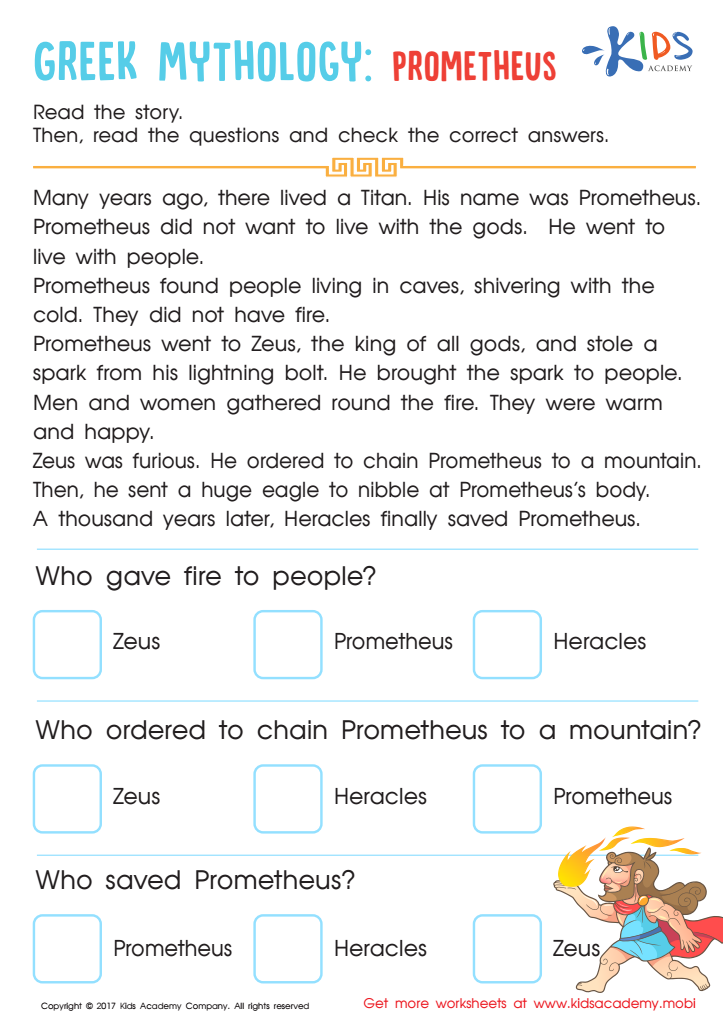
Prometheus Story Worksheet
 Assign to My Students
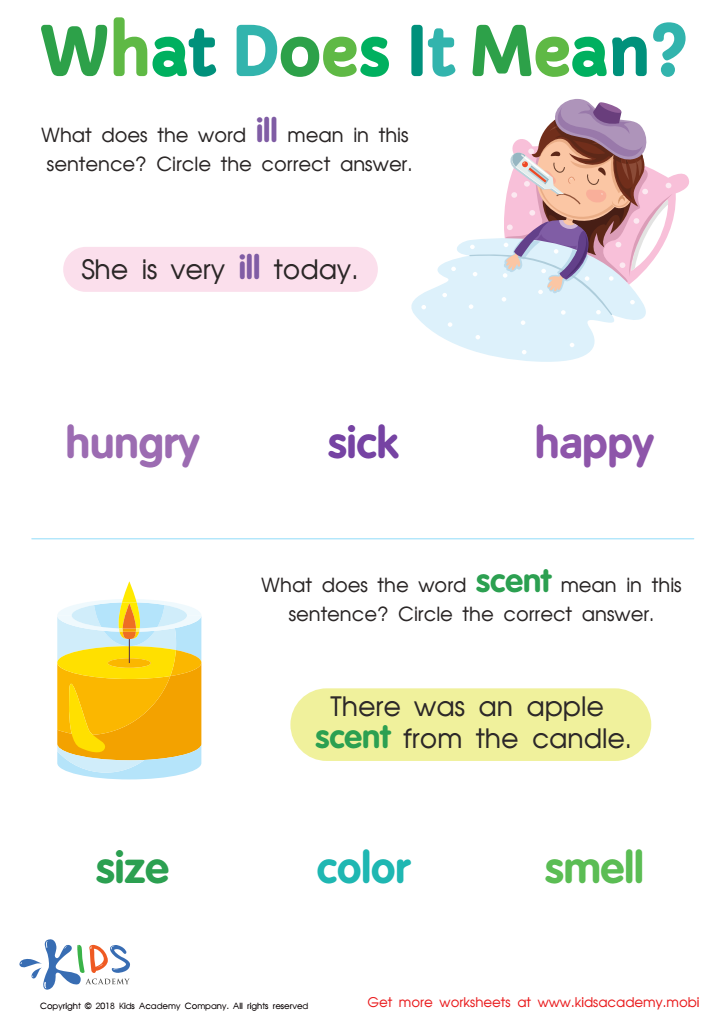
What Does It Mean? Worksheet
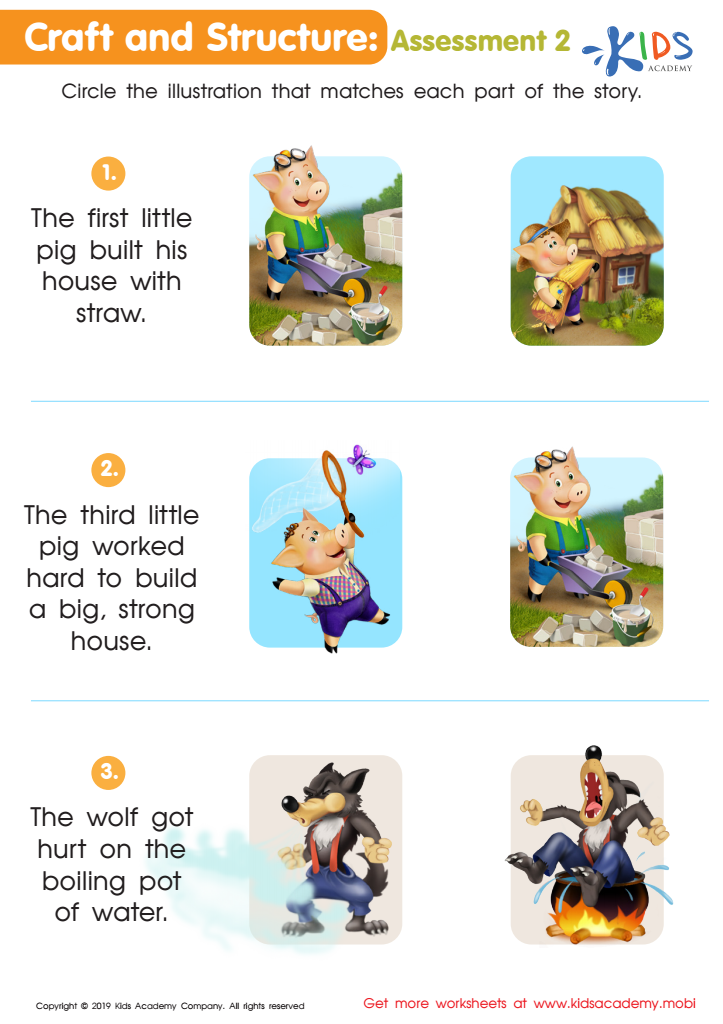
Craft and Structure: Assessment 2 Worksheet 2
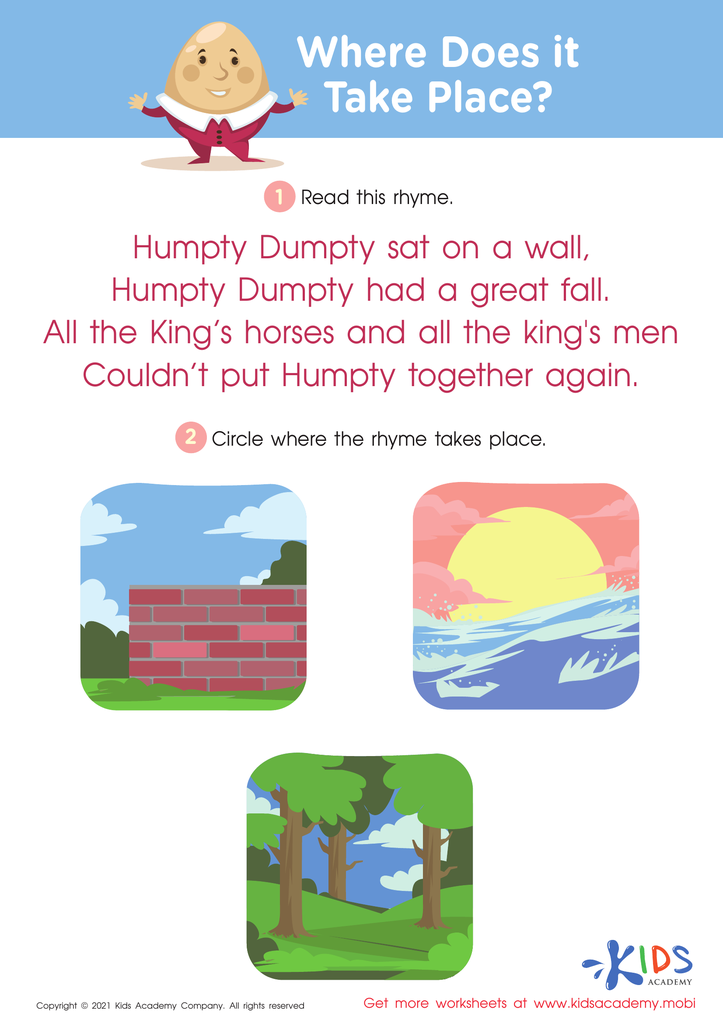
Where Does It Take Place? Worksheet
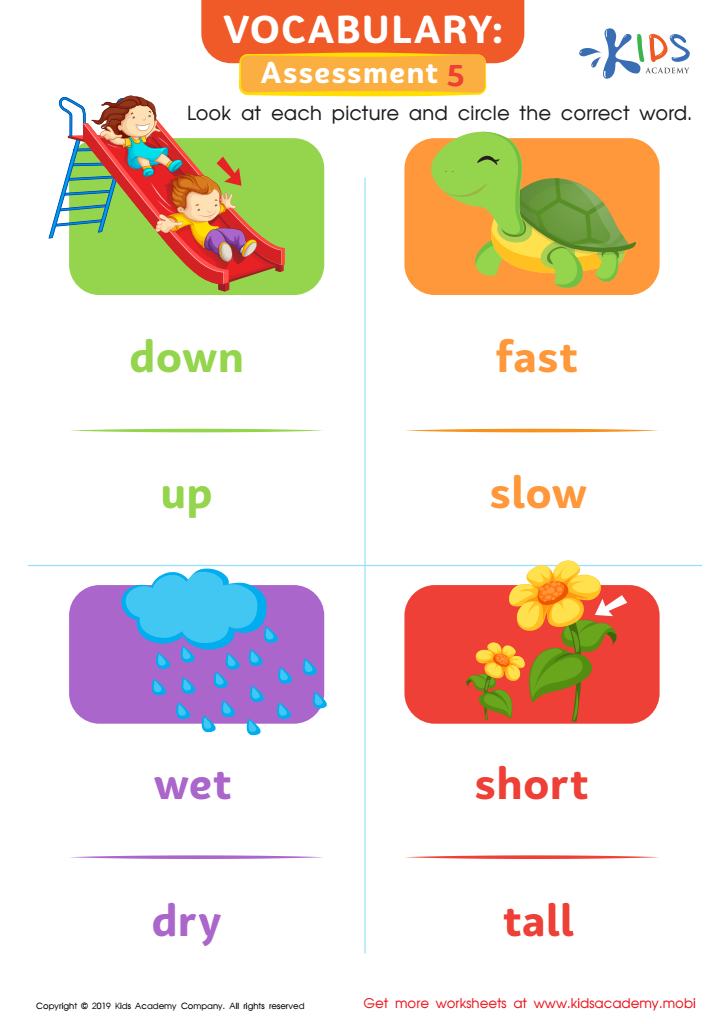
Vocabulary: Assessment 5 Worksheet
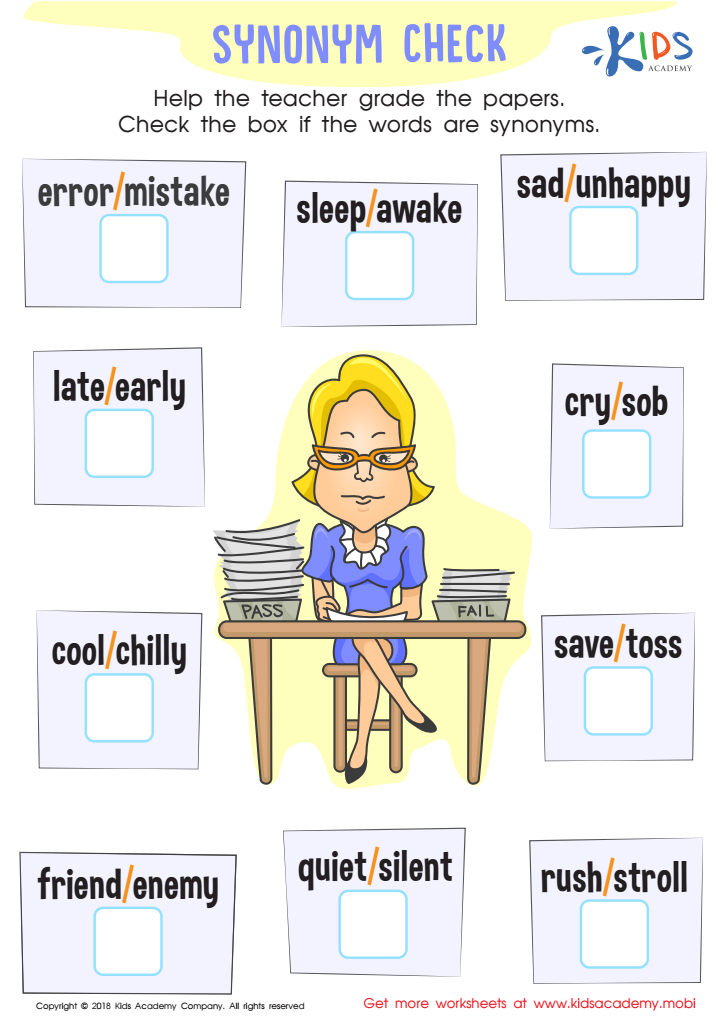
Synonym Check Worksheet
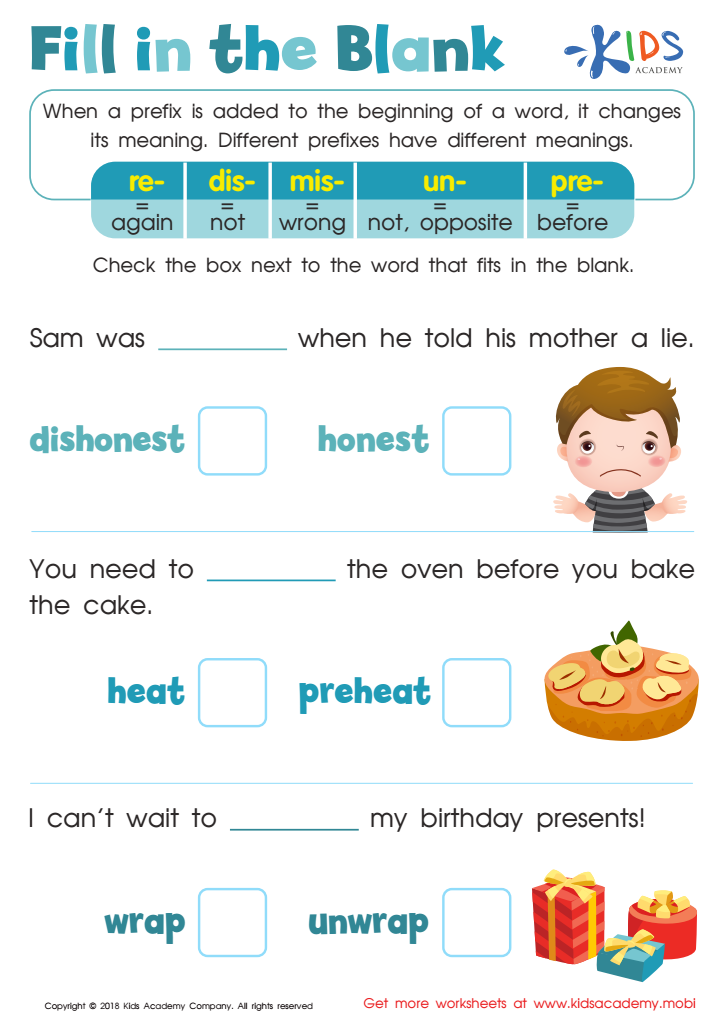
Reading: Fill in the Blank Worksheet
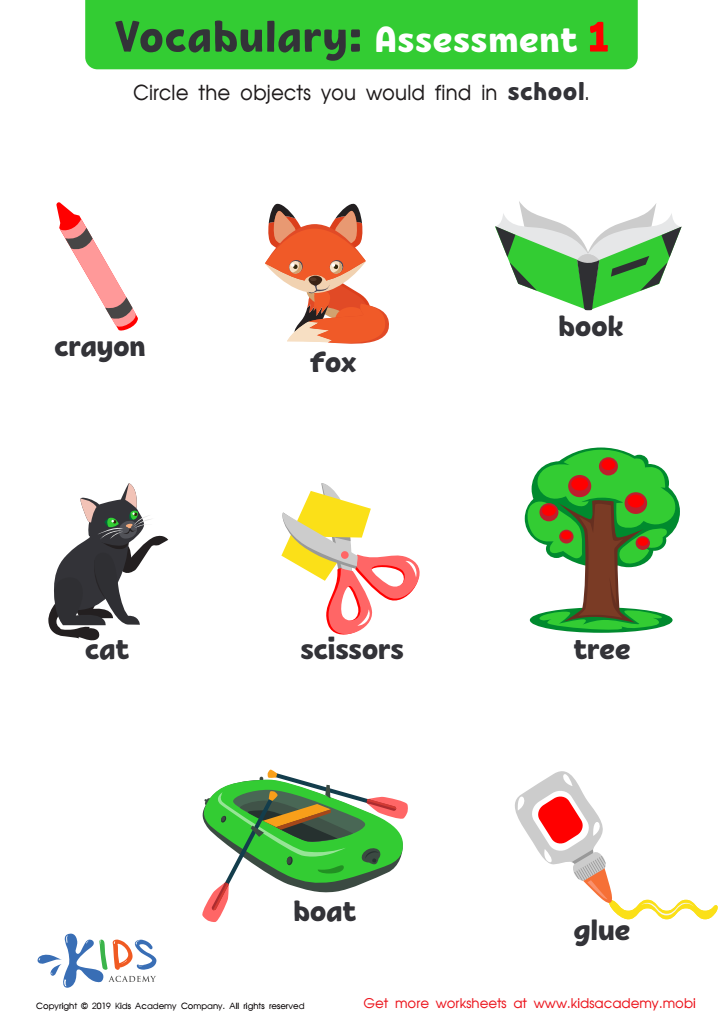
Vocabulary: Assessment 1 Worksheet
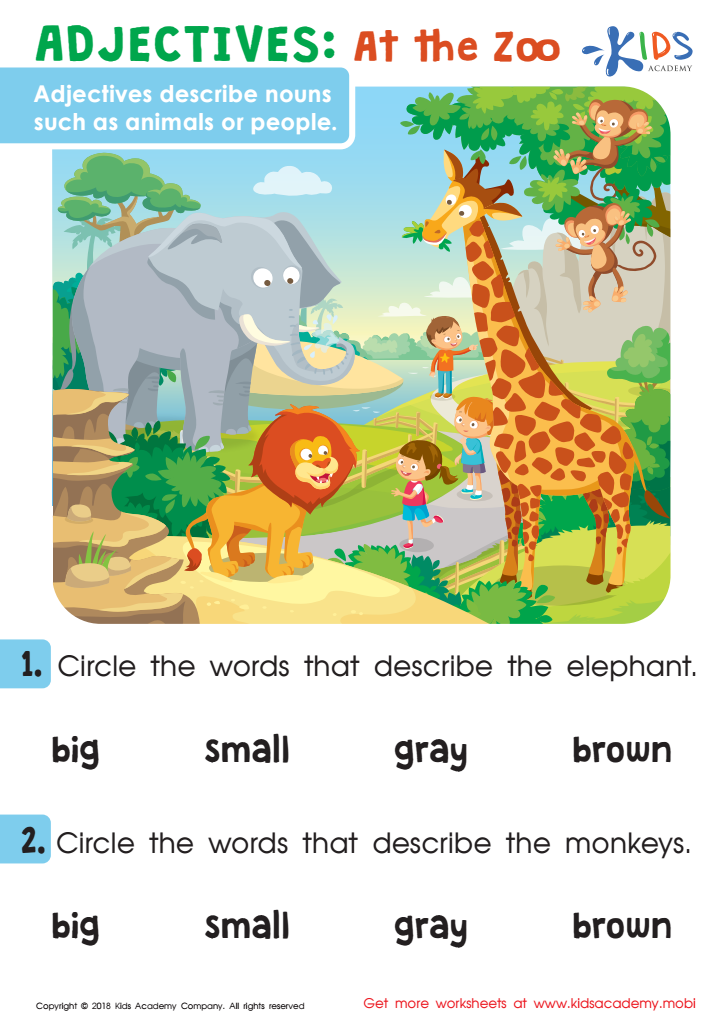
Adjectives: At The Zoo Worksheet
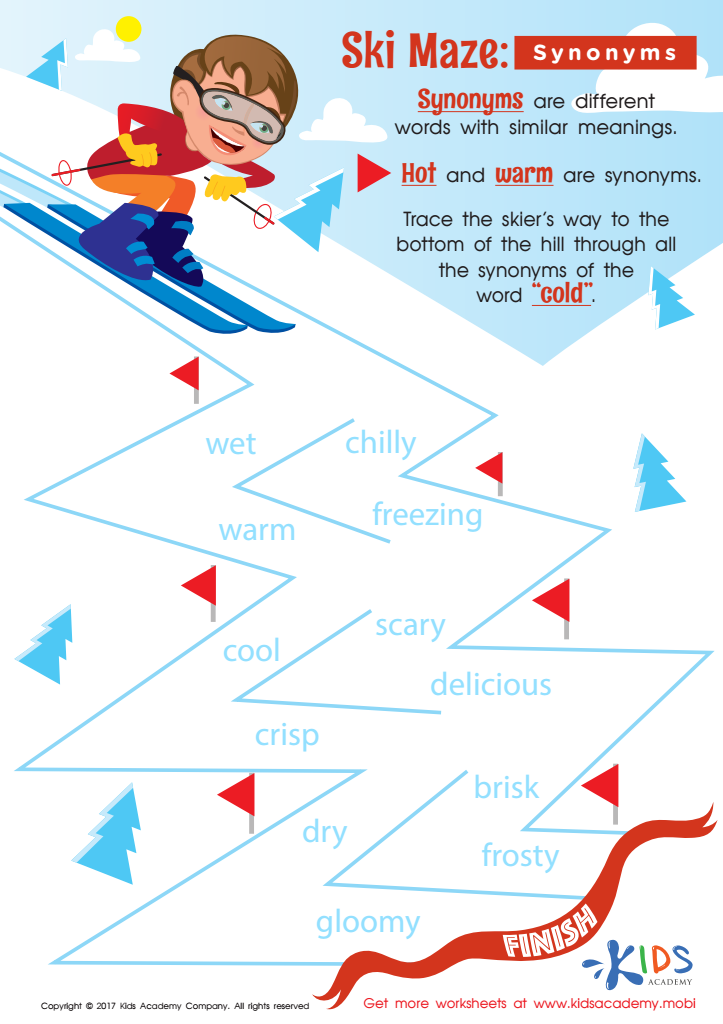
Free Printable Synonym Worksheet
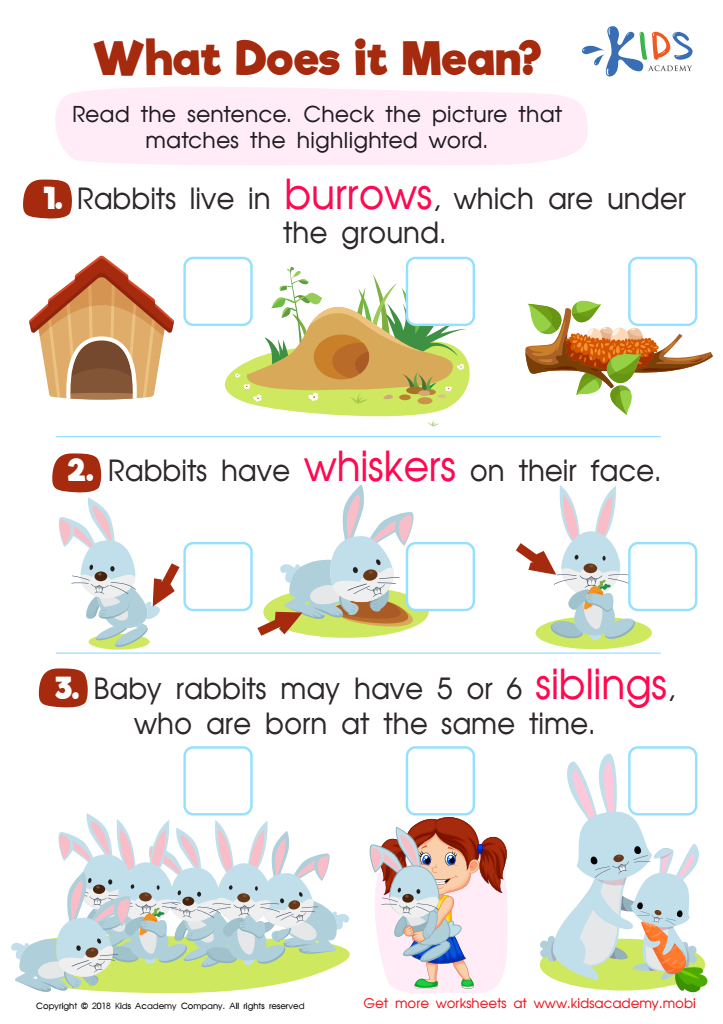
What Does It Mean? Worksheet
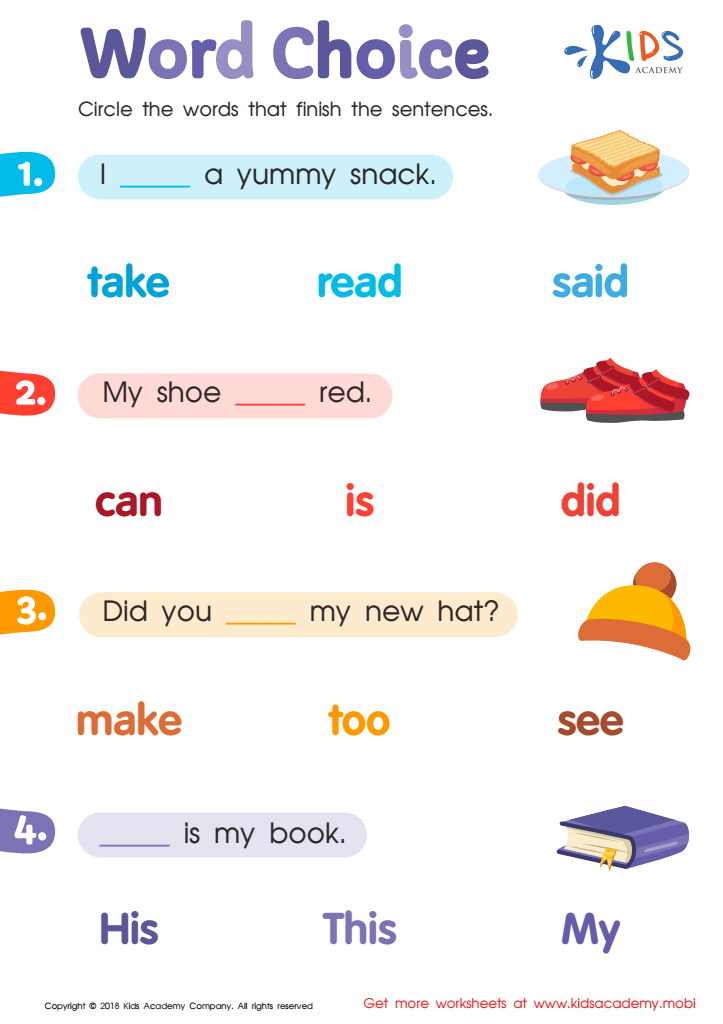
Word Choice Worksheet








Contextual understanding in reading is crucial for children aged 4-9 as it significantly enhances comprehension, critical thinking, and engagement. At this age, children are not only learning to decode words but also to grasp the meaning behind them. When parents and teachers focus on contextual understanding, they help children make connections between the text and their personal experiences, backgrounds, or the world around them. This connection allows for richer interpretations and a deeper appreciation of stories.
Moreover, children develop inferencing skills, which are essential for understanding subtleties in texts and recognizing the author’s intent. Engaging with context allows them to differentiate between literal and figurative language, fostering flexibility in their thinking.
Additionally, when children understand the context of a narrative or an informational text, they are more likely to be motivated to read and eager to learn. Parents and teachers can promote contextual understanding through discussions, questions, and activities that relate to children’s lives, making reading a more interactive and enjoyable experience. Encouraging this skill not only leads to improved literacy but also nurtures confident, thoughtful readers who are prepared for future academic success and lifelong learning.








