Hand-eye Coordination Reading Worksheets for Ages 4-9
9 filtered results
-
From - To
Boost your child’s reading capabilities with our Hand-eye Coordination Reading Worksheets designed for ages 4-9. These expertly crafted resources blend engaging reading exercises with activities that refine hand-eye coordination, essential for academic success and everyday tasks. Our worksheets feature age-appropriate content and fun visuals, helping young learners develop fine motor skills and improve their reading fluency. Ideal for both home and classroom use, these worksheets foster a balanced growth of literacy skills and physical coordination. Empower your child to read confidently and build strong foundational abilities with our comprehensive and enjoyable worksheets.
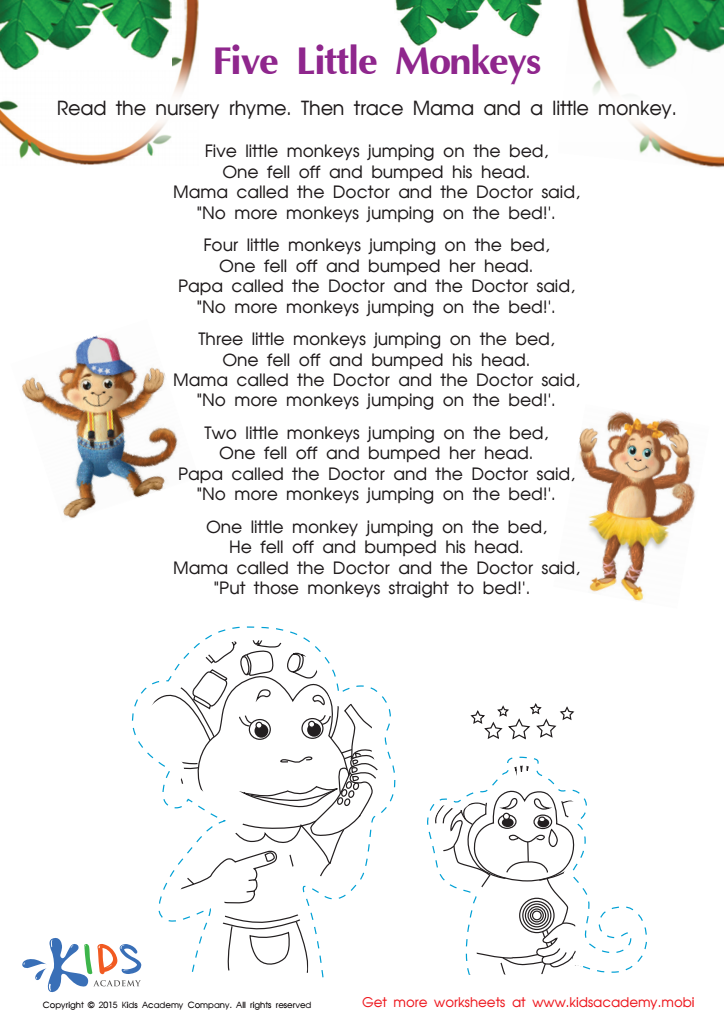
The Five Little Monkeys Nursery Rhyme Worksheet
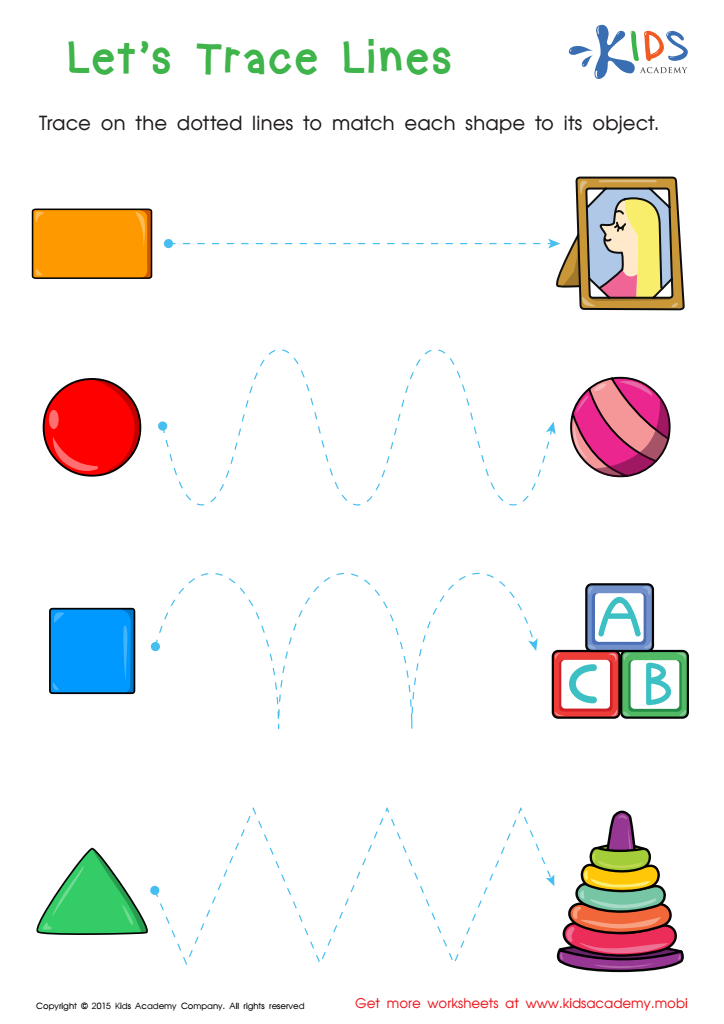
First Words: Let's Trace Lines Worksheet
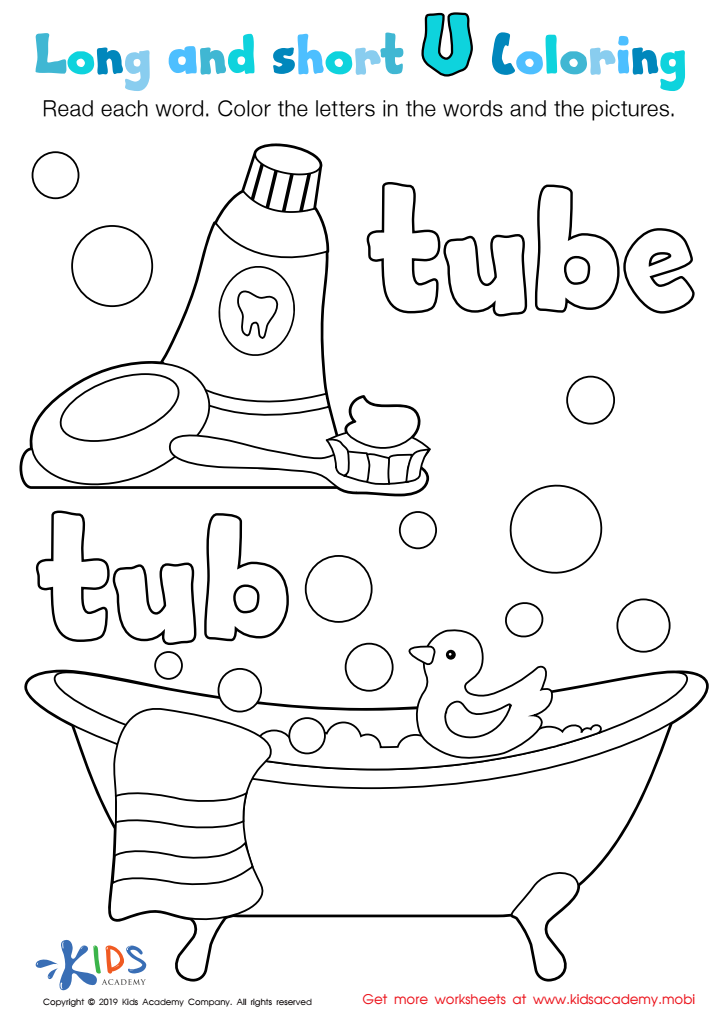
Long and Short U Worksheet
 Assign to My Students
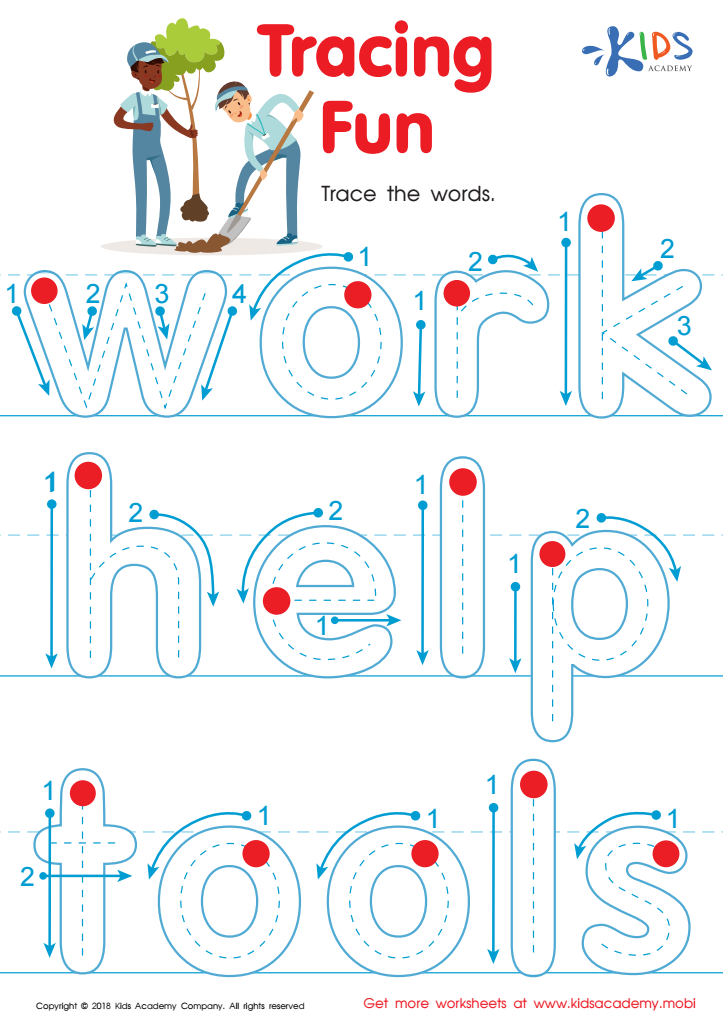
Tracing Fun Worksheet
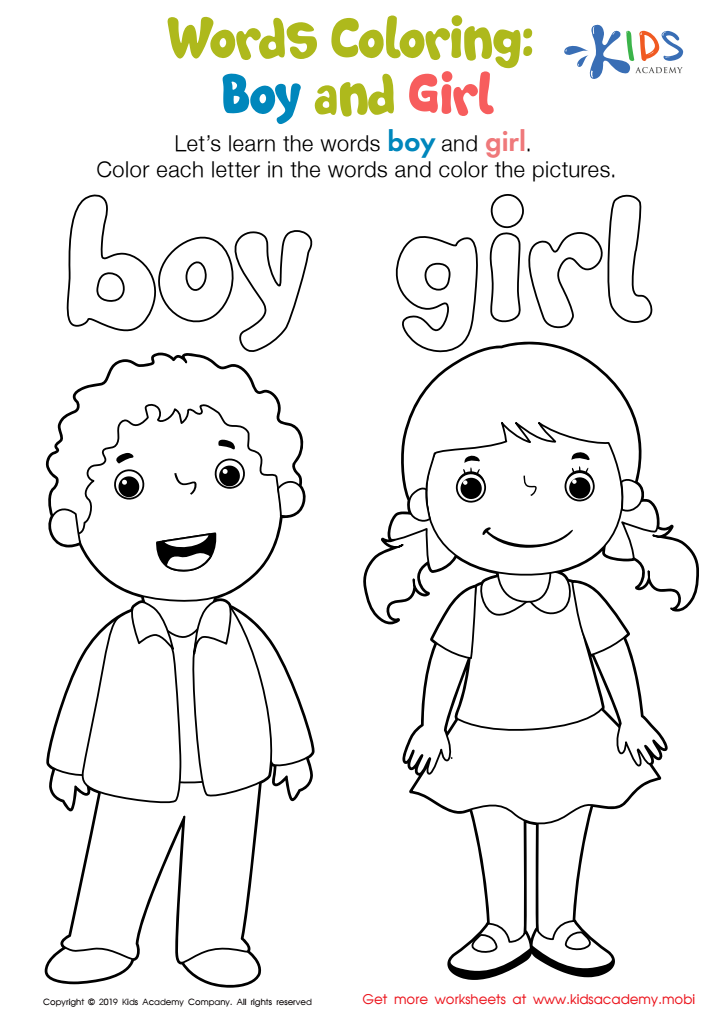
Boy and Girl Words Coloring Worksheet
Assign to My Students
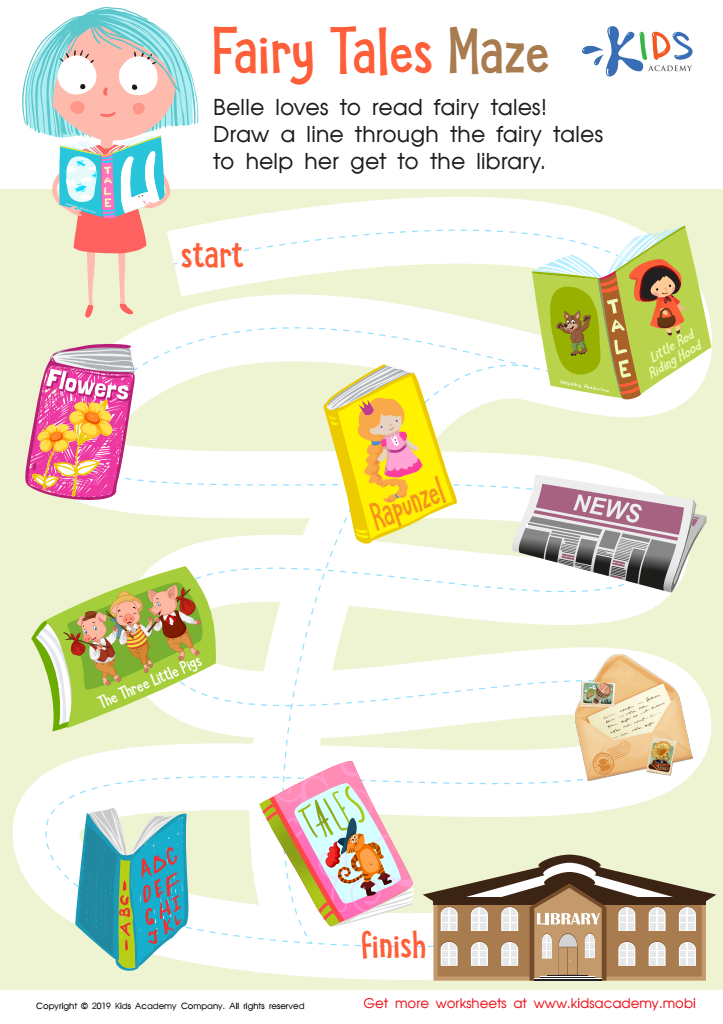
Fairy Tales Maze Worksheet

Long and Short E Worksheet
Assign to My Students


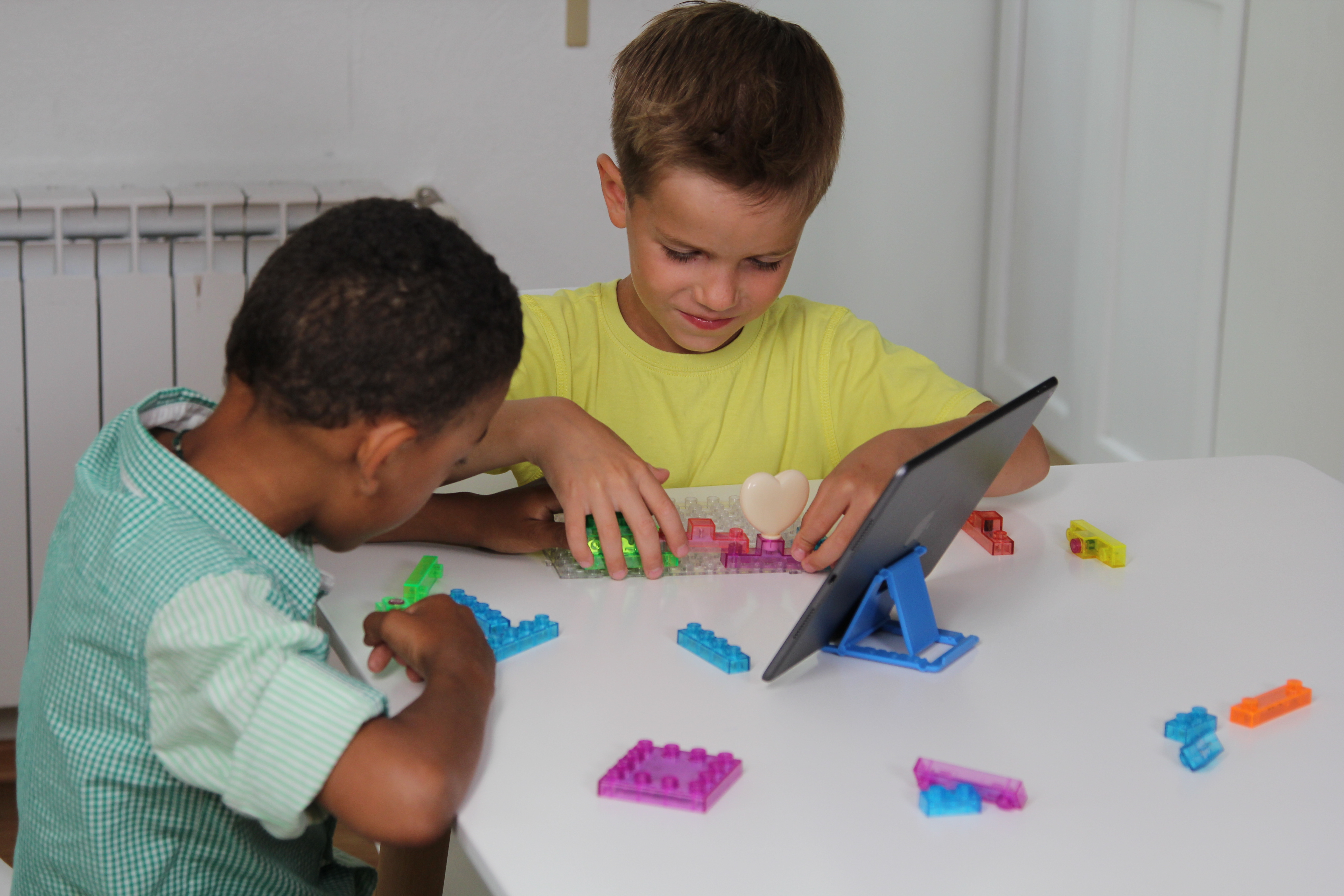





Hand-eye coordination is a crucial developmental skill, particularly in the formative years between ages 4-9, impacting a child's ability to read efficiently. At this stage, children are learning to blend physical and cognitive tasks, which hand-eye coordination involves, directly influencing their reading abilities.
Reading isn't merely about recognizing letters and words; it involves tracking text across a page, aligning visual input with hand movements as they point to words, and transitioning smoothly from one line to the next. Enhanced hand-eye coordination helps children focus on the text, reducing the struggle they may face when both moving their eyes and hands simultaneously. This seamless interaction aids in fostering better concentration, quicker comprehension, and improved literacy skills over time.
Furthermore, the development of hand-eye coordination boosts confidence in other academic and physical activities, promoting overall brain development. Skills such as writing, typing, and sports participation are interconnected with the same motor coordination and visual processing foundations.
By focusing on hand-eye coordination through various playful and educational activities, parents and teachers can provide children with essential tools for academic success and create a more engaging, supportive learning environment. Ultimately, nurturing this critical skill helps to prevent possible frustrations linked with reading difficulties, ensuring smoother educational and developmental progress.








