Multiplication practice Reading Worksheets for Ages 4-9
5 filtered results
-
From - To
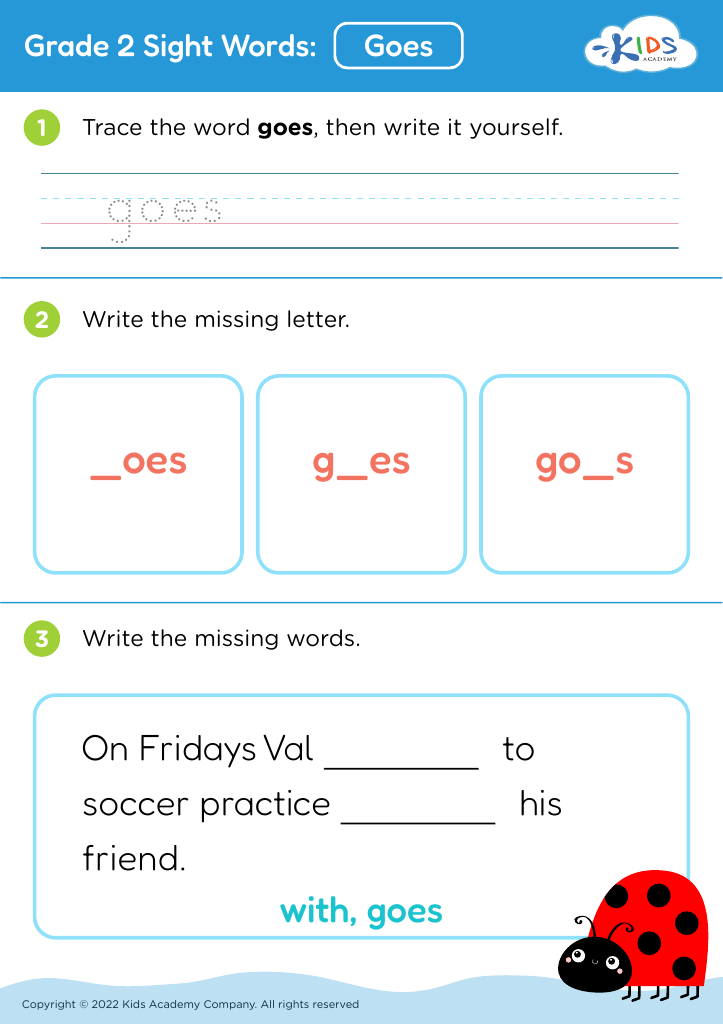
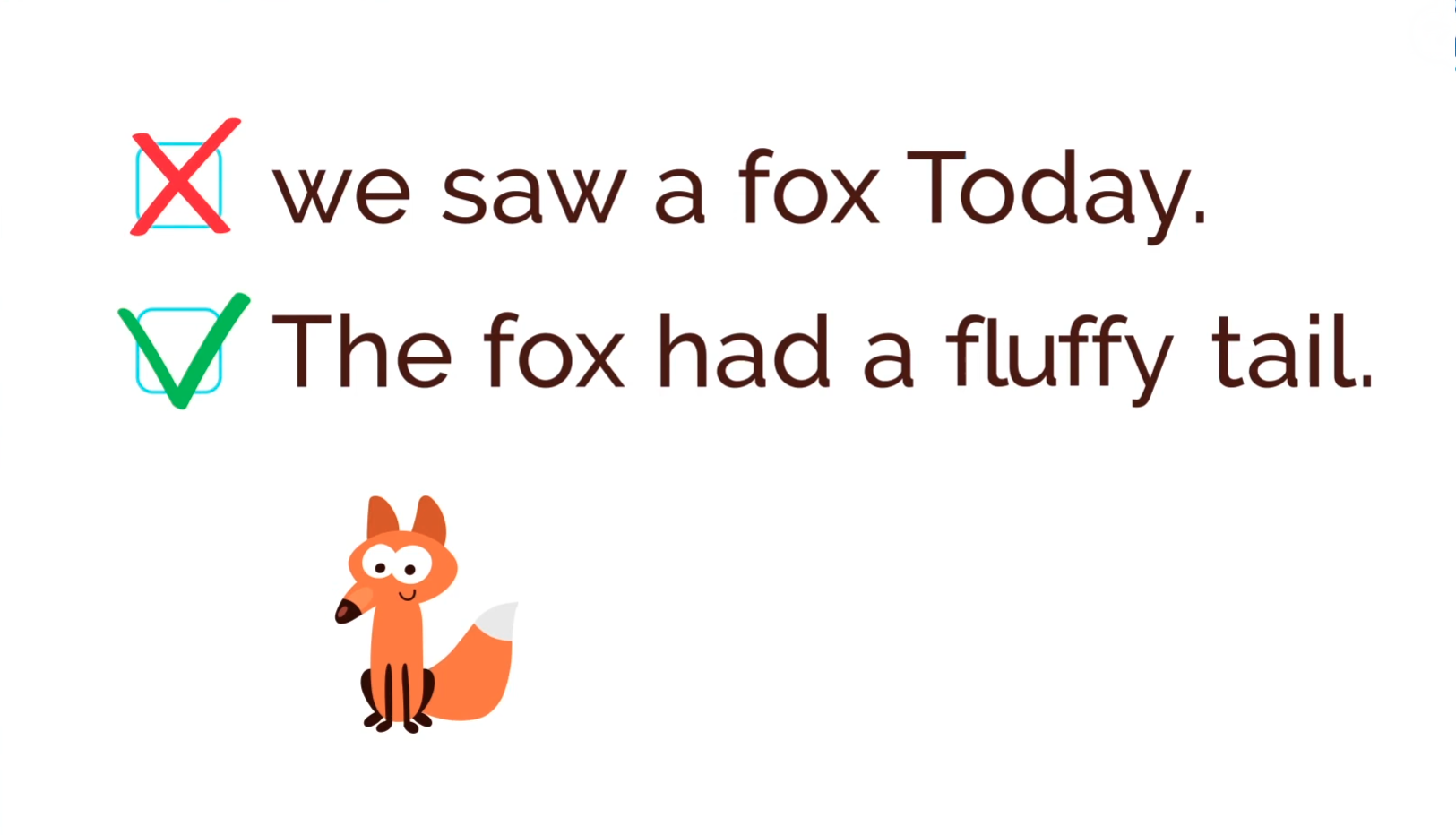
Enhance your child's multiplication skills with our engaging Multiplication Practice Reading Worksheets designed for ages 4-9. These worksheets combine essential reading and math skills, making learning fun and interactive. Children will improve their multiplication knowledge through creative exercises that reinforce both comprehension and numerical fluency, perfect for early learners. Each worksheet features vibrant illustrations, clear instructions, and a variety of activities to cater to different learning styles. Foster a love for math and language while building confidence in your child's abilities. Start empowering young learners today with targeted practice that sets the foundation for lifelong success in mathematics!







Multiplication practice and foundational math skills are essential for children aged 4-9, as they set the stage for mathematical understanding and problem-solving abilities. During this pivotal stage, children develop cognitive procedures that support higher-order thinking. Engaging in multiplication practice helps children establish an understanding of numbers and their relationships, building a strong frame of reference for future mathematical concepts.
Moreover, reinforcement through engaging reading materials can enhance literacy and numeracy simultaneously. Picture books and fun stories intertwined with multiplication can captivate young minds, making learning a more enjoyable experience. When lessons incorporate relatable scenarios in which multiplication is used, they not only solidify the concept but also empower children to see math's relevance in everyday life.
Both teachers and parents play a vital role in this developmental process. They can create a supportive environment that fosters curiosity and confidence in math, encouraging children to explore and practice without fear of making mistakes. By focusing on multiplication practice, parents and teachers are not just teaching children how to multiply, but they are also equipping them with essential skills that enhance overall academic performance and support lifelong learning. Ultimately, it builds a strong foundation for math fluency essential for future education and challenge.








