
Recognizing Patterns Reading Worksheets for Ages 4-9
5 filtered results
Difficulty Level
Grade
Age
-
From - To
Subject
Activity
Standards
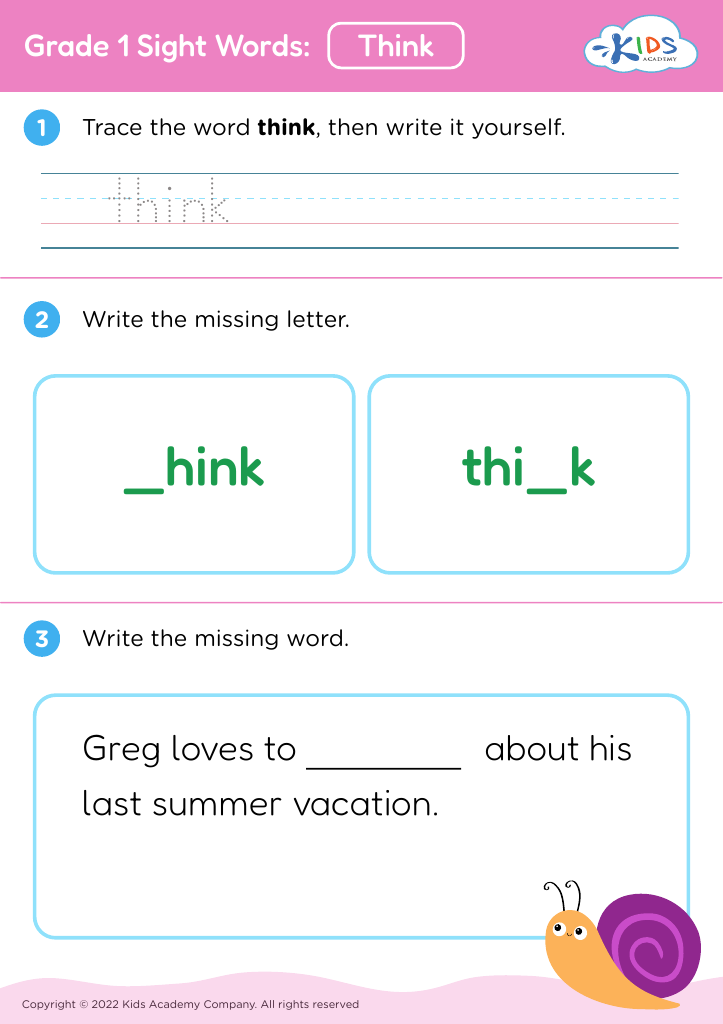
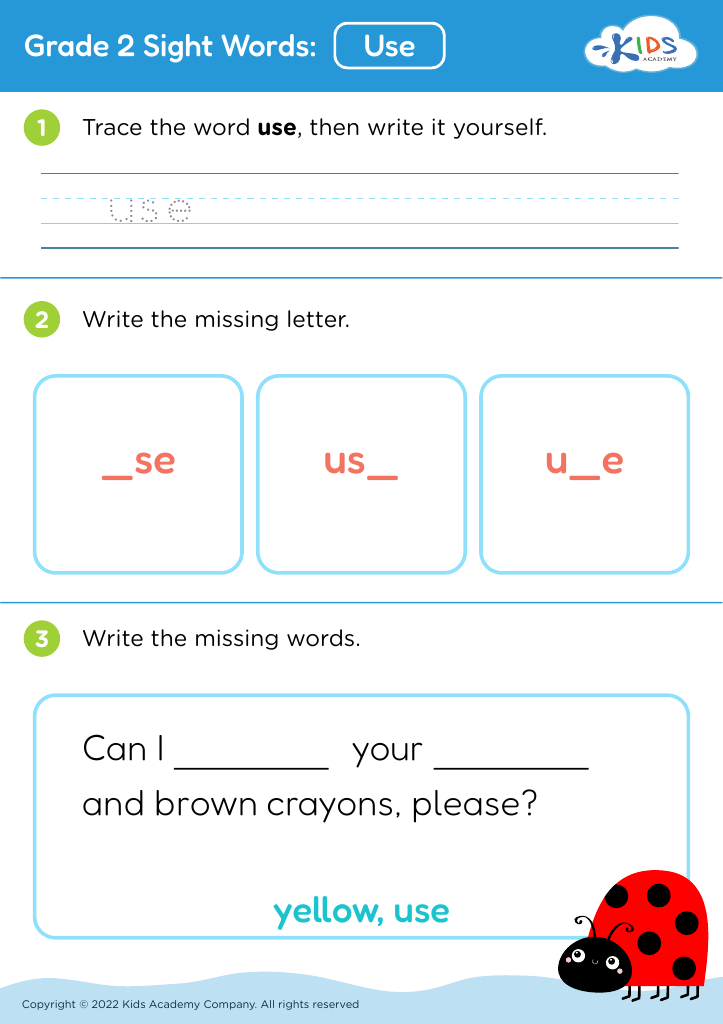
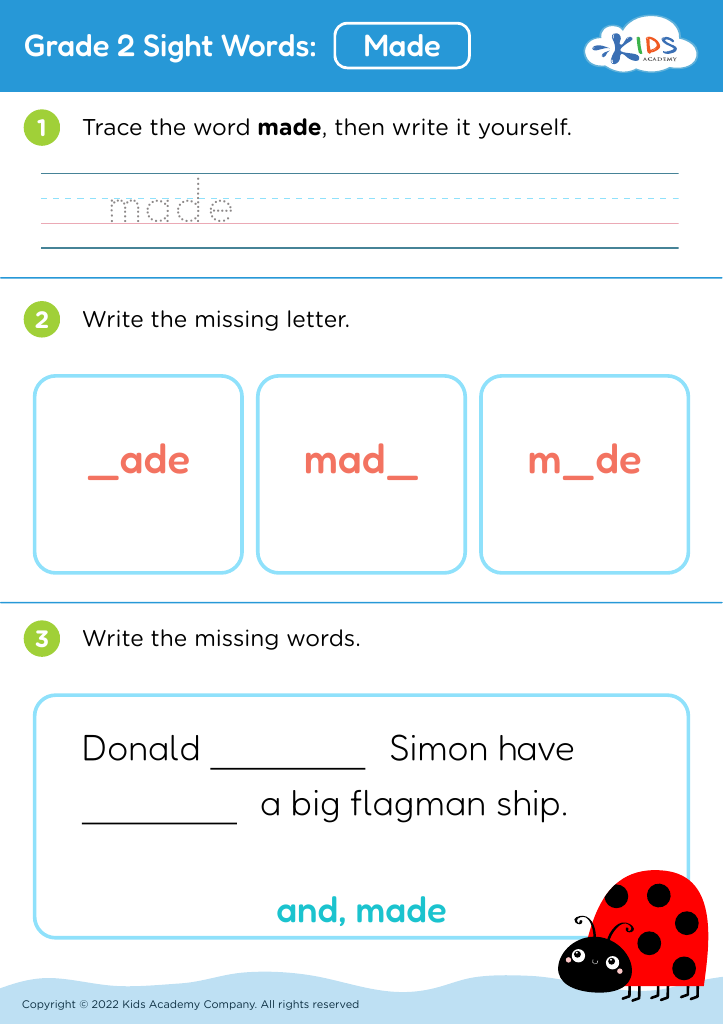
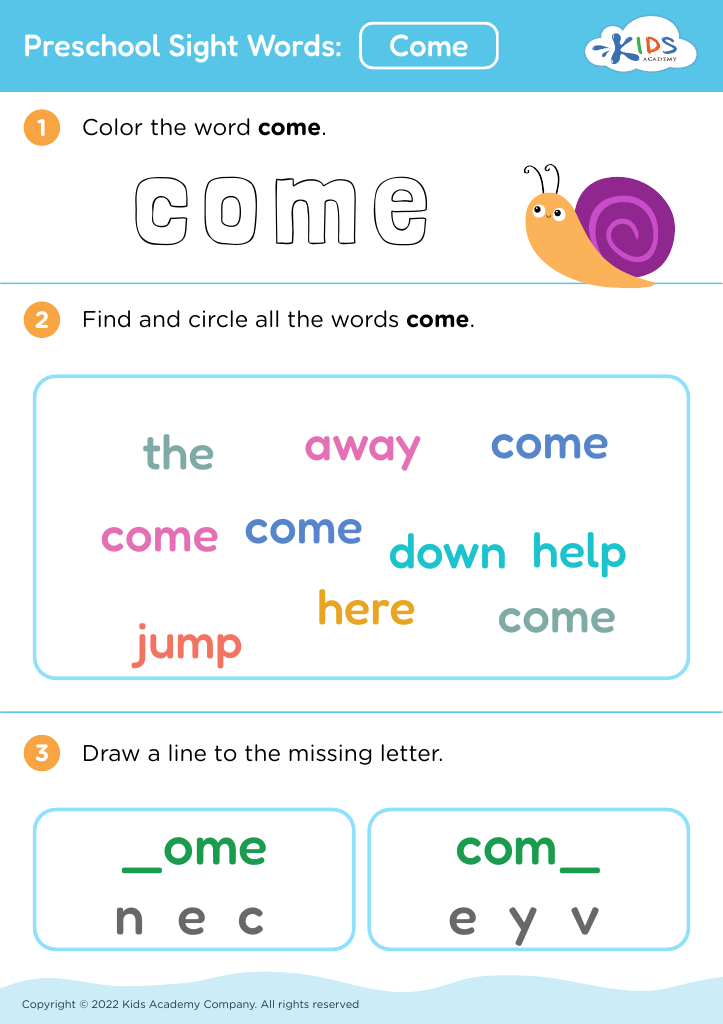
Discover a delightful range of "Recognizing Patterns Reading Worksheets" designed for children aged 4-9! These engaging worksheets promote essential reading skills through fun activities that encourage kids to identify and understand patterns in text. Tailored for young learners, our worksheets enhance cognitive abilities, boost vocabulary, and foster a love for reading. Each activity is thoughtfully crafted to align with early literacy standards, making it easy for parents and educators to support children's reading development. Whether at home or in the classroom, these worksheets provide the perfect tools for unlocking the power of patterns in reading, helping to build a strong foundation for future learning.
Favorites
With answer key
Interactive
Join Kids Academy for Free
Who is primarily going to use this learning content?






Recognizing patterns in reading is a foundational skill crucial for children aged 4-9, as it lays the groundwork for their literacy development. Parents and teachers should prioritize this skill because it enhances children's comprehension abilities, vocabulary acquisition, and problem-solving strategies. By identifying patterns, children can make predictions about text, which fosters critical thinking and encourages active engagement with reading materials.
Furthermore, recognizing patterns helps children become more confident readers. As they learn to decode repetitive structures and rhymes, they develop fluency, making reading a more enjoyable and rewarding experience. This boosts their motivation and interest in literature, encouraging a lifelong love for reading.
In addition, pattern recognition aids children in drawing connections among various concepts, enhancing their overall cognitive development. This skill supports mathematical understanding as well, with similarities between recognizing patterns in math and literacy.
Ultimately, when parents and educators emphasize the importance of recognizing patterns, they equip children with essential tools for successful learning across subjects. This holistic approach nurtures well-rounded individuals who are prepared to tackle more complex ideas in the future, setting the stage for academic achievement and personal growth.








