Understanding habitats Reading Worksheets for Ages 4-9
3 filtered results
-
From - To
Unlock your child's curiosity with our "Understanding Habitats" reading worksheets designed for ages 4 to 9! These engaging worksheets introduce young learners to various ecosystems, from forests and oceans to deserts and wetlands. Each activity focuses on enhancing reading comprehension while exploring the unique characteristics of different habitats and the species that inhabit them. Interactive questions and vibrant illustrations help spark conversations about nature and wildlife, fostering a love for the environment. Perfect for classrooms or homeschooling, these worksheets promote critical thinking, vocabulary enrichment, and a deeper understanding of the world around us. Explore the wonders of habitats today!
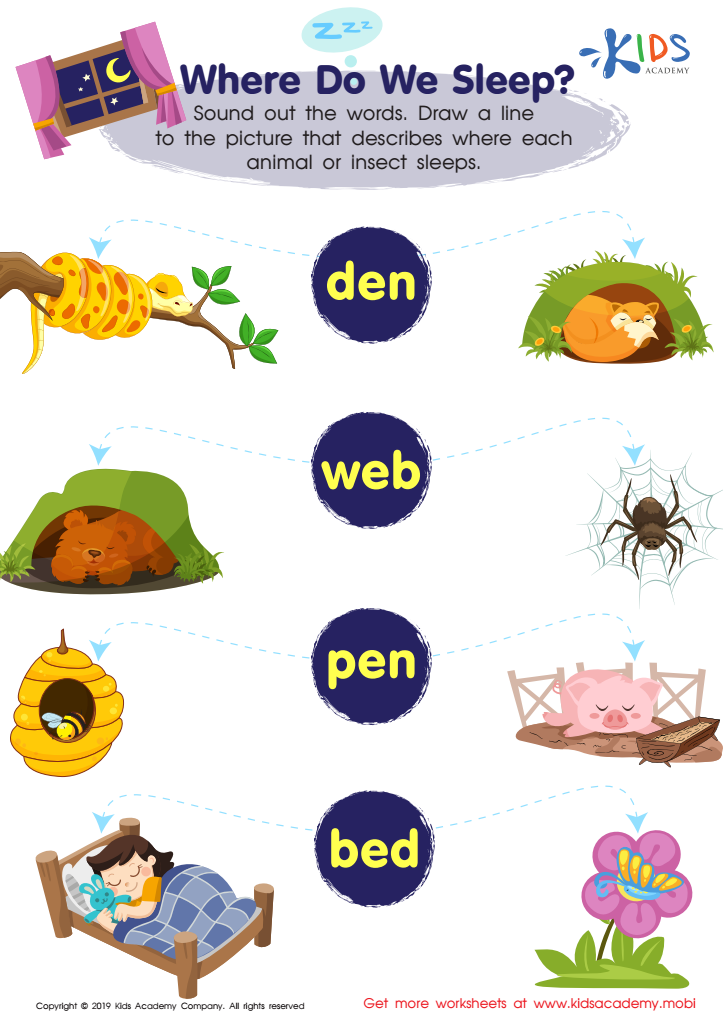
Where Do We Sleep Worksheet
 Assign to My Students
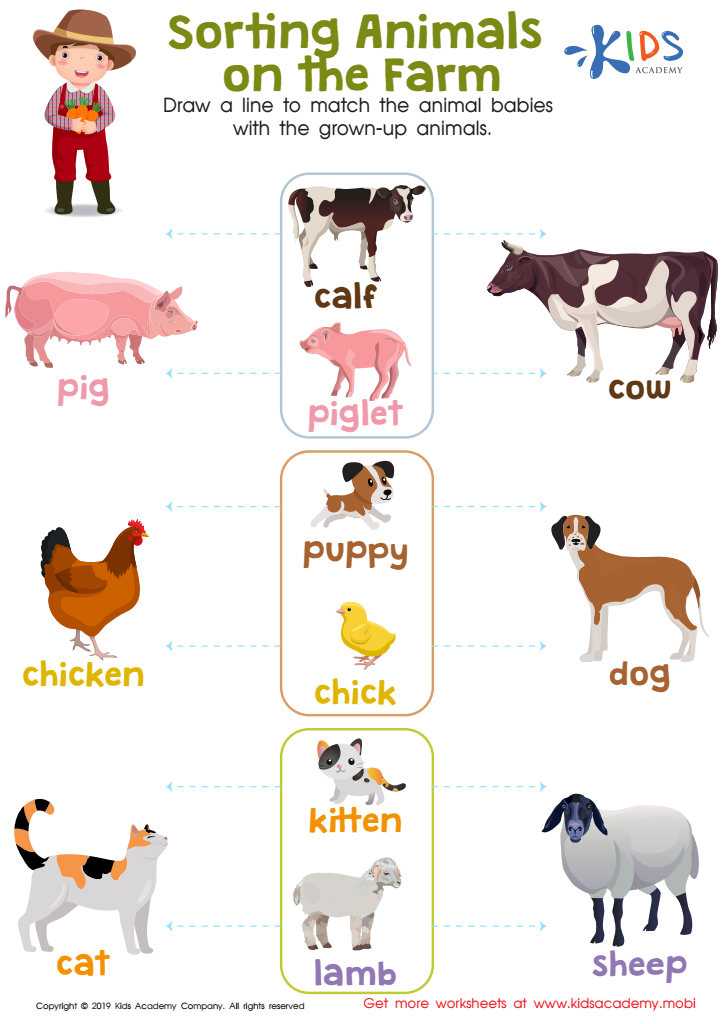
Sorting Animals on the Farm Worksheet
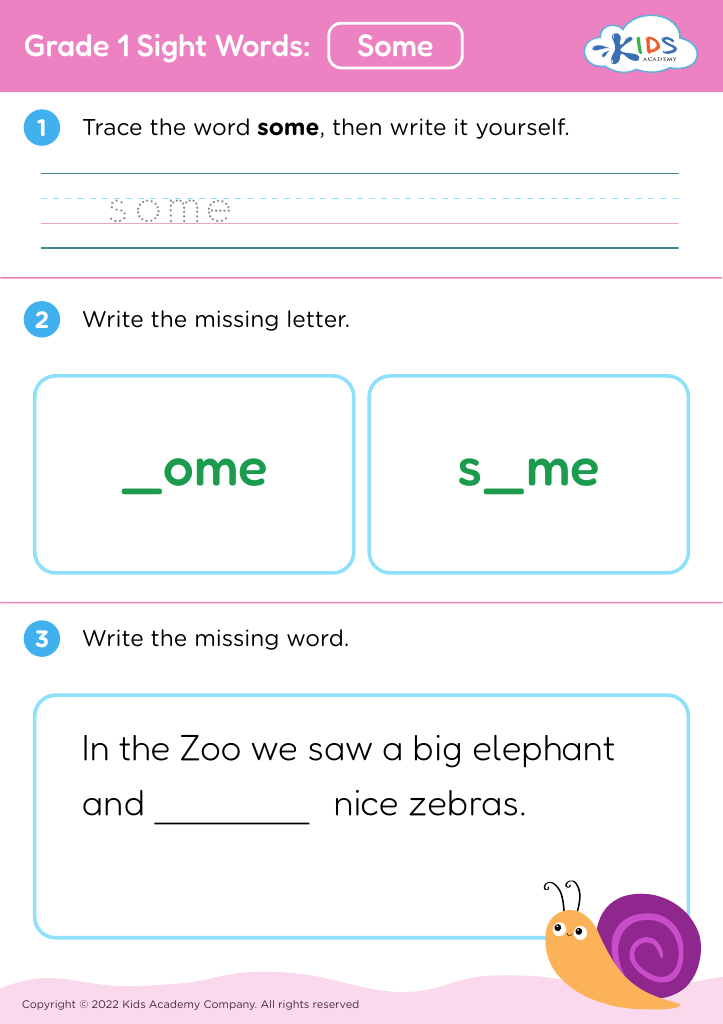






.jpg)

Understanding habitats is crucial for children aged 4-9 as it lays the foundation for environmental awareness and appreciation of biodiversity. For parents and teachers, introducing kids to the concept of habitats through engaging reading materials enriches their comprehension of the world around them and fosters curiosity.
Children naturally imbibe knowledge through stories and illustrations, making reading about habitats an effective educational tool. By learning about different environments—like forests, wetlands, deserts, and oceans—they encounter the unique plants and animals that thrive in these ecosystems. This understanding enhances their observational skills and sparks interest in nature, encouraging them to ask questions and want to explore their surroundings.
Moreover, discussing habitats helps children develop empathy toward living creatures, laying the groundwork for responsible stewardship of the planet. Educators and parents can facilitate critical thinking about the interplay between animals and their environments, and the impact of human activity on these systems. This understanding is paramount in cultivating a generation that values conservation and environmental sustainability.
Ultimately, reading about habitats not only supports literacy and cognitive development but also nurtures informed, caring citizens who understand the importance of protecting the diverse ecosystems that sustain life.








