Reading comprehension Reading Fiction Worksheets for Ages 4-9 - Page 3
103 filtered results
-
From - To
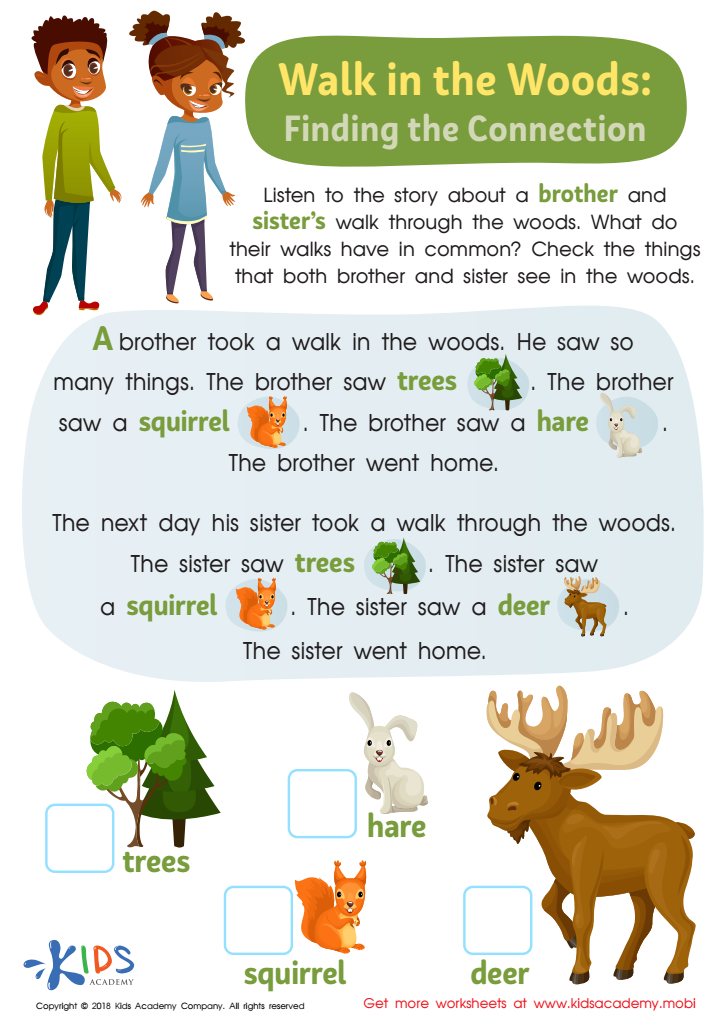
Walk In the Woods: Finding Connections Worksheet
 Assign to My Students
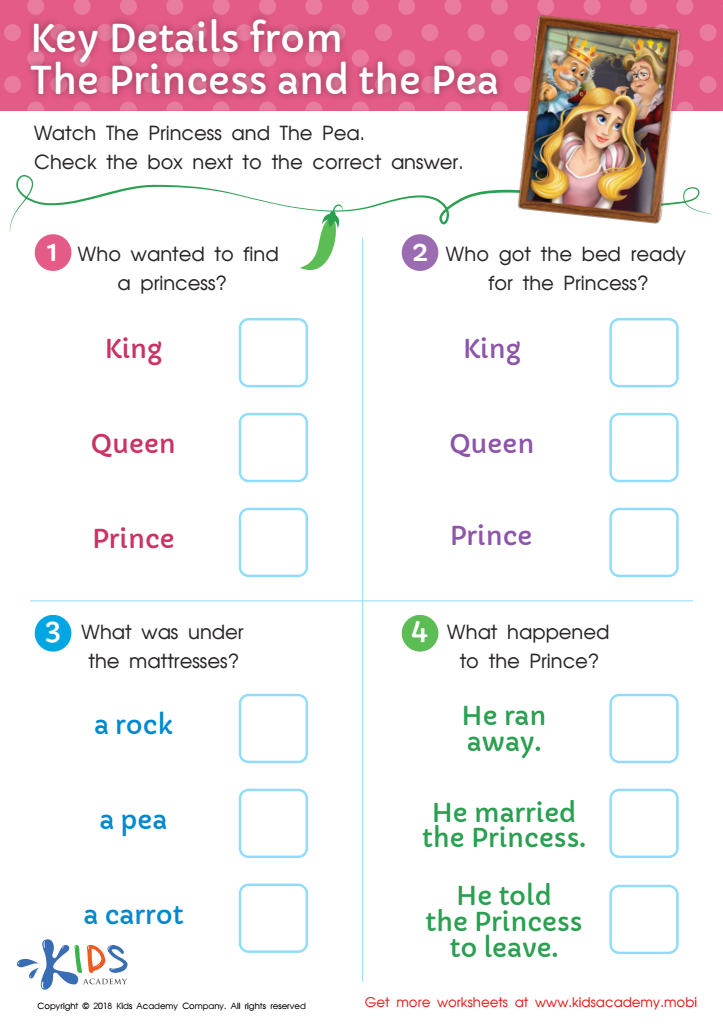
Key Details from the Princess and the Pea Worksheet
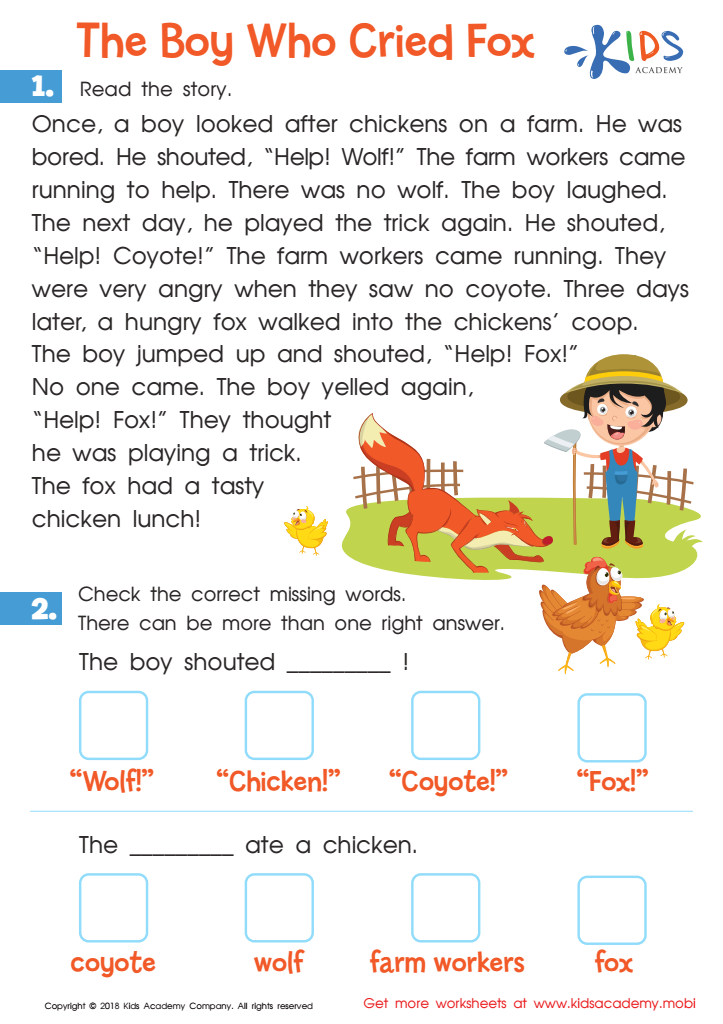
The Boy Who Cried Fox Worksheet
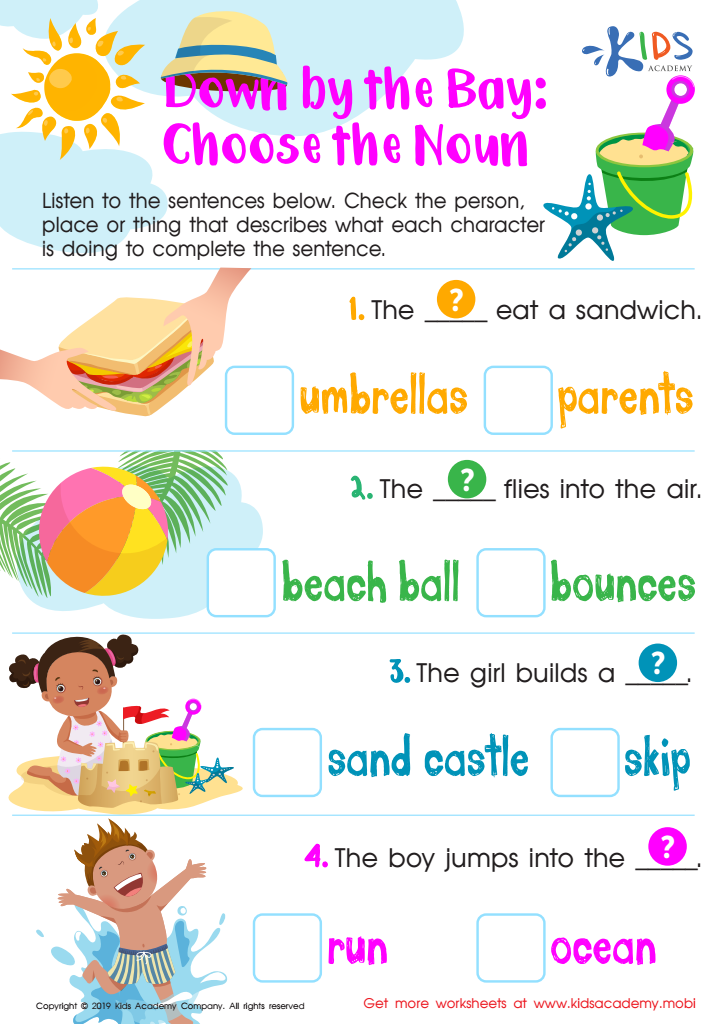
Down by the Bay: Choose the Noun Worksheet
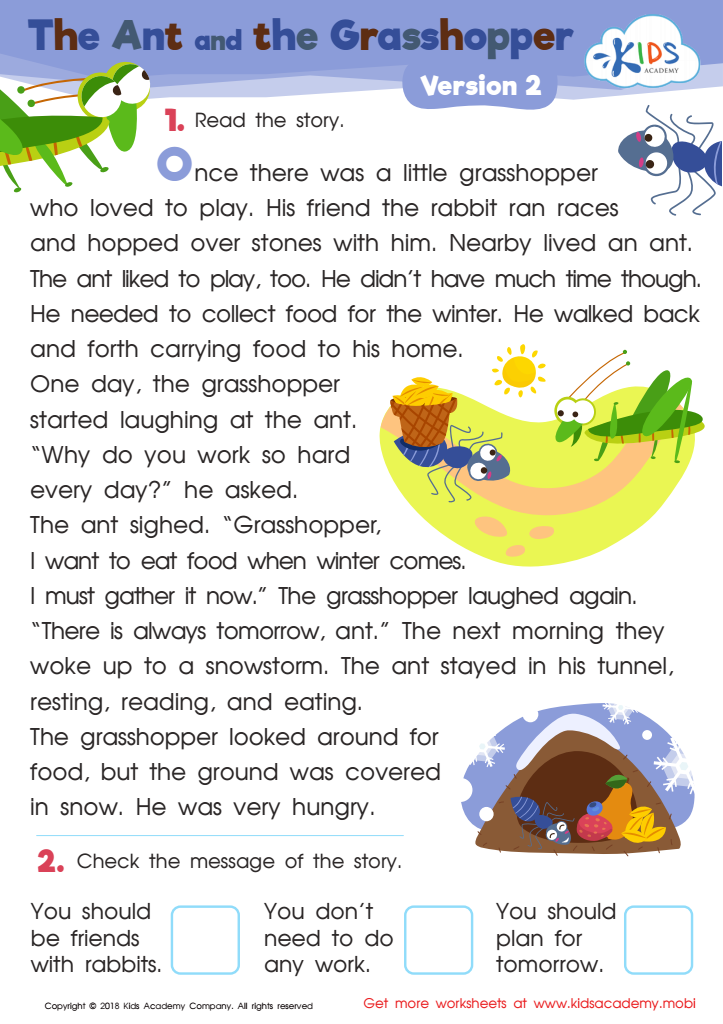
The Ant and The Grasshopper Version 2 Worksheet
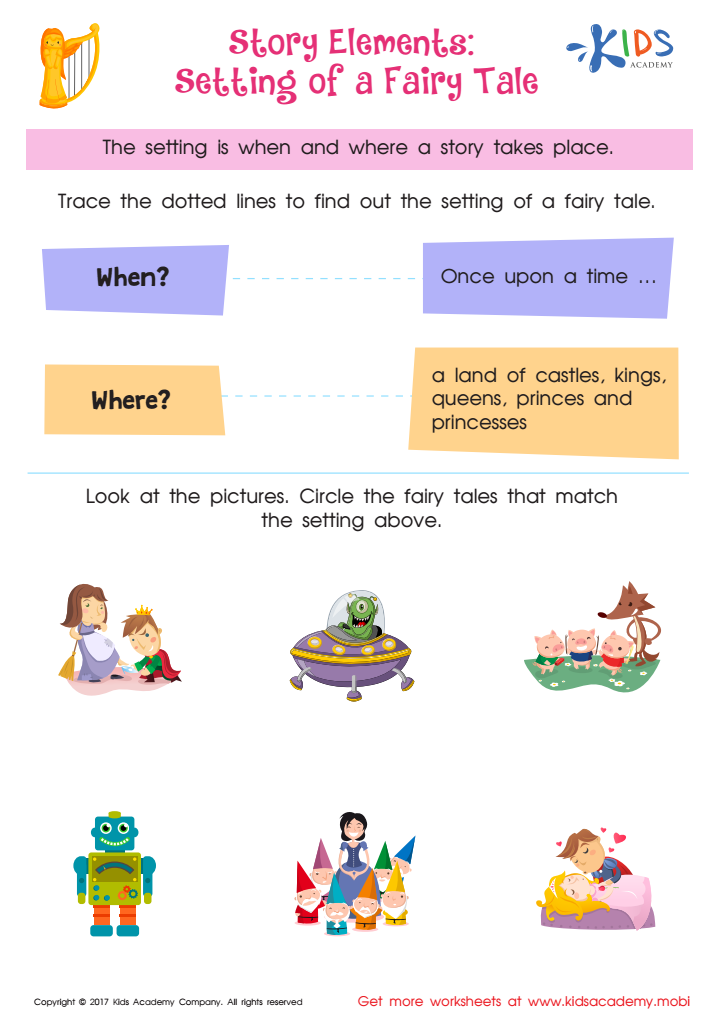
Story Elements: Setting of a Fairy Tale Printable
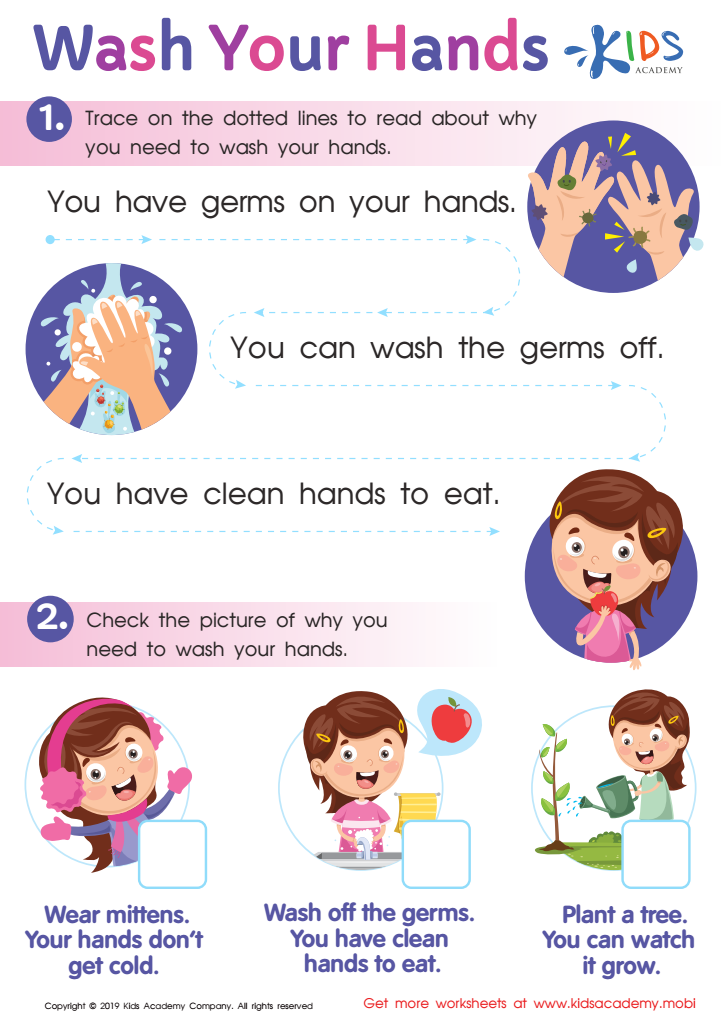
Wash Your Hands Worksheet
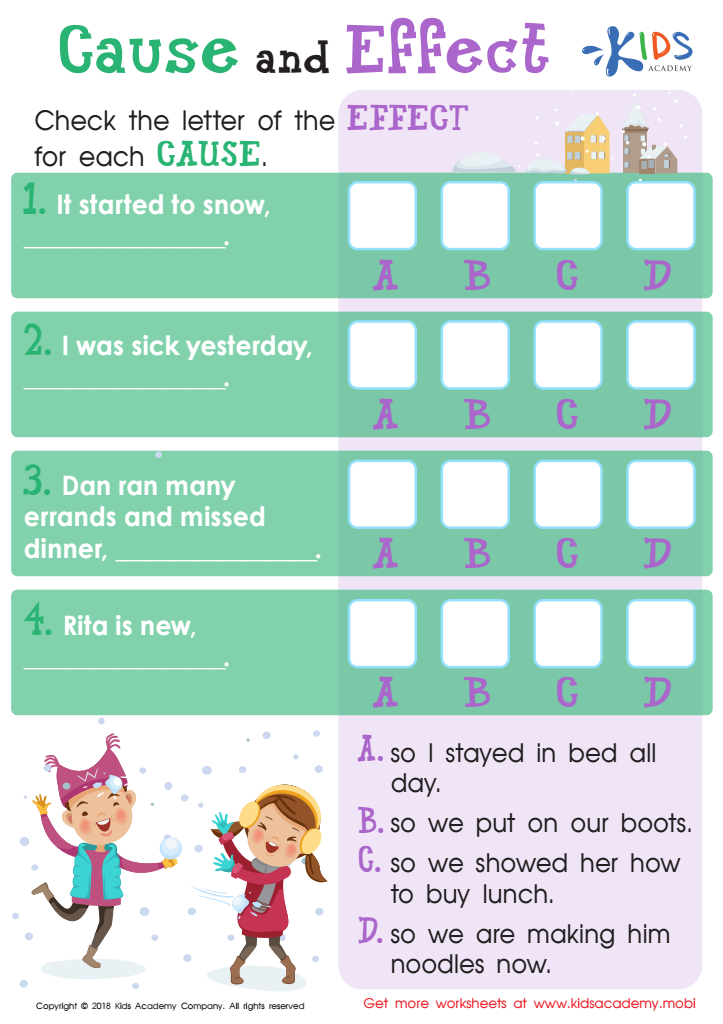
Cause and Effect Worksheet
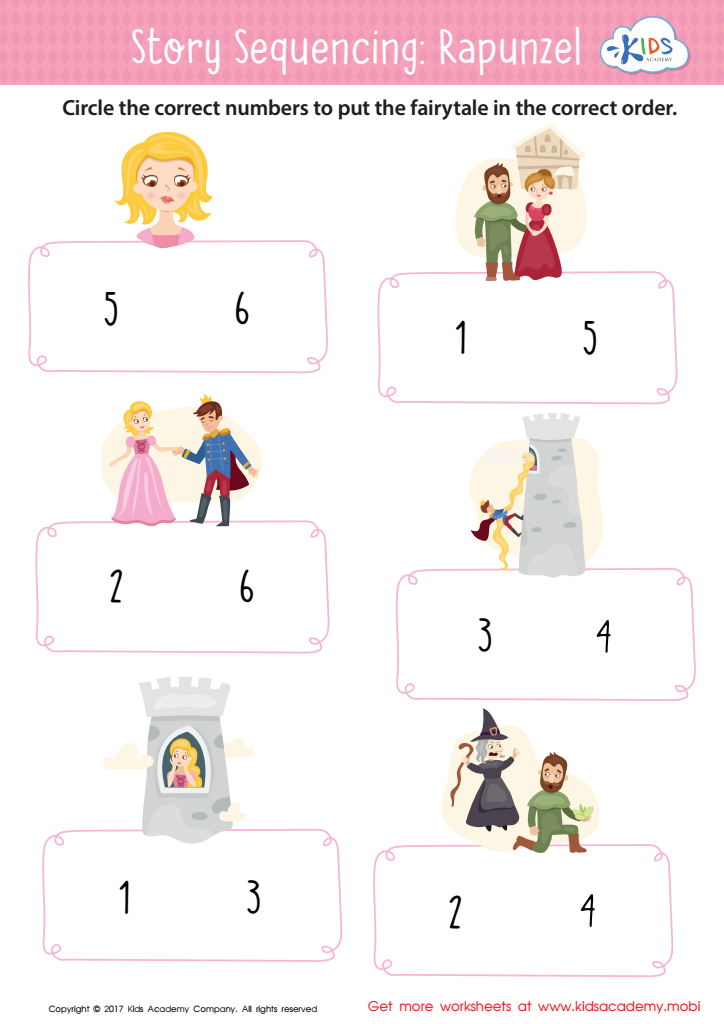
Rapunzel Story Sequencing Worksheet
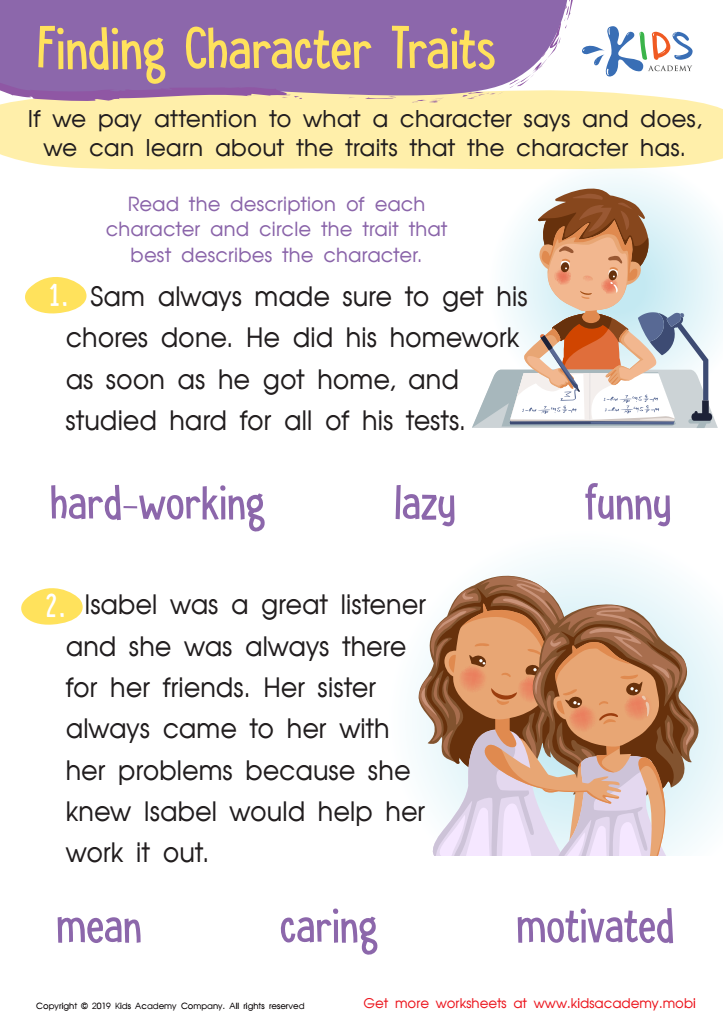
Finding Character Traits Worksheet
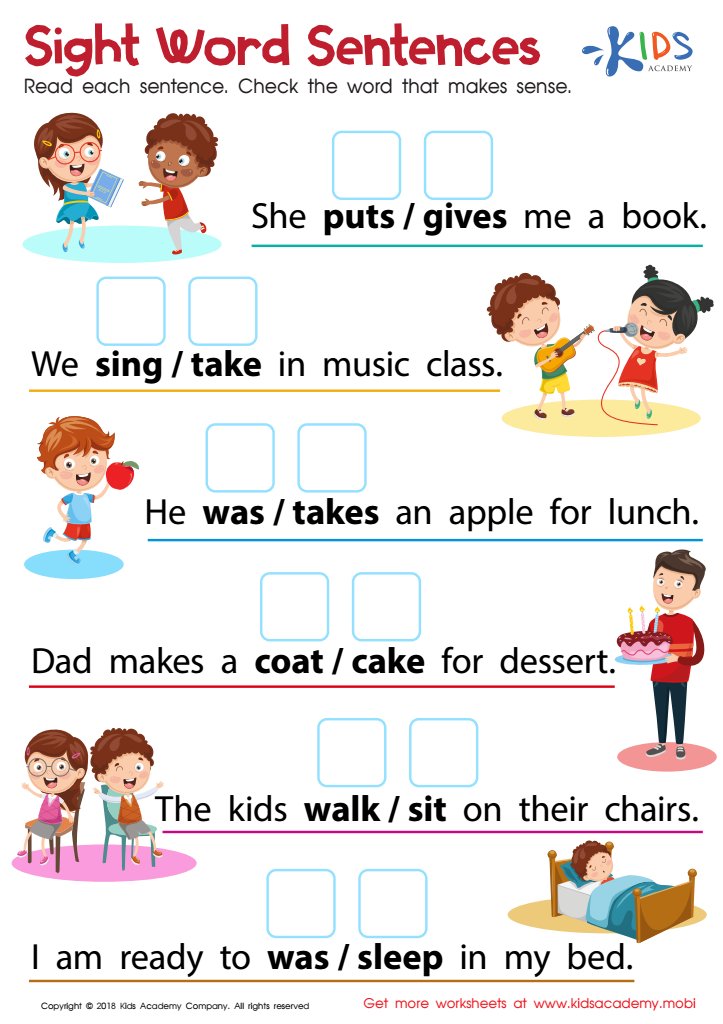
Sight Words Sentences Worksheet
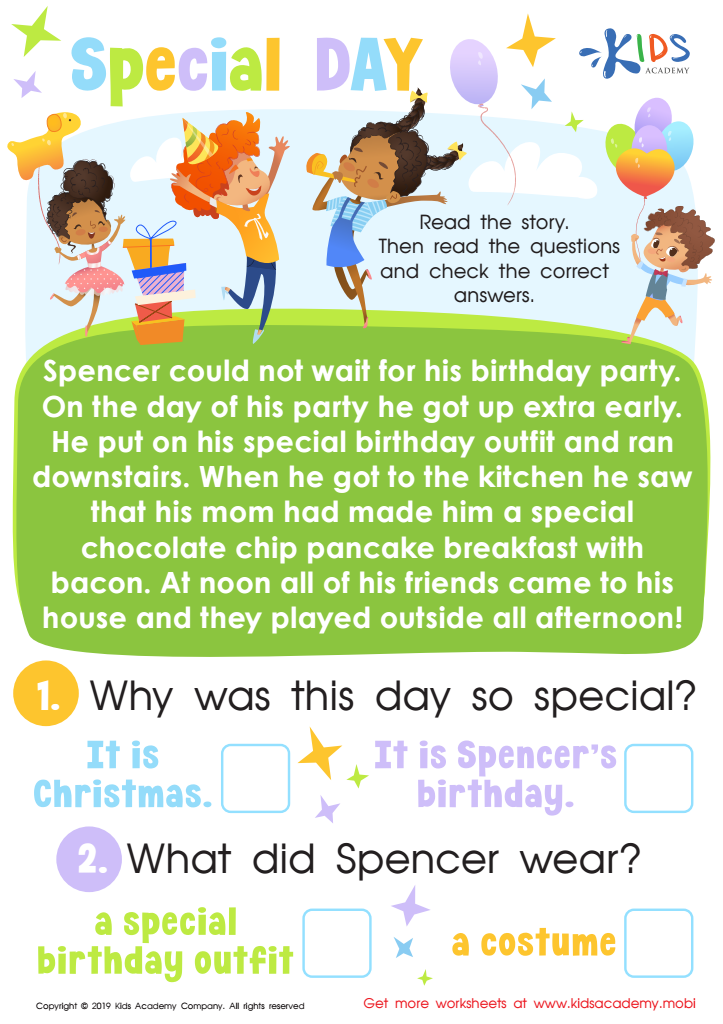
Special Day Worksheet
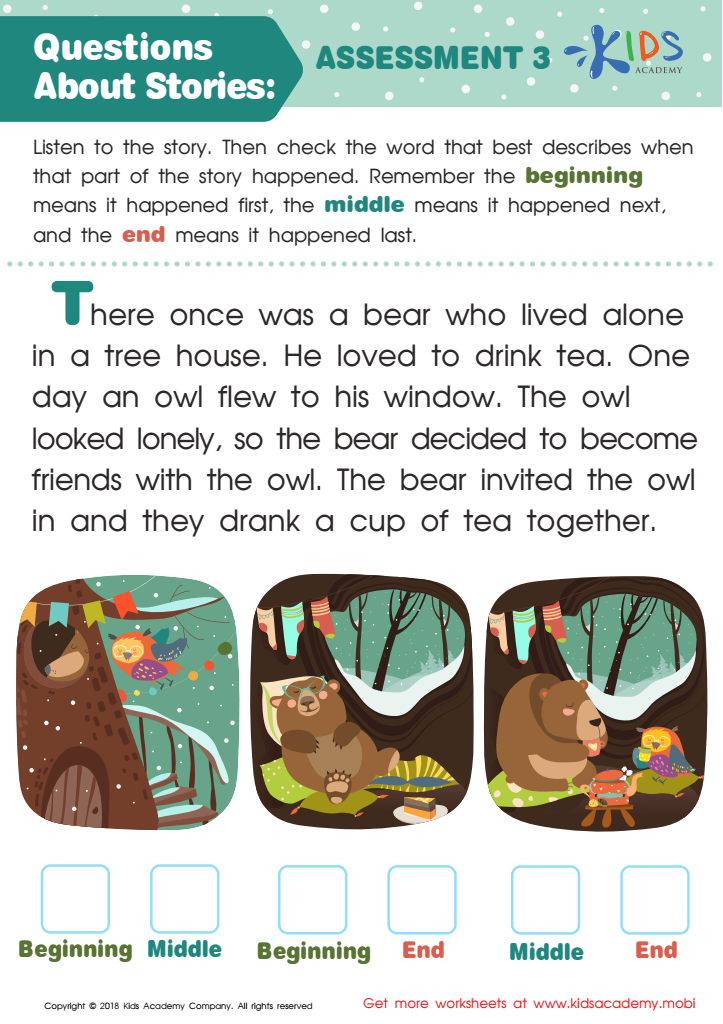
Questions About Stories: Assessment 3 Worksheet
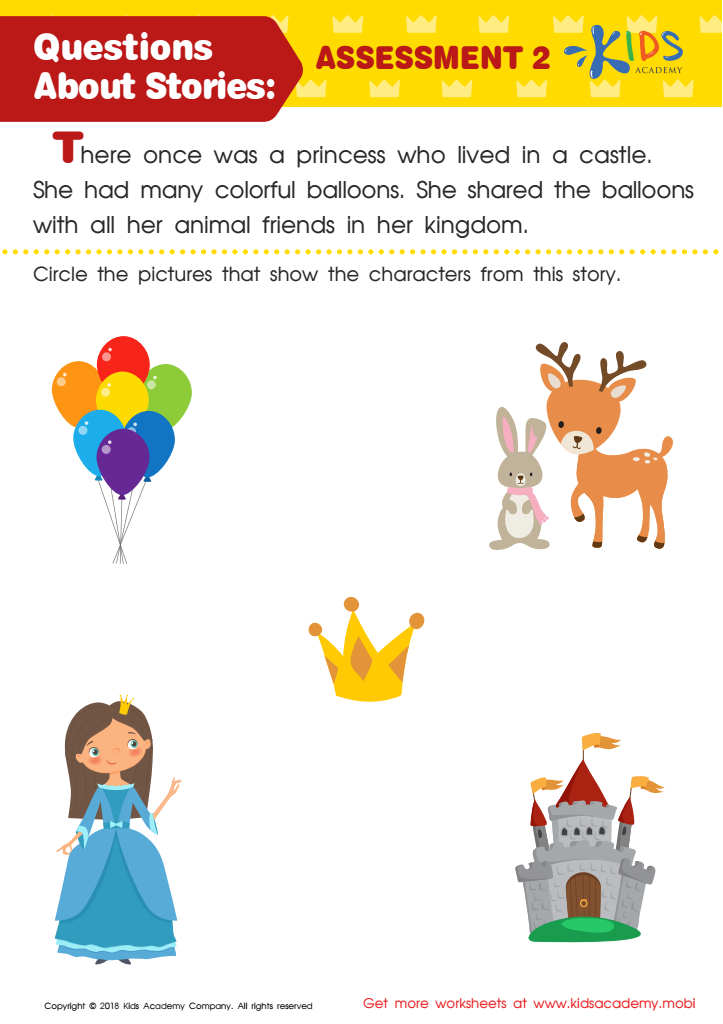
Questions About Stories: Assessment 2 Worksheet
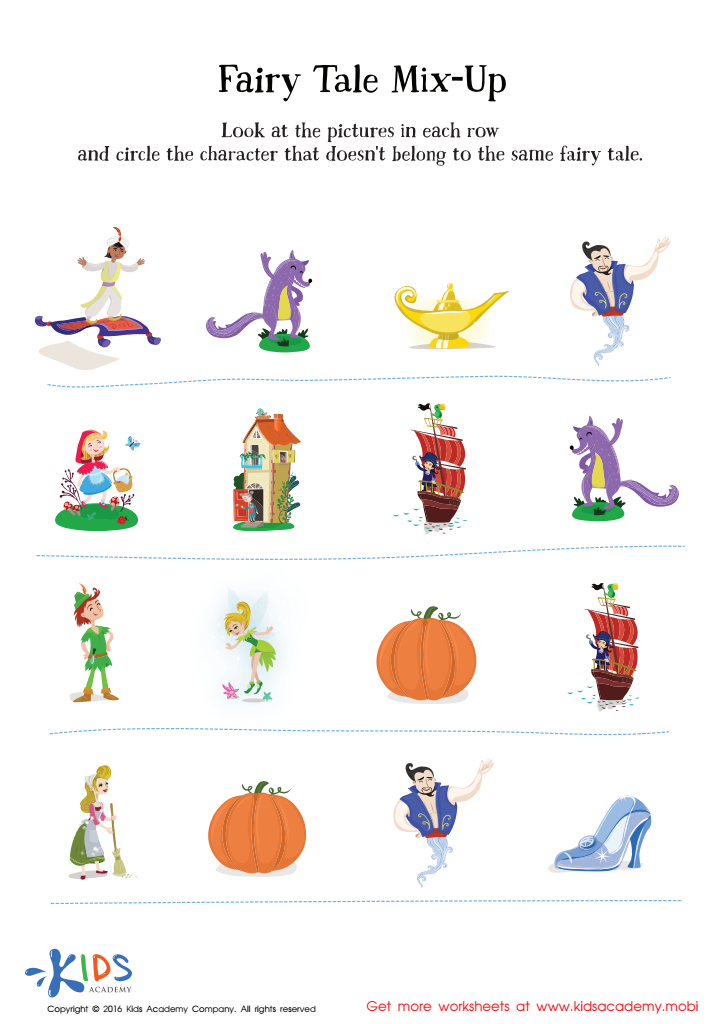
Fairy Tale Worksheet: Story Mix Up
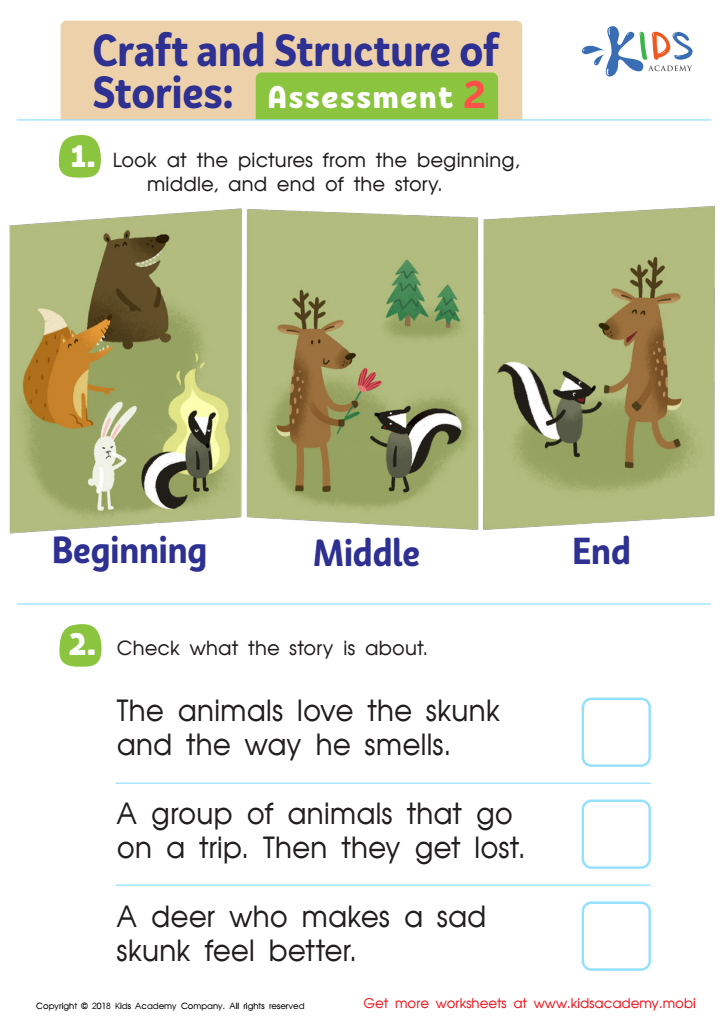
Craft and Structure of Stories: Assessment 2 Worksheet
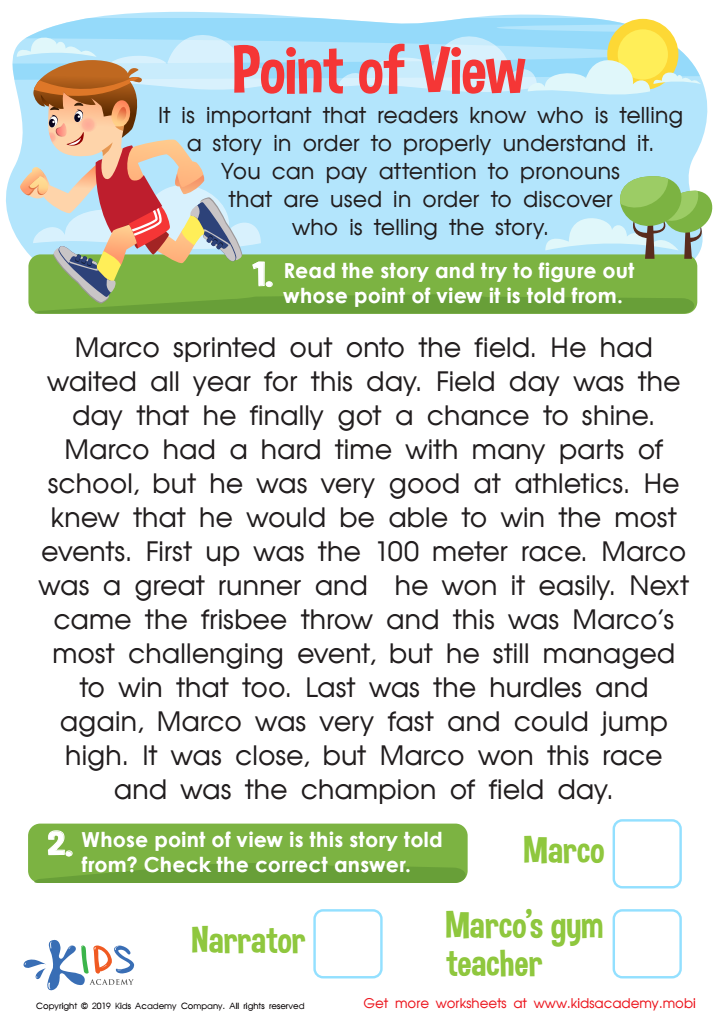
Point of View Worksheet
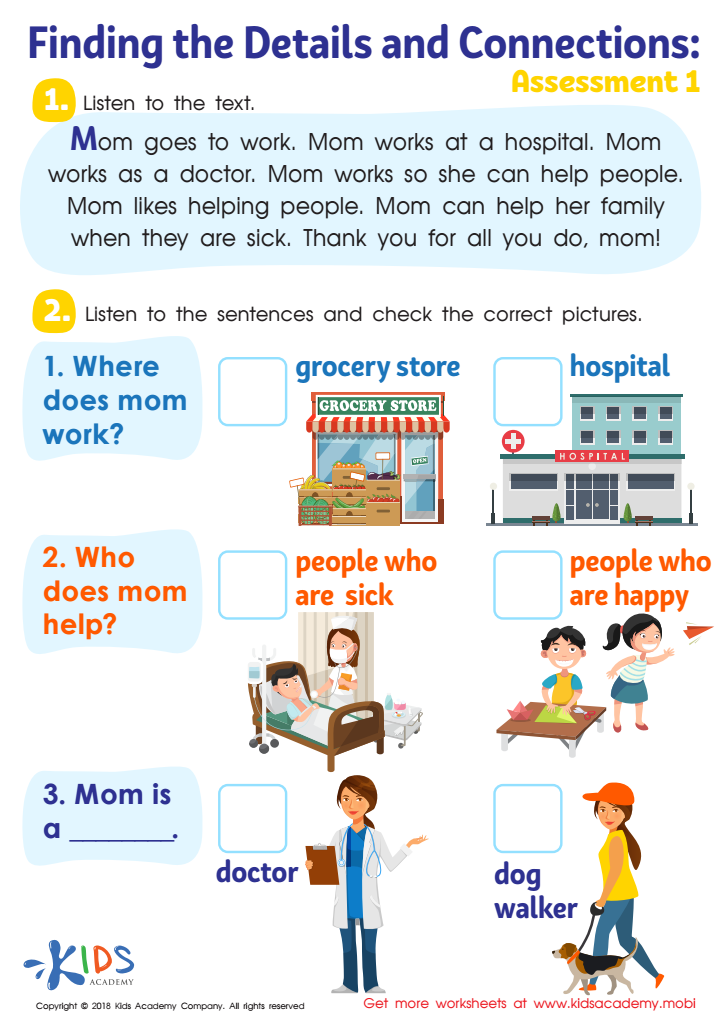
Finding the Details and Connections: Assessment 1 Worksheet
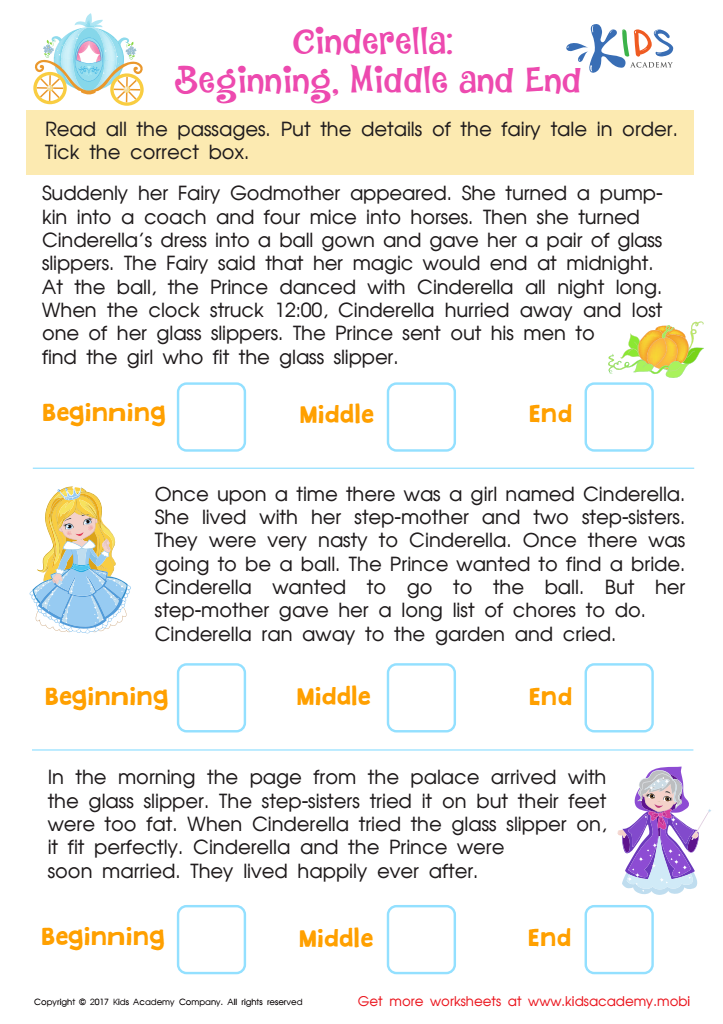
Cinderella: Beginning, Middle and End Worksheet
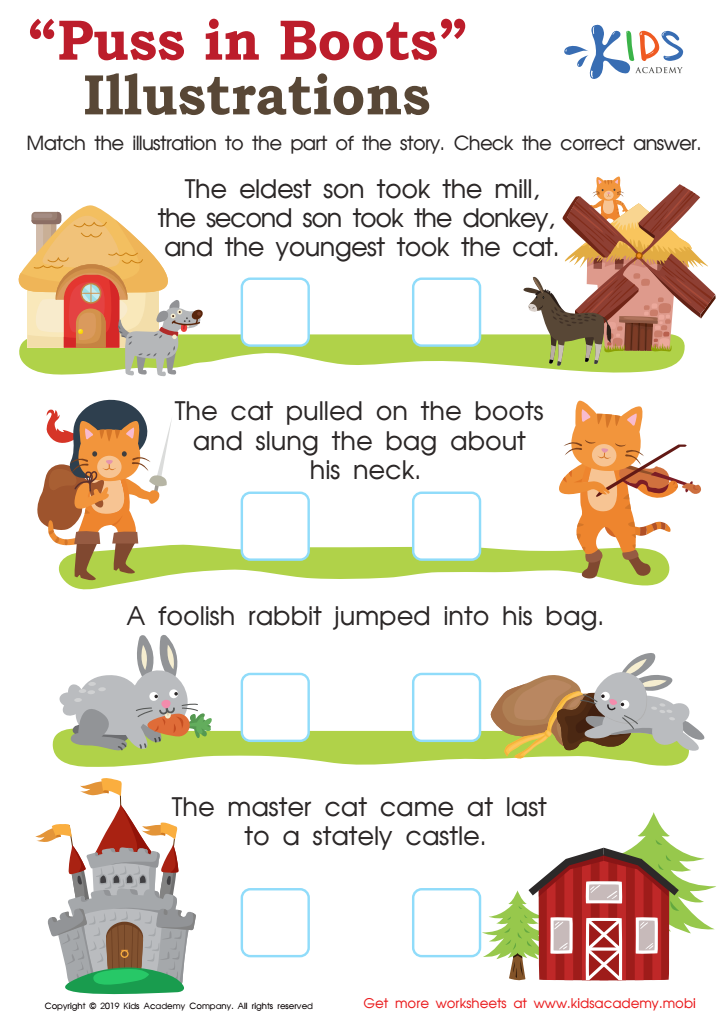
Puss in Boots Illustrations Worksheet
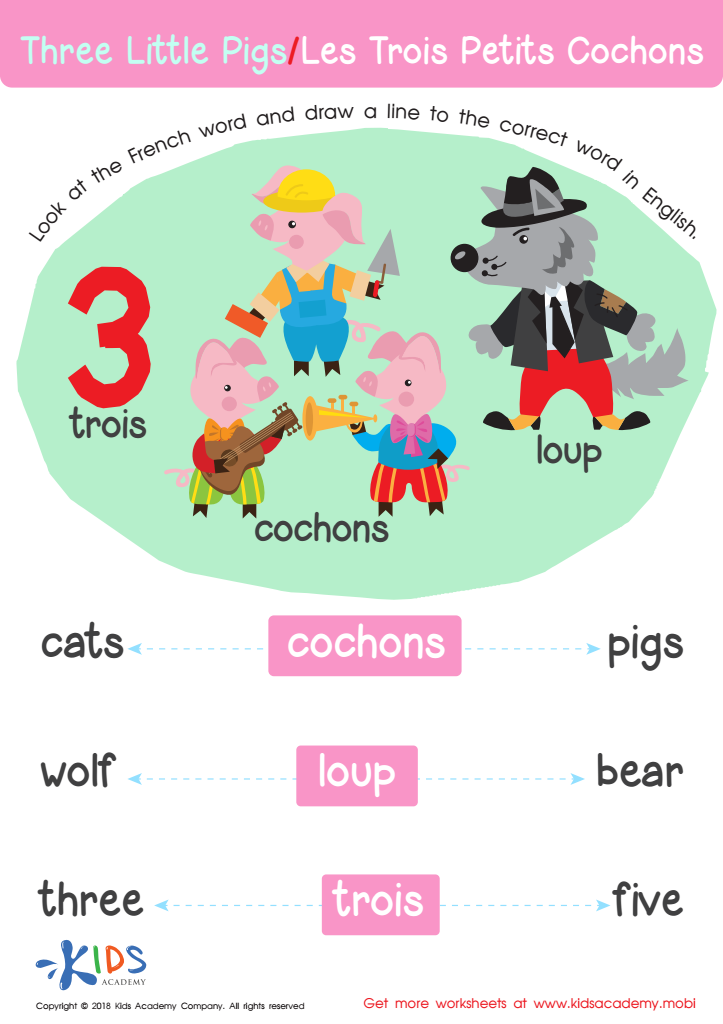
Three Little Pigs / Les Trois Petits Cochons Worksheet
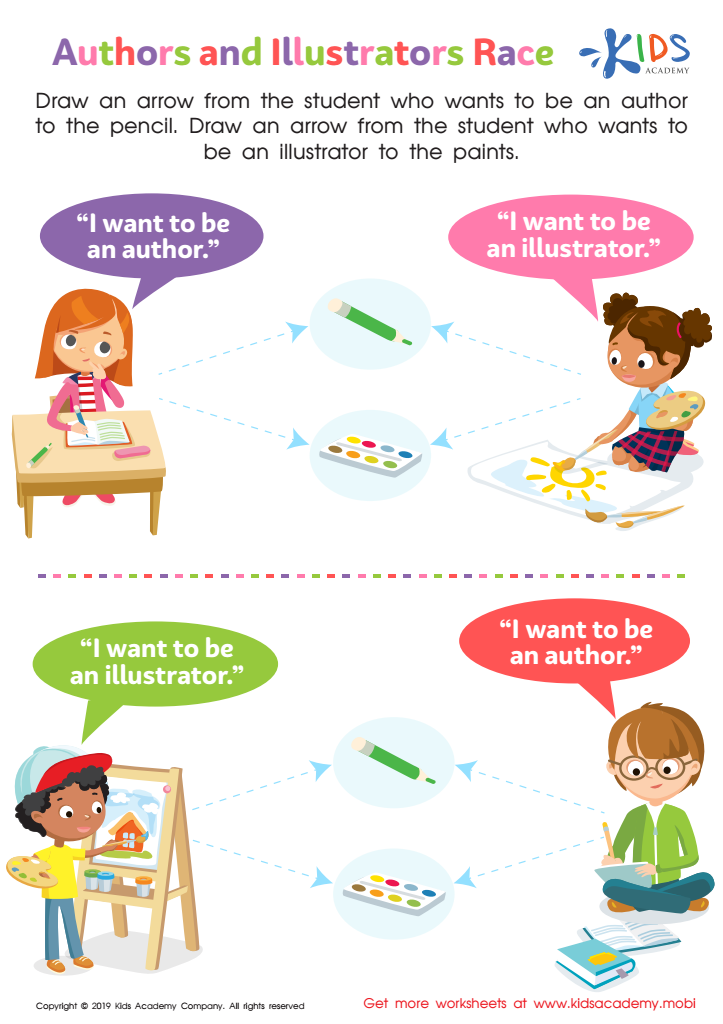
Authors and Illustrators Race Worksheet
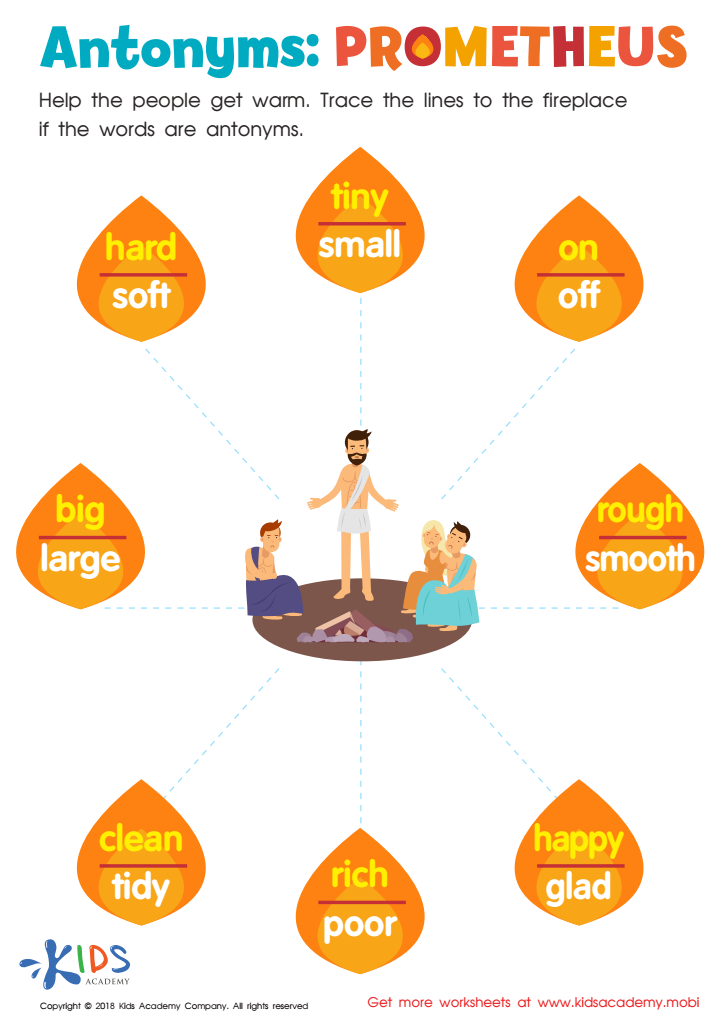
Antonyms: Prometheus Worksheet
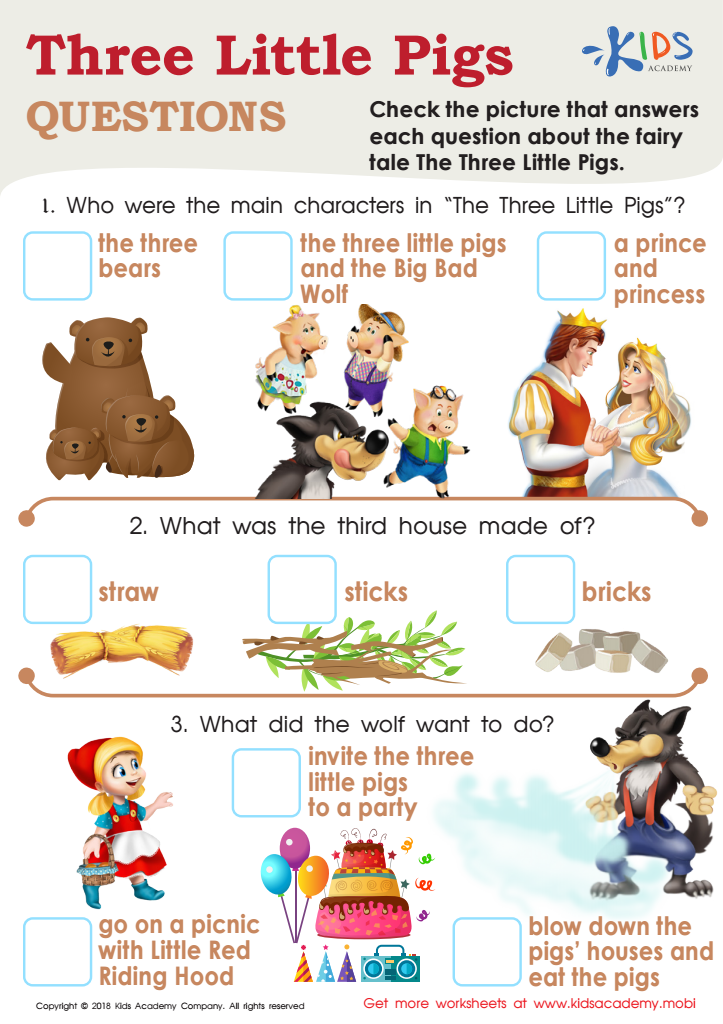
Three Little Pigs Questions Worksheet







Reading comprehension is a fundamental skill for children, particularly within the crucial developmental window of ages 4-9. The importance of reading fiction during this period cannot be overstated for several key reasons. First and foremost, engaging with fiction enhances language skills. Exposure to new vocabulary and complex sentence structures in stories helps children expand their linguistic understanding and communication abilities.
Fiction also plays a vital role in cognitive development. As children follow narratives, they learn to sequence events, recognize cause-and-effect relationships, and predict outcomes. These cognitive processes are foundational for problem-solving and critical thinking skills.
Additionally, reading stories cultivates emotional intelligence. Characters in fiction undergo various trials, emotions, and transformations, which allows young readers to develop empathy and understand diverse perspectives. This process can foster both social awareness and interpersonal skills.
Moreover, fiction stimulates imagination and creativity. Immersing in different worlds and scenarios encourages children to think beyond their immediate experiences and envision possibilities, enhancing their creative thinking.
Lastly, a strong foundation in reading comprehension and a love for books established early can lead to better academic performance across all subjects. Literature opens the door to life-long learning and curiosity, making it an invaluable tool in a child's early development.
In sum, the skills developed through reading fiction during the formative years of ages 4-9 provide a holistic boost to a child’s linguistic, cognitive, emotional, and creative capacities.








