Enhancing research skills Science Worksheets for Ages 4-9
3 filtered results
-
From - To
Unlock a world of discovery with our "Enhancing Research Skills Science Worksheets for Ages 4-9" at Kids Academy. These expertly crafted worksheets foster curiosity and critical thinking in young learners as they explore scientific concepts. Tailored for early childhood development, each engaging activity promotes inquiry, observation, and analysis, empowering kids to ask questions and seek answers independently. Whether in the classroom or at home, these dynamic resources make learning science exciting and accessible, setting the foundation for a lifelong love of exploration and learning. Equip your child with the skills they need to become confident little scientists.
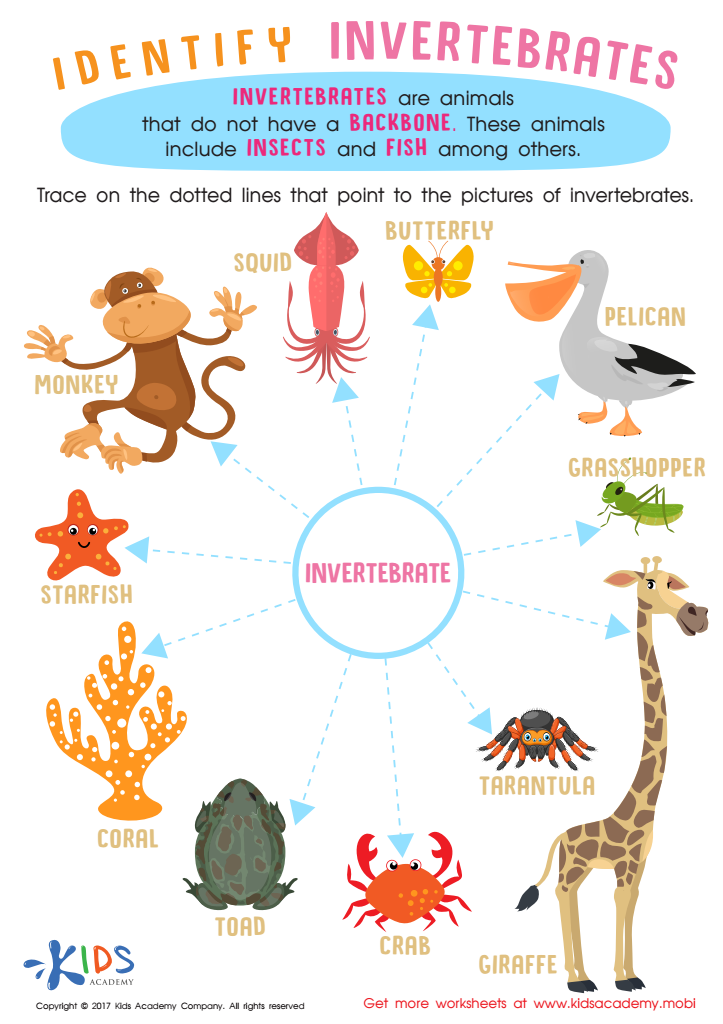
Invertebrates Worksheet for Grade 3
 Assign to My Students

Vitamin C Worksheet
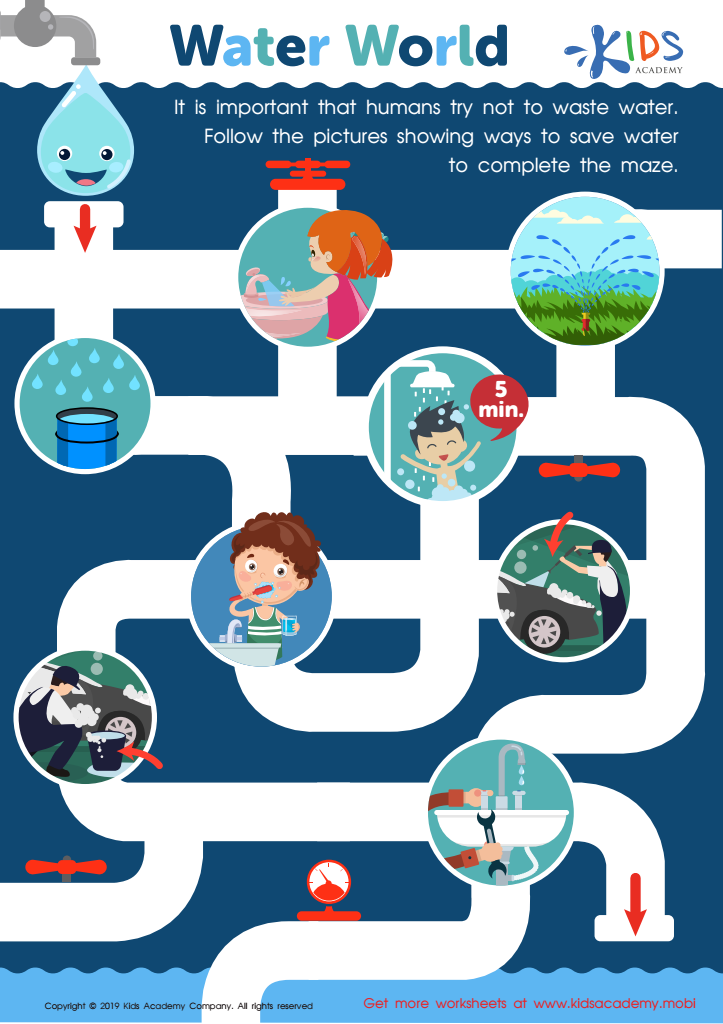
Water World Worksheet







Parents and teachers should prioritize enhancing research skills in science for children aged 4-9 because these foundational years are critical for cognitive and intellectual development. Introducing research skills early in life fosters curiosity, critical thinking, and a love for learning—qualities that benefit children's academic careers and personal growth. When children engage in simple research activities, such as asking questions, observing phenomena, and drawing conclusions, they learn to approach problems methodically and analytically.
Moreover, early exposure to scientific inquiry helps develop patience and resilience, as children learn that investigation can be a gradual process with its own set of challenges. These skills are not only crucial in science but are also transferable to other subjects and everyday life, promoting overall academic excellence.
In addition, nurturing a solid foundation in science and research prepares young children for future educational demands and diverse career options in an increasingly tech-driven world. It builds their confidence in tackling complex ideas and concepts, allowing them to adapt better to advancements and uncertainties in various fields.
For parents and educators, integrating enjoyable science research activities into the daily curriculum ensures that learning remains engaging and effective, fostering a lifelong passion for discovery and innovation in young minds.







