Science knowledge Science Worksheets for Ages 4-9
3 filtered results
-
From - To
Discover a world of exploration with our "Science Knowledge Worksheets" designed for children aged 4-9. These engaging worksheets introduce young learners to fundamental scientific concepts through fun activities and interactive challenges. Perfect for developmentally appropriate learning, each worksheet fosters curiosity and encourages critical thinking. Topics include nature, the human body, weather, and more, ensuring a comprehensive foundation in science. Ideal for home and classroom use, these resources promote hands-on learning while reinforcing essential knowledge. Spark a lifelong fascination with science and support your child’s educational journey with our vibrant, thoughtfully crafted worksheets!
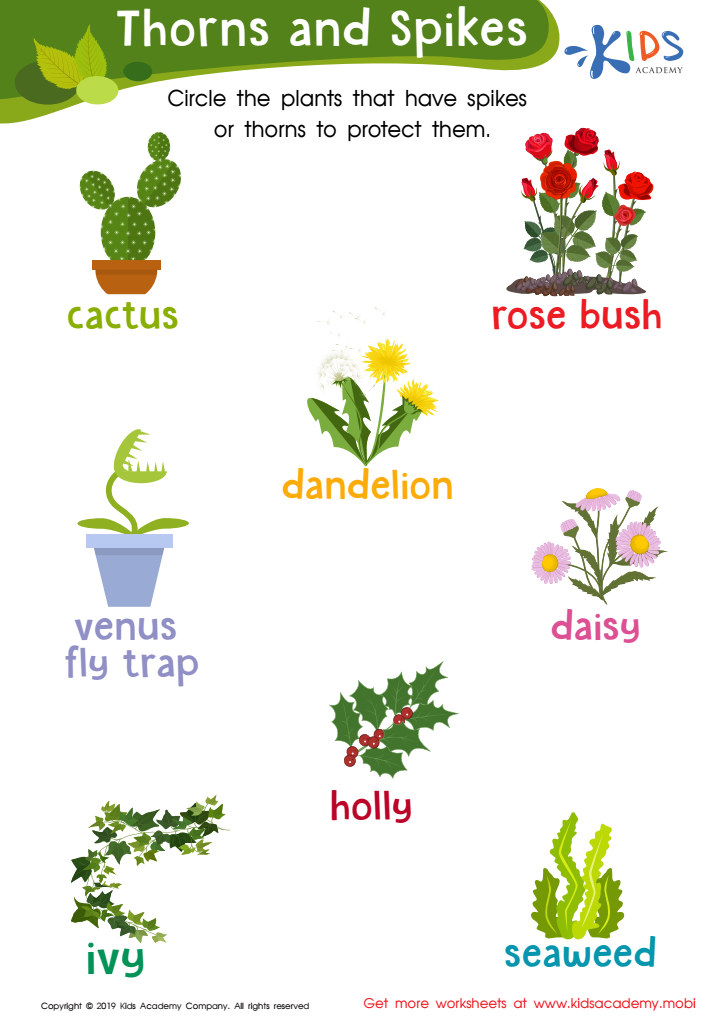
Thorns and Spikes Worksheet
 Assign to My Students
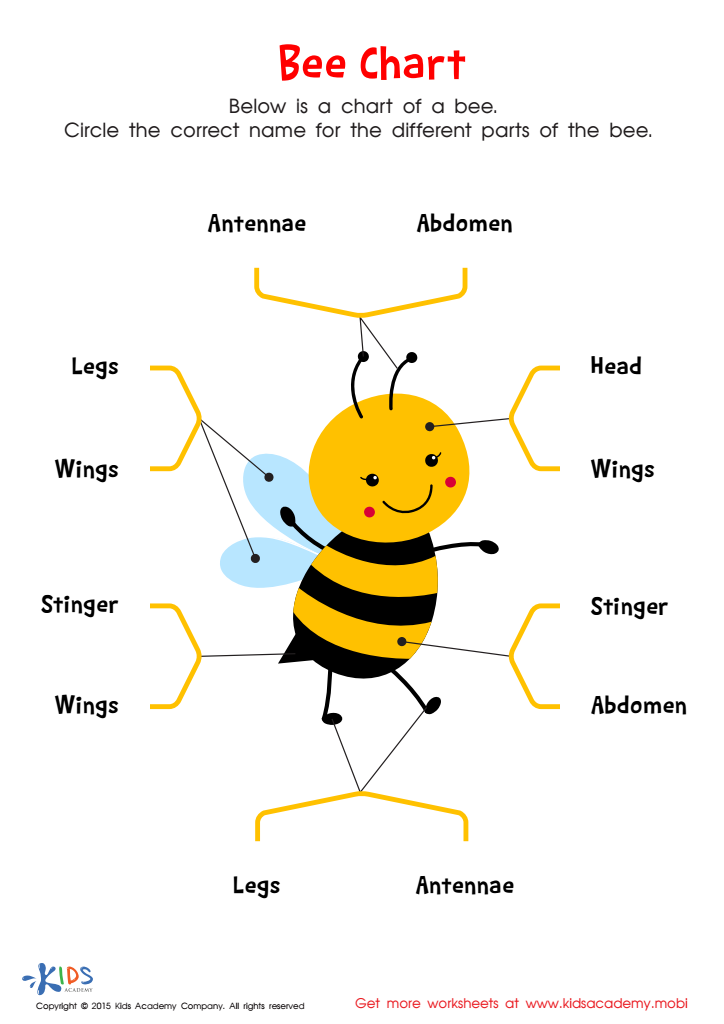
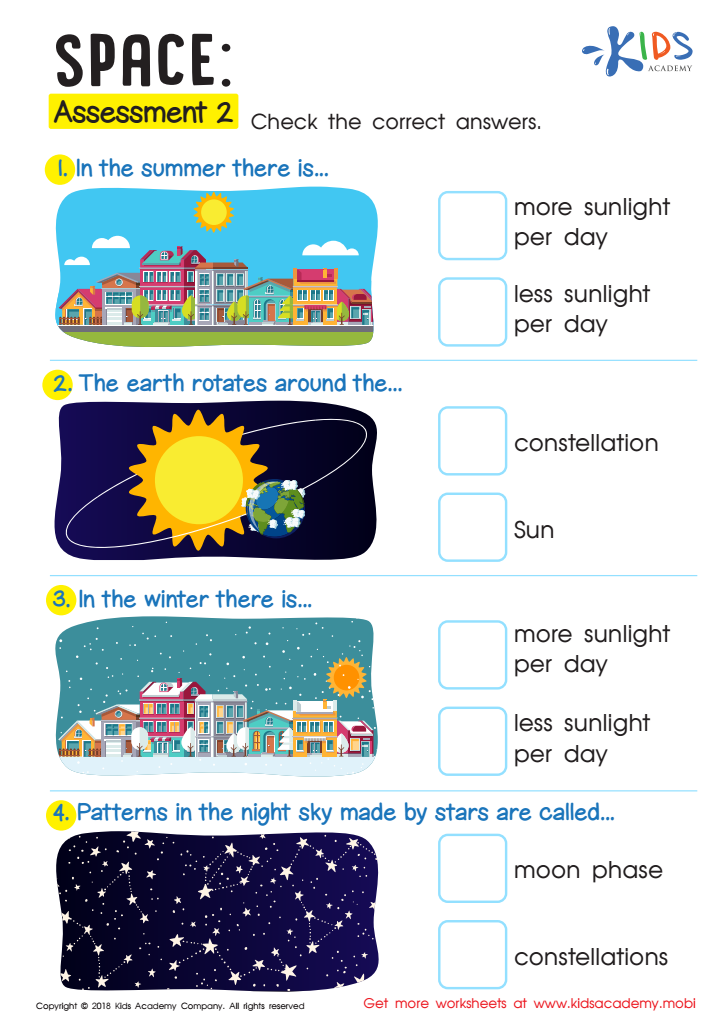
Space: Assessment 2 Worksheet



.jpg)




Parents and teachers play a crucial role in fostering a love for science in children aged 4-9, a formative period for cognitive development. Understanding science paves the way for curiosity, critical thinking, and problem-solving skills. At this tender age, children are naturally inquisitive; incorporating science into their daily lives helps satisfy their curiosity and encourages them to ask questions about the world around them.
Science education enhances observational skills and promotes discovery through hands-on experiments, which can spark enthusiasm for learning. Developing a foundation in scientific concepts prepares young learners for future academic success across disciplines. Moreover, early exposure to science fosters an understanding of the importance of evidence-based reasoning, health, and the environment, which promotes informed decision-making in adulthood.
Additionally, engaging children in scientific inquiry helps reinforce the idea that failure is a part of the learning process, nurturing resilience. As the world faces significant challenges such as climate change and health crises, preparing children to think scientifically is imperative for creating informed, responsible future citizens. Ultimately, nurturing a love for science at a young age not only enriches their education but also transforms their view of the world as an exciting place full of possibilities.







